Introduction
If you’re searching for the strongest permanent magnets available today, nd magnets are the answer. Used in everything from electric motors to medical devices, they have transformed modern technology. This guide covers everything beginners need to know.
What Are Nd Magnets?
Nd magnets, short for neodymium magnets, are a type of rare-earth permanent magnet made from an alloy of neodymium, iron, and boron (NdFeB). They were first developed in 1982 and quickly became the strongest type of permanent magnet in the world.
The name comes from neodymium, a rare-earth element found in the lanthanide series of the periodic table. When combined with iron and boron in a precise ratio, the result is a material with an exceptionally strong magnetic field.
This type of magnet is used in a wide variety of everyday products, including:
- Hard disk drives
- Headphones and speakers
- Electric vehicle motors
- Wind turbine generators
- MRI machines
- Consumer electronics
Because of their incredible strength-to-size ratio, these powerful magnets allow engineers to build smaller, lighter, and more efficient devices than was ever possible with older magnet types.
3 Key Specifications of Nd Magnets
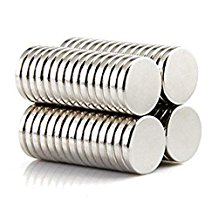
Understanding the core specifications helps you choose the right nd magnet for your application.
1. Grade (N-Rating) They are classified by grade, such as N35, N42, N52, and so on. The number indicates the maximum energy product measured in megagauss-oersteds (MGOe). A higher number means a stronger magnet. N52 is currently the highest commercially available grade, making it the most powerful option on the market.
2. Maximum Operating Temperature Standard grades begin to lose their magnetism at around 80°C (176°F). Specialty grades — such as those labeled “SH,” “UH,” or “EH” — can withstand temperatures up to 200°C (392°F). Always check this spec if your application involves heat exposure, such as motors or industrial machinery.
3. Coating and Corrosion Resistance Bare neodymium magnets corrode easily when exposed to moisture or air. That is why most are coated with nickel, zinc, epoxy, or gold. Nickel plating is the most common and provides solid protection for indoor applications. For outdoor or wet environments, an epoxy coating offers better long-term durability.
5 Differences Between Nd Magnets and Ferrite Magnets
Ferrite magnets (also called ceramic magnets) are another popular choice. Here is how they compare to nd magnets:
1. Magnetic Strength Neodymium magnets are significantly stronger than ferrite magnets. A single piece can be up to 10 times more powerful than a ferrite magnet of the same size. This makes them ideal for compact, high-performance applications.
2. Size and Weight Because of their superior strength, they can achieve the same magnetic force in a much smaller and lighter package. Ferrite magnets must be larger to produce an equivalent pull force, which adds bulk and weight to a design.
3. Cost Ferrite magnets are considerably cheaper to produce since they are made from iron oxide and barium or strontium carbonate — all low-cost materials. The neodymium version costs more due to the price of rare-earth sourcing and a more complex supply chain.
4. Corrosion Resistance Ferrite magnets are naturally resistant to corrosion and do not require protective coatings. Nd magnets, on the other hand, will rust if left uncoated. Proper coating is essential for long-term use in most environments.
5. Temperature Performance Ferrite magnets actually perform better at higher temperatures than standard neodymium grades. While the NdFeB type loses strength above 80°C, ferrite magnets remain stable at much higher temperatures. However, high-temperature specialty grades are available to close this gap.
6 Applications of Nd Magnets
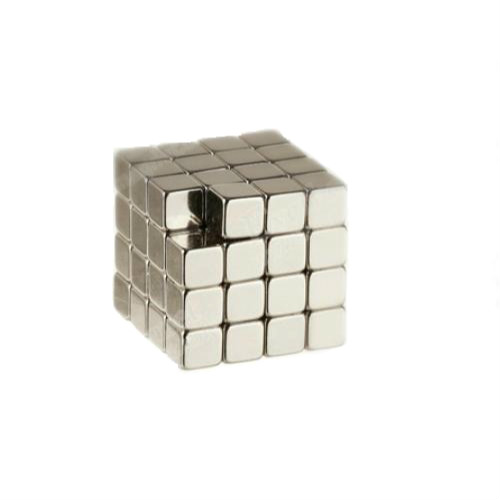
Neodymium magnets are found in more places than most people realize. Their exceptional strength and compact size make them the preferred choice across a wide range of industries.
Consumer Electronics — Smartphones, laptops, and headphones all rely on these magnets. They power the tiny speakers and vibration motors that fit inside slim, modern devices.
Electric Vehicles and Motors — EV manufacturers use them in drive motors because they deliver high torque in a lightweight package. This directly improves vehicle range and efficiency.
Medical Equipment — MRI machines depend on powerful magnetic fields to produce detailed body scans. Nd magnets also appear in hearing aids and surgical tools where precision and miniaturization are critical.
Renewable Energy — Wind turbines use large neodymium magnets in their generators to convert rotational movement into electricity efficiently, even at low wind speeds.
Industrial Machinery — Factories use them in sensors, actuators, magnetic separators, and holding fixtures. Their reliable holding force makes automated production lines more accurate.
Hard Disk Drives — Every traditional hard drive contains nd magnets to precisely move the read/write arm at high speed.
From the device in your pocket to the turbine on a hillside, neodymium magnets quietly power the modern world.
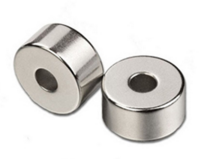
Notices When Using Nd Magnets
These are powerful tools, but they must be handled with care. Keep these important safety and usage notices in mind:
- Keep away from children. Small pieces can be swallowed, which is a serious medical emergency. Always store them out of reach.
- Handle with care to avoid injury. Two of them snapping together can pinch skin badly and even break fingers. Always bring them together slowly and with control.
- Keep away from electronics and cards. Strong magnetic fields can damage hard drives, credit cards, pacemakers, and other sensitive devices.
- Store properly. Store them with keeper plates or in separated containers to prevent accidental attraction to metal objects.
- Do not drill or machine without precaution. Cutting or grinding produces fine flammable powder. This should only be done by professionals with proper equipment.
FAQ
Q1: Are nd magnets safe to use at home?
Yes, they are safe for home use when handled responsibly. The key risks are physical injury from snapping pieces and interference with electronic devices. Always follow safe handling guidelines, keep them away from children, and store them properly. Small craft-grade versions are widely used for DIY projects, organization, and hobbies without any issues.
Q2: Can these magnets lose their magnetism over time?
Under normal conditions, these magnets are extremely stable and can retain their magnetism for decades. However, they will demagnetize if exposed to temperatures above their maximum operating limit, strong opposing magnetic fields, or physical shock. Choosing the right grade for your application ensures long-lasting performance.
Q3: What is the strongest grade available?
The strongest commercially available grade is N52. It offers the highest energy product and produces the strongest magnetic field for a given volume. N52 is used in precision instruments, advanced motors, and high-performance audio equipment. Note that higher-grade pieces are also more brittle and require careful handling.
Conclusion
Nd magnets are one of the most remarkable materials in modern engineering. Their unmatched strength, compact size, and versatility make them essential across countless industries. Whether you are a hobbyist, engineer, or just curious, understanding this technology gives you a real advantage when selecting the right magnet for any project. Always handle them safely, choose the correct grade and coating, and you will get outstanding results.
7 Powerful Facts About N52 Magnets Every Engineer Should Know
7 Powerful Facts About Rare Earth Neodymium Magnets
7 Powerful Facts About Ring Neodymium Magnet You Should Know