Lifting heavy steel plates or sheets by hand is dangerous and exhausting work. Magnets with handles solve this problem by providing a secure grip that turns on and off with a simple lever. This guide explores everything you need to know about these essential industrial tools.
What is Magnets with Handles
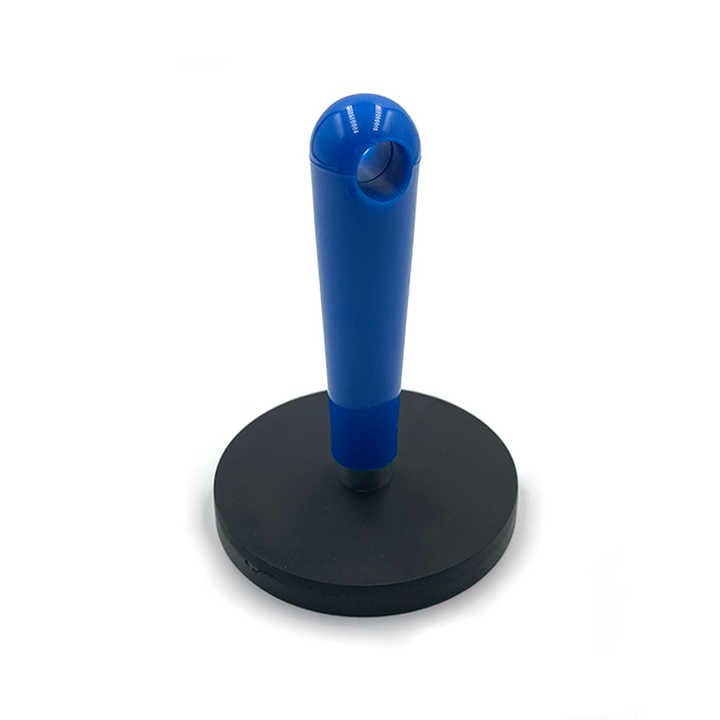
Magnets with handles are manual lifting devices that use powerful permanent magnets to grip ferromagnetic materials. The operator places the magnetic base against a steel surface and activates the magnetic circuit using a lever or switch. The magnet grips the load securely, and the operator lifts and moves it using the attached handle. Releasing the lever breaks the magnetic circuit, and the load drops free.
These tools eliminate the need for clamps, chains, or slings for many material handling tasks. A single worker can lift steel plates, pipes, beams, or parts that would otherwise require two people or mechanical hoists. Magnets with handles come in various sizes with lifting capacities ranging from 50 pounds to over 1,000 pounds. They are essential tools in fabrication shops, warehouses, construction sites, and manufacturing facilities where steel materials move frequently.
Types and Specifications of Magnets with Handles
Different designs suit different applications. Understanding the types helps you select the right magnets with handles for your specific needs.
Permanent Magnetic Lifters with Manual Lever
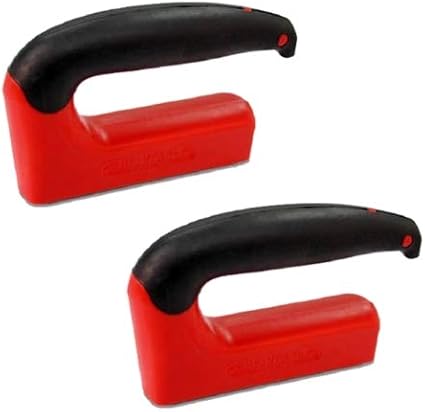
These are the most common type of magnets with handles. A simple lever on the side of the unit rotates an internal magnet assembly. In the on position, the magnetic flux flows through the bottom face, creating a strong grip on the steel load. Moving the lever to the off position redirects the flux internally, releasing the load instantly. These tools require no power source and never lose their lifting capacity. They are reliable, maintenance-free, and ideal for general fabrication and warehouse use.
Compact Grip Style for Small Parts
Smaller versions of magnets with handles feature a compact grip design for handling individual parts. The handle is integrated directly into the top of the magnetic assembly. These tools suit machine shops, assembly lines, and quality inspection stations where workers move parts repeatedly. Compact grip units typically handle loads from 50 to 200 pounds. Their small size allows access to tight spaces that larger lifters cannot reach.
Heavy-Duty Industrial Lifters
Large industrial magnets with handles lift steel plates, beams, and heavy fabrications weighing over 500 pounds. These units feature robust steel construction and ergonomic handles designed for two-handed operation. Some models include a safety lock that prevents accidental release. Heavy-duty lifters are essential in steel service centers, shipyards, and heavy equipment manufacturing.
Magnetic Sweepers with Long Handles
Magnetic sweepers are a specialized type of magnets with handles designed for cleaning floors. The long handle allows the operator to walk while sweeping the magnetic base across the ground. These tools collect loose screws, nails, metal shavings, and other ferrous debris from workshop floors, driveways, and construction sites. A release mechanism drops the collected material into a trash container. Magnetic sweepers improve workplace safety by removing sharp metal objects that could cause tire punctures or foot injuries.
Telescoping and Adjustable Handle Models
Some magnets with handles feature adjustable or telescoping handles. These extend the operator’s reach for retrieving parts from bins, picking up dropped tools, or accessing materials on high shelves. The telescoping handle collapses for compact storage when not in use. These versatile tools serve maintenance technicians, warehouse workers, and anyone who needs extended reach.
Key Specifications to Consider
Lifting capacity is the most critical specification. This rating indicates the maximum weight the tool can lift under ideal conditions. Ideal conditions mean a smooth, flat, clean steel surface with full contact. Always choose magnets with handles rated for at least three times your actual load weight. The magnetic base dimensions affect performance on different surfaces. Larger bases distribute the magnetic force over more area. The handle design determines comfort during repeated use. Ergonomic grips reduce operator fatigue.

Related: Safe Operating Procedures for Magnets with Handles
Safety is critical when using magnetic lifting devices. Following proper procedures prevents accidents and extends tool life.
Surface preparation determines lifting safety. Clean both the magnet base and the steel surface before each lift. Remove all oil, grease, rust, scale, paint, and debris. Any gap between the magnet and the load reduces lifting capacity dramatically. A layer of paint can reduce the holding force by 50 percent or more. Always test the grip before fully committing to a lift.
Center the magnet on the load. The lifting capacity rating assumes the load is balanced and the magnet is positioned at the center of gravity. Off-center lifting reduces capacity and can cause the load to tilt or slip. For long plates or beams, use multiple magnets with handles positioned symmetrically to distribute the weight evenly.
Never lift over people or body parts. Despite their reliability, magnetic tools can release unexpectedly if the load shifts or the surface condition is poor. Always keep your feet and hands clear of the load path. Use toe protection and gloves as additional safeguards.
Inspect the tool before each use. Check the handle mechanism for smooth operation. Verify that the lever locks securely in the on position. Examine the magnetic base for damage, cracks, or excessive wear. A damaged tool may not achieve its rated capacity. Remove from service any magnets with handles showing signs of damage.
Do not use magnetic lifters for overhead lifting unless specifically rated for that purpose. Standard magnets with handles are designed for manual material handling, not crane-suspended lifting. Overhead lifting requires specialized magnetic lifters with higher safety factors and redundant holding mechanisms.
Related: Common Applications for Magnets with Handles
These versatile tools serve countless industries and tasks. Understanding the range of applications helps you appreciate their value.
Fabrication shops use magnets with handles throughout the production process. Workers lift steel plates onto cutting tables, position parts for welding, and move finished fabrications to storage. The quick grip and release action speeds workflow compared to clamping or chaining. One worker can handle materials that would otherwise require a team.
Warehouse and distribution centers rely on these tools for steel inventory management. Workers use magnets with handles to move steel bars, pipes, and sheets from storage racks to order fulfillment areas. The manual tools complement forklift operations for individual piece handling. They reduce the risk of hand injuries from sharp edges and burrs.
Machine shops use compact grip models for loading and unloading parts from CNC machines. The magnet holds the workpiece securely while the operator positions it in the fixture. After machining, the magnet retrieves the finished part without touching hot or sharp edges. This speeds production and improves safety.
Construction sites benefit from magnetic sweepers after roofing, framing, and metal fabrication work. The long-handled magnets with handles collect loose nails and screws from driveways, lawns, and work areas. This prevents flat tires on vehicles and foot injuries for workers. Cleanup that takes hours by hand takes minutes with a magnetic sweeper.
Maintenance and repair technicians use telescoping models to retrieve dropped tools and parts from machinery, tanks, and confined spaces. The magnetic end grabs the lost item, and the handle pulls it to safety. This saves disassembly time and prevents foreign object damage to equipment.
FAQ: Your Magnets with Handles Questions Answered
1. Can magnets with handles lift stainless steel?
Most stainless steel grades are non-magnetic or only weakly magnetic. Austenitic stainless steels like 304 and 316 are non-magnetic and will not be lifted. Ferritic and martensitic stainless steels like 430 and 410 are magnetic and can be lifted. Always test the specific material with a small magnet before attempting a lift. If a regular magnet does not stick firmly, magnets with handles will not work safely.
2. How do I maintain magnets with handles for long service life?
Keep the magnetic base clean and free from debris. Wipe the contact surface after each use. Store the tool in a dry location to prevent corrosion. Periodically check the handle mechanism and lubricate pivot points if recommended by the manufacturer. Never strike the magnetic base with a hammer or use it as a hammer. Impact can crack the internal magnets and reduce lifting capacity permanently.
3. What happens if the load has a rough or uneven surface?
Rough surfaces create air gaps between the magnet base and the load. These gaps reduce the effective lifting capacity significantly. The rating for magnets with handles assumes a smooth, flat, clean steel surface. For rough or scaly surfaces, derate the lifting capacity by 50 percent or more. Always test the grip by attempting a slight lift before moving the load fully. If the grip feels uncertain, use mechanical clamps or slings instead.
Conclusion
Magnets with handles are indispensable tools for anyone who regularly moves steel materials. They combine powerful permanent magnetism with ergonomic design to make heavy lifting safer and more efficient. Understanding the different types, from compact grip units to magnetic sweepers, helps you select the right tool for each task. Following proper safety procedures ensures reliable performance and operator protection. Whether in a fabrication shop, warehouse, construction site, or home workshop, magnets with handles transform challenging material handling into a simple, one-person operation.
8 Brilliant Ways to Organize Your Space with Neodymium Magnet Hooks