Introduction
If you are looking for a compact yet incredibly powerful magnetic solution, the ring neodymium magnet is the answer. With a hole through the center, these magnets offer unique mounting flexibility and outstanding magnetic strength — making them popular across many industries and DIY projects.
What is a Ring Neodymium Magnet?
Ring neodymium magnets are circular, donut-shaped magnets with a hole through the middle. They are made from an alloy of neodymium, iron, and boron (NdFeB) — the same material used in the world’s strongest permanent magnets.
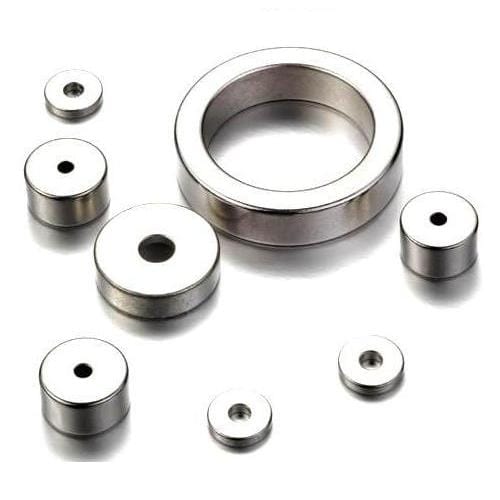
The center hole is not just for looks. It allows screws, bolts, or rods to pass through, making these magnets easy to mount onto surfaces without adhesives. This design makes them far more versatile than standard disc magnets.
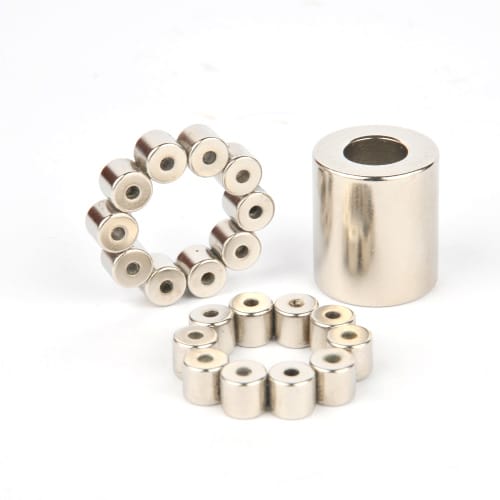
They come in a wide range of sizes — from tiny 5mm rings used in electronics to large 80mm rings used in industrial equipment. Despite their hollow shape, these magnets deliver impressive holding force relative to their size, making them a top choice for engineers, hobbyists, and manufacturers alike.
3 Key Specifications of the Ring Neodymium Magnet
Before purchasing or using these magnets, it helps to understand their core specs. Here are the three most important:
1. Dimensions (Outer Diameter × Inner Diameter × Height) These magnets are defined by three measurements: outer diameter (OD), inner diameter (ID), and thickness (height). For example, a 20mm × 5mm × 3mm ring has a 20mm outer edge, a 5mm hole, and is 3mm thick. Choosing the right size depends on your application and available space.
2. Grade (N-Rating) The grade indicates magnetic strength. Grades range from N35 to N52. A higher number means a stronger magnetic field. For most everyday uses, N42 offers a great balance of strength and affordability. High-performance industrial applications often require N50 or N52.
3. Coating Type Because neodymium is prone to corrosion, these magnets are always coated. The most common coating is nickel-copper-nickel (Ni-Cu-Ni), which gives a shiny silver finish and strong corrosion resistance. Other options include zinc, epoxy (black), and gold coating — each suited to different environments and aesthetic needs.
How to Produce the Ring Neodymium Magnet (Step by Step)
Manufacturing these magnets is a highly controlled process that requires precision at every stage. Here is how it is done:
Step 1: Raw Material Sourcing High-purity neodymium, iron, and boron are carefully selected and weighed. The exact ratio of each element determines the final magnetic performance. Even small impurities can reduce the magnet’s strength.
Step 2: Vacuum Melting and Casting The raw materials are melted together inside a vacuum induction furnace. The vacuum environment prevents oxidation. The molten alloy is then cast into ingots or strip-cast into thin flakes for easier processing.
Step 3: Hydrogen Decrepitation and Jet Milling The alloy is exposed to hydrogen gas, which causes it to break apart into coarse powder. This powder is then fed into a jet mill, which grinds it into ultra-fine particles — typically 3 to 5 microns in size. Finer powder produces a more uniform and powerful magnet.
Step 4: Magnetic Field Pressing The fine powder is poured into a ring-shaped mold and compressed under a strong external magnetic field. This field aligns all the powder particles in the same magnetic direction — a critical step that gives ring neodymium magnets their high energy density.
Step 5: Sintering The pressed ring shapes are placed in a sintering furnace and heated to around 1,000–1,100°C in a vacuum or inert gas atmosphere. This process bonds the particles into a solid, dense magnet without fully melting the material.
Step 6: Machining and Grinding Sintered magnets are hard but brittle. Diamond-tipped grinding wheels cut and shape them to precise dimensions. The center hole is drilled or ground at this stage to achieve the exact inner diameter required.
Step 7: Quality Inspection Each batch is measured for dimensions, weight, and magnetic flux output. Any magnets that fall outside tolerance are rejected. This ensures consistent performance across all units.
Step 8: Surface Coating To protect against rust and physical wear, the magnets go through an electroplating or spray-coating process. Nickel coating is applied in most cases, but other finishes are available based on customer requirements.
Step 9: Magnetizing Finally, the coated rings are placed inside a magnetizing fixture and exposed to a high-voltage pulse. This permanently aligns the magnetic domains and activates the magnet’s full strength.
Important Notices When Using the Ring Neodymium Magnet
Using the ring neodymium magnet safely and correctly will help you get the best results and avoid accidents. Keep the following points in mind:
- Handle with care. These magnets are brittle and can crack or chip if dropped or snapped together too quickly. Always handle them slowly and use protective gloves with larger sizes.
- Keep away from sensitive electronics. The strong magnetic field can damage hard drives, credit cards, hearing aids, and other electronic devices. Store and use them at a safe distance.
- Watch the temperature. Standard grades begin to lose magnetism above 80°C (176°F). If your application involves heat, choose a high-temperature grade such as SH, UH, or EH.
- Not safe for children. Small versions are a serious choking hazard. If multiple magnets are swallowed, they can attract through intestinal walls and cause life-threatening injuries.
- Avoid strong opposing magnetic fields. Placing them near a stronger opposing magnet for extended periods can cause gradual or sudden demagnetization.
- Store properly. Keep them in a cool, dry place. Store with keeper plates or separators to prevent accidental snapping and chipping during storage.
Frequently Asked Questions (FAQ)
Q1: What is the center hole in a ring neodymium magnet used for?
The hole serves both functional and structural purposes. It allows a screw, bolt, or shaft to pass through the center, making it easy to mount the magnet onto a surface without glue or brackets. This is especially useful in speakers, sensors, motors, and custom fixtures where a secure, repositionable mount is needed.
Q2: Can the ring neodymium magnet be used outdoors?
Yes, but you need to choose the right coating. Standard nickel-coated versions offer moderate corrosion resistance and are fine for occasional outdoor use. For long-term outdoor or wet environments, epoxy-coated or heavy zinc-coated options provide better protection. Always check the coating specification before use in humid or saltwater conditions.
Q3: How do I choose the right size of ring neodymium magnet for my project?
Start by measuring the space where the magnet will be installed, including the diameter of any screw or rod that needs to pass through the hole. Then consider the required holding force — larger and thicker rings generally offer greater pull strength. If you are unsure, manufacturers often provide pull-force tables to help match the magnet size to your load requirements.
Conclusion
Ring neodymium magnets combine the raw power of rare-earth magnetism with a practical, mountable design. From electronics and medical devices to industrial machinery and creative DIY builds, their applications are nearly endless. By understanding their specifications, production process, and safety notices, you can confidently choose and use the right magnet for any project.