Moving heavy steel plates and beams by hand is dangerous, slow, and exhausting work. A permanent lifting magnet transforms this task into a safe, one-person operation without any power source. This guide explains how these tools work and how to use them effectively.
What is a Permanent Lifting Magnet
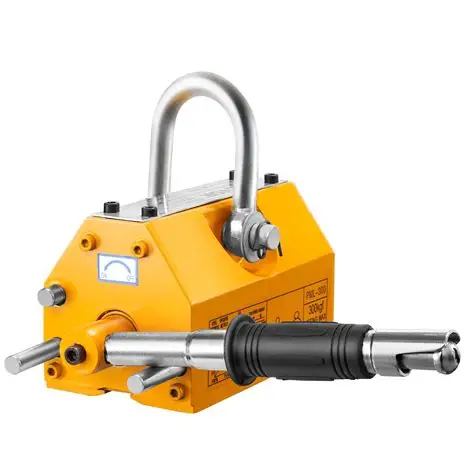
A permanent lifting magnet is a manual material handling tool that uses powerful permanent magnets to grip and lift ferromagnetic loads. The device contains neodymium or ferrite magnets arranged inside a steel housing with a lever-operated mechanism. The operator places the magnet on the load, engages the lever to activate the magnetic circuit, and lifts the load using an attached handle or crane hook.
The key advantage is that a permanent lifting magnet requires no electricity, batteries, or external power. The magnetic field is always present within the device. The lever simply redirects the magnetic flux. In the on position, the flux flows through the bottom face into the load. In the off position, the flux circulates internally, releasing the load instantly. These tools lift loads ranging from 50 pounds to over 10,000 pounds. They are essential equipment in fabrication shops, warehouses, steel service centers, and construction sites.
How a Permanent Lifting Magnet Works
Understanding the internal mechanism helps you use a permanent lifting magnet safely and appreciate its engineering. The device operates on the principle of magnetic circuit switching.
Inside the steel housing, powerful permanent magnets are arranged in a specific configuration. These magnets generate a constant magnetic field. The clever part is the lever mechanism connected to an internal rotor or sliding magnet assembly. When you move the lever to the on position, the internal magnets align with pole pieces that conduct the magnetic flux to the bottom face of the tool. The flux flows into the steel load, completing a magnetic circuit that grips the load tightly.
Moving the lever to the off position changes the internal alignment. The magnets rotate or shift so that the magnetic flux now circulates entirely within the steel housing. A short circuit path inside the tool conducts the flux from the north pole directly to the south pole without passing through the bottom face. No flux reaches the load, so the grip releases instantly. This is why a permanent lifting magnet needs no power. The magnetic field already exists. The lever simply controls where it flows.
The steel housing serves multiple functions. It provides the internal flux path for the off position. It protects the brittle magnet material from impact damage. It focuses the magnetic field onto the bottom contact face for maximum lifting capacity. The housing also provides attachment points for handles or crane hooks. Quality manufacturers design the housing with adequate safety factors to handle the rated load repeatedly without fatigue.
Air gap sensitivity is a critical factor in operation. A permanent lifting magnet achieves its rated capacity only when the bottom face makes full, direct contact with a clean, smooth, flat steel surface. Paint, rust, scale, dirt, or even paper creates an air gap. Magnetic flux drops exponentially across air gaps. A gap of just 0.5 millimeters can reduce the lifting force by 50 percent or more. Always clean both the magnet face and the load surface before each lift.
Safety Guidelines When Using a Permanent Lifting Magnet
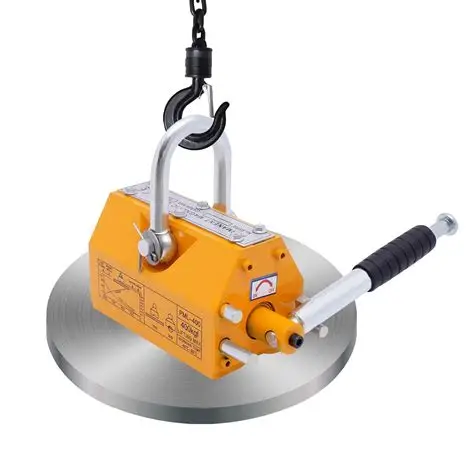
Safety must always be the top priority when handling heavy loads. Following these guidelines prevents accidents when using a permanent lifting magnet.
Always inspect the tool before each use. Check the lever mechanism for smooth operation. Verify that it locks securely in the on position. Examine the bottom contact face for damage, cracks, or excessive wear. A damaged magnet may not achieve its rated capacity. Remove any permanent lifting magnet showing signs of damage from service immediately.
Test the grip before committing to a full lift. Place the magnet on the load and engage the lever. Attempt a slight lift of a few centimeters. Observe whether the load shifts or the magnet begins to slide. If the grip seems uncertain, lower the load and investigate. Clean the surfaces again. Check for paint or coating thickness on the load. Never proceed with a full lift until you are confident in the grip.
Center the magnet on the load correctly. The rated lifting capacity assumes the load is balanced and the magnet is positioned at the center of gravity. Off-center lifting reduces effective capacity and can cause the load to tilt, swing, or slip. For long plates or beams, use multiple permanent lifting magnets positioned symmetrically to distribute the weight evenly.
Never lift over people or body parts. Despite their reliability, magnetic tools can release unexpectedly if the load shifts or surface condition changes. Always keep your feet, hands, and body clear of the load path. Use toe protection and heavy-duty gloves as additional safeguards. Establish clear communication with coworkers when moving loads through shared spaces.
Do not use a standard permanent lifting magnet for overhead crane lifting unless specifically rated for that purpose. Manual lifting magnets are designed for material handling, not suspended lifting over personnel. Overhead lifting requires specialized magnetic lifters with higher safety factors and redundant holding mechanisms. Check the manufacturer’s rating before using any permanent lifting magnet in a crane application.
Applications Across Different Industries
The versatility of a permanent lifting magnet makes it valuable in many settings. Understanding these applications helps you appreciate the tool’s capabilities.
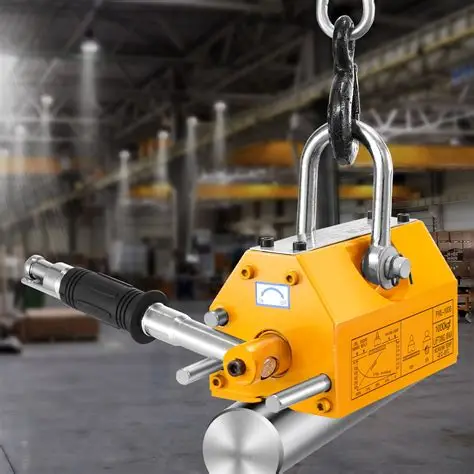
Fabrication shops use permanent lifting magnets throughout the production process. Workers lift steel plates onto laser or plasma cutting tables. They position parts for welding and move finished fabrications to storage. The quick grip and release action speeds workflow dramatically compared to clamping or chaining. One worker with a permanent lifting magnet can handle materials that would otherwise require a team or a forklift.
Steel service centers and warehouses rely on these tools for inventory management. Staff use permanent lifting magnets to move steel bars, pipes, and sheets from storage racks to order fulfillment areas. The manual tools complement overhead crane operations for individual piece handling. They reduce the risk of hand injuries from sharp edges and burrs on steel products.
Machine shops use compact models for loading and unloading parts from CNC machines. The magnet holds the workpiece securely while the operator positions it in the fixture. After machining, the magnet retrieves the finished part without touching hot or sharp edges. This speeds production and improves operator safety significantly.
Construction sites benefit from these tools for positioning steel beams and structural members. Ironworkers use a permanent lifting magnet to maneuver beams into position before bolting or welding. The instant grip and release allows precise positioning without complex rigging.
Maintenance and repair operations use these tools for removing and installing heavy steel components. A permanent lifting magnet handles machine guards, access panels, and equipment covers that would otherwise require multiple workers or lifting equipment.
FAQ: Your Permanent Lifting Magnet Questions Answered
1. Can a permanent lifting magnet lift stainless steel?
Most stainless steel grades are non-magnetic. Austenitic stainless steels like 304 and 316 cannot be lifted. Ferritic and martensitic stainless steels like 430 and 410 are magnetic and can be lifted. Always test the specific material with a small magnet before attempting a lift. If a regular magnet does not stick firmly, a permanent lifting magnet will not work safely.
2. How do I maintain a permanent lifting magnet for long service life?
Keep the bottom contact face clean and free from debris. Wipe the surface after each use. Store the tool in a dry location to prevent corrosion. Periodically check the lever mechanism and lubricate pivot points if recommended by the manufacturer. Never strike the magnet with a hammer or use it as a hammer. Impact can crack the internal magnets and reduce lifting capacity permanently.
3. What happens if the load surface has paint or coating?
Paint creates an air gap that reduces lifting capacity significantly. The rated capacity of a permanent lifting magnet assumes direct contact with clean, bare steel. For painted surfaces, derate the capacity by 50 percent or more depending on coating thickness. Always test the grip before attempting a full lift. If possible, remove paint from the contact area to restore full capacity.
Conclusion
A permanent lifting magnet is an indispensable tool for anyone who regularly moves steel materials. It provides powerful, reliable gripping without electricity or complex setup. The simple lever mechanism switches the magnetic field on and off instantly. Understanding how the tool works and following proper safety procedures ensures years of safe, efficient operation. Whether in a fabrication shop, warehouse, construction site, or maintenance facility, a permanent lifting magnet transforms challenging material handling into a simple, one-person task.
7 Tips to Find Quality Neodymium Iron Boron Magnets for Sale Online