Introduction
From speakers to electric motors, permanent magnets are everywhere. Unlike temporary versions, they retain their field without power. This article explores how they work and why they matter.
What Are Permanent Magnets?
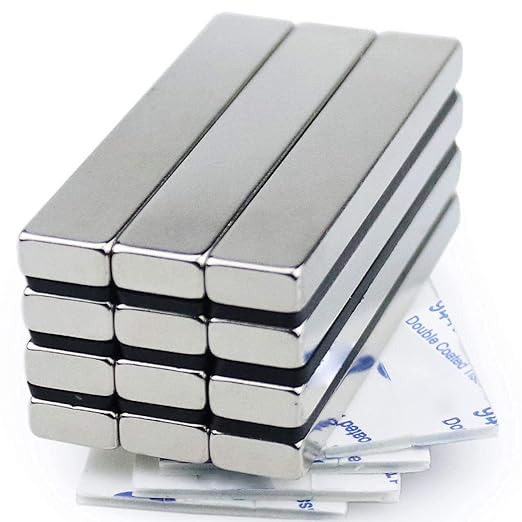
These are objects that produce a persistent magnetic field from their internal structure. Made from neodymium, ferrite, or alnico, they require no electricity. Atoms inside these materials align in the same direction, creating a north and south pole. This alignment remains stable under normal conditions. Common examples include refrigerator magnets and compass needles. Because they never lose their field unless damaged or overheated, permanent magnets offer a reliable, energy-free solution for countless devices.
3 Differences Between Permanent Magnets and Electromagnets
Understanding the distinction helps you choose the right solution. Here are three key differences:
- Power Source: Permanent magnets generate a field without any electricity. Electromagnets need a continuous electric current. Cut the power, and the electromagnet stops working.
- Adjustability: The magnetic strength of permanent magnets is fixed and cannot be changed. In contrast, electromagnets allow you to adjust their strength by increasing or decreasing the current. This makes electromagnets ideal for cranes and relays.
- Heat Sensitivity: Most permanent magnets lose their magnetism permanently if exposed to high temperatures above their maximum operating range (e.g., 80°C for standard neodymium). Electromagnets do not suffer from thermal demagnetization, though heat can affect their conductor resistance.
Types of Permanent Magnets
Four main types dominate the market, each with a unique chemical composition, manufacturing process, and performance profile. Choosing the right one directly impacts your project’s cost, efficiency, and lifespan.
1. Neodymium (NdFeB) – The strongest commercially available magnets. They are made from an alloy of neodymium, iron, and boron. Their energy product (BHmax) ranges from 30 to 52 MGOe, far exceeding all other types. However, they are highly susceptible to corrosion and require protective coatings like nickel or epoxy. Standard grades operate up to 80°C, while special high-temperature grades (e.g., N35UH) can reach 180°C. You will find them in electric vehicle motors, hard disk drives, and cordless power tools.
2. Ferrite (Ceramic) – The most cost-effective option. These magnets consist of strontium or barium ferrite. They are incredibly resistant to corrosion and demagnetization, making them ideal for humid or chemically exposed environments. Their maximum operating temperature reaches 250°C, but their magnetic strength is only about one-tenth that of neodymium. Common applications include refrigerator seals, DC motors for automotive wipers, and magnetic separators.
3. Samarium Cobalt (SmCo) – The premium choice for extreme conditions. These magnets offer outstanding temperature stability, operating reliably from -270°C up to 350°C. They are also highly resistant to oxidation without requiring coating. The downside is cost—samarium and cobalt are expensive raw materials, and machining is difficult due to brittleness. Aerospace actuators, high-performance turbomachinery, and space-rated sensors rely heavily on SmCo magnets.
4. Alnico – The original high-performance magnet, invented in the 1930s. Composed of aluminum, nickel, and cobalt, these magnets tolerate temperatures up to 550°C, hotter than any other type. They are electrically conductive and mechanically robust. However, they are easily demagnetized by stray fields and have low coercivity. You will still find alnico in electric guitar pickups, vintage automotive speedometers, and sensitive magnetometers.
5 Applications of Permanent Magnets
From household items to industrial machinery, permanent magnets power many innovations. Here are five common uses:
- Electric Motors: This is the single largest market for permanent magnets. In a permanent magnet synchronous motor (PMSM), magnets are attached to or embedded within the rotor. As the stator creates a rotating electromagnetic field, the fixed magnetic field from the rotor magnets locks into and spins at the same frequency. This design eliminates the need for slip rings or brushes, reducing maintenance and improving efficiency up to 96%. Neodymium magnets are preferred because their high energy density allows motor manufacturers to produce smaller, lighter units without sacrificing torque. Electric vehicles like Tesla and the Toyota Prius rely heavily on this technology. Even small appliances such as drones, cooling fans, and cordless drills use brushless DC motors (BLDC) powered by permanent magnets. Without these components, modern motion control would be far less efficient and much bulkier.
- Magnetic Separation: Recycling facilities use magnets to remove ferrous metals from waste streams. Overhead pulleys and drum separators protect equipment and recover valuable materials.
- Magnetic Resonance Imaging (MRI): While many MRI machines use superconducting electromagnets, some low-field open MRI systems employ magnets to generate the main field, reducing costs and maintenance.
- Sensors and Reed Switches: magnets activate reed switches in security systems, door sensors, and automotive speed detectors. When one moves close to the switch, it closes or opens an electrical circuit.
- Loudspeakers and Headphones: Inside every dynamic speaker, a magnet sits at the center while a voice coil moves relative to it. This vibration creates sound waves, turning electrical signals into music.
FAQ
1.Do permanent magnets ever lose their magnetism?
Answers:Yes, over time or under certain conditions. Strong impacts, high temperatures (above their rated maximum), or exposure to opposing fields can demagnetize them. However, under normal use, high-quality permanent magnets lose less than 1% of their strength over a century.
2.Can you make permanent magnets stronger?
Answers:No, you cannot permanently increase their strength beyond the original magnetization. You can temporarily enhance the pull by adding a keeper or stacking them, but the intrinsic field remains fixed. To get a stronger field, you need to purchase a higher-grade product.
3.Are permanent magnets safe for all electronics?
Answers:No. Strong magnets can erase credit cards, damage hard drives, and interfere with pacemakers. Keep neodymium types at least 10 cm away from sensitive electronics and medical implants. Always handle large versions with gloves to avoid pinching injuries.
Conclusion
Permanent magnets offer a simple, energy-free way to generate magnetic fields. From neodymium in electric vehicles to ferrite in speakers, they enable modern technology to be efficient and compact. Understanding their types, differences from electromagnets, and real-world applications helps you choose the right tool for your project. Whether you are an engineer or a hobbyist, these versatile tools will remain essential for years to come.