Introduction
Whether you are a DIY enthusiast, engineer, or curious beginner, strong magnets play a bigger role in everyday life than most people realize. This guide covers everything you need to know — from what they are to how they are used.
What Are Strong Magnets?
These are magnets that produce a significantly higher magnetic force compared to regular magnets. They are made from special materials that allow them to attract metal objects, hold heavy loads, and generate powerful magnetic fields across a wide area.
The most common type is the neodymium magnet, made from an alloy of neodymium, iron, and boron (NdFeB). These are the strongest type of permanent magnet commercially available today. They were first developed in the 1980s and quickly replaced older magnet technologies in most applications.
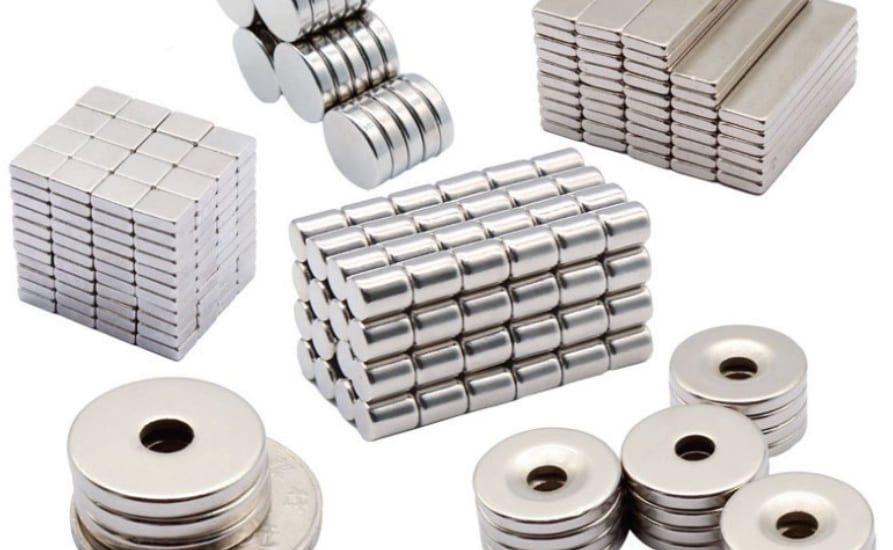
Unlike weak refrigerator magnets, these powerful devices can lift objects many times their own weight. They also maintain their magnetic properties for decades without losing performance. This makes them extremely valuable in industrial, medical, and consumer applications around the world.
3 Key Specifications of Strong Magnets
Understanding the specs of strong magnets helps you choose the right one for your needs. Here are the three most important:
1. Grade (N-Rating)
The grade of a neodymium magnet is indicated by a number after the letter “N,” such as N35, N42, or N52. The higher the number, the more powerful the magnet. N52 is currently the highest commercially available grade.
2. Pull Force
Pull force is the amount of weight a magnet can hold directly against a flat steel surface. It is usually measured in pounds or kilograms. For example, a small N52 coin-sized magnet can hold over 20 lbs (9 kg).
3. Gauss Rating
Gauss measures the density of the magnetic field on the surface of the magnet. A higher Gauss rating means the field is more concentrated and more useful for applications that require precision, such as sensors or scientific instruments. These magnets typically range from 3,000 to over 14,000 Gauss on their surface, depending on grade, size, and shape. Disc-shaped magnets tend to have a higher surface Gauss than block magnets of the same grade.
5 Powerful Facts About nd Magnets
Types of Strong Magnets
There are several powerful magnet types available on the market. Here is a quick overview:
| Type | Material | Strength Level | Common Use |
|---|---|---|---|
| Neodymium (NdFeB) | Neodymium, Iron, Boron | Very High | Electronics, motors, lifting |
| Samarium Cobalt (SmCo) | Samarium, Cobalt | High | Aerospace, high-temp environments |
| Alnico | Aluminum, Nickel, Cobalt | Medium | Guitar pickups, sensors |
| Ceramic (Ferrite) | Iron Oxide, Barium/Strontium | Low–Medium | Refrigerator magnets, speakers |
| Electromagnets | Iron core + wire coil | Variable | MRI machines, cranes |
Neodymium is by far the most popular type due to its exceptional power-to-size ratio. Samarium cobalt is preferred when heat resistance is needed, as neodymium loses its pull above 80°C.
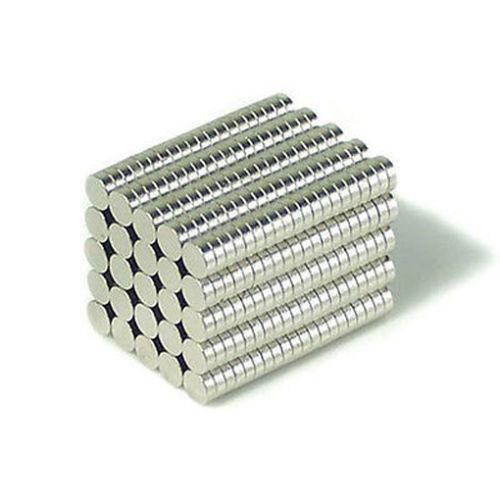
Applications of Strong Magnets
They are used across a surprisingly wide range of industries and everyday products. Here are the most common applications:
Electronics and Technology
Nearly every electronic device relies on powerful magnets. Hard drives, headphones, speakers, and smartphones all depend on them to function. The vibration motor in your phone uses a tiny but mighty one. Even the charging cables of some devices use magnetic alignment technology to make connecting easy and reliable.
Electric Motors and Generators
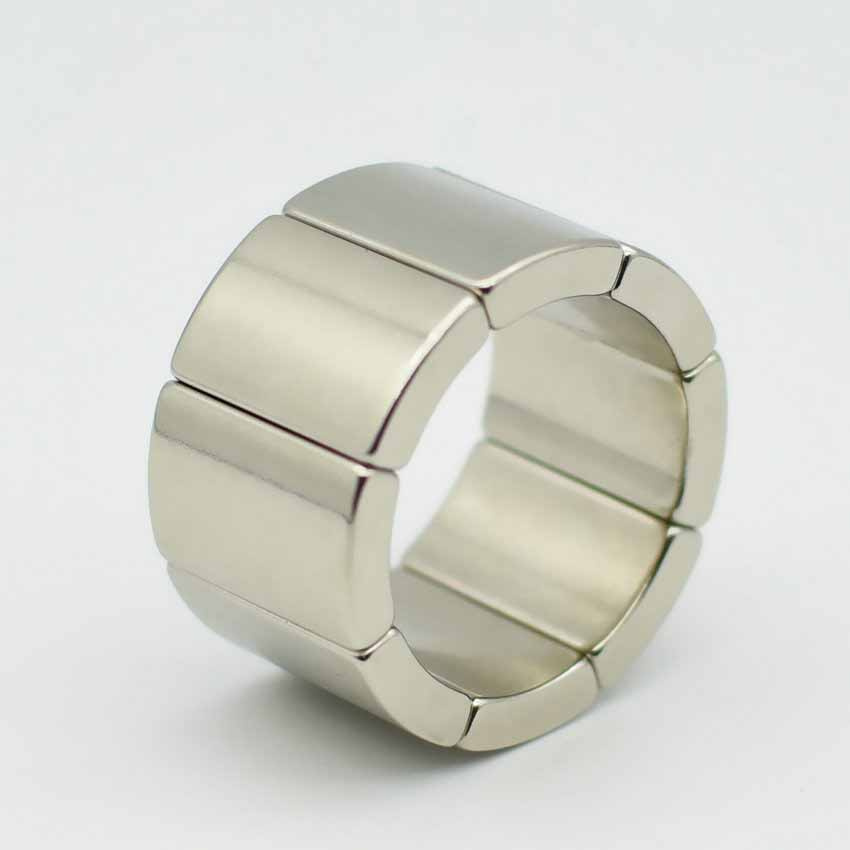
Electric cars, wind turbines, and industrial motors depend on powerful magnets to convert electrical energy to mechanical energy (and vice versa). Tesla and other EV manufacturers use large neodymium versions in their drive systems.
Medical Equipment
MRI (Magnetic Resonance Imaging) machines use extremely powerful magnetic fields — often superconducting electromagnets — to produce detailed images of the human body. High-powered magnets are also found in hearing aids and certain surgical tools.
Magnetic Fishing and Treasure Hunting
A growing hobby called magnet fishing uses powerful retrieving magnets attached to a rope to pull metal objects from rivers, lakes, and canals. Hobbyists have found everything from coins and jewelry to bicycles.
Industrial Lifting and Sorting
Factories use large lifting magnets to move heavy metal sheets, sort scrap metal, and separate ferrous materials from non-ferrous ones during recycling. Magnetic separators are a key part of food processing lines, where they remove tiny metal fragments before products are packaged. This protects both consumers and machinery from contamination damage.
DIY and Home Use
At home, powerful magnets are used for organizing tools, mounting objects without nails, building custom closures, and holding cabinet doors shut. They are popular in woodworking and furniture making. Craft enthusiasts also use small disc magnets to create snap-close jewelry clasps, hidden closures for bags, and decorative magnetic frames. Their versatility makes them a go-to solution for anyone who enjoys hands-on projects.
FAQ
Q1: Are strong magnets dangerous?
Yes, they can be if not handled carefully. These powerful magnets can snap together with tremendous force and pinch skin or break fingers. They should be kept away from children, pacemakers, and electronic devices. Always store them with safety spacers.
Q2: Can strong magnets lose their strength over time?
Yes, but very slowly under normal conditions. Neodymium magnets can lose about 1% of their magnetism every 10 years. However, heat, opposing magnetic fields, or physical damage can cause faster demagnetization.
Q3: What is the difference between permanent and temporary strong magnets?
Permanent strong magnets (like neodymium) keep their magnetic field without any power source. Temporary magnets only become magnetic when exposed to an external field. Electromagnets are a type of temporary magnet — they require electricity to generate a field and can be switched on and off.
Q4: Can strong magnets affect credit cards or electronic devices?
Yes. The magnetic stripe on credit cards, hotel key cards, and ID badges can be erased by exposure to a powerful magnet. Hard drives, hearing aids, and older mechanical watches can also be damaged. Always keep high-powered magnets at least a few inches away from any magnetic storage media or sensitive electronics.
Q5: What is the best way to store strong magnets safely?
Store them in a cool, dry place away from heat sources. Keep them separated using non-magnetic spacers — plastic, wood, or foam dividers work well. Label the poles so you know their orientation before handling. For larger magnets, use padded cases or dedicated storage racks to prevent them from snapping together and causing injury or chipping.
Conclusion
From tiny electronics to massive industrial machines, strong magnets are everywhere. Understanding their types, specs, and applications helps you make smarter choices — whether you are buying your first set or specifying components for a professional project.
The key takeaway is simple: not all magnets are created equal. Choosing the right grade, size, and type for your task will save you time, money, and frustration. Always handle them with care, store them safely, and keep them away from sensitive electronics.
As technology advances, the demand for even more efficient and powerful magnetic solutions will only grow. These remarkable devices will remain at the heart of innovation for years to come.