Ring magnets are donut-shaped permanent magnets with a hole in the center. They pack impressive magnetic strength into a compact circular form. Their unique shape opens doors to countless practical uses. This guide explores everything you need to know about these versatile magnetic components.
What is Ring Magnets
Ring magnets are permanent magnets shaped like a flat donut or washer, with a circular outer diameter and a hollow center hole. The central opening distinguishes them from disc magnets and allows them to be mounted, stacked, or threaded onto rods and shafts. This simple design feature makes ring magnets incredibly versatile for fastening, alignment, and sensor applications.
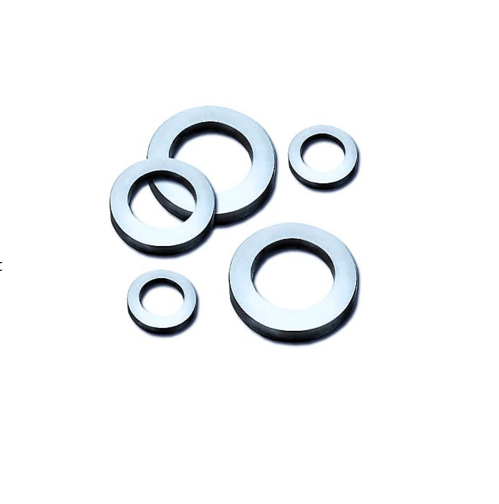
The most common materials for ring magnets are neodymium, ferrite ceramic, and samarium cobalt. Neodymium ring magnets offer the strongest magnetic force in the smallest size, making them ideal for compact designs. Ferrite magnets provide good corrosion resistance at a lower cost. Samarium cobalt versions excel in high-temperature environments where other materials would lose strength. The hole diameter, outer diameter, and thickness can all be customized to meet specific engineering requirements.
4 Specifications of Ring Magnets
Understanding these four critical specifications ensures you select the right magnets for your project. Each parameter affects performance in specific ways.
1. Magnetization Direction
This is the most important specification and the easiest to overlook. Ring magnets can be magnetized axially or diametrically. Axial magnetization means the north and south poles are on the flat circular faces. This is the most common type and is ideal for holding and mounting. Diametric magnetization places the poles on opposite sides of the curved wall. This orientation is essential for motors, sensors, and applications requiring rotational magnetic fields. Always check the magnetization direction diagram before ordering magnets.
2. Pull Force and Holding Power
The pull force rating tells you how much weight the magnet can hold under ideal conditions. For magnets, the pull force depends on the surface area of the flat faces. A larger outer diameter provides more contact area and higher holding power. However, the center hole slightly reduces the available magnetic material compared to a solid disc of the same size. When calculating holding requirements, account for any air gaps created by coatings, mounting hardware, or non-magnetic spacers between the ring magnets and the steel surface.
3. Operating Temperature Range
Every magnet material has a maximum working temperature beyond which permanent strength loss occurs. Standard neodymium magnets typically withstand temperatures up to 80 degrees Celsius before losing magnetic performance. High-temperature neodymium grades with suffixes like M, H, or SH extend this range to 100, 120, or 150 degrees Celsius respectively. Ferrite magnets handle up to 250 degrees Celsius but offer lower strength. Samarium cobalt ring magnets operate reliably above 300 degrees Celsius for demanding aerospace and industrial applications.
4. Coating and Corrosion Protection
Bare neodymium material oxidizes rapidly when exposed to air and moisture. A ring magnet made from neodymium require protective coatings to prevent rust and degradation. The standard nickel-copper-nickel coating provides a shiny silver finish suitable for indoor use. Epoxy coatings offer better moisture resistance for outdoor applications. Gold plating provides biocompatibility for medical devices. For magnets used in visible consumer products, the coating also affects the aesthetic appearance, so consider both protection and presentation when selecting.
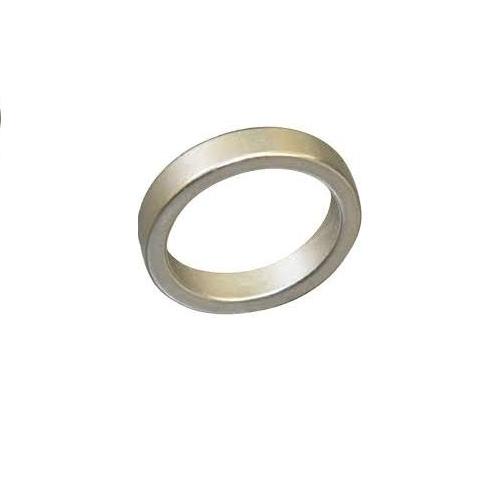
Applications of Ring Magnets
The donut shape of magnets enables applications that solid discs or bars cannot achieve. Their versatility spans consumer products, industrial equipment, and advanced technology.
In medical devices, magnets play a critical role in magnetic therapy products and diagnostic equipment. They appear in magnetic bracelets and therapeutic wraps where the center hole allows threading onto elastic cords. MRI-compatible surgical instruments use carefully shielded magnets for positioning and alignment. The biocompatible coatings available for these magnets ensure patient safety during medical procedures.
Consumer electronics incorporate magnets in numerous ways. Smartphone speakers and vibration motors use tiny ring magnets to generate sound and haptic feedback. Wireless charging coils often surround a central ring magnet that aligns the charger with the device. Earbud drivers rely on precisely sized magnets to produce clear, distortion-free audio. The compact size and strong field make them indispensable for miniaturized electronics.
The automotive industry depends on magnets for sensor and actuator applications. Anti-lock brake sensors use ring magnets to detect wheel speed accurately. Electric power steering systems employ ring magnets in torque sensors that translate driver input into steering assist. Transmission speed sensors and crankshaft position sensors use these magnets to provide reliable data to engine control units under harsh conditions.
Industrial automation and manufacturing equipment use magnets for holding, lifting, and positioning. Magnetic separators filter ferrous particles from material streams using arrays of magnets arranged around a central shaft. Conveyor systems use magnets in pulleys to hold metal parts during transport. Robotic grippers incorporate magnets for handling steel components without mechanical clamping, reducing part damage.
Household and consumer products benefit from magnets in everyday items. Shower curtain weights use ceramic ring magnets to hold curtains in place against steel tubs. Cabinet door catches employ magnets for quiet, secure closure. Crafters and DIY enthusiasts use magnets for jewelry clasps, photo displays, and organizational projects. The center hole simplifies attachment with screws, thread, or adhesive.
Renewable energy systems increasingly use magnets in generator designs. Small wind turbines and hydroelectric generators employ ring magnets arranged around a rotor to produce electricity as they pass copper coils. The ring shape allows mounting directly onto a central shaft, simplifying assembly and ensuring precise alignment. These applications require high-temperature grades that withstand continuous operation without performance degradation.
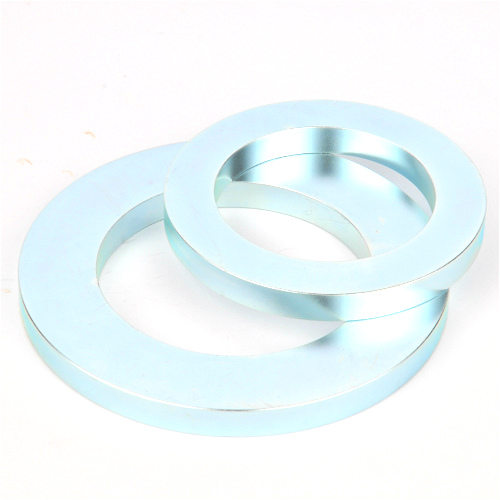
How Ring Magnets Work for Loudspeakers
Loudspeakers represent one of the most sophisticated applications of ring magnets. Understanding this mechanism reveals why the ring shape is essential for accurate sound reproduction.
The core of a loudspeaker driver contains a ring magnet positioned behind the speaker cone. This magnet creates a strong, constant magnetic field in a narrow circular gap. A voice coil, consisting of thin copper wire wound around a cylindrical former, sits precisely within this gap. The ring shape is critical because it provides a uniform radial magnetic field around the entire circumference of the voice coil.
When an audio signal flows through the voice coil, it creates an electromagnetic field that interacts with the field from the permanent ring magnet. The interaction produces a force that moves the voice coil and attached speaker cone forward and backward. This motion creates the sound waves we hear. The uniformity of the magnetic field from the ring magnet ensures the cone moves linearly, reproducing sound accurately without distortion.
The center hole in the ring magnet serves an essential purpose in loudspeaker design. It allows the voice coil former to pass through freely without touching the magnet walls. It also provides a path for air movement behind the dust cap, preventing pressure buildup that would restrict cone motion. Some high-end speaker designs use a center pole piece that extends through the ring magnet hole, concentrating the magnetic flux into the voice coil gap for greater efficiency.
Different loudspeaker designs use different sizes of magnets depending on the frequency range. Tweeters producing high frequencies use small, lightweight ring magnets for quick response. Woofers generating deep bass require large, powerful ring magnets to control the heavy cone movement. Professional audio systems often use neodymium magnets because their high strength-to-weight ratio allows powerful, compact drivers that reduce overall speaker cabinet weight.
FAQ: Your Ring Magnets Questions Answered
1. Can ring magnets be drilled or machined to modify the hole size?
No, ring magnets should never be drilled or machined. Neodymium and ferrite magnets are brittle, sintered materials that will shatter if drilled. The heat generated during machining demagnetizes the material instantly. Additionally, the drilling dust from neodymium magnets is flammable and poses a fire hazard. If you need a specific hole size, order magnets manufactured to your exact specifications from the supplier.
2. How do I determine the correct magnetization direction for my application?
Consider how the magnetic field needs to interact with other components. If the ring magnet will hold objects against a flat surface, choose axial magnetization so the poles are on the flat faces. If the magnet rotates or needs a field on the curved sides, choose diametric magnetization. Sensor applications typically require diametric magnetization. When in doubt, consult the supplier’s engineering team with a description of your application. They can recommend the correct magnetization direction for your ring magnets.
3. Why do ring magnets sometimes crack or chip during use?
Cracking usually results from mechanical shock. When ring magnets snap together or against a steel surface, the impact can fracture the brittle material. The center hole creates stress concentration points that make ring magnets more susceptible to cracking than solid discs. To prevent damage, always place ring magnets gently into position rather than letting them snap from a distance. Use non-magnetic spacers between stacked magnets. If your application involves vibration or impact, consider rubber-coated ring magnets that absorb shock.
Conclusion
Ring magnets combine a brilliantly simple shape with remarkable functional versatility. Their defining center hole transforms them from simple holding devices into precision components for sensors, speakers, motors, and medical instruments. By understanding the four critical specifications of magnetization direction, pull force, temperature range, and coating, you can select the perfect ring magnets for any project. From the tiny driver in your earbud to the massive generator in a wind turbine, ring magnets prove that sometimes the most useful innovations come from a simple hole in the center.