Tiny yet incredibly powerful, a super magnet can hold hundreds of times its own weight effortlessly. These rare earth wonders have revolutionized everything from smartphone speakers to electric vehicle motors. This guide will equip you with the knowledge to select, handle, and use these magnets safely and effectively.
What is Super Magnet
A super magnet is the common term for a neodymium-iron-boron permanent magnet, the strongest commercially available magnetic material on the planet. Made from an alloy of neodymium, iron, and boron, these magnets generate magnetic fields that far exceed traditional ferrite or alnico magnets of the same size. A super magnet the size of a coin can lift a heavy toolbox, something unimaginable with ordinary refrigerator magnets.
The secret lies in the crystal structure. The neodymium-iron-boron compound forms a tetragonal crystal with extremely high magnetocrystalline anisotropy. This means the material naturally resists being magnetized in any direction other than its preferred axis. When properly manufactured and magnetized, a super magnet achieves remanence values exceeding 1.4 Tesla. Combined with high intrinsic coercivity, this creates a magnet that stays powerful for decades under normal conditions.
3 Specifications of a Super Magnet
Before purchasing a super magnet, you must understand three critical specifications. These numbers define how the magnet will perform in your specific application.
1. Grade and Maximum Energy Product
The grade is printed directly on the magnet or its packaging, typically appearing as N35, N42, N52, or similar designations. The letter “N” stands for neodymium, and the number represents the maximum energy product in Mega-Gauss-Oersteds. A higher number means a stronger magnet. An N52 super magnet offers the highest commercially available strength, but this power comes with trade-offs. Higher grades are more brittle, more expensive, and more sensitive to heat. For most applications, N42 or N45 grades provide an excellent balance of strength, durability, and cost.
2. Maximum Operating Temperature
Every super magnet loses strength as it heats up, and each grade has a specific maximum working temperature beyond which permanent damage occurs. Standard N-grade magnets begin losing strength above 80 degrees Celsius. If your application involves motors, engines, or sterilizable medical tools, you need high-temperature grades. The suffixes “M”, “H”, “SH”, “UH”, and “EH” indicate progressively higher temperature ratings, with EH grades surviving exposure up to 200 degrees Celsius. Selecting the wrong temperature rating causes irreversible magnetic decay.
3. Coating and Corrosion Protection
Bare neodymium material is highly reactive and oxidizes rapidly in air and moisture. Without proper coating, a super magnet will rust and crumble within weeks in a humid environment. The standard coating is nickel-copper-nickel, providing a shiny silver finish and moderate protection for indoor use. For outdoor or marine environments, epoxy or plastic rubber coatings offer superior moisture resistance. Gold plating provides a biocompatible surface for medical applications. The coating choice directly impacts service life, so match it carefully to your operating conditions.
How to Choose the Right Super Magnet
Selecting the perfect super magnet requires careful analysis of your application requirements. Follow these steps to make an informed decision that avoids costly mistakes.
Step 1: Determine the Required Holding Force
Calculate the exact force needed for your application and then apply a generous safety factor. A super magnet rated for ten pounds of pull force under ideal laboratory conditions will hold far less on a rough, painted, or thin surface. Magnetic pull drops exponentially with distance, so even a thin sheet of paper between the magnet and the steel can halve the holding force. For hanging or securing objects, choose a magnet rated for at least three times the actual weight of the item.
Step 2: Consider the Magnetic Circuit Design
A super magnet works best in a closed magnetic circuit. Simply gluing a magnet to a surface wastes much of its potential. If you are designing a door catch or a mounting system, incorporate a steel cup or backplate. The steel channels the magnetic flux from the back face around to the front, concentrating the field and dramatically increasing the holding force. This design principle transforms a ten-pound magnet into an effective thirty-pound catch without changing the magnet itself.
Step 3: Match the Magnet Shape to the Function
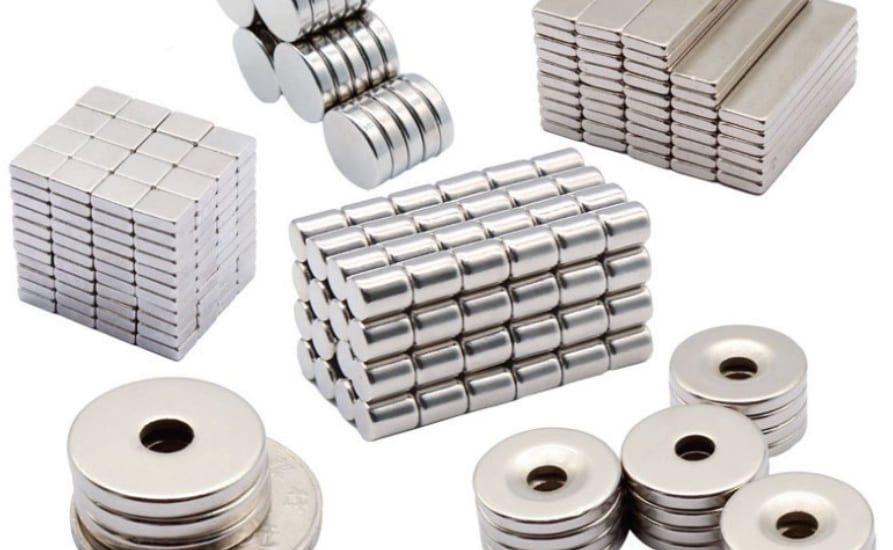
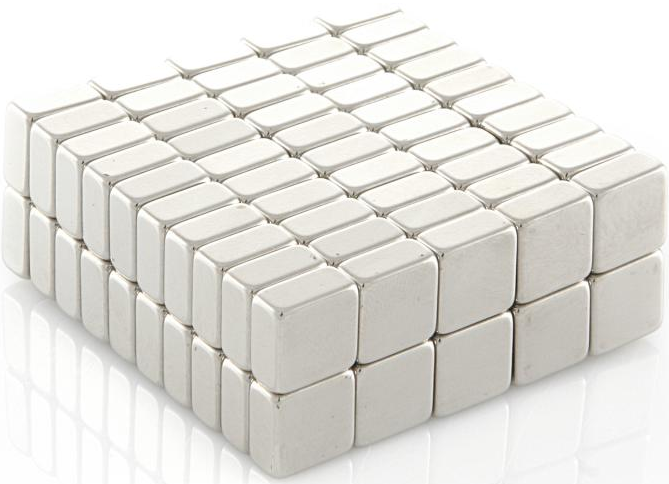
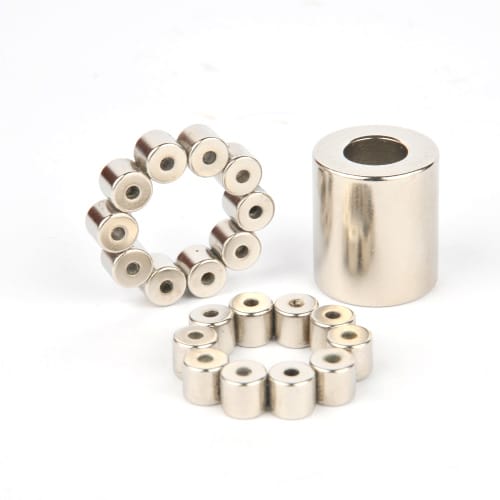
The shape of a super magnet fundamentally affects its magnetic field distribution. Disc magnets concentrate the field on the flat faces, making them ideal for holding flat objects against a steel surface. Bar magnets spread the field along their length, providing better resistance to sliding or shear forces. Ring magnets offer a hole for mounting screws. Arc or segment magnets fit perfectly into the rotor of an electric motor. Choose the shape that aligns the magnetic field direction with the functional force you need.
Step 4: Evaluate the Supplier’s Quality and Authenticity
Counterfeit and mislabeled magnets flood the market, especially from unverified online sellers. A genuine N52 super magnet from a reputable supplier comes with material certification and traceable test data. Ask for a certificate of conformance and, for critical applications, a magnetic test report showing actual Br, Hc, and BHmax values. Professional suppliers invest in quality control and provide consistent, reliable products. Cheap magnets with inflated claims often fail prematurely and may even pose safety risks due to inconsistent strength.
Step 5: Factor in Mechanical Stress and Brittleness
Neodymium magnets are not flexible metal; they are sintered ceramic-like materials. A super magnet under mechanical shock, such as repeated impact from snapping onto a steel surface, will eventually chip or crack. If your application involves vibration or impact, design the housing to support the magnet fully. Consider using rubber-coated magnets or embedding the magnet in a flexible polymer matrix. Planning for mechanical protection during the design phase prevents field failures.
Notices: Critical Safety and Handling Warnings
A super magnet demands respect. Ignoring basic safety precautions can lead to serious injuries, property damage, and expensive losses. Read these notices carefully before handling any strong magnet.
Pinch Injuries and Finger Safety
Large super magnets attract each other with incredible speed and force. If your finger, hand, or any body part gets caught between two attracting magnets, you will suffer a severe pinch injury, blood blister, or even a crushed bone. Always separate strong magnets by sliding them apart sideways on a non-magnetic surface, never by pulling them directly apart. Wear heavy-duty gloves when handling magnets larger than a few centimeters in diameter.
Pacemaker and Medical Device Interference
The powerful magnetic field from a super magnet can disrupt the operation of pacemakers, implantable cardioverter-defibrillators, insulin pumps, and hearing aids. Maintain a safe distance of at least 30 centimeters between any strong magnet and a person with an implanted medical device. The field can force a pacemaker into test mode or stop pacing entirely, creating a life-threatening situation. Always warn visitors and colleagues before displaying or demonstrating powerful magnets.
Electronic Device Damage
While modern solid-state drives are relatively immune to magnetic fields, many other electronic devices are vulnerable. A super magnet placed near a traditional hard disk drive will corrupt or erase data instantly. The magnetic field can also damage the image stabilization mechanisms in smartphone cameras, interfere with aviation compasses, and demagnetize the magnetic strips on credit cards and hotel key cards. Keep strong magnets away from all electronics unless the device is specifically designed for magnetic exposure.
Chipping and Shattering Hazards
When a super magnet chips or shatters, the resulting fragments are razor-sharp and fly apart with high velocity. The impact of a magnet snapping onto a steel surface from a distance can cause it to crack. Always place magnets gently onto metal surfaces using a controlled approach. Store magnets with plastic spacers or non-magnetic dividers between them to prevent accidental slamming. Never drill, saw, or machine a sintered magnet; the dust is flammable, and the magnet will disintegrate.
Swallowing Danger for Children and Pets
If two or more small super magnets are swallowed, they can attract each other through intestinal walls, causing severe internal injuries, tissue death, and life-threatening sepsis. This requires immediate emergency surgery. Never leave loose magnets unattended where children or pets can access them. Count magnets out of storage and count them back in. If a magnet is missing and a child is present, seek medical attention immediately and inform the doctor that neodymium magnets may be involved.
FAQ: Your Super Magnet Questions Answered
1. Can a super magnet really erase my phone’s data?
Modern smartphones use flash storage, which is not affected by magnetic fields. Your photos and apps are safe. However, the super magnet can interfere with the autofocus and optical image stabilization systems in the camera module. The tiny voice coil actuators that move the lens rely on magnetic fields themselves, and an external strong field can permanently misalign them. Keep strong magnets away from your phone’s camera area.
2. How long does a super magnet retain its strength?
Under ideal conditions at room temperature and in a closed magnetic circuit, a neodymium super magnet loses approximately one percent of its flux every ten years. This slow, natural decay is caused by thermal energy gradually flipping some magnetic domains. However, exposure to high heat, strong opposing magnetic fields, or corrosive environments accelerates this loss dramatically. A properly stored super magnet with a keeper bar will outlast the device it powers.
3. What is the difference between N52 and N35 grades?
The number represents the maximum energy product. An N52 super magnet has roughly 20 percent more magnetic output than an N35 magnet of the same size. However, the N52 is significantly more brittle and costs more. For a holding application where space is not limited, using a larger N35 magnet often achieves the same holding force at a lower cost and with greater durability. Reserve N52 for applications where size and weight are critical constraints.
Conclusion
A super magnet is a remarkable engineering material that packs astonishing power into a tiny package. By understanding the critical specifications of grade, temperature rating, and coating, you can select the perfect magnet for any project. Following proper selection steps and respecting essential safety notices ensures you harness this incredible force without injury or damage. When treated with the respect it deserves, a super magnet becomes one of the most versatile and reliable components in your toolbox.