Clutter builds up fast when vertical surfaces remain unused in any home or workshop. Magnetic hooks transform empty steel walls, refrigerators, and filing cabinets into valuable storage real estate instantly. This guide will show you exactly how to select, use, and maximize these versatile organizational tools.
What is Magnetic Hooks
Magnetic hooks are storage accessories that combine a strong permanent magnet base with an integrated hook for hanging objects. The magnetic base attaches firmly to any ferromagnetic surface such as steel doors, refrigerators, metal shelving, or tool cabinets. The hook portion provides a convenient hanging point for keys, utensils, tools, decorations, and countless other items.
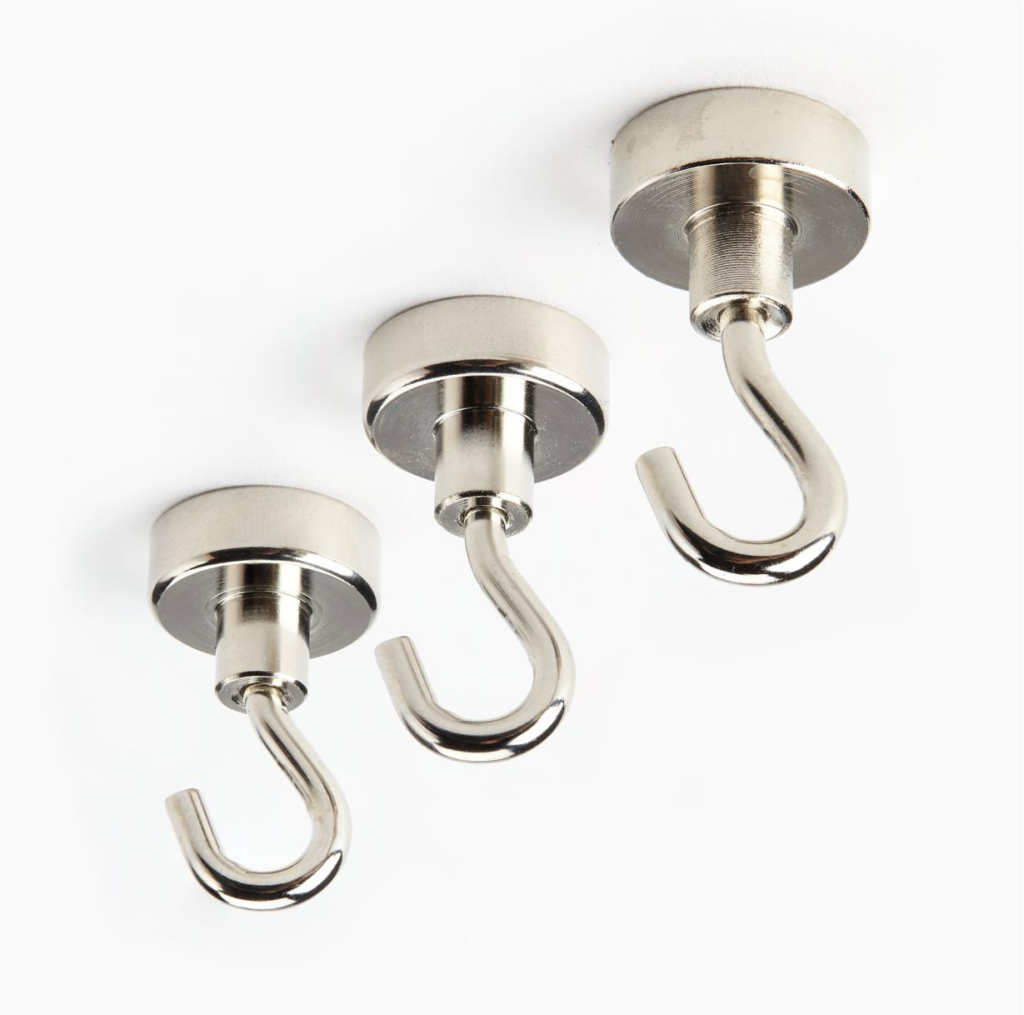
The internal magnet is almost always a neodymium disc or block encased in a steel shell. This steel shell serves two critical functions. It channels the magnetic flux from the back of the magnet to the outer rim, creating a focused holding circuit. It also protects the brittle neodymium core from chipping or shattering during use. The hook itself is typically made from stainless steel, zinc alloy, or durable plastic, depending on the intended load capacity and environment.
3 Specifications of Magnetic Hooks
Not all magnetic hooks are created equal. Understanding these three specifications ensures you buy products that actually hold what you need them to hold.
1. Maximum Pull Force Rating
The pull force is measured in pounds or kilograms and represents the maximum weight the magnetic base can hold under perfect conditions. Perfect conditions mean direct contact with a thick, smooth, flat steel surface and a load applied straight down in shear. If you hang items that pull outward from the wall, the holding capacity drops dramatically. For any set of magnetic hooks, always look for a pull force rating at least three times the weight of the item you plan to hang. A hook rated for 30 pounds can safely hold a 10-pound bag.
2. Base Design and Contact Area
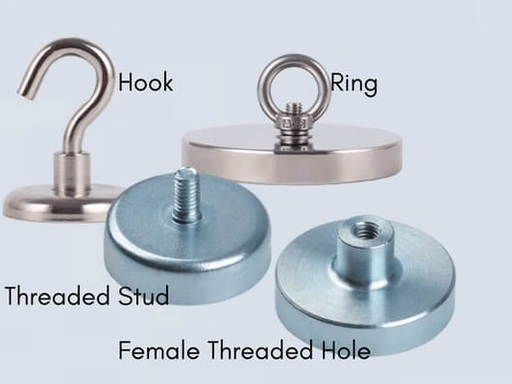
The shape and diameter of the magnetic base determine how the hook performs on different surfaces. A wide, flat base distributes magnetic force evenly and works best on smooth, flat steel. A base with a protruding center pole, often called a pot magnet design, concentrates the flux into a smaller ring, providing stronger grip on thin or uneven surfaces. Some designs feature threaded studs or screw holes in the base for mechanical fastening alongside magnetic attraction, adding extra security for heavy loads.
3. Hook Material and Coating
The hook portion must withstand the environment where it will be used. Stainless steel hooks resist rust in kitchens, bathrooms, and outdoor settings. Zinc-plated hooks offer good indoor corrosion resistance at a lower cost. Plastic hooks are lightweight and safe for delicate items but cannot support heavy loads. For outdoor or marine use, look for fully stainless steel construction and a sealed, waterproof magnetic base with an epoxy or rubber coating to prevent internal rust.
Applications of Magnetic Hooks
The versatility of these tools makes them indispensable across home, commercial, and industrial settings. Their damage-free mounting allows temporary or permanent organization without drilling holes or applying adhesive.
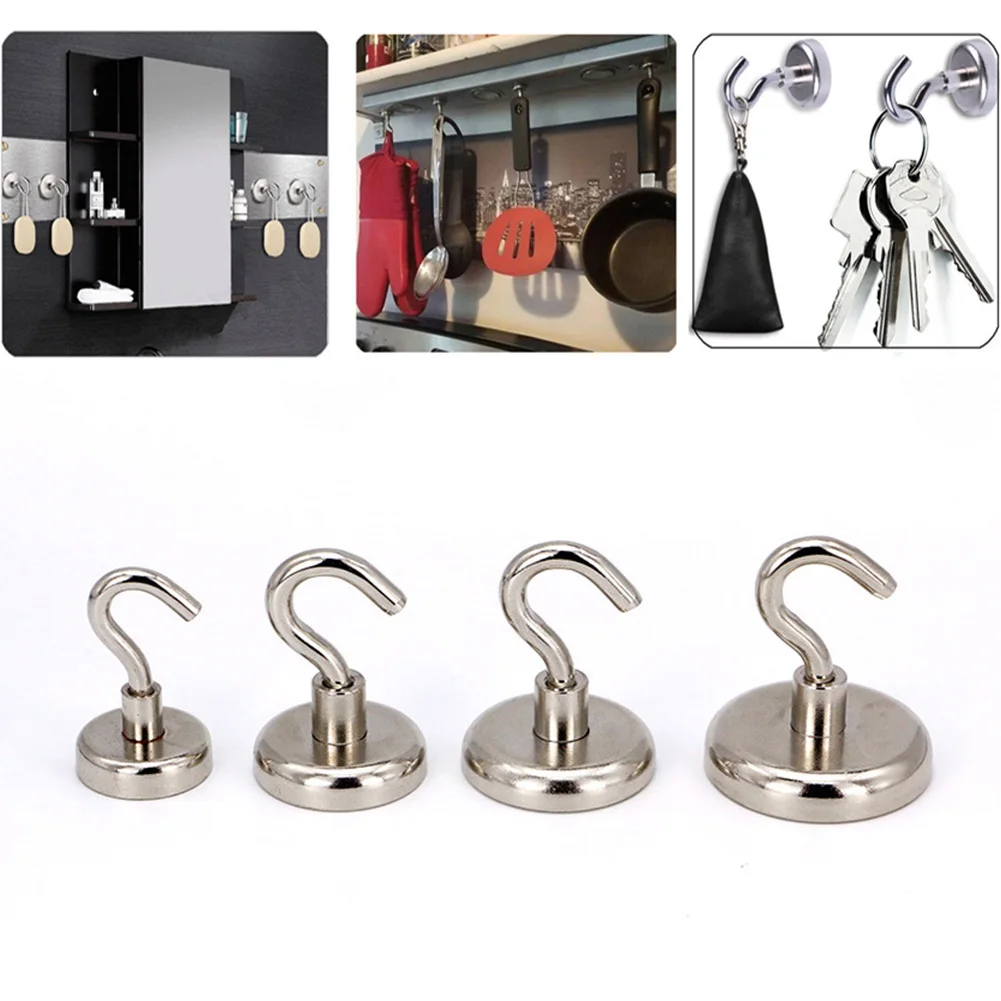
In the kitchen, these handy accessories attach to the refrigerator side panel or range hood to hold pot holders, measuring spoons, dish towels, and oven mitts. They keep frequently used tools within arm’s reach while freeing up drawer and counter space. On the outside of the refrigerator, they can display children’s artwork, shopping lists, or decorative seasonal items without marking the surface.
The garage and workshop benefit enormously from strong magnetic hooks. Steel tool cabinets, shelving units, and workbench frames become instant organizers for extension cords, wrenches, safety glasses, and spray bottles. Heavy-duty versions with 50-pound or higher ratings can hold power tools, bicycle helmets, and even folded lawn chairs. The ability to reposition hooks as projects change makes them far more flexible than permanent wall anchors.
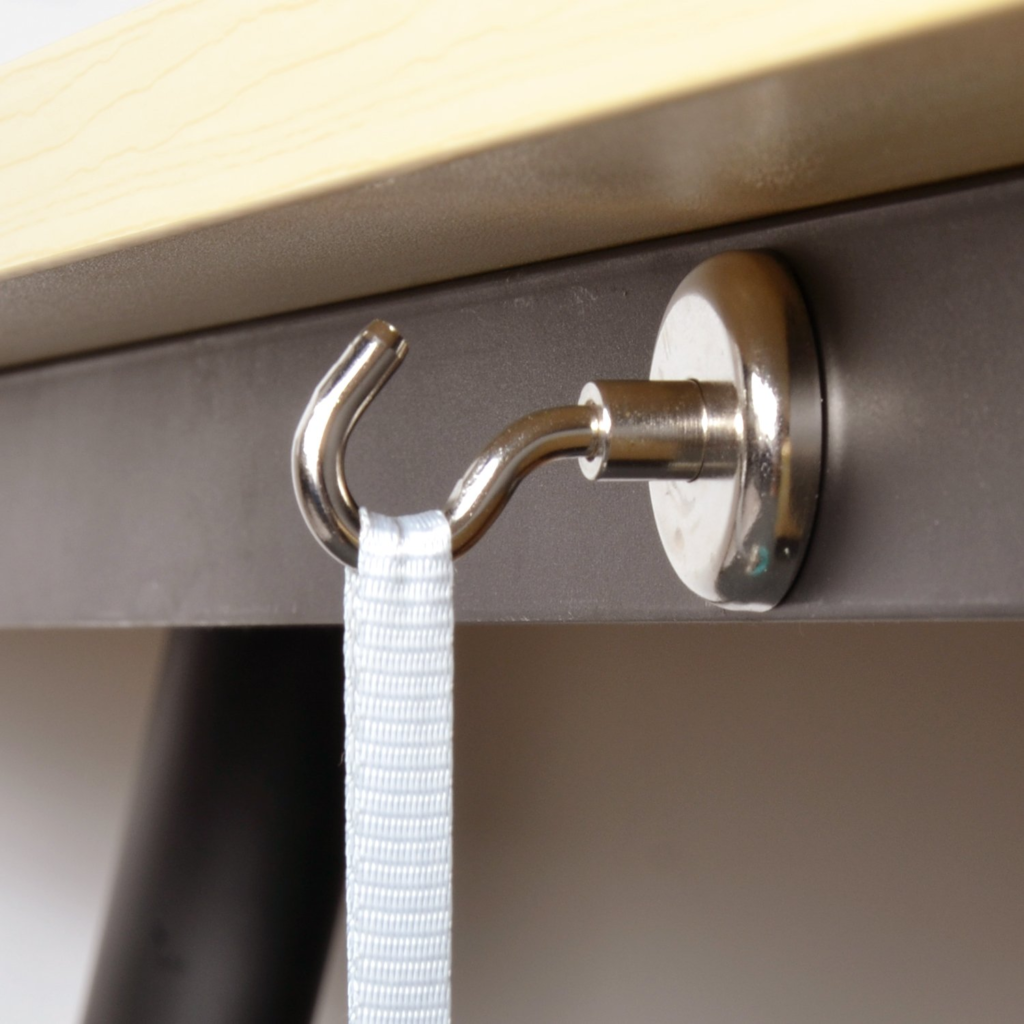
Office environments use them on filing cabinets, whiteboard frames, and metal partitions. They hold lanyards, ID badges, headphones, and small bags. Cable management becomes simple: magnetic hooks mounted under a metal desk route charging cables and network wires off the floor, preventing tangles and trip hazards.
Retail and commercial displays leverage these tools for quick, flexible merchandising. Store fixtures with steel backing accept hooks instantly for hanging signage, sample products, or promotional banners. The hooks can be rearranged daily without leaving residue or holes, perfect for seasonal displays and pop-up shops.
Industrial facilities use heavy-duty magnetic hooks rated for 100 pounds or more. These mount on structural steel beams to hang temporary lighting, safety signage, cable runs, and tool tethers. Welders and fabricators use them to hold hoses and leads off the floor, improving workshop safety. The magnetic attachment survives vibration and moderate heat when properly specified.
Outdoor and recreational applications include hanging wind chimes, bird feeders, and string lights from steel pergolas or railings. RV and camping enthusiasts attach magnet hooks to their vehicle exterior for hanging trash bags, lanterns, and wet towels to dry. Marine-grade versions resist salt spray and humidity, making them suitable for boats and dockside use.
How to Choose the Right Magnetic Hooks
Selecting the perfect magnet hooks requires matching the product specifications to your specific use case. Follow these steps to make a confident purchase that will serve you reliably for years.
Step 1: Identify Your Mounting Surface
Examine the surface where you plan to attach the hook. Is it a thick, flat steel beam or a thin sheet metal cabinet door? A flat magnetic base works best on smooth, flat surfaces. For curved surfaces like pipes or rounded corners, choose a model with a V-shaped or articulating base that self-aligns. If the surface is painted or coated, remember that each layer of coating reduces the effective pull force by creating a tiny air gap between the magnet and the steel underneath.
Step 2: Calculate the Actual Load Weight
Weigh the items you plan to hang before shopping. Do not guess. A full cast iron skillet weighs significantly more than it appears. Once you know the actual weight, multiply by three for your safety margin. If your load weighs 5 pounds, shop for magnetic hooks rated for at least 15 pounds. Remember that pull force ratings assume vertical shear loads. If your hook holds items at an angle or pulls outward from the wall, the effective capacity decreases substantially.
Step 3: Determine the Hook Style and Reach
Hook geometry affects what you can hang and how easily. A J-hook with a deep throat accommodates thick items like power tool handles and broom shafts. A shallow hook is better for keys and small cables. Some magnet hooks feature swiveling hooks that rotate independently of the base, allowing items to hang straight even on a vertical surface. Carabiner-style hooks clip closed for security in moving vehicles or on boats. Choose the hook style that matches your items physically.
Step 4: Evaluate the Environment and Durability Needs
Where will the hook live? A kitchen or bathroom has high humidity, so rust-resistant stainless steel or coated magnetic hooks are essential. An outdoor application exposed to rain requires marine-grade construction with sealed magnets. A clean indoor office can use standard nickel-plated hooks without issue. If the hook will hold heavy items overhead, verify the manufacturer explicitly rates the product for overhead lifting or suspension. Not all magnetic hooks are safe for inverted use.
Step 5: Select a Trusted Supplier with Proven Quality
Quality varies enormously between brands. Cheap, unbranded hooks often use undersized magnets with exaggerated pull force claims that fail in real-world use. A reliable supplier provides accurate specifications, material certifications, and clear safety guidelines. For consistently high-quality products backed by engineering expertise, we highly recommend visiting nbtechmagnet.com. They offer a wide selection of magnet hooks with transparent load ratings and durable construction. Their products are designed for both home and industrial applications, giving you confidence that the rating on the label matches real performance.
Step 6: Test and Validate Before Full Deployment
After receiving your hooks, test one under controlled conditions before hanging valuable or fragile items. Attach it to the intended surface and apply a load heavier than your planned use. Observe whether the hook slides, tilts, or detaches. Slide it sideways to test shear resistance. If the surface flexes under the magnetic pull, reinforce it or choose a different location. This simple validation step prevents accidents and gives you peace of mind.
FAQ: Your Magnetic Hooks Questions Answered
1. Can magnetic hooks be used on stainless steel appliances?
It depends on the stainless steel alloy. Ferritic stainless steels contain iron and are magnetic, so magnet hooks will stick. However, most modern appliances use austenitic stainless steel, which is non-magnetic due to its nickel content. Test your appliance with a regular refrigerator magnet first. If the magnet does not stick, these hooks will not work. For non-magnetic stainless steel surfaces, consider adhesive-backed hooks instead.
2. Will magnetic hooks scratch my refrigerator or painted surface?
They can if installed improperly. The steel base of a hook is smooth, but sliding it across a surface traps microscopic dirt and debris that causes fine scratches. To prevent damage, clean both the magnet base and the mounting surface thoroughly before installation. Place the hook gently into position rather than sliding it. For extra protection on delicate finishes, apply a thin felt pad or clear protective film to the magnet base.
3. How do I remove a very strong magnetic hook from a steel surface?
Never attempt to pull a strong hook straight off vertically. The direct pull force is immense, and you risk injury or surface damage. Instead, slide the hook sideways toward the edge of the steel surface. Once part of the base extends past the edge, the holding force decreases dramatically. You can also use a non-magnetic plastic wedge or putty knife to slide under the edge of the base, breaking the magnetic circuit gently. This technique protects both your fingers and the surface finish.
Conclusion
Magnetic hooks are simple yet brilliant tools that unlock the hidden storage potential of every steel surface in your home, workshop, or workplace. By understanding the critical specifications of pull force, base design, and material durability, you can select hooks that hold securely and last for years. Whether organizing a kitchen, managing cables in an office, or hanging heavy equipment in an industrial setting, the right magnetic hooks make organization fast, flexible, and damage-free. For reliable, high-performance options backed by genuine specifications, explore the selection at nbtechmagnet.com and start reclaiming your vertical space today.