First impressions matter, and remembering names builds instant rapport in any professional setting. Magnetic name tags offer a clean, professional appearance without damaging clothing with pins or clips. This guide explores everything you need to know about these essential networking and branding tools.
What is Magnetic Name Tags
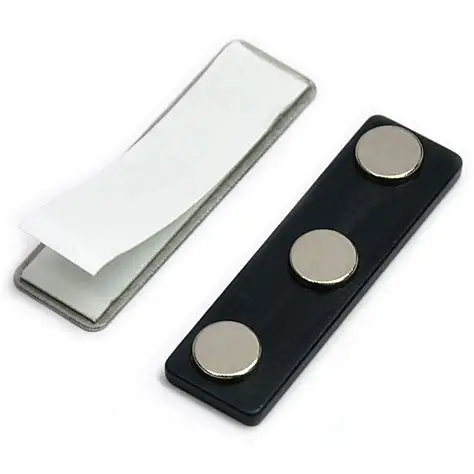
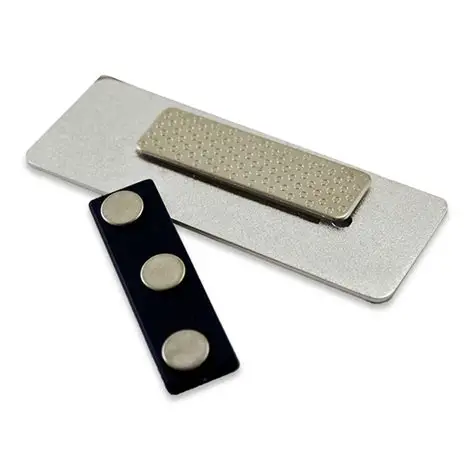
Magnetic name tags are identification badges that attach to clothing using a powerful magnetic fastener instead of traditional pins, clips, or adhesive backing. The visible name tag sits on the outside of the garment, while a small magnetic backing plate goes underneath the fabric. The two pieces clamp together through the material, holding the badge securely in place without puncturing or damaging the clothing.
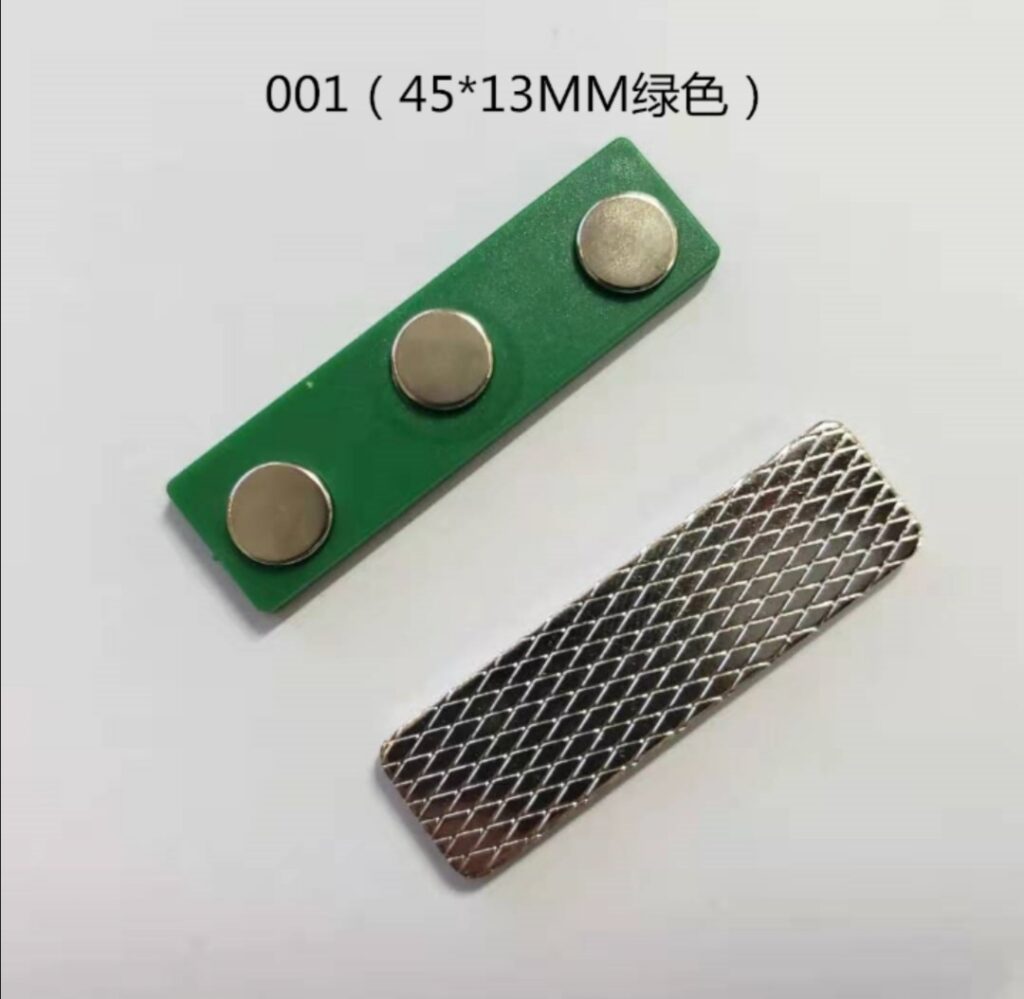
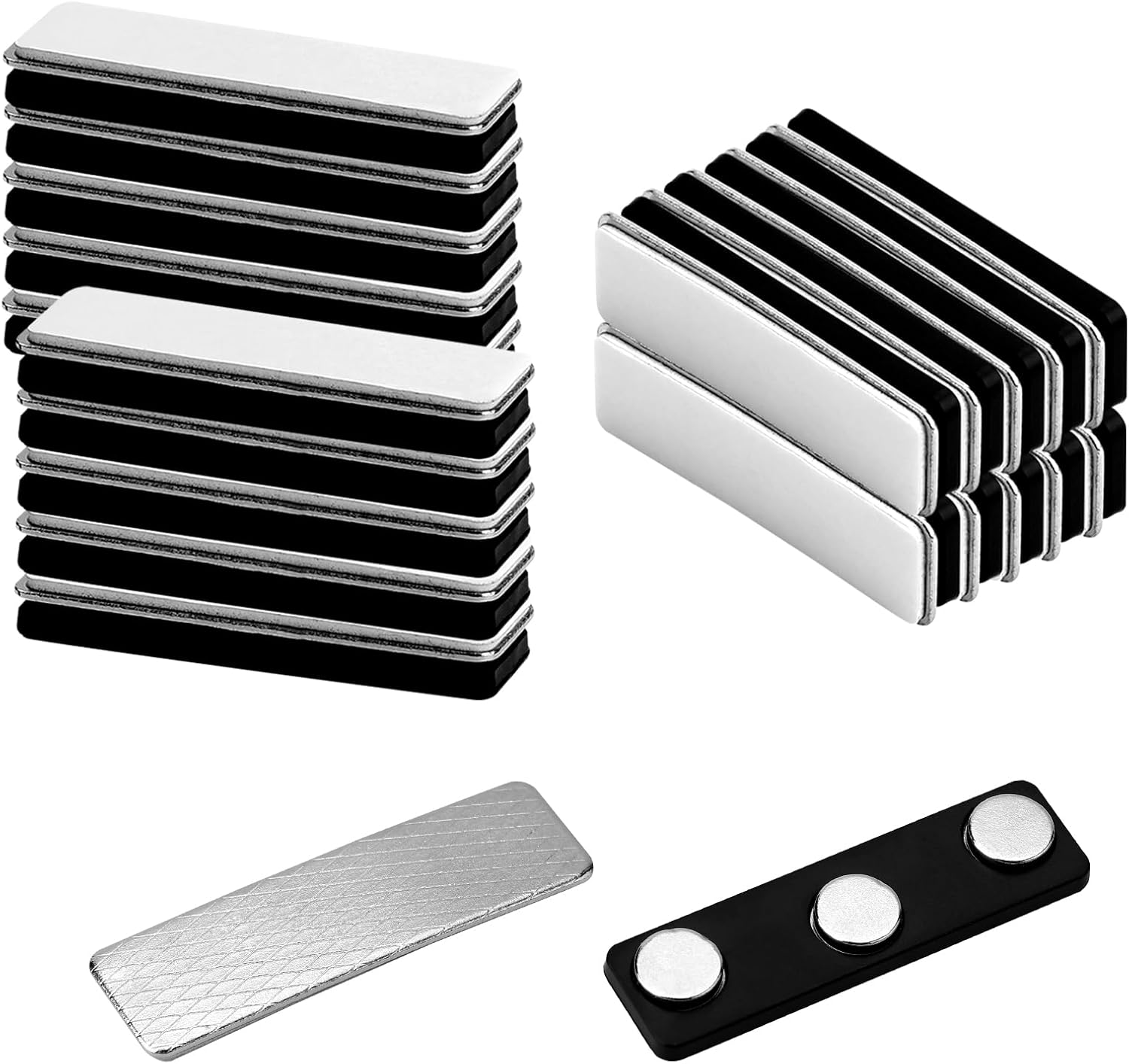
The fastening system typically uses a strong neodymium magnet housed in a slim metal or plastic shell. The front plate displays the wearer’s name, title, and company logo, while the back plate contains a matching magnetic component or a steel receptor. This sandwich design works on shirts, blouses, suit jackets, and uniforms without leaving holes, creases, or adhesive residue. Magnetic name tags have become the preferred choice in corporate offices, retail environments, hospitality, and healthcare settings.
3 Specifications of Magnetic Name Tags
Before ordering magnetic name tags, you must understand three critical specifications that determine their performance and suitability for your workplace.
1. Magnet Type and Holding Strength
The magnet is the heart of any magnetic name tag. Neodymium rare earth magnets provide the strongest hold in the smallest profile, making them the industry standard. Standard strength magnets work well on thin fabrics like dress shirts and blouses. Heavy-duty options are available for thicker materials such as fleece jackets, lab coats, and aprons. The holding force must be strong enough to prevent the tag from sliding off during normal movement but not so strong that it becomes difficult to remove at the end of the day.
2. Fastener Design and Profile
The backing plate design affects both comfort and security. Flat magnetic backers with a smooth surface sit comfortably against the body without digging in. Some backers feature a textured or rubberized surface to grip the fabric and prevent rotation. Low-profile designs minimize bulk, making them nearly invisible under fitted clothing. For magnetic name tags used in active environments, look for fasteners with mechanical interlocks or alignment features that prevent the front plate from shifting out of position.
3. Material and Finish Quality
The visible front plate must withstand daily wear while maintaining a professional appearance. Brushed aluminum offers a modern, lightweight look. Polished brass or gold-tone finishes convey traditional elegance. Durable plastic with a high-gloss coating provides a cost-effective option for large teams. The printing method matters too. Laser engraving creates permanent, fade-proof text. Full-color digital printing allows for vibrant logos and photo IDs. For magnetic name tags that last, ensure the surface is scratch-resistant and the edges are smoothly finished to prevent snagging on clothing.
Applications of Magnetic Name Tags
The versatility and professional appearance of these identification solutions make them valuable across a wide range of industries and settings. Their damage-free attachment method appeals to both employers and employees.
In corporate offices, magnetic name tags reinforce brand identity while helping employees and visitors connect personally. New hires feel welcomed when colleagues address them by name. Client meetings become more productive when everyone can quickly identify team members and their roles. The polished appearance of a metal name tag complements professional attire, projecting competence and attention to detail.
Retail stores and customer service environments rely heavily on magnetic name tags to build trust and accountability. A visible name badge signals that the wearer is an official employee ready to assist. Customers feel more comfortable approaching someone whose name and role are clearly displayed. The magnetic backing protects expensive uniform pieces from pin holes, reducing replacement costs for employers.
Healthcare facilities use magnetic name tags for doctors, nurses, and administrative staff. The secure magnetic fastener keeps the badge in place during fast-paced movement between patient rooms. Infection control benefits from the smooth, cleanable surface that does not trap bacteria like fabric lanyards can. Departments often use color-coded tags for quick role identification during emergencies.
Hospitality and food service industries appreciate magnetic name tags for their clean look and practicality. Hotel front desk staff, restaurant servers, and event coordinators maintain a polished appearance without the distraction of crooked pinned badges. The tags survive frequent laundering cycles since they are removed before washing, unlike sewn-on patches that fray over time.
Trade shows and conferences represent another valuable application. Exhibitors use magnetic name tags to display booth staff credentials prominently. The reusable nature of the magnetic fastener makes them cost-effective for rotating event teams. Attendees appreciate networking when names and companies are clearly visible, facilitating conversations and business connections.
Educational institutions from universities to training centers use these tags for faculty, administrative staff, and student identification during clinical rotations or practical sessions. The magnetic attachment protects academic robes and professional clothing alike. Temporary staff and visiting lecturers can be quickly equipped without maintaining inventories of various pin-back styles.
How to Choose the Right Magnetic Name Tags
Selecting the ideal magnetic name tags requires careful consideration of your team’s daily environment and professional image. Follow these steps to make a purchase that satisfies both practical needs and aesthetic standards.
Step 1: Assess the Fabric Thickness of Your Team’s Attire
The single most important factor is the material your team wears daily. Thin dress shirts and polyester blouses require only standard-strength magnetic fasteners. Thicker fabrics like denim, canvas aprons, or insulated jackets demand heavy-duty magnets with higher holding force. Gather samples of the actual garments and measure their thickness. A good rule is that the magnet must hold securely through two layers of the thickest fabric your team wears, since some people wear undershirts beneath their work attire.
Step 2: Determine the Appropriate Tag Size and Shape
Name tags come in standard sizes ranging from small bars to full-sized rectangular badges. A small tag measuring 2 inches by 0.75 inches works for first names only. A standard size of 3 inches by 1 inch accommodates first and last names plus a title. Larger sizes allow for company logos and department information. Shape also matters. Rounded corners reduce snagging and look more contemporary. Custom die-cut shapes matching a logo outline create a distinctive brand impression but cost more and take longer to produce.
Step 3: Choose the Printing Method Based on Durability Needs
The printing technique determines how long your magnetic name tags will look new. Laser engraving etches text directly into metal, creating a permanent mark that never fades or peels. This is ideal for long-term employees and premium brand presentation. Screen printing offers vibrant colors for logos at a moderate price point. Full-color digital printing allows for photo IDs and complex graphics but may show wear faster than engraving. For teams with high turnover, consider a reusable tag system with interchangeable inserts.
Step 4: Select the Fastener Style for Comfort and Security
Standard magnetic backers work well for desk-based employees with minimal movement. For active staff who bend, lift, and reach frequently, choose fasteners with a locating feature that prevents the front plate from sliding sideways. Rubberized backers grip the fabric and reduce rotation. Some premium magnetic name tags feature a locking mechanism that requires a deliberate motion to release, providing extra security for crowded environments like trade shows or concerts where accidental dislodging is a risk.
Step 5: Consider Hygiene and Cleaning Requirements
Healthcare, food service, and laboratory environments demand tags that can be sanitized regularly. Metal tags with laser engraving withstand alcohol wipes and disinfectant sprays without degradation. Porous materials or paper inserts cannot be sanitized effectively. For these settings, select fully sealed, non-porous magnetic name tags with smooth surfaces. The magnetic backer should also be cleanable, as it sits against the wearer’s clothing and can accumulate skin oils and sweat over time.
Step 6: Order Samples and Conduct a Wear Test
Never commit to a bulk order of magnetic name tags without testing actual samples first. Request sample tags with your chosen materials, sizes, and magnet strengths. Distribute them to a small group of team members representing different body types and job functions. Have them wear the tags for a full work week and provide feedback on comfort, security, and appearance. Pay attention to whether the tag shifts position, catches on equipment, or causes any discomfort. This real-world testing reveals issues that specifications on a website cannot predict.
FAQ: Your Magnetic Name Tags Questions Answered
1. Will magnetic name tags interfere with pacemakers or medical devices?
The magnets used in standard name tags are relatively small and are worn on the chest area. However, the magnetic field strength decreases rapidly with distance. For someone wearing a pacemaker, maintaining a distance of at least 2 to 3 inches between the device implant site and the magnetic backer is generally considered safe. If an employee has a pacemaker or implantable defibrillator, they should consult their cardiologist and consider using a pin-back or clip-back alternative as a precaution.
2. Can magnetic name tags damage credit cards or smartphones?
The magnetic backer should not be stored in the same pocket as credit cards, as the magnetic strip can be erased by close contact. Smartphones use solid-state storage and are not at risk of data loss from small magnets. However, the magnet in a name tag is not strong enough to affect cards or phones through normal wearing on the chest. The concern only arises if the magnetic backer is removed and placed directly against a wallet or phone in a pocket or purse.
3. How do I clean magnetic name tags properly?
Remove the magnetic backer before cleaning the front plate. Wipe metal tags with a soft cloth dampened with mild soap and water, then dry immediately to prevent water spots. Avoid abrasive cleaners that can scratch the surface. For engraved tags, a gentle rub with a microfiber cloth restores the shine. The magnetic backer can be wiped with a dry cloth or a slightly damp cloth if necessary, but ensure it is completely dry before reattaching to clothing. Never submerge the magnetic fastener in water or place it in an ultrasonic cleaner.
Conclusion
Magnetic name tags represent a perfect blend of professional appearance, clothing protection, and practical convenience. By understanding the critical specifications of magnet strength, fastener design, and material quality, you can select badges that your team will wear with pride. Whether equipping a corporate office, a hospital floor, or a retail showroom, the right choice enhances brand image while making daily interactions more personal and productive. Invest in quality magnetic name tags and give your team the polished, approachable identity they deserve.