Finding the right source for magnetic components can feel overwhelming with countless options available worldwide. Permanent magnet suppliers vary significantly in quality, capability, and reliability. This guide helps you identify trustworthy partners for your magnetic component needs.
What is Permanent Magnet
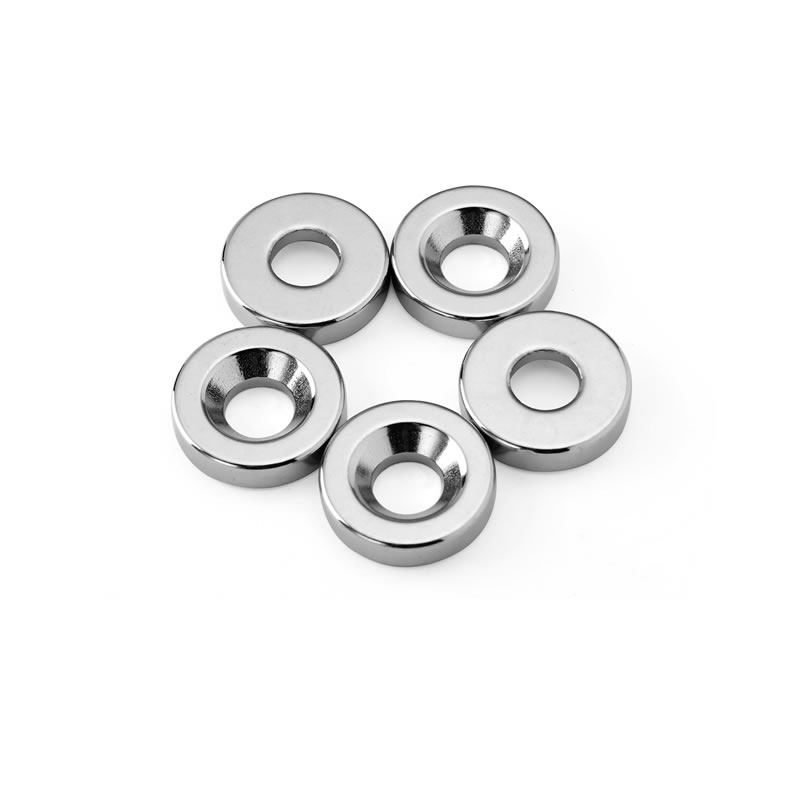
A permanent magnet is a material that produces its own persistent magnetic field without requiring external power. Unlike electromagnets that need electricity, permanent magnets stay magnetized for decades. They attract ferromagnetic materials like iron, nickel, and cobalt. Common examples include refrigerator magnets, speaker drivers, motor components, and magnetic fasteners.
The magnetic field comes from the alignment of tiny magnetic domains within the material. Once these domains align during manufacturing, they remain locked in place. The strength depends on the material composition. Neodymium magnets are the strongest commercial type. Ferrite magnets offer lower strength at reduced cost. Samarium cobalt and alnico serve specialized applications. Understanding magnet types helps you communicate effectively with permanent magnet suppliers and evaluate their product offerings intelligently.
Related: Different Types of Permanent Magnets Available from Suppliers
A quality permanent magnet supplier offers multiple magnet types to serve diverse applications. Understanding the differences helps you select the right material for your specific needs.
Neodymium magnets are the strongest permanent magnets available commercially. They contain rare earth elements that provide exceptional magnetic power in compact sizes. Professional permanent magnet suppliers stock grades from N35 to N52, plus high-temperature variants. These magnets serve in motors, sensors, medical devices, and high-performance holding applications.
Ferrite magnets offer economical solutions for less demanding applications. These ceramic magnets cost significantly less than neodymium while providing adequate strength for many uses. A cost-focused permanent magnet supplier recommends ferrite for loudspeakers, refrigerator seals, and educational products. They resist corrosion naturally and handle higher temperatures than standard neodymium grades.
Samarium cobalt magnets serve high-temperature and corrosion-resistant applications. They maintain magnetic properties above 300 degrees Celsius. Specialized permanent magnet suppliers provide these for aerospace, defense, and industrial sensor applications. Their higher cost reflects expensive raw materials and specialized processing requirements.
Alnico magnets offer excellent temperature stability up to 500 degrees Celsius. They suit specialized sensors and instruments. Flexible rubber magnets serve craft and signage applications. A comprehensive permanent magnet supplier offers multiple material options to match every requirement.
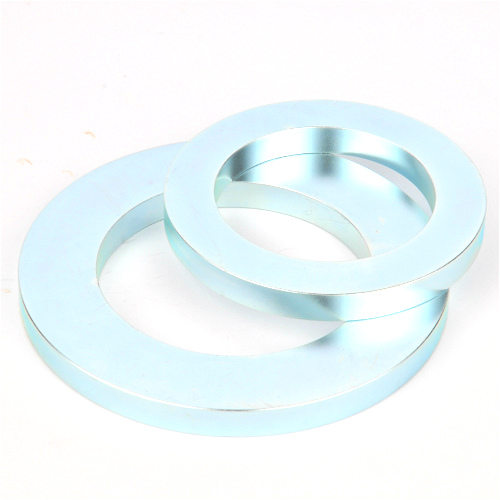
Related: Key Quality Factors to Verify with Permanent Magnet Suppliers
Understanding quality factors helps you evaluate products from any permanent magnet supplier. These characteristics determine whether magnets perform reliably in your application.
Grade authenticity is the most critical quality factor. Some permanent magnet suppliers mislabel lower grades as premium N52 to charge higher prices. A genuine N52 neodymium magnet has specific remanence and coercivity values. Reputable suppliers provide material certifications verifying actual magnetic properties. Independent testing confirms that magnets meet claimed specifications.
Coating quality determines service life. Bare neodymium rusts quickly in moisture. Nickel, epoxy, and other coatings protect the magnet surface. Quality permanent magnet suppliers apply coatings uniformly with proper thickness. Salt spray testing verifies coating durability. Poor coating leads to premature corrosion and reduced performance.
Dimensional accuracy ensures proper fit in assemblies. Tight tolerances require precision grinding and machining. Reliable permanent magnet suppliers maintain consistent dimensions across production batches. Coordinate measuring machine inspection verifies critical features. Inconsistent dimensions cause assembly problems and performance variations.
Temperature rating affects high-temperature applications. Standard neodymium loses strength above 80 degrees Celsius. High-temperature grades use suffixes like SH or UH. Knowledgeable permanent magnet suppliers recommend the correct grade based on operating conditions. Using the wrong grade causes premature magnetic decay.
Consistency across batches matters for production. Quality-focused permanent magnet suppliers use statistical process control to monitor production. They track magnetic properties and dimensions over time. This consistency ensures every magnet performs identically in your product.
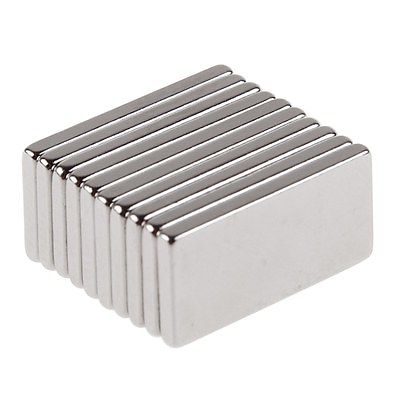
Related: How to Build Strong Relationships with Permanent Magnet Suppliers
A productive partnership with your supplier extends beyond individual transactions. Building strong relationships delivers ongoing benefits for both parties.
Clear communication forms the foundation. Share your complete requirements upfront, including specifications, volumes, and delivery schedules. Ask questions about magnet grades, coatings, and performance characteristics. Responsive permanent magnet suppliers answer technical questions accurately and promptly. Regular communication prevents misunderstandings that lead to costly errors.
Long-term commitments benefit both sides. When you provide consistent order volumes, your permanent magnet supplier can plan production efficiently. This efficiency translates to better pricing and priority scheduling. Blanket orders with scheduled releases balance volume commitment with delivery flexibility. Suppliers reward loyal customers with their best service.
Collaborative problem-solving strengthens the partnership. When issues arise, work together to identify root causes and implement solutions. Quality permanent magnet suppliers treat problems as opportunities for improvement. They share test data and process information transparently. This collaboration builds trust and prevents recurring issues.
Feedback helps suppliers improve. Share information about how magnets perform in your application. Discuss any quality issues or delivery problems openly. Professional permanent magnet suppliers welcome constructive feedback and act on it. Continuous improvement benefits both parties over time.
Payment reliability matters. Pay invoices on time to maintain good standing. Discuss payment terms early in the relationship. A reliable customer receives better service and pricing from their permanent magnet supplier.
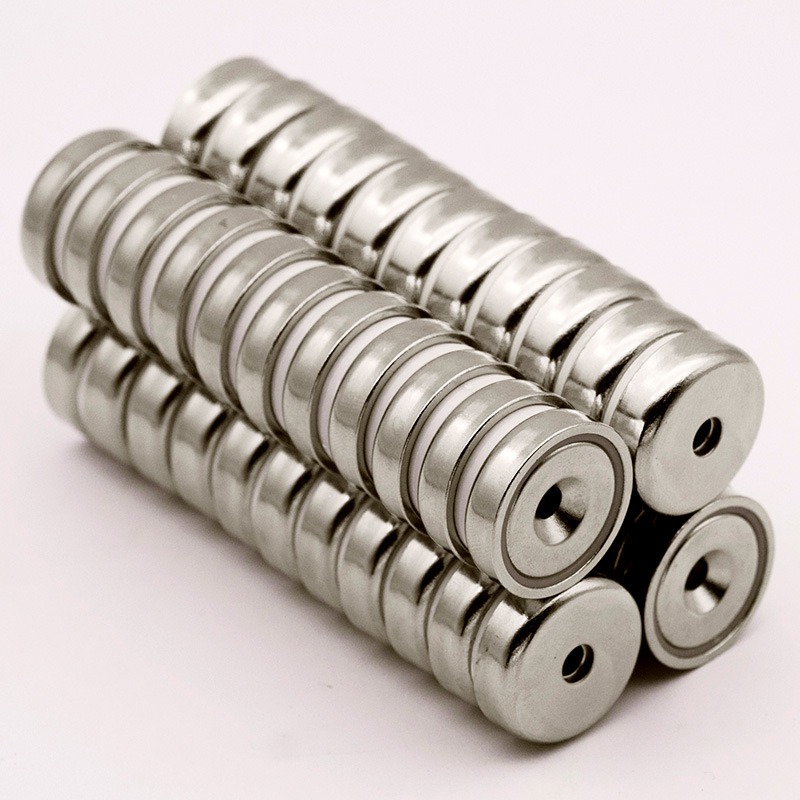
How Minimum Order Quantities Affect Sourcing from Permanent Magnet Suppliers
Minimum order quantities, or MOQs, play a significant role in selecting permanent magnet suppliers. Understanding how MOQs work helps you find partners that match your production scale and avoid unnecessary inventory costs.
Large manufacturers often impose high MOQs, sometimes requiring orders of 10,000 pieces or more. These permanent magnet suppliers focus on high-volume production for automotive and consumer electronics customers. Their pricing is very competitive at scale. However, small businesses and startups may struggle to meet these minimums. Ordering more magnets than needed ties up capital in inventory that may take years to consume.
Smaller distributors serve prototype and low-volume needs. These permanent magnet suppliers stock standard sizes and sell in quantities as low as a single piece. The per-unit pricing is higher, reflecting the convenience and flexibility they offer. For research and development projects, this flexibility is invaluable. Engineers can experiment with different grades and sizes without committing to large inventories.
Mid-sized manufacturers occupy a middle ground. They offer moderate MOQs, typically between 500 and 5,000 pieces. These permanent magnet suppliers balance reasonable pricing with flexibility. They suit growing companies transitioning from development to production. As your volumes increase, you can negotiate lower pricing without switching suppliers.
Some permanent magnet suppliers offer tiered pricing structures. The per-unit price decreases automatically at volume breakpoints. A quote might show one price for 500 pieces, a lower price for 2,000 pieces, and a significantly lower price for 10,000 pieces. Understanding these tiers helps you plan orders strategically to maximize value.
Blanket orders provide another solution. You commit to an annual volume but schedule deliveries in smaller batches. This arrangement gives permanent magnet suppliers planning certainty while reducing your inventory burden. Payment occurs per shipment rather than upfront for the entire quantity. Discuss this option when your volume exceeds the supplier’s standard MOQ but you cannot warehouse the full quantity at once.
Custom Packaging Solutions from Permanent Magnet Suppliers
Packaging is an often-overlooked aspect of sourcing magnets, yet it significantly impacts product quality during transit and efficiency on your assembly line. Professional permanent magnet suppliers offer various packaging solutions tailored to different needs.
Bulk packaging is the most economical option. Magnets ship loose in boxes or plastic bags. This approach minimizes packaging costs but increases the risk of chipping and damage during transport. Strong neodymium magnets attract each other forcefully, potentially slamming together and cracking. Bulk packaging suits ferrite magnets and smaller neodymium pieces where minor cosmetic damage is acceptable.
Spacer packaging separates individual magnets with plastic or cardboard dividers. This prevents magnets from slamming together during shipping. The spacers also make manual handling easier on the assembly line. Workers pick one magnet at a time without struggling to separate stuck pieces. Spacer packaging adds moderate cost but significantly reduces damage rates. Many permanent magnet suppliers recommend this option for premium neodymium products.
Oriented packaging arranges magnets in a specific configuration for automated assembly. Magnets may face alternating directions or align with a particular polarity orientation. This packaging enables robotic pick-and-place systems to handle magnets efficiently without manual reorientation. Oriented packaging from permanent magnet suppliers integrates seamlessly with automated production lines, reducing labor costs downstream.
Custom trays and reels serve high-volume electronics manufacturing. Magnets fit into precision-molded trays that feed directly into assembly equipment. Reel packaging suits tape-and-reel automated assembly processes. These solutions require significant engineering investment but deliver major efficiency gains for large production runs.
Protective packaging matters for international shipping. Permanent magnet suppliers shipping overseas use shielded packaging that contains magnetic fields for air transport compliance. Moisture-resistant packaging protects against humidity during ocean freight. Discuss your shipping route and handling requirements with your supplier to select the appropriate packaging solution for your specific needs.
FAQ: Your Permanent Magnet Suppliers Questions Answered
1. How can I verify that permanent magnet suppliers sell genuine grade N52 neodymium?
Request material test reports showing actual remanence and maximum energy product values. Genuine N52 has remanence of approximately 1.43 to 1.48 Tesla and energy product of 50 to 52 MGOe. Compare physical size and measured pull force against theoretical values. If the price seems significantly lower than other quotes, suspect mislabeling. Independent laboratory testing provides definitive verification.
2. What is the typical lead time from permanent magnet suppliers?
Standard stock magnets ship within days. Custom magnets without new tooling typically ship in three to five weeks. New pressing dies add six to ten weeks for tooling fabrication. Complex multi-pole magnetization patterns require additional processing time. Reliable permanent magnet suppliers communicate lead times transparently and provide regular order updates.
3. Can permanent magnet suppliers help with magnetic circuit design?
Yes, established permanent magnet suppliers offer engineering support including magnetic circuit design assistance. They perform finite element analysis to model field patterns and predict holding forces. They recommend optimal material, grade, and geometry for your application. This service helps you avoid costly design mistakes. When evaluating suppliers, ask about their engineering capabilities and design support offerings.
Conclusion
Choosing the right permanent magnet suppliers is a strategic decision that impacts product quality, reliability, and overall cost. By understanding magnet types and quality factors, you can evaluate supplier capabilities effectively. Systematic evaluation protects against counterfeit products and quality issues. Building strong relationships with your permanent magnet suppliers delivers ongoing value through better pricing, priority service, and collaborative problem-solving. Whether you need high-performance neodymium for motors or economical ferrite for consumer goods, the right supplier becomes an invaluable extension of your team.
7 Smart Tips to Understand and Optimize Circular Magnet Price