Sourcing powerful magnets requires careful budgeting and understanding of market factors. The high power magnet price varies significantly based on grade, size, coating, and quantity. This guide explains what drives costs and how to optimize your purchasing decisions.
What is High Power Magnet
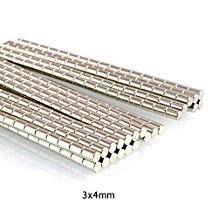
A high power magnet is a permanent magnet that delivers exceptional magnetic strength relative to its size. These magnets are typically made from neodymium-iron-boron, the strongest commercially available magnetic material. Grades like N42, N48, and N52 represent high power options. They generate magnetic fields far stronger than ferrite or alnico alternatives.
The strength comes from the neodymium alloy’s unique crystal structure. This structure provides extremely high resistance to demagnetization. Once magnetized, a high power magnet stays magnetized for decades under normal conditions. These magnets serve in electric motors, wind turbines, magnetic separators, medical devices, and industrial holding applications. When evaluating the magnet price, understanding the grade system and performance requirements is essential. Higher grades command premium pricing but deliver more magnetic flux per unit volume.
Material Grade Factors That Influence High Power Magnet Price
The grade number directly determines both performance and cost. Understanding the grade system helps you evaluate whether a quoted magnet price represents fair value.
The N rating system indicates the maximum energy product of neodymium magnets. N35 represents the entry level with good strength at economical pricing. N42 offers a balanced combination of performance and cost. N48 provides excellent strength for demanding applications. N52 delivers the maximum commercially available magnetic power. The magnet price increases roughly 10 to 20 percent for each grade step upward.
Higher grades achieve more magnetic flux from the same physical size. An N52 magnet produces approximately 20 percent more magnetic output than an N35 magnet of identical dimensions. This performance advantage justifies the higher magnet price for applications where space is constrained. Compact motor designs and miniaturized electronics benefit from premium grades.
However, higher grades are more brittle and temperature-sensitive. N52 magnets chip more easily during handling than N35 versions. They also lose strength more rapidly when heated. Standard N52 loses performance above 60 degrees Celsius, while N35 works up to 80 degrees Celsius. Consider these trade-offs when evaluating the magnet price for premium grades.
A larger lower-grade magnet often achieves the same holding force as a smaller high-grade version at lower cost. For applications where space is not critical, using a bigger N35 or N42 magnet frequently provides better value than paying premium magnet price for N52.
Size and Shape Factors That Affect High Power Magnet Price
Physical dimensions and geometry significantly impact the final cost. Understanding these factors helps you optimize the magnet price for your application.
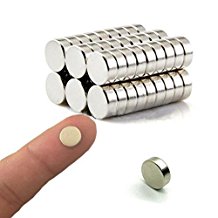
Size directly affects material usage. Larger magnets contain more neodymium material and cost proportionally more. The magnet price increases with volume. However, the relationship is not perfectly linear. Very small magnets may carry premium pricing due to handling complexity during manufacturing. Very large magnets require specialized pressing equipment. Medium sizes offer the most economical pricing per unit of magnetic strength.
Thickness plays a specific role in performance and cost. Thicker magnets produce stronger magnetic fields but cost more in materials. Thin magnets may require additional processing to prevent chipping during production. The optimal thickness balances performance requirements against the magnet price.
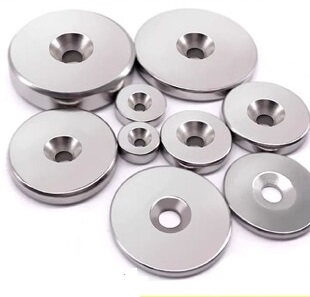
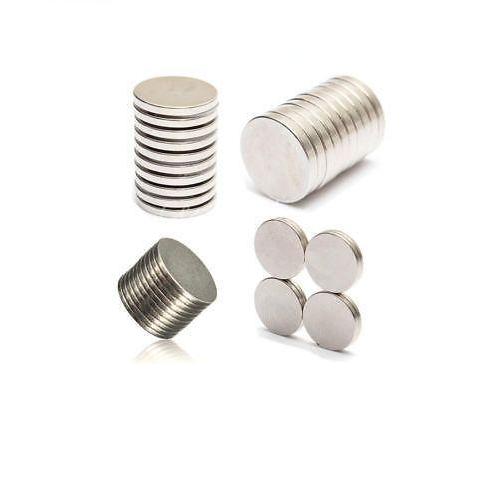
Shape complexity adds manufacturing cost. Simple discs and blocks press easily and require minimal finishing. Complex shapes like arc segments, rings, and custom geometries need specialized tooling. The magnet price reflects this processing complexity. Multi-level shapes with steps or flanges require sophisticated pressing equipment.
Custom sizes carry premium pricing compared to standard dimensions. Standard sizes are produced in large volumes, allowing economies of scale. Custom magnets require dedicated tooling, adding setup costs. The high power magnet price for custom work includes tooling amortization spread over your order quantity.
Market Forces That Influence High Power Magnet Price
The global rare earth market significantly impacts pricing for powerful magnets. Understanding these dynamics helps you anticipate changes in the high power magnet price.
Rare earth element prices fluctuate based on supply and demand. Neodymium and praseodymium are the primary elements in high power magnets. China produces over 80 percent of global supply. Chinese export policies, production quotas, and environmental regulations directly affect the high power magnet price worldwide.
Dysprosium and terbium prices impact high-temperature grades. These heavy rare earth elements are rarer and more expensive than neodymium. Magnets containing dysprosium for temperature resistance command premium pricing. Supply constraints for these elements can cause dramatic spikes in the high power magnet price for specialized grades.
Energy costs affect manufacturing economics. The sintering process requires sustained high temperatures and controlled atmospheres. Electricity and natural gas prices influence production costs. These energy expenses eventually reach consumers through the high power magnet price.
Currency exchange rates affect international purchasing. Most rare earth magnets are produced in Asia and priced in US dollars. Fluctuations between the dollar and your local currency impact the landed high power magnet price.
Demand growth from clean energy and electric vehicles creates upward pricing pressure. As electric vehicle production expands, demand for high power magnets increases. This growing demand contributes to long-term increases in the high power magnet price.
How Coating Selection Affects High Power Magnet Price
Coatings protect high power magnets from corrosion and physical damage, but they also add to the final cost. Understanding coating options helps you balance protection needs against the high power magnet price.
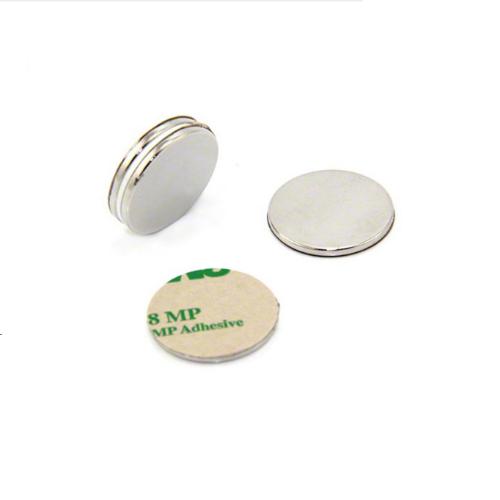
Nickel-copper-nickel plating is the standard and most economical coating for high power magnets. This triple-layer system provides a shiny silver appearance and adequate protection for indoor use. The plating process is mature and efficient, adding minimal cost to the high power magnet price. For general-purpose applications in clean, dry environments, nickel plating is usually sufficient.
Epoxy coating adds moderate cost but provides superior moisture resistance. The thick polymer layer seals the magnet completely against water and salt spray. When your application involves outdoor exposure or humid conditions, the additional expense is justified. The high power magnet price increases by 10 to 20 percent for epoxy coating depending on magnet size and quantity.
Gold plating serves specialized electronic and medical applications. Gold provides excellent corrosion resistance while allowing reliable electrical connections. This coating significantly increases the high power magnet price due to precious metal costs. Gold-plated magnets appear in high-reliability connectors, sensors, and luxury products where appearance matters.
Parylene coating represents the premium option. This ultra-thin polymer layer provides pinhole-free protection through vapor deposition. Parylene is biocompatible, making it essential for medical implants and surgical instruments. The coating process is specialized and slow, adding substantial cost to the high power magnet price. Only select this option when the application genuinely requires it.
Rubber and plastic coatings add functionality beyond protection. These thick coverings provide grip and impact resistance. The coating process is relatively inexpensive, but the added thickness slightly reduces effective magnetic strength. For mounting applications where surface protection matters, rubber-coated magnets offer good value despite the moderate increase in high power magnet price.
Choosing the right coating requires honest assessment of your operating environment. Over-specifying expensive coatings wastes money. Under-specifying leads to premature failure. Consult with your supplier about the optimal coating for your specific conditions.
Quality Verification Costs Hidden Within High Power Magnet Price
The high power magnet price includes more than raw materials and manufacturing. Quality verification and testing add meaningful costs that separate reputable suppliers from commodity traders. Understanding these hidden expenses helps you evaluate whether a low price represents genuine value or missing quality controls.
Material certification is the first testing expense. Every batch of high power magnets should come with documentation verifying the actual alloy composition and magnetic properties. This certification involves laboratory analysis of the finished product. Reputable suppliers include this cost in their pricing. Suppliers offering unusually low high power magnet price may skip this verification entirely, leaving you uncertain about what you actually received.
Magnetic property testing requires specialized equipment. Hysteresisgraphs measure complete magnetic characteristics including remanence, coercivity, and energy product. This equipment costs hundreds of thousands of dollars. Suppliers who invest in this testing provide verified performance data. Their high power magnet price reflects this investment. Suppliers without testing capability may rely on theoretical values rather than actual measurements.
Dimensional inspection verifies that magnets meet specified tolerances. Coordinate measuring machines and optical comparators perform precise measurements. Every dimension checked adds time and cost. The high power magnet price from quality suppliers includes comprehensive dimensional verification. Cheaper suppliers may inspect only critical dimensions or skip inspection entirely.
Salt spray testing validates coating durability. This accelerated corrosion test exposes magnets to salt fog for extended periods. The test takes days or weeks to complete. Suppliers who perform salt spray testing understand their coatings perform in real-world conditions. This testing adds to the high power magnet price but prevents field failures.
Sample retention supports traceability and warranty claims. Quality suppliers retain samples from every production batch. If problems arise later, retained samples enable investigation. This practice adds storage and documentation costs. The high power magnet price from responsible suppliers includes this traceability overhead.
When comparing quotes, understand what testing each supplier includes. A higher price often reflects genuine quality verification that protects you from costly failures.
FAQ: Your High Power Magnet Price Questions Answered
1. Why does the high power magnet price vary so much between suppliers?
Price variation stems from several factors. Grade authenticity is a major concern. Some suppliers mislabel lower grades as N52 to charge premium prices. Manufacturing efficiency affects production cost. Geographic location influences labor and energy expenses. Quality control investment varies. The lowest high power magnet price may indicate corners cut somewhere.
2. How can I verify I am getting the correct grade for the high power magnet price I pay?
Request material test reports showing actual remanence and maximum energy product values. Genuine N52 has remanence of approximately 1.43 to 1.48 Tesla. Measure pull force against a clean steel plate and compare with theoretical calculations. Independent laboratory testing provides definitive verification for critical applications.
3. What quantity gives the most competitive high power magnet price?
Prototype quantities of 10 to 100 pieces carry the highest per-unit cost. Pricing becomes competitive at 1,000 pieces and improves significantly at 10,000 pieces. Custom sizes require higher minimum order quantities. Standard stock sizes offer competitive high power magnet price at lower quantities.
Conclusion
Understanding what drives the high power magnet price empowers you to make smarter purchasing decisions. Grade selection, size, shape, coating, and quantity all play important roles. By defining requirements clearly and comparing quotes carefully, you can secure competitive pricing without compromising quality. The high power magnet price reflects complex market forces, but informed buyers navigate these effectively to achieve the best value for their magnetic component needs.
7 Key Factors to Evaluate When Choosing Great Rare Earth Magnet Manufacturers