Two magnets that look identical can carry price tags that differ by a factor of five. Understanding what drives the permanent magnet price helps you spot a fair quote and avoid paying for performance you do not need. This guide breaks down the cost factors and shows you how to compare suppliers properly.
What Is a Permanent Magnet
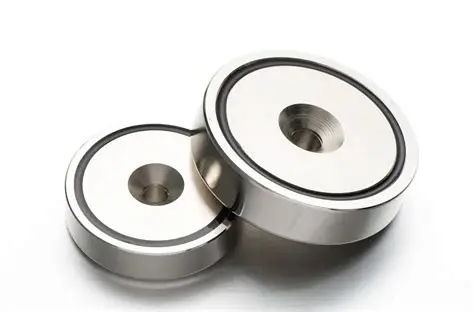
A permanent magnet is a material that produces its own magnetic field without any external power source. Once magnetized, it stays magnetized for years or decades. The most common types are neodymium, ferrite, samarium cobalt, and alnico.
Each material behaves differently. Neodymium offers the strongest field per unit of volume. Ferrite offers the lowest cost. Samarium cobalt handles the highest temperatures. Alnico provides exceptional thermal stability but modest strength. These differences directly shape the permanent magnet price you see on a quotation.
Permanent magnets sit inside motors, sensors, speakers, magnetic fasteners, and countless industrial assemblies. They are rarely the most expensive component in a product, but they often determine whether that product meets its performance target.
Material Choice Drives Most of the Cost
The material is the single largest factor in pricing. Neodymium magnets contain rare earth elements that are expensive to mine, separate, and process. A neodymium magnet typically costs five to twenty times more than a ferrite magnet of the same dimensions.
Neodymium grades add another layer. N35 sits at the economical end. N42 and N48 cover most industrial work. N52 sits at the top and can carry a 30 to 50 percent premium over N35. High-temperature grades with suffixes like SH or UH add dysprosium or terbium, which pushes the permanent magnet price up sharply. An SH grade magnet can cost twice as much as a standard grade of the same size.
Ferrite is the budget option. It resists corrosion without coating, handles higher temperatures, and costs a fraction of neodymium. The trade-off is strength. To match a small neodymium magnet, you need a much larger ferrite piece. Whether that trade-off makes sense depends on your space constraints.
Samarium cobalt sits at the top of the range. It offers excellent temperature stability and corrosion resistance, which is why aerospace and defense buyers accept the premium. For everyday applications, it is usually overkill.
Grade, Size, and Geometry
Bigger magnets use more material, so they cost more. The relationship is not perfectly linear because shape affects how much material is actually needed to produce a given field.
Grade selection affects the permanent magnet price significantly. Higher grades deliver more flux from the same volume, which allows smaller magnets. But if space is not constrained, a larger lower-grade magnet often achieves the same result at lower cost. This is one of the most overlooked ways to reduce spending.
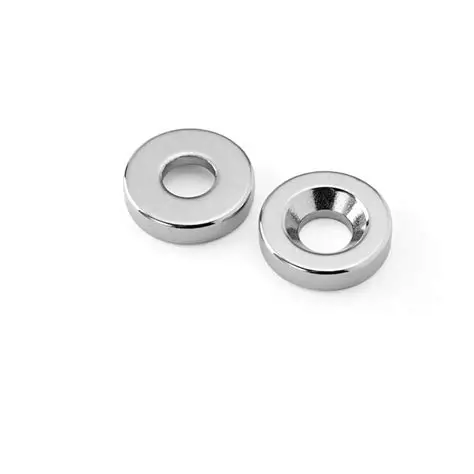
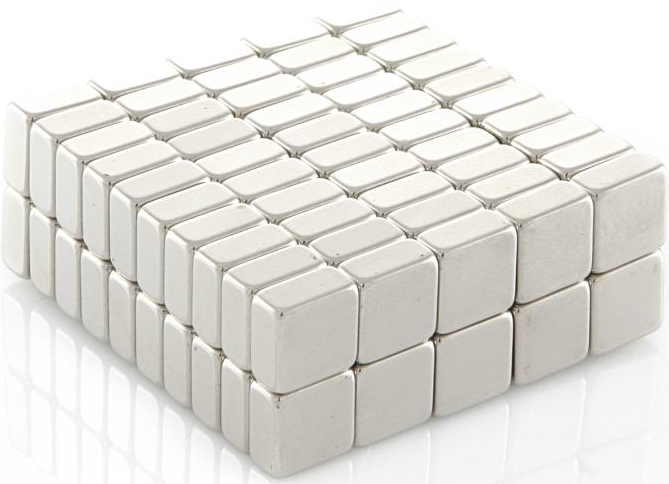
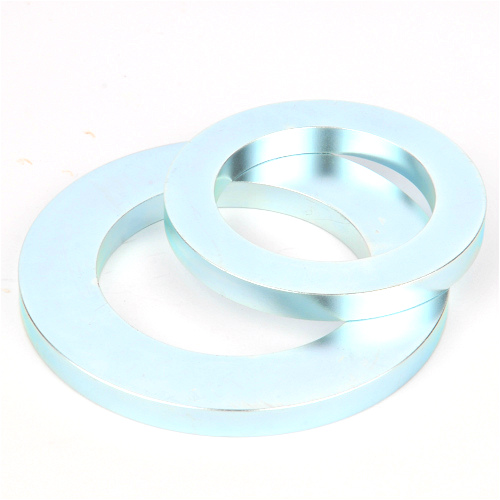
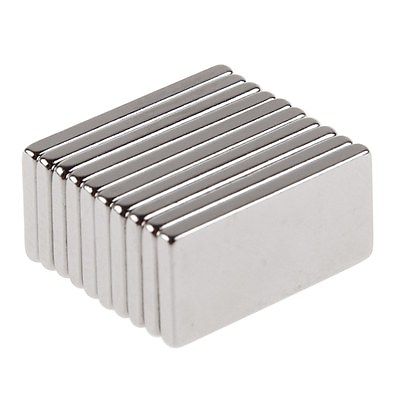
Shape complexity adds cost. Simple discs and blocks press easily and require minimal finishing. Arc segments, rings, and custom geometries need dedicated tooling and additional grinding. The permanent magnet price reflects that extra processing.
Tolerances matter too. As-pressed parts hold looser tolerances and cost less. Ground parts hold tighter tolerances and cost 15 to 30 percent more. Specify tight tolerances only where the assembly requires them.
How Quantity Changes the Price
Order quantity is the second biggest factor after material. Tooling and setup costs are fixed. When you order ten pieces, those costs spread across ten units. When you order ten thousand, they nearly vanish into the per-unit price.
Most suppliers publish tiered pricing. A typical structure might be one price for 1 to 99 pieces, a lower price for 100 to 999, a lower price again for 1,000 to 4,999, and the best pricing above 5,000. The gap between the smallest and largest tier often reaches 40 to 60 percent.
This is why a prototype order can look shockingly expensive compared to a bulk listing. You are not being overcharged. You are paying for setup on a small run.
If you need samples before committing, ask whether the supplier credits prototype costs toward a future production order. Some do, which softens the permanent magnet price on the first order and rewards you for continuing the relationship.
Coating Selection and Its Impact
Bare neodymium corrodes quickly. In humid air, oxidation begins within days. In contact with moisture, a bare magnet can crumble within weeks. Every neodymium magnet needs a coating, and the coating choice affects the permanent magnet price.
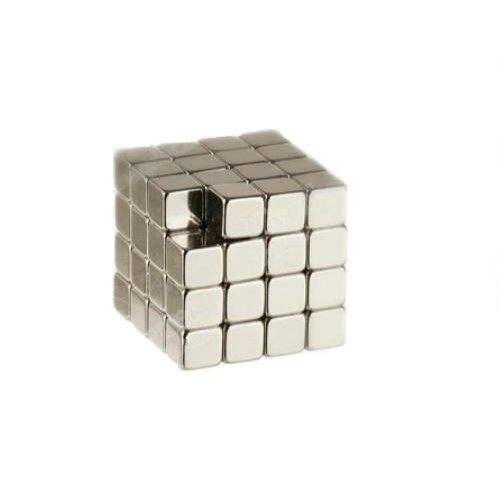
Nickel-copper-nickel plating is standard and most economical. It gives a bright silver finish and adequate protection for indoor use. Epoxy coating costs more but seals the magnet against moisture and salt spray, making it the right choice for outdoor and marine applications. Gold plating serves electronic and medical applications. Parylene is the premium option, applied through vapor deposition for medical implants and high-reliability electronics.
Choose based on your actual environment. Defaulting to the most expensive coating adds to the permanent magnet price without improving performance in a dry indoor application.
Market Forces That Move the Price
Rare earth prices fluctuate. China produces over 80 percent of global supply, so its export policies and production quotas directly affect the permanent magnet price worldwide. When dysprosium prices spike, high-temperature grades get more expensive. When neodymium prices fall, standard grades get cheaper.
Currency exchange rates affect international purchases. Most rare earth magnets are priced in US dollars. If your local currency weakens against the dollar, your landed cost rises even when the quoted price does not change.
Energy costs feed into production. Sintering requires sustained high temperatures and controlled atmospheres. Electricity and gas prices influence manufacturing costs, and those costs eventually appear in the permanent magnet price.
Shipping is easy to overlook. Magnets are dense and heavy. Freight can add 10 to 30 percent to the total, especially for air shipments where magnetic shielding requirements apply. Always compare landed cost rather than unit price alone.
How to Compare Quotes Properly
Comparing quotes is harder than it looks because specifications are not always stated the same way.
Ask for the grade in writing. Confirm whether dimensions are before or after coating, since coating adds thickness. Request the coating type and thickness. Confirm the magnetization direction with a diagram. Ask for the maximum operating temperature the magnet is rated for.
Request a material test report with each quote. Genuine N52 has remanence around 1.43 to 1.48 Tesla. If a quote comes in far below others for the same grade and dimensions, suspect grade substitution. This is the most common way buyers get burned on the permanent magnet price.
Order a sample before committing to production. Test it on your actual surface with your actual load. A magnet that looks good in a catalog photo may disappoint once paint, coating, and real-world conditions enter the picture.
Finally, weigh supplier reliability. A slightly higher price from a supplier who delivers on time and provides documentation is usually cheaper overall than a low price from one who causes production delays.
How Order Timing Affects Permanent Magnet Price
Timing your purchases can move the permanent magnet price more than any negotiation tactic. Rare earth markets are cyclical, and buyers who understand the rhythm often pay noticeably less than those who order reactively.
Rare earth prices respond to supply and demand in ways that are difficult to predict short term but visible over longer periods. Neodymium and praseodymium prices have historically spiked during supply disruptions and fallen during periods of weak industrial demand. A buyer who orders during a spike pays a premium. The same buyer ordering three months later may see a significantly lower permanent magnet price.
Seasonal patterns also exist. Industrial demand in major markets often slows during holiday periods, and suppliers become more willing to negotiate. Conversely, demand surges when automotive and consumer electronics manufacturers ramp production, pushing the permanent magnet price upward.
Dysprosium and terbium, used in high-temperature grades, show sharper volatility than neodymium. Their markets are smaller and more easily disrupted. Buyers of SH and UH grade magnets face larger price swings than buyers of standard grades, which makes timing more valuable for them.
Practical steps help. Track rare earth index prices rather than relying on supplier quotes alone. Build inventory during favorable windows instead of ordering only when stock runs out. Discuss forward pricing with suppliers who can lock in rates for three to six months. Some suppliers offer blanket orders that fix the permanent magnet price while allowing scheduled deliveries.
None of this requires market speculation. It simply means paying attention before placing an order rather than after. Over a year of regular purchasing, better timing can reduce the permanent magnet price you pay by a meaningful margin.
How Payment Terms and Currency Risk Affect Permanent Magnet Price
The permanent magnet price on a quotation is only part of what you will actually pay. Payment terms and currency exposure can shift the true cost by several percentage points, and these factors are often ignored during supplier comparison.
Payment terms vary widely across the industry. New customers are frequently asked to pay in advance, especially for first orders or custom tooling. Established customers may receive net 30 or net 60 terms. Some suppliers offer early payment discounts. Each arrangement affects your cash flow and the effective permanent magnet price you bear.
Currency risk is the bigger hidden factor. Most rare earth magnets are priced in US dollars because the supply chain concentrates in Asia. If your business operates in another currency, exchange rate movements can raise your landed cost even when the quoted price stays the same. A five percent currency swing on a large order can outweigh any discount you negotiated.
Some buyers manage this by locking in forward contracts with their bank. Others negotiate pricing in their local currency, accepting a small premium in exchange for certainty. A few suppliers offer currency adjustment clauses that share the risk between both parties.
International transactions also bring banking costs. Letters of credit, wire transfer fees, and intermediary bank charges add up. These are small in percentage terms but still part of the total permanent magnet price.
When comparing suppliers, ask for the full payment schedule rather than just the unit rate. Confirm the invoicing currency. Understand what happens if exchange rates move between order and delivery. This level of diligence prevents surprises at settlement and gives you a clearer view of the real permanent magnet price you are committing to.
FAQ: Your Permanent Magnet Price Questions Answered
1. Why does the permanent magnet price vary so much between suppliers?
Material grade authenticity is the biggest reason. Some suppliers quote lower grades while advertising premium ones. Manufacturing efficiency, geographic location, labor costs, and quality control investment all contribute. Shipping and import duties add to the delivered price. The lowest quote often reflects a lower grade or thinner coating rather than genuine savings.
2. Is a higher grade always worth the extra cost?
No. Higher grades deliver more strength per unit volume, which matters when space is tight. If you have room for a larger magnet, a lower grade often achieves the same result at a lower permanent magnet price. Choose grade based on size constraints and thermal requirements, not on chasing the biggest number.
3. How many pieces should I order to get competitive pricing?
Prototype quantities of 10 to 100 pieces carry the highest per-unit cost. Pricing improves noticeably at 1,000 pieces and again at 5,000 to 10,000 pieces. If your annual usage supports it, ordering in larger batches reduces the permanent magnet price substantially. Just weigh that against inventory carrying costs and storage space.
Conclusion
The permanent magnet price comes down to material, grade, size, geometry, coating, tolerance, and quantity, with market forces adding movement on top. Rather than chasing the lowest quote, focus on matching the specification to your real application and verifying what you are actually buying. Request test reports, order samples, and compare landed cost instead of unit price. Done properly, you get a magnet that performs reliably for years without overpaying for performance you do not need.
How to Choose Strong Magnets for Hanging Without Damaging Your Walls?