Hanging things on walls usually means drilling holes or trusting adhesive strips that fail. Strong magnets for hanging offer a third option that is fast, removable, and damage-free. This guide explains how they work and how to pick the right ones.
What Are Strong Magnets for Hanging
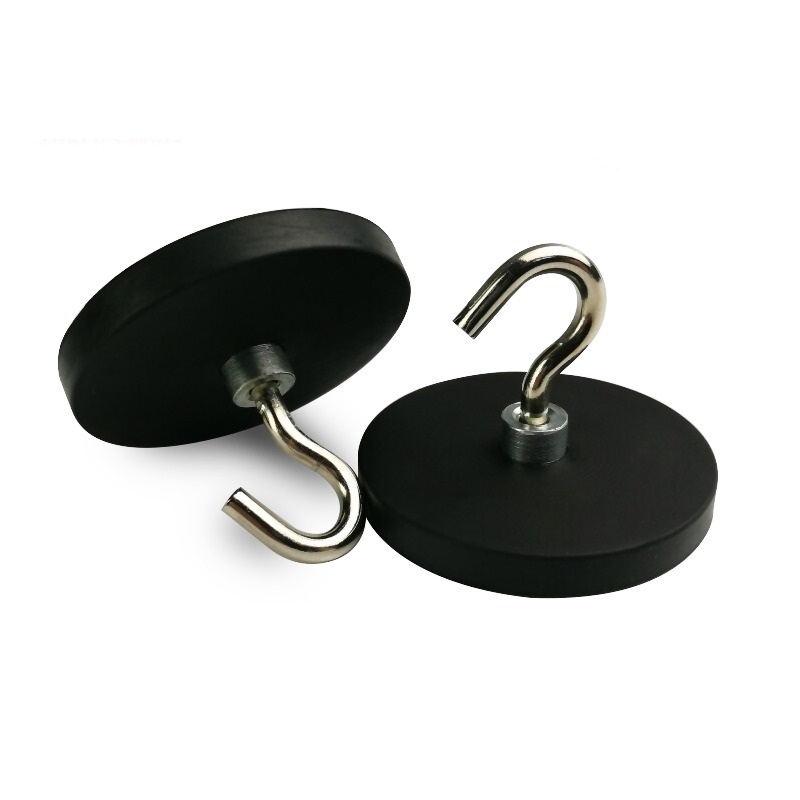
Strong magnets for hanging are permanent magnets designed to hold objects against a surface using magnetic force instead of screws, nails, or glue. Most are neodymium magnets, the strongest type available commercially. They come in several forms: pot magnets with steel housings, countersunk magnets that accept screws, magnetic hooks, and adhesive-backed discs.
The key difference from ordinary craft magnets is holding power. Strong magnets for hanging are rated to hold meaningful weight, often several kilograms, while staying in place over time. That rating assumes ideal conditions, which rarely exist in a real home. Understanding what reduces that rating is the first step to hanging things safely.
How Much Weight Can They Actually Hold
Manufacturer ratings describe performance under perfect conditions. The strong magnets for hanging sit flat against thick, smooth, clean steel, and the load pulls straight down. Change any of those variables and the real capacity drops.
Paint and coatings are the biggest culprits. A layer of paint between the magnet and the steel creates an air gap. Even half a millimeter of gap can cut holding force by half or more. This is why a magnet rated for 10 kilograms might struggle with a 3-kilogram item on a painted steel door.
Shear versus pull matters just as much. Pull force is measured straight away from the surface. Shear force is measured sideways, parallel to the surface. Strong Magnets for hanging resist shear far better than pull in most hanging situations, which is good news. But if your object hangs away from the wall and creates a lever effect, you are adding pull force, and the magnet may slide or release.
A practical rule: divide the rated pull force by three, then subtract more if the surface is painted or thin. That is your realistic working limit.
Choosing the Right Type for Your Surface
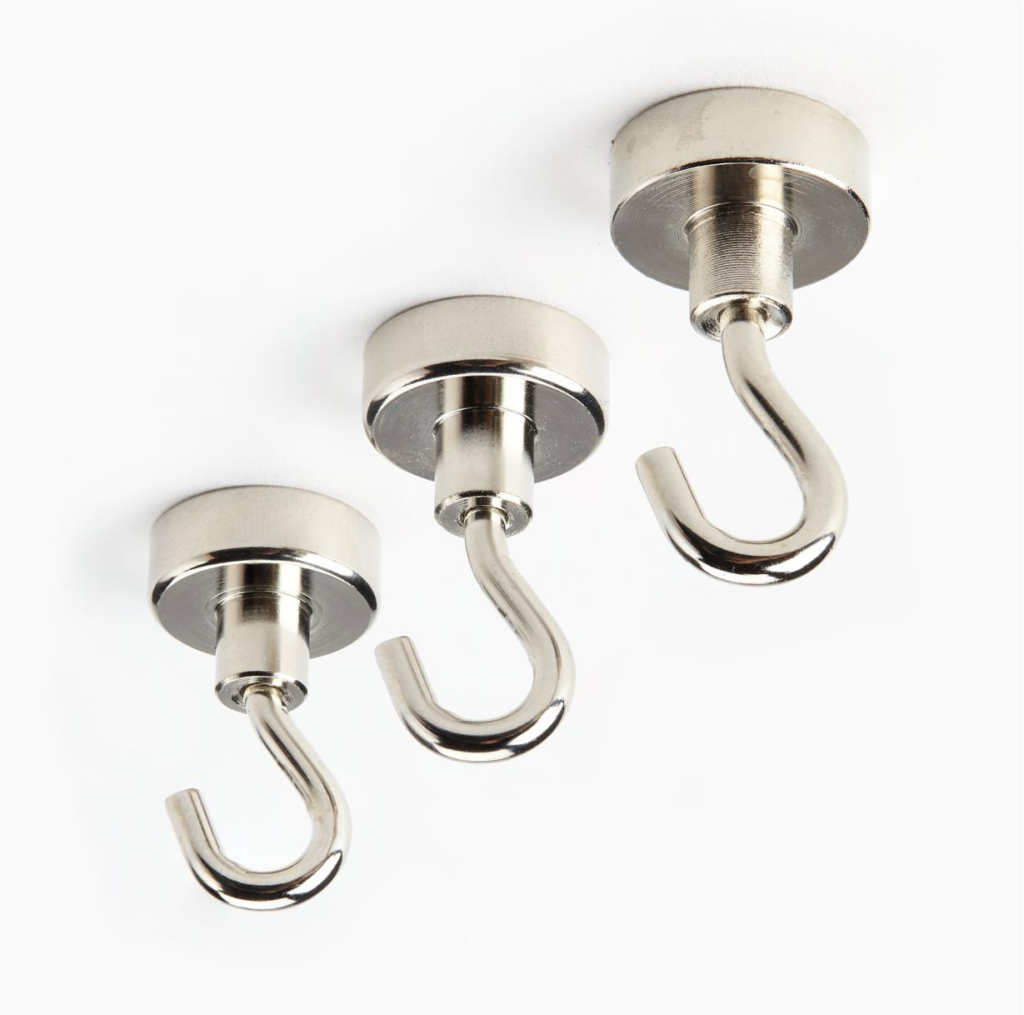
The right strong magnets for hanging depend entirely on what you are attaching to.
Steel and ferrous metal surfaces. This is the easy case. Pot magnets and magnetic hooks work directly. A pot magnet concentrates the field onto one face, giving roughly double the holding power of a bare magnet of the same size. This is usually the best choice for refrigerators, steel cabinets, and metal shelving.
Painted drywall and plaster. Strong Magnets for hanging do not stick to these at all. You need a two-part system: a steel plate screwed or adhered to the wall, and a magnet attached to the object. The steel plate becomes the magnetic target. This approach spreads the load across the plate and avoids concentrating stress on one spot.
Tile, glass, and laminate. Adhesive-backed steel plates work here, but check that the adhesive suits the surface. Some adhesives leave residue or fail in humid rooms like bathrooms.
Wood. Same principle. Attach a steel plate or a steel strip, then use magnets on the object side. Thin steel strips are available in rolls and can be cut to length with tin snips.
Common Mistakes That Cause Magnets to Fail
Most failures are predictable and avoidable. Here are the ones that come up again and again.
Ignoring the air gap. People test a magnet against bare steel, get excited by the strength, then mount it on a painted wall plate and wonder why it slides. Always test on the actual finished surface.
Using a magnet that is too small. A magnet that feels strong in your hand may still be too weak for a hanging load over time. Vibration, temperature changes, and slight surface imperfections all erode performance. Buy more magnet than you think you need.
Mounting overhead or at an angle. Magnets holding loads above head height are risky. If the grip fails, the object falls. Unless the magnet is specifically rated for overhead use, avoid it. For angled surfaces, remember that the load vector changes, and capacity drops.
Mixing magnet types. Stacking two magnets together does not double the holding force. It increases it somewhat, but the gain flattens quickly. A single larger magnet usually outperforms a stack of small ones.
Skipping surface preparation. Dust, oil, and moisture all reduce holding force. Wipe both surfaces clean and dry before mounting.
Installation Tips That Make a Difference
A few habits separate a hanging setup that lasts for years from one that fails in a week.
Slide, don’t snap. Letting a strong magnet jump onto a steel surface can crack the magnet or chip its coating. Bring it in at an angle, touch one edge first, then lower it into place.
Use a thin protective layer. A piece of felt or a thin rubber pad between the magnet and a painted surface prevents scratches without adding much gap. This is especially useful on refrigerators and painted cabinets.
Position for shear, not pull. Hang items so gravity pulls them downward along the wall surface. This uses the magnet’s shear resistance, which is its strongest mode.
Test with extra weight. Before hanging anything valuable, load the magnet with more weight than the actual object. If it holds, you have margin. If it creeps or slides, upgrade.
Check periodically. Magnets do not wear out quickly, but adhesives can soften, coatings can corrode, and steel plates can loosen. A quick check every few months catches problems early.
Safety Notes for Strong Magnets for Hanging
Neodymium magnets deserve respect. A few precautions prevent injuries and damage.
Keep them away from pacemakers, implantable defibrillators, and insulin pumps. The magnetic field can interfere with these devices, and the risk is serious. Maintain at least 30 centimeters of distance.
Keep them away from credit cards, hotel key cards, and mechanical watches. The magnetic strip on cards can be erased by close contact.
Store loose magnets with spacers between them. Two strong magnets for hanging snapping together can pinch fingers hard enough to cause a blood blister or break a nail. Slide them apart rather than pulling.
Keep small magnets away from children and pets. If two or more small magnets are swallowed, they can attract each other through intestinal walls and cause severe internal injury requiring surgery. This is a medical emergency.
How to Test Strong Magnets for Hanging Before You Trust Them?
Buying strong magnets for hanging based on a catalog rating is risky. The number on the listing describes a laboratory condition that almost never matches your wall. Testing before you commit is the only reliable way to know what a magnet will actually do.
Start with a simple load test on the real surface. Mount the strong magnets for hanging exactly the way you plan to use it. Then hang progressively heavier weights rather than jumping straight to the target load. A plastic bucket and measured amounts of water work well because you can add weight in small increments. Watch for two things: does the magnet slide, and does it release? Sliding usually happens first, especially on painted surfaces.
Test the surface in the worst condition you expect. If the garage gets hot in summer, test in the afternoon heat. If the bathroom is steamy, run the shower first. Magnets that pass a cool, dry test can fail under real conditions. This is especially true for any magnet used on a painted surface where the paint softens slightly with temperature.
Time matters as much as weight. A magnet may hold a load for an hour and then creep over a full day. Leave the test load hanging overnight and check it the next morning. If it has shifted even a few millimeters, the setup has no margin and should be upgraded.
Test the mounting plate if you are using one. The steel plate’s attachment to the wall is often the weak link, not the magnet. Adhesive-backed plates can release in humid conditions. Screwed plates can work loose in drywall under a constant sideways load.
Finally, test the removal side. You need to be able to take the object down without damaging the surface or hurting your fingers. If removing the magnet requires serious force, add a pull tab or switch to a lower grade.
Comparing Pot Magnets and Magnetic Hooks for Hanging Tasks
When shopping for strong magnets for hanging, two designs come up constantly: pot magnets and magnetic hooks. They look similar in a product photo, but they solve different problems.
Pot magnets, sometimes called cup magnets, consist of a magnet set inside a steel shell. The shell redirects the magnetic field from the back and sides onto a single face. This roughly doubles the holding force compared to a bare magnet of the same size. Pot magnets hold objects against a steel surface, so they work best when the item itself is flat or has a flat backing plate. A pot magnet is the right choice when you want the object pulled tight against a refrigerator, cabinet, or steel panel. Many pot magnets include a threaded stud or countersunk hole so you can bolt them to a fixture first.
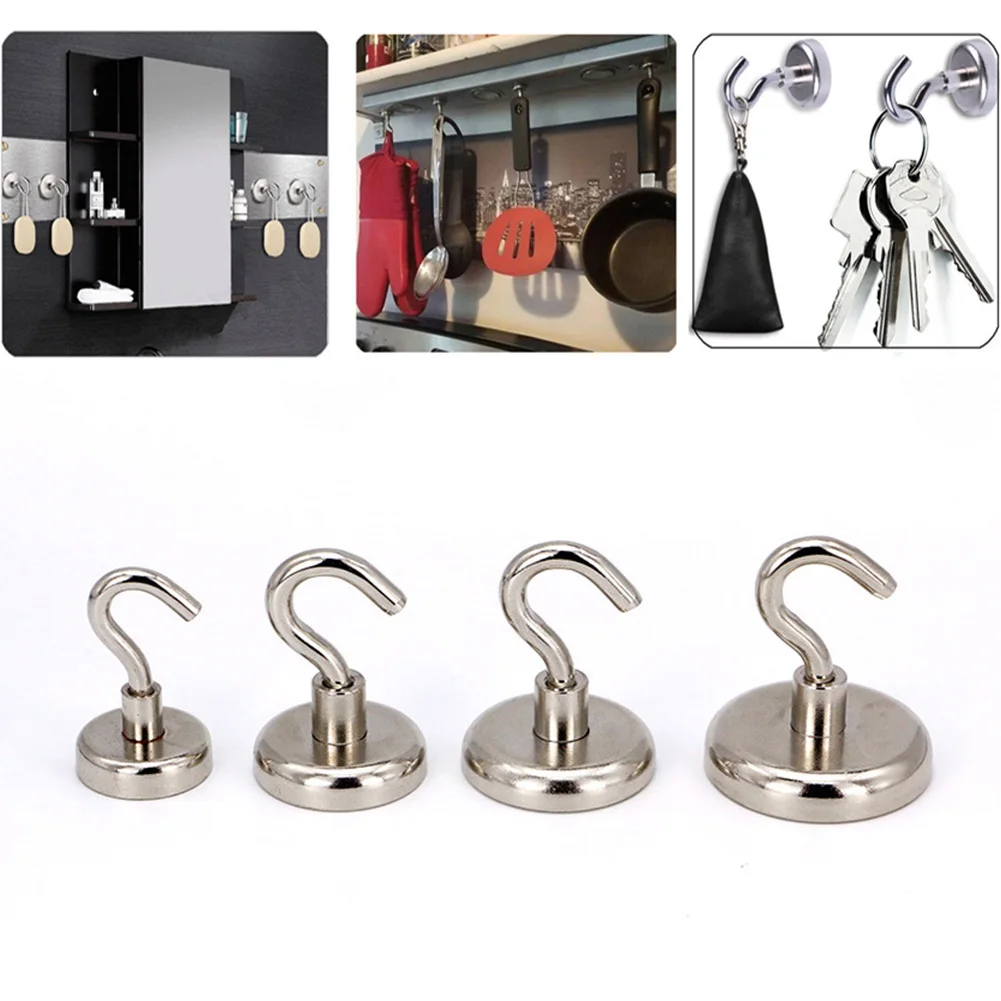
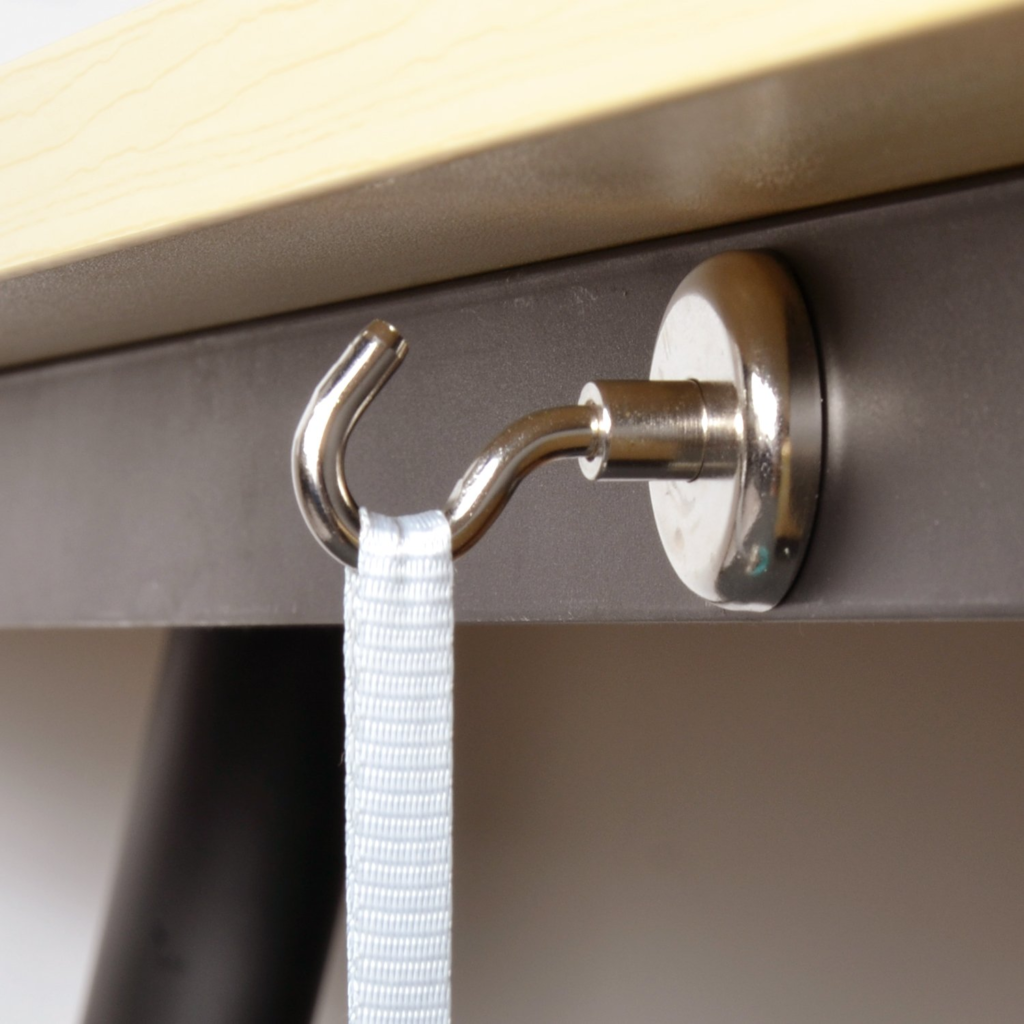
Magnetic hooks combine a magnet base with a curved hook. Instead of pressing an object flat, they let you hang things by a loop, handle, or cord. This is useful for keys, lanyards, small tools, and anything with a hanging point. However, a hook creates a lever effect. The load pulls outward from the wall, which is the direction magnets resist least. That means a magnetic hook typically holds less usable weight than a pot magnet of the same base diameter. The hook geometry also concentrates force at one point rather than spreading it.
A practical way to choose: if the item can lie flat against the surface, use a pot magnet. If the item must hang from a loop or handle, use a hook, but size up and keep the load light. For anything heavy in a hook configuration, consider a steel plate system rather than relying on the magnet alone. Understanding this difference prevents the most common disappointment people have with strong magnets for hanging.
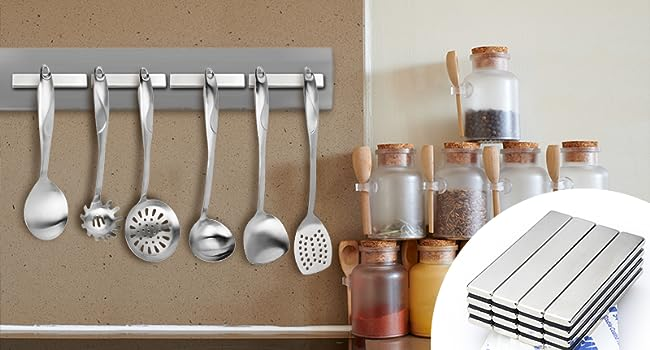
FAQ: Your Strong Magnets for Hanging Questions Answered
1. Will strong magnets for hanging damage my refrigerator or painted walls?
They can cause fine scratches if you slide them across the surface, especially if grit is trapped underneath. Clean both surfaces first and place the magnet down gently rather than sliding it. Adding a thin felt pad to the magnet base protects the finish without meaningfully reducing holding power.
2. How do I hang something on drywall using magnets?
You cannot stick a magnet directly to drywall. Attach a steel plate or steel strip to the wall using screws or strong adhesive, then attach the magnet to the object you want to hang. The steel plate becomes the target, and the load is carried by the plate’s mounting, not by the magnet alone.
3. Can I use strong magnets for hanging outdoors?
Yes, but choose the right coating and expect reduced performance in temperature extremes. Epoxy or rubber-coated magnets resist moisture and salt spray far better than bare nickel plating. Keep in mind that standard neodymium magnets lose strength above 80 degrees Celsius, so avoid direct summer sun on dark metal surfaces.
Conclusion
Strong magnets for hanging solve a real problem, but only when you match the strong magnets for hanging to the surface and the load. Check the actual holding surface rather than the ideal rating, use a steel plate where magnets cannot stick directly, and always build in a safety margin. Handle them carefully, keep them away from medical devices and children, and check your setup occasionally. Done right, magnetic hanging is one of the cleanest, most reversible ways to organize a space without putting a single hole in the wall.
High Power Magnet Price: Grade, Size, and Market Factors Explained