Global manufacturing relies heavily on magnetic components for countless products. Magnet China has become the world’s leading source for these essential parts. This guide helps you navigate the market and find reliable suppliers.
What is Magnet
A magnet is a material or object that produces an invisible magnetic field. This field attracts certain metals, primarily iron, nickel, and cobalt. Permanent magnets maintain their magnetic field without external power. Electromagnets generate magnetism only when electric current flows through them.
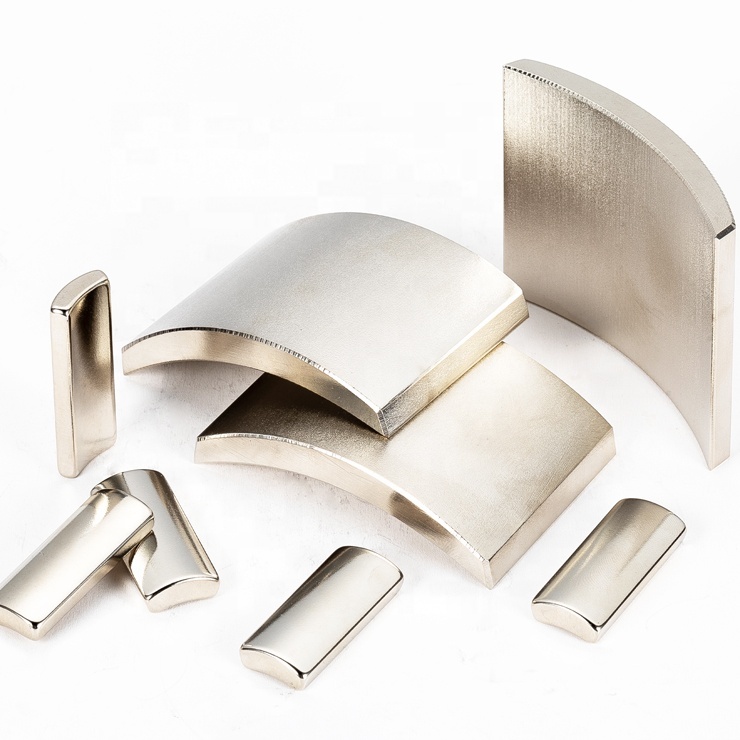
Magnets work because of the alignment of tiny magnetic domains within the material. In a permanent magnet, these domains lock in the same direction, creating a persistent north and south pole. The strength depends on the material composition and manufacturing process. Magnets power electric motors, generate electricity in wind turbines, store data in hard drives, and secure everything from refrigerator doors to smartphone cases. They are silent, maintenance-free, and essential to modern technology.
Specifications and Types of Magnet China Products
Understanding the main types and specifications helps you select the right magnet for your application. Magnet manufacturers produce all major categories.
Neodymium Magnets
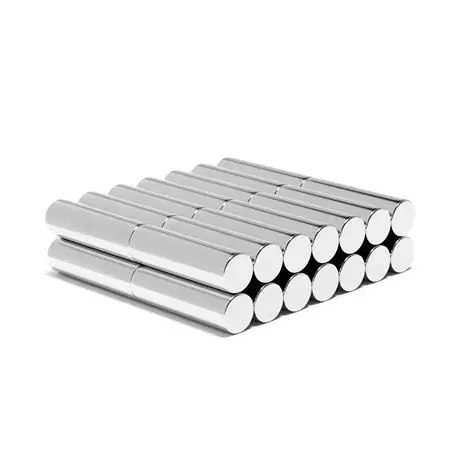
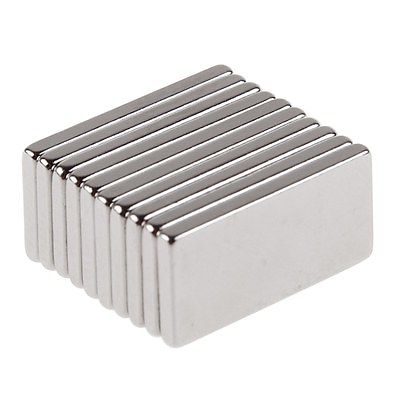
Neodymium-iron-boron magnets are the strongest permanent magnets commercially available. Grades range from N35 to N52, with higher numbers indicating greater strength. Magnet factories produce these in vast quantities for motors, sensors, headphones, and holding applications. Standard nickel-copper-nickel coating protects against corrosion. High-temperature grades with suffixes like H, SH, and UH extend operating limits to 200 degrees Celsius.
Ferrite Magnets
Ferrite or ceramic magnets offer good magnetic strength at the lowest cost. They resist corrosion naturally and handle temperatures up to 250 degrees Celsius. Magnet suppliers produce ferrite magnets in large volumes for loudspeakers, refrigerator seals, and craft applications. Their lower strength makes them suitable where size and weight matter less than cost.
Samarium Cobalt Magnets
Samarium cobalt magnets provide excellent temperature stability and corrosion resistance. They operate reliably above 300 degrees Celsius. These magnets suit aerospace, defense, and high-temperature industrial applications. Magnet manufacturers produce samarium cobalt in smaller quantities due to higher material costs and specialized processing requirements.
Alnico Magnets
Alnico magnets combine aluminum, nickel, and cobalt with iron. They offer outstanding temperature stability up to 500 degrees Celsius. Their lower coercivity limits some applications, but they excel in sensors and guitar pickups. Several Magnet foundries continue traditional alnico casting alongside modern powder metallurgy.
Key Specifications to Understand
When ordering from Magnet suppliers, specify these parameters clearly. Remanence indicates the magnetic field strength. Coercivity measures resistance to demagnetization. Maximum energy product summarizes overall magnetic power. Operating temperature defines the safe working range. Coating type determines corrosion protection. Dimensional tolerances affect fit and assembly. Complete specifications ensure you receive magnets that perform as expected.
How to Find Supplier in Magnet China
Finding a reliable supplier requires systematic research and careful verification. The Magnet China market includes thousands of manufacturers with varying capabilities and quality standards.
Step 1: Define Your Requirements Completely
Document every specification before contacting suppliers. Specify material, grade, shape, dimensions, coating, and magnetization direction. Note your required quantity, target price, and delivery timeline. A complete specification package enables accurate quoting. It also signals to Magnet China suppliers that you are a professional buyer who values precision.
Step 2: Research Supplier Background and Specialization
Investigate potential suppliers thoroughly. Review their company history and production scale. Some Magnet factories specialize in specific magnet types or industries. A manufacturer focused on automotive motor magnets differs from one producing consumer craft magnets. Check how long they have operated and whether they export to your country.
Step 3: Verify Certifications and Quality Systems
Request copies of quality certifications. ISO 9001 is the minimum baseline. IATF 16949 certification applies to automotive supply chains. ISO 14001 demonstrates environmental management commitment. RoHS and REACH compliance confirm the Magnet China supplier meets international safety standards. Certifications indicate investment in documented quality processes.
Step 4: Request Material Certifications and Test Reports
Insist on complete material traceability. Each batch should include certificates showing actual magnetic properties. For neodymium magnets, request the grade certification and demagnetization curves. Some Magnet suppliers mislabel lower grades as N52. Independent testing verifies the magnets match their claimed specifications. A trustworthy supplier provides documentation without hesitation.
Step 5: Order Samples and Conduct Thorough Testing
Never commit to production without testing physical samples. Order prototypes and test them in your actual application. Measure pull force, field strength, and temperature performance. Check coating quality and corrosion resistance. Drop tests reveal brittleness issues. Sample testing identifies problems before they affect your entire order.
Step 6: Evaluate Communication and Responsiveness
Observe how the supplier communicates during inquiry and sampling. Do they respond promptly and answer questions completely? Do they offer technical suggestions based on your application? Clear communication from Magnet suppliers indicates professional management. Language barriers can cause costly misunderstandings, so verify that key technical details are understood.
Step 7: Plan Logistics and Understand Import Requirements
Magnetic products require special shipping considerations. Strong magnets affect aircraft navigation if not packaged properly. Discuss shipping methods and packaging with your Magnet supplier. Factor in import duties, customs clearance, and delivery time. Strong magnetic fields require shielded packaging for air transport. Ocean freight costs less but takes longer.
Related: The Rare Earth Supply Chain and Magnet China
Understanding the global rare earth supply chain helps explain why Magnet dominates the market. Rare earth elements form the foundation of neodymium and samarium cobalt magnets.
China possesses the world’s largest reserves of rare earth elements and has invested heavily in extraction and processing infrastructure. The country produces over 80 percent of the world’s rare earth oxides. This raw material advantage extends downstream to magnet manufacturing. Magnet China factories benefit from proximity to raw material sources, reducing transportation costs and supply chain complexity.
The supply chain includes several stages. Mining extracts rare earth ores from the ground. Separation facilities isolate individual elements like neodymium, praseodymium, and dysprosium. Alloy manufacturers combine these elements with iron and boron to create magnetic powder. Magnet China factories compact, sinter, and magnetize this powder into finished products. Each stage requires significant technical expertise and capital investment.
Environmental regulations increasingly affect the Magnet China industry. Rare earth processing generates waste products that require careful management. Chinese authorities have tightened environmental standards, closing illegal operations and requiring cleaner production methods. This regulatory trend pushes the industry toward more sustainable practices while potentially affecting supply and pricing.
FAQ: Your Magnet China Questions Answered
1. How can I verify that Magnet China suppliers sell genuine grade N52 magnets?
Request a material test report showing actual remanence and maximum energy product values. Genuine N52 neodymium has remanence of approximately 1.43 to 1.48 Tesla. Compare physical size and measured pull force against theoretical values. If the price seems significantly lower than other Magnet China quotes for N52, suspect mislabeling. Third-party testing provides definitive verification.
2. What is the typical minimum order quantity from Magnet China manufacturers?
Minimum order quantities vary by product type and supplier. Standard stock sizes may have no minimum or low minimums of a few hundred pieces. Custom magnets requiring new tooling typically require minimums of 1,000 to 10,000 pieces depending on size and complexity. Some Magnet China factories accept smaller prototype orders at higher per-unit pricing. Discuss your expected annual volume to negotiate favorable terms.
3. How long does shipping take from Magnet China suppliers?
Express air freight typically delivers within 3 to 7 business days. Economy air freight takes 7 to 14 days. Ocean freight requires 25 to 40 days depending on destination ports. Strong magnets often cannot travel by air without special shielded packaging due to aviation safety regulations. Factor customs clearance time into your schedule. Reliable Magnet China suppliers help arrange appropriate shipping and provide tracking information.
Conclusion
Sourcing from Magnet China offers access to the world’s largest and most diverse magnet manufacturing industry. Understanding the different magnet types and key specifications helps you select the right products for your application. Systematic supplier evaluation protects against quality issues and ensures reliable delivery. By verifying certifications, testing samples, and establishing clear communication, you build successful partnerships with Magnet China manufacturers. Whether you need high-performance neodymium for electric motors or cost-effective ferrite for consumer goods, the right supplier delivers quality and value.
N52 Neodymium Magnets: 7 Powerful Reasons They Are the Strongest Choice