Sourcing the right magnetic components can make or break your product design. A trustworthy magnets company delivers consistent quality along with expert technical guidance. This guide walks you through everything you need to know to find the perfect partner.
Magnets Specifications and Types
Understanding the main magnet types and their specifications helps you communicate clearly with any magnets company. Different materials offer unique balances of strength, temperature resistance, and cost.
Neodymium Magnets
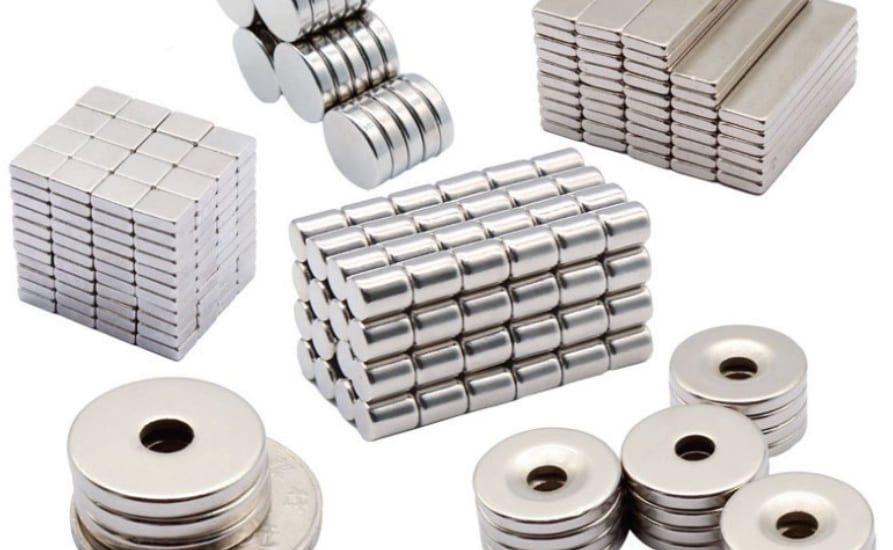
Neodymium-iron-boron magnets are the strongest permanent magnets available commercially. Their maximum energy product reaches 52 MGOe for N52 grade. These magnets suit applications requiring maximum power in minimum space. Electric motors, smartphone speakers, magnetic fasteners, and medical devices all use neodymium magnets. Standard grades operate up to 80 degrees Celsius. High-temperature versions with dysprosium additions extend the working range to 200 degrees Celsius. A knowledgeable magnets company recommends the appropriate grade based on your operating temperature.
Ferrite Magnets
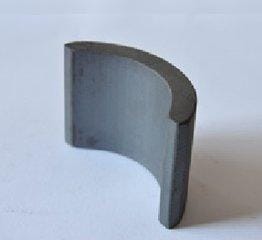
Ferrite or ceramic magnets offer good magnetic strength at the lowest cost. They resist corrosion naturally without protective coatings. Operating temperatures reach 250 degrees Celsius without permanent strength loss. These magnets serve in loudspeakers, refrigerator seals, DC motors for appliances, and educational products. Their lower strength requires larger sizes for equivalent holding force. A cost-focused magnets company often recommends ferrite for price-sensitive consumer applications.
Samarium Cobalt Magnets
Samarium cobalt provides excellent temperature stability and corrosion resistance. These magnets maintain properties above 300 degrees Celsius, making them essential for aerospace, defense, and high-temperature industrial sensors. They cost more than neodymium but deliver unmatched reliability in extreme environments. A specialized magnets company serving military or oil exploration industries typically stocks samarium cobalt options.
Alnico Magnets
Alnico magnets combine aluminum, nickel, and cobalt with iron. They withstand temperatures up to 500 degrees Celsius. Their lower coercivity limits certain applications, but they excel in sensors, guitar pickups, and instruments requiring stable fields over wide temperature ranges. Some magnets companies continue traditional alnico casting alongside modern powder metallurgy production.
Key Specifications to Understand
When ordering from a magnets company, specify these parameters clearly. Remanence indicates the magnetic field strength after magnetization. Coercivity measures resistance to demagnetization. Maximum energy product summarizes overall magnetic power in MGOe. Operating temperature defines the safe working range. Coating type determines environmental protection. Dimensional tolerances affect assembly fit. Magnetization direction tells which faces are north and south poles.
How to Find a Magnets Company
Finding a reliable supplier requires systematic research and careful verification. Follow these steps to identify a magnets company that delivers quality products and dependable service.
Step 1: Define Your Magnet Requirements Completely
Document every specification before contacting suppliers. Specify the material, grade, shape, dimensions, coating, and magnetization direction. Note your required quantity, target price range, and delivery timeline. Include the operating environment conditions such as temperature, humidity, and chemical exposure. A complete specification package enables accurate quoting and shows the magnets company you are a professional buyer.
Step 2: Research the Supplier’s Background and Specialization
Investigate how long the company has operated. Review their product range and industry focus. Some magnets companies specialize in automotive motor magnets. Others focus on consumer products or industrial holding applications. Check their website for technical resources and case studies. A magnets company with deep expertise in your industry understands specific requirements and potential challenges.
Step 3: Verify Quality Certifications
Request copies of relevant certifications. ISO 9001 certification demonstrates a functioning quality management system. IATF 16949 certification applies to automotive supply chains with stringent defect prevention requirements. ISO 14001 shows environmental management commitment. RoHS and REACH compliance confirm the magnets company meets international safety standards for hazardous substances. Certifications indicate investment in documented, repeatable processes.
Step 4: Request Material Certifications and Test Data
Insist on material traceability documentation. Each magnet batch should come with certificates showing actual magnetic properties. For neodymium magnets, request the specific grade certification. Some magnets companies mislabel lower grades as N52 to command higher prices. Compare measured properties against theoretical values for the claimed grade. Independent third-party testing provides definitive verification for critical applications.
Step 5: Order and Test Physical Samples
Never commit to production without evaluating samples. Order prototype magnets and test them in your actual application. Measure pull force or field strength. Test at operating temperature to verify performance. Check coating quality and corrosion resistance. Drop testing reveals brittleness issues. Physical samples reveal quality differences that specification sheets cannot communicate. A confident magnets company welcomes sample testing.
Step 6: Evaluate Communication and Technical Support
Send a technical inquiry and observe the response carefully. Does the magnets company ask clarifying questions about your application? Do they suggest alternative materials or designs that could improve performance or reduce cost? The best suppliers act as engineering partners rather than order takers. Prompt, professional, and technically accurate communication indicates strong management.
Step 7: Compare Total Cost Including Logistics
Request quotes based on estimated annual usage. Magnetic products are heavy relative to size. Shipping costs significantly impact total landed cost. Compare pricing from multiple magnets companies including both domestic and international options. Strong magnets require special shielded packaging for air transport due to aviation safety regulations. Ocean freight costs less but takes longer. Calculate total cost of ownership, not just unit price.
Step 8: Check References and Long-Term Reliability
Request references from clients with similar requirements. Contact those references and ask about quality consistency, on-time delivery, and problem resolution. A magnets company with long-standing customer relationships demonstrates reliability. The best suppliers invest in continuous improvement and share process capability data. Long-term partnerships yield ongoing cost optimization and technical innovation.
Notices When Working with a Magnets Company
Important safety and handling considerations apply when purchasing and using strong magnets. Keep these notices in mind throughout your project.
Safety Warnings for Strong Magnets
Neodymium magnets can cause serious pinch injuries if body parts get caught between two attracting magnets. Large magnets snap together with incredible speed and force. Always handle strong magnets with thick protective gloves. Keep magnets away from pacemakers, implantable defibrillators, and insulin pumps. The magnetic field can disrupt these medical devices. A responsible magnets company includes clear safety warnings with their products.
Shipping and Packaging Requirements
Strong magnetic fields interfere with aircraft navigation systems. The International Air Transport Association regulates magnetic shipments. Magnets must be packaged in shielded containers that reduce stray field strength below specified limits. Discuss shipping requirements with your magnets company before ordering. Improper packaging causes shipment rejections and delays. Ocean freight avoids many air transport restrictions but takes significantly longer.
Storage and Handling Best Practices
Store magnets in sturdy containers with individual compartments. This prevents them from snapping together forcefully, which can cause chipping or shattering. Keep magnets away from electronic devices, credit cards, and mechanical watches. The magnetic fields erase magnetic strips and interfere with sensitive electronics. A reputable magnets company provides storage and handling guidelines with product documentation.
Counterfeit and Mislabeled Products
The magnet market includes dishonest suppliers who mislabel lower-grade products. An N35 magnet labeled as N52 costs less to produce but delivers far less performance. If a price quote seems unusually low compared to other magnets company offers, suspect misrepresentation. Request material test reports and verify with independent testing when specifications are critical.
Environmental and Temperature Limitations
Magnets lose strength permanently when heated beyond their maximum operating temperature. Standard neodymium grades degrade above 80 degrees Celsius. Using these magnets near engines, heaters, or sterilization equipment requires high-temperature grades. Inform your magnets company about all environmental conditions the magnet will encounter. Moisture exposure requires appropriate coating selection to prevent corrosion.

Related: Applications Across Different Industries
Understanding how various industries use magnets helps you appreciate the breadth of applications a magnet company serves.
The automotive industry consumes enormous quantities of magnets. Electric vehicle traction motors use large neodymium magnet arrays. Power steering systems, brake sensors, and transmission speed sensors all require precision magnetic components. A single modern vehicle contains dozens of magnets performing critical functions. Automotive-grade magnets companies maintain IATF 16949 certification and rigorous quality systems.
Consumer electronics depend on miniature magnets. Smartphone speakers and vibration motors use tiny neodymium magnets. Laptop lid sensors detect open and closed positions. Wireless charging systems use magnet arrays for device alignment. These applications demand precise dimensions and consistent magnetic properties in very small packages.
Medical devices require biocompatible, corrosion-resistant magnets. MRI machines use enormous superconducting magnets, but smaller permanent magnets appear in surgical instruments, implantable devices, and diagnostic equipment. Medical-grade magnets companies maintain ISO 13485 certification and provide full material traceability.
Renewable energy generation uses magnets extensively. Direct-drive wind turbines eliminate gearboxes by using large permanent magnet rings. Hydroelectric generators and wave energy converters also use magnetic systems. These applications demand high reliability over decades of continuous operation in harsh environments.
Industrial automation uses magnets for holding, lifting, and sensing. Magnetic grippers handle steel parts without mechanical clamping. Conveyor systems use magnetic pulleys and rails. Position sensors rely on precise magnetic fields for accurate feedback. A diversified magnets company serves multiple industrial sectors with specialized product lines.
FAQ: Your Magnets Company Questions Answered
1. How can I verify that a magnets company sells genuine grade N52 neodymium?
Request a material test report showing actual remanence and maximum energy product values. Genuine N52 has remanence of approximately 1.43 to 1.48 Tesla and energy product of 50 to 52 MGOe. Compare physical dimensions and measured pull force against theoretical calculations. If the price seems significantly lower than other magnets company quotes for N52, suspect mislabeling. Independent laboratory testing using a hysteresisgraph provides definitive verification.
2. What is the typical lead time for custom magnets?
Standard stock magnets ship within days. Custom magnets without new tooling typically ship in three to five weeks. If a new pressing die must be designed and fabricated, add six to ten weeks for tooling. Complex multi-pole magnetization patterns require additional processing time. Rush orders are sometimes possible at premium pricing. A reliable magnets company communicates lead times transparently and updates you about any delays.
3. Can a magnets company help with magnetic circuit design?
Yes, many established magnets companies offer engineering support including magnetic circuit design assistance. They can perform finite element analysis to model field patterns and predict holding forces. They recommend the optimal material, grade, and geometry for your application. This engineering service adds significant value, helping you avoid costly design mistakes. When evaluating suppliers, ask about their engineering capabilities and design support offerings.
Conclusion
Choosing the right magnets company is a strategic decision that impacts product quality, reliability, and cost. By understanding magnet types and specifications, you can communicate requirements clearly and evaluate supplier capabilities effectively. Systematic supplier evaluation protects against quality issues and ensures reliable delivery. Following safety and handling notices prevents injuries and equipment damage. Whether you need high-performance neodymium for electric motors or cost-effective ferrite for consumer goods, the right magnets company becomes a valuable engineering partner for long-term success.
N52 Neodymium Magnets: 7 Powerful Reasons They Are the Strongest Choice