Are you looking for the strongest permanent magnets available today? N52 neodymium magnets represent the pinnacle of magnetic performance, offering maximum strength in a compact size.
This guide will explain everything you need to know about N52 magnets, from their composition and manufacturing process to how they compare with other grades. Whether you are an engineer, hobbyist, or procurement professional, understanding these powerful magnets will help you make the right choice for your project.
What is N52 Neodymium Magnets
N52 neodymium magnets are the highest commercially available grade of neodymium-iron-boron (NdFeB) permanent magnets. The “N” stands for neodymium, and the number “52” represents the maximum energy product, which is 52 MGOe (Mega Gauss Oersteds). This makes N52 magnets the strongest permanent magnets you can buy on the open market.
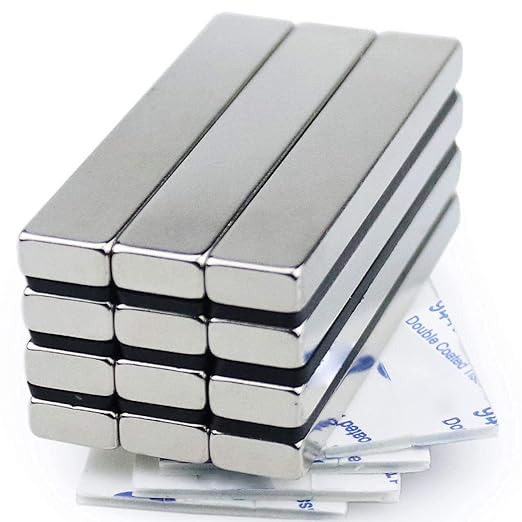
The composition of N52 neodymium magnets includes a precise alloy of neodymium, iron, and boron. The manufacturing process involves powder metallurgy, where the alloy is ground into a fine powder, pressed in a magnetic field, and sintered at high temperatures to create a dense, solid magnet.
What sets N52 magnets apart is their exceptional magnetic strength relative to their size. A small N52 magnet can hold hundreds of times its own weight. This incredible power-to-size ratio makes them the preferred choice for applications where space is limited but strong magnetic force is required.
N52 magnets generate a magnetic field with a maximum energy product of 52 MGOe, a remanence (Br) of approximately 14,800 Gauss, and a coercivity (Hc) of at least 11,200 Oersteds. These parameters confirm why N52 magnets are considered the gold standard in magnetic performance.
Shapes and Uses of N52 Neodymium Magnets
N52 neodymium magnets are available in a wide variety of shapes to suit different applications. Each shape serves specific purposes, and choosing the right one is essential for optimal performance.
Disc and Cylinder Magnets
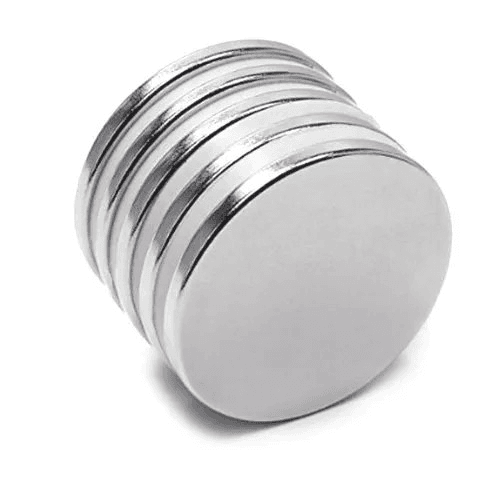
Disc and cylinder-shaped N52 magnets are among the most popular forms. They are commonly used in sensors, actuators, magnetic couplings, and holding applications. Their circular shape allows for even magnetic distribution along the axis of magnetization.
Block and Bar Magnets
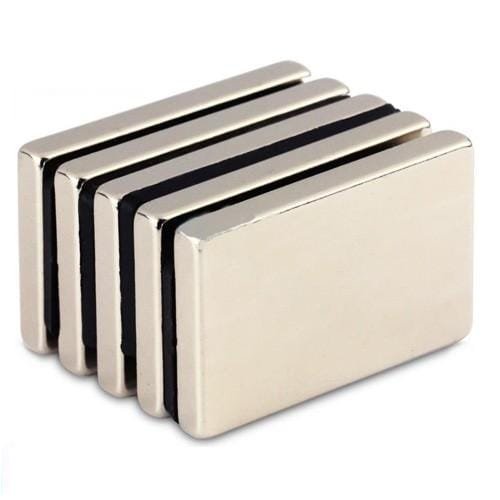
Block or rectangular N52 magnets are ideal for applications requiring a flat, strong magnetic surface. They are widely used in magnetic separation, holding fixtures, and as components in electric motors and generators. The flat surface of these N52 magnets provides excellent contact area for holding and clamping.
Ring Magnets
Ring or donut-shaped neodymium magnets are designed for applications needing a central hole, such as in magnetic bearings, loudspeakers, and rotary encoders. The hollow center allows for mounting on shafts or for passing wires through while still providing strong magnetic performance.
Sphere and Ball Magnets
Spherical neodymium magnets are often used in magnetic toys, jewelry clasps, and ball joint mechanisms. Their unique shape allows for 360-degree magnetic field interaction, making them versatile for creative applications.
Custom Shapes
For specialized applications, neodymium magnets can be manufactured in custom shapes, including trapezoids, arcs, and segments. These are often used in high-performance electric motors, wind turbine generators, and automotive sensors.
Common uses for neodymium magnets include:
- Electric vehicle motors and drivetrains
- High-end loudspeakers and headphones
- Magnetic resonance imaging (MRI) machines
- Aerospace and defense systems
- Industrial automation and robotics
- Renewable energy systems like wind turbines
- Medical devices and surgical tools
How Are Made: Step-by-Step
Manufacturing neodymium magnets is a complex process that requires precision and strict quality control. Understanding how neodymium magnets are made helps appreciate their high performance and cost.
Step 1: Raw Material Preparation
The process begins with sourcing high-purity neodymium, iron, and boron. These elements are melted together in a vacuum induction furnace to form a homogeneous alloy. The exact proportions of each element are critical for producing neodymium magnets with the desired magnetic properties.
Step 2: Strip Casting
The molten alloy is rapidly cooled using a strip casting technique. This creates thin, uniform flakes of the alloy. Strip casting ensures a fine, consistent microstructure essential for high-performance neodymium magnets.
Step 3: Hydrogen Decrepitation (HD)
The alloy flakes are exposed to hydrogen gas, causing them to become brittle and fracture into coarse powder. This step makes the material easier to grind into a fine powder later.
Step 4: Jet Milling
The coarse powder is then ground into a fine powder with particles approximately 3 to 5 microns in size using a jet mill. This fine powder is the precursor for neodymium magnets. The particle size distribution is carefully controlled because it directly affects the final magnetic properties.
Step 5: Pressing in a Magnetic Field
The fine powder is pressed into the desired shape using one of two methods: axial pressing or isostatic pressing. Crucially, this pressing happens within a strong magnetic field, which aligns the magnetic domains in the preferred direction. This alignment is what gives neodymium magnets their incredible magnetic strength.
Step 6: Sintering
The pressed parts are heated to temperatures around 1,000 to 1,100 degrees Celsius in a vacuum or inert gas furnace. During sintering, the powder particles fuse together, creating a dense, solid magnet. This high-temperature step is critical for developing the final magnetic properties of neodymium magnets.
Step 7: Machining
After sintering, the magnets are near-net shape but may require additional machining to achieve tight tolerances. Because neodymium magnets are hard and brittle, they are machined using diamond grinding tools to achieve precise dimensions.
Step 8: Coating and Plating
To prevent corrosion, neodymium magnets are coated with protective layers such as nickel, zinc, epoxy, or gold. The coating not only protects the magnet but also enhances its durability in demanding environments.
Step 9: Magnetization
Once coated, the magnet is exposed to a powerful external magnetic field that aligns all the magnetic domains. This is the final step that activates the magnetic properties of neodymium magnets, making them ready for use.
Step 10: Testing and Quality Control
Every batch of neodymium magnets undergoes rigorous testing to verify magnetic properties, dimensions, and coating integrity. Only magnets that meet the strict N52 specifications are shipped to customers.
Difference Between N52 and N35
Understanding the difference between N52 and N35 magnets is crucial for selecting the right magnet for your application. Both are N52 neodymium magnets are often compared to N35, the baseline grade of neodymium magnets.
Maximum Energy Product
The most significant difference between N52 and N35 is the maximum energy product. N52 offers 52 MGOe, while N35 provides only 35 MGOe. This means N52 neodymium magnets are approximately 49% stronger than N35 magnets of the same size.
Remanence (Br)
Remanence is the residual magnetic flux density after the magnetizing field is removed. N52 has a remanence of approximately 14,800 Gauss, whereas N35 has about 12,100 Gauss. Therefore, N52 neodymium magnets produce a stronger surface magnetic field.
Coercivity (Hc)
Coercivity measures a magnet’s resistance to demagnetization. N52 has a coercivity of around 11,200 Oersteds, while N35 has about 10,600 Oersteds. This indicates that N52 neodymium magnets are also more resistant to demagnetizing forces.
Cost Difference
Because of the higher performance, N52 neodymium magnets are significantly more expensive than N35. The superior raw materials and tighter manufacturing tolerances required for N52 make them costlier. However, for applications where size and weight are critical, the premium price of N52 neodymium magnets is well justified.
Application Suitability
N35 magnets are suitable for general-purpose applications where cost is a primary concern and space is not limited. In contrast, N52 neodymium magnets are the go-to choice for high-performance applications like electric motors, high-end audio equipment, and aerospace systems where maximum strength in a small package is essential.
Temperature Effect on Magnets
Temperature significantly affects the performance of neodymium magnets. Understanding how temperature impacts these powerful magnets is essential for proper application and longevity.
Operating Temperature Range
Standard neodymium magnets are rated for a maximum operating temperature of approximately 80 degrees Celsius. Beyond this temperature, the magnet will begin to lose its magnetic strength permanently if exposed for extended periods.
Reversible Temperature Loss
Within the safe operating range, neodymium magnets experience a reversible loss of magnetic strength. This means that as temperature increases, magnetic output decreases, but the strength returns when the magnet cools back down. The reversible temperature coefficient for neodymium magnets is approximately -0.12% per degree Celsius.
Irreversible Temperature Loss
If N52 neodymium magnets are heated beyond their maximum operating temperature, they can experience permanent, irreversible loss of magnetic properties. This degradation occurs because the magnet’s microstructure is altered, and some magnetic domains become permanently misaligned.
Curie Temperature
The Curie temperature is the point at which a magnet completely loses its magnetic properties. For N52 neodymium magnets, the Curie temperature is approximately 310 degrees Celsius. However, permanent damage occurs well before reaching the Curie temperature.
Thermal Stability Grades
For applications requiring higher temperature resistance, manufacturers offer thermal stability grades of neodymium magnets, such as N52M, N52H, and N52SH. These grades add heavy rare earth elements like dysprosium to improve temperature stability, though at a higher cost.
Cooling and Heat Management
When using neodymium magnets in high-power applications, proper cooling and heat management are essential. Heat sinks, cooling fans, and thermal barriers can help maintain optimal temperatures for neodymium magnets, ensuring consistent performance and long service life.
FAQ
1. Are N52 neodymium magnets safe for everyday use?
Yes, neodymium magnets are generally safe when used with proper precautions. However, because they are exceptionally strong, they can pose serious hazards. Keep neodymium magnets away from electronic devices, pacemakers, credit cards, and mechanical watches to avoid interference or damage. Never allow two strong neodymium magnets to snap together, as they can shatter or cause crushing injuries to fingers.
2. Can N52 neodymium magnets be machined or drilled?
No, N52 neodymium magnets should never be drilled, cut, or machined after they are magnetized. They are hard and brittle materials that will crack or shatter if subjected to standard machining processes. Additionally, the heat generated during machining can permanently demagnetize them. All shaping of N52 neodymium magnets should be done by the manufacturer before magnetization.
3. How long do N52 neodymium magnets last?
N52 neodymium magnets have an extremely long lifespan, often exceeding 100 years when used under proper conditions. They are considered permanent magnets because they lose less than 1% of their magnetic strength over a decade. However, factors like high temperatures, corrosion, and strong opposing magnetic fields can shorten the lifespan of N52 neodymium magnets. Proper coating and careful application will ensure they last for decades.
Conclusion
N52 neodymium magnets represent the ultimate in permanent magnet technology, offering the highest magnetic strength available in a compact form. From their complex manufacturing process to their diverse shapes and applications, these magnets are essential components in modern technology. The difference between N52 and N35 grades highlights the significant performance gains available, while understanding temperature effects ensures you use N52 neodymium magnets safely and effectively.
Whether you are designing a cutting-edge electric motor or simply need a strong magnet for a DIY project, N52 neodymium magnets offer unparalleled performance. Their strength, durability, and long lifespan make them a valuable investment for any application requiring maximum magnetic force in minimal space.
Ready to purchase high-quality N52 neodymium magnets? As a direct Chinese supplier, we offer premium N52 magnets at competitive prices with custom options available. Contact us today to get a quote and discuss your specific needs. Let our expertise help you find the perfect N52 neodymium magnets for your project.
Understanding Great Neodymium Magnets Price: A 2026 Guide for Buyers