Sourcing powerful magnets requires more than just finding the lowest price online. A trustworthy neodymium magnet supplier delivers consistent quality, accurate specifications, and valuable technical support. This guide will help you navigate the selection process with confidence and find the perfect partner.
What is Neodymium Magnet
A neodymium magnet is a permanent magnet made from an alloy of neodymium, iron, and boron. It is the strongest type of permanent magnet commercially available today. These magnets generate incredibly powerful magnetic fields relative to their small size. A neodymium magnet the size of a coin can hold several kilograms of weight effortlessly.
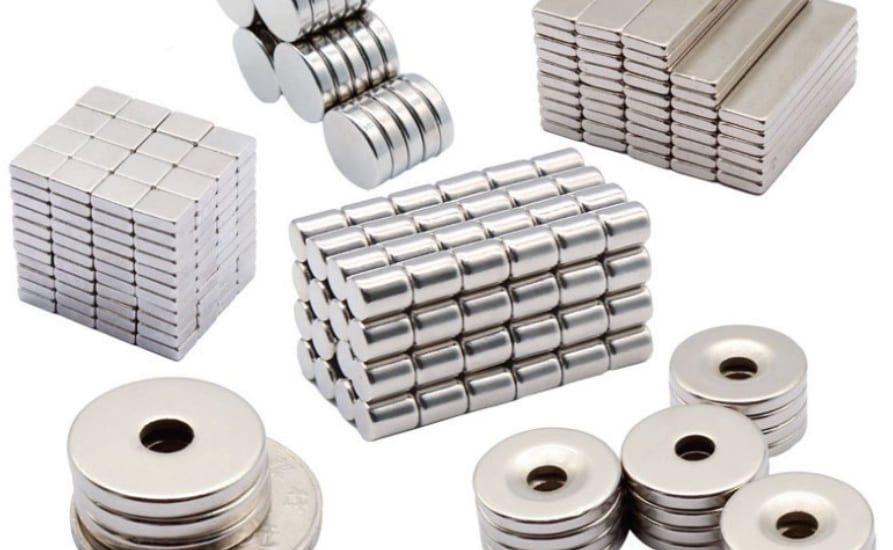
The strength comes from the material’s unique tetragonal crystal structure. This structure gives the magnet extremely high resistance to demagnetization. Once magnetized, it stays magnetized for decades under normal conditions. These magnets appear in countless products including electric vehicle motors, wind turbine generators, smartphone speakers, medical devices, and magnetic fasteners. A quality neodymium magnet supplier produces these components in various grades, shapes, and coatings to match diverse application requirements.
How to Find a Reliable Neodymium Magnet Supplier
Selecting the right manufacturing partner requires systematic evaluation of technical capabilities and quality systems. Follow these steps to identify a neodymium magnet supplier who delivers consistent quality.
Step 1: Define Your Magnet Requirements Completely
Document every specification before contacting any supplier. Specify the magnet grade required, such as N35, N42, or N52. Note the exact dimensions, shape, coating type, and magnetization direction. Define the operating temperature range and environmental conditions. State your expected annual volume and target budget. Complete documentation enables accurate quoting and shows the neodymium magnet supplier that you are a serious, professional buyer.
Step 2: Research the Supplier’s Background
Investigate how long the company has operated in the magnet industry. Review their product range and industry focus. Some suppliers specialize in automotive motor magnets. Others focus on consumer electronics or industrial holding applications. Check their website for technical resources, case studies, and certifications. A neodymium magnet supplier with deep expertise in your specific industry understands relevant requirements and potential challenges.
Step 3: Verify Material Sourcing and Grade Authenticity
Ask about the origin of their raw materials. The rare earth supply chain involves complex global logistics. A trustworthy neodymium magnet supplier provides full material traceability and certificates of conformance. Be cautious of prices that seem too good to be true. Counterfeit or mislabeled magnets are common, with lower grades sold as N52. Request material test reports showing actual remanence, coercivity, and maximum energy product values.
Step 4: Evaluate Production and Magnetizing Capabilities
Review the supplier’s equipment and capacity. Do they press and sinter magnets in-house or simply resell products from other factories? A true neodymium magnet supplier operates pressing, sintering, machining, and magnetizing equipment. Ask about their press tonnage range. Inquire about their machining capabilities for custom shapes and tight tolerances. Check whether they can apply specialized coatings like epoxy, parylene, or gold plating.
Step 5: Assess Quality Control and Testing Procedures
Quality testing separates professional suppliers from commodity traders. Ask about their testing equipment and procedures. Do they use a Helmholtz coil and fluxmeter for measuring magnetic moment? Can they perform a full hysteresisgraph analysis? Do they conduct salt spray testing to verify coating durability? Request a sample quality certificate. A responsible neodymium magnet supplier documents every parameter thoroughly.
Step 6: Review Certifications and Compliance
Verify relevant certifications. ISO 9001 is the minimum baseline quality management standard. IATF 16949 certification applies to automotive supply chains. ISO 14001 demonstrates environmental management commitment. RoHS and REACH compliance confirms the neodymium magnet supplier meets international safety standards for hazardous substances.
Step 7: Request and Test Physical Samples Thoroughly
Never commit to a bulk order without evaluating physical samples. Order prototype magnets and test them in your actual application. Measure pull force or field strength under real conditions. Test at operating temperature to verify performance. Check coating quality and corrosion resistance. Drop testing reveals brittleness issues. A confident neodymium magnet supplier welcomes sample testing and supports your evaluation process.
Step 8: Evaluate Communication and Long-Term Partnership Fit
Send a technical inquiry and observe the response carefully. Does the supplier ask clarifying questions about your application? Do they suggest alternative materials or designs that could improve performance or reduce cost? The best neodymium magnet supplier acts as an engineering partner rather than just an order taker. Prompt, professional, and technically accurate communication indicates strong management.
Related: Understanding Magnet Grades and Their Impact on Performance
Magnet grades directly affect the strength and temperature resistance of the final product. Understanding these grades helps you communicate effectively with any neodymium magnet supplier.
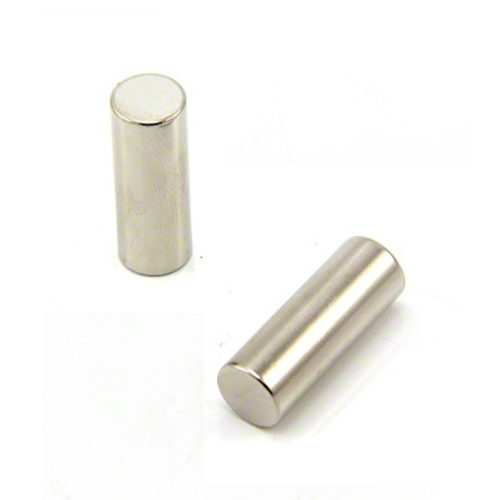
The grade system uses the letter N followed by a number. N35 represents the entry level of neodymium magnets. It offers good magnetic strength at the most economical price point. N42 provides a balanced combination of strength and durability for general applications. N52 delivers the maximum commercially available magnetic power. The number indicates the maximum energy product in Mega-Gauss-Oersteds.
Higher grades cost more but deliver more magnetic flux per unit volume. However, the relationship is not always linear. An N52 magnet costs significantly more than an N35 magnet of the same size but may not provide proportionally more holding force in real-world applications. A larger N35 magnet often achieves the same pull force as a smaller N52 at a lower cost. A knowledgeable neodymium magnet supplier helps you evaluate this trade-off.
High-temperature grades use letter suffixes to indicate their thermal capabilities. M grade works up to 100 degrees Celsius. H grade reaches 120 degrees Celsius. SH grade operates at 150 degrees Celsius. UH grade handles 180 degrees Celsius. EH grade withstands 200 degrees Celsius. These grades contain dysprosium or terbium to increase intrinsic coercivity. The addition of these heavy rare earth elements increases cost substantially.
Grade selection depends entirely on the application. A neodymium magnet supplier should ask about your operating temperature before recommending a grade. Using a high-temperature grade for a room-temperature application wastes money. Using a standard grade in a hot environment causes premature failure. The right grade balances performance requirements against cost constraints.
Related: Common Coating Options and Environmental Protection
Coatings protect neodymium magnets from corrosion and mechanical damage. A quality neodymium magnet supplier offers multiple coating options to match different operating environments.
Nickel-copper-nickel plating is the standard finish for most neodymium magnets. This triple-layer system provides a shiny silver appearance and adequate protection for indoor use. The copper underlayer blocks moisture penetration while the nickel outer layers provide hardness and cosmetic appeal. Most general-purpose magnets feature this coating. It is the most economical option from any neodymium magnet supplier.
Epoxy coating provides superior moisture resistance for outdoor and marine applications. The thick polymer layer seals the magnet completely against water and salt spray. Epoxy coatings come in black or gray and withstand harsh environmental exposure. A neodymium magnet supplier serving the marine, automotive, or outdoor equipment industries typically maintains epoxy coating capabilities in-house.
Parylene coating offers an ultra-thin, pinhole-free polymer layer applied through vapor deposition. This coating is biocompatible and suitable for medical implants and surgical instruments. It provides excellent barrier properties in a layer only a few microns thick. A neodymium magnet supplier supplying the medical device industry invests in parylene coating technology and cleanroom processing.
Gold plating provides both corrosion resistance and electrical conductivity for electronic applications. The gold layer prevents oxidation while allowing reliable electrical contact. These magnets appear in connectors, sensors, and high-reliability electronic devices. Gold plating adds significant cost but delivers unique functional benefits.
Zinc plating offers a cost-effective coating for indoor applications where appearance is less critical. The thin zinc layer provides basic corrosion protection at minimal cost. Some neodymium magnet supplier companies offer zinc as an economical alternative to nickel for price-sensitive consumer products.
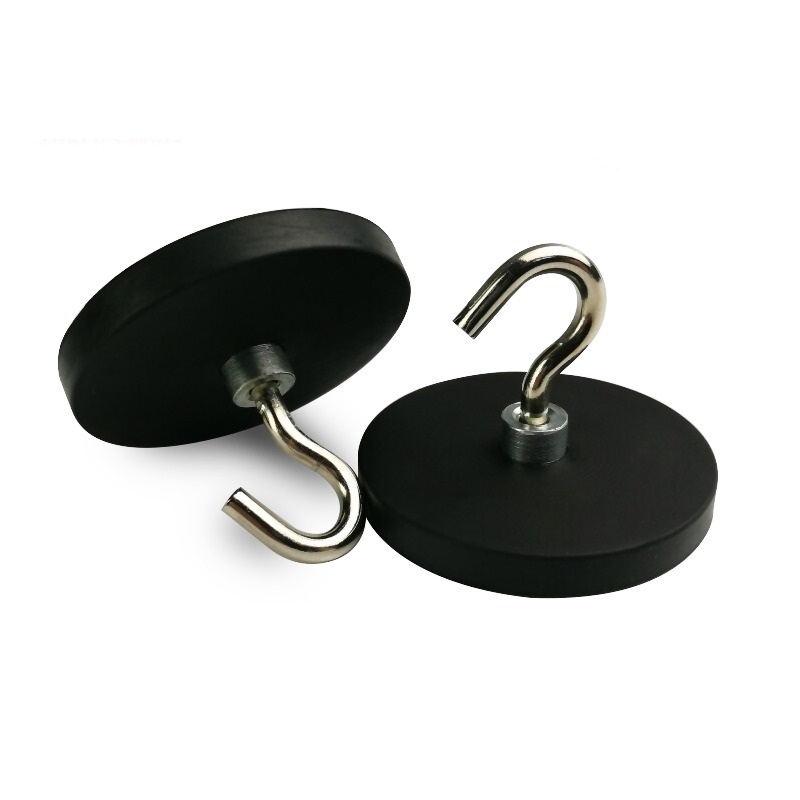
Rubber and plastic coatings add grip and impact resistance. These coatings protect both the magnet and the surfaces it contacts. They are popular for mounting applications, craft projects, and consumer products. The coating also provides some degree of corrosion protection while adding functionality.
FAQ: Your Neodymium Magnet Supplier Questions Answered
1. How can I verify that a neodymium magnet supplier sells genuine N52 grade magnets?
Request a material test report showing actual remanence and maximum energy product values. Genuine N52 has remanence of approximately 1.43 to 1.48 Tesla and energy product of 50 to 52 MGOe. Compare the physical size and measured pull force against theoretical values. If the price seems significantly lower than other quotes for N52, suspect mislabeling. Independent laboratory testing using a hysteresisgraph provides definitive verification.
2. What is the typical lead time from a neodymium magnet supplier?
Standard stock magnets ship within days. Custom magnets without new tooling typically ship in three to five weeks. If a new pressing die must be designed and fabricated, add six to ten weeks for tooling. Complex multi-pole magnetization patterns require additional processing time. Rush orders are sometimes possible at premium pricing. A reliable neodymium magnet supplier communicates lead times transparently.
3. Can a neodymium magnet supplier help with magnetic circuit design?
Yes, many established suppliers offer engineering support including magnetic circuit design assistance. They can perform finite element analysis to model field patterns and predict holding forces. They recommend the optimal material, grade, and geometry for your specific application. This engineering service adds significant value by helping you avoid costly design mistakes. When evaluating potential suppliers, ask about their engineering capabilities.
Conclusion
Choosing the right neodymium magnet supplier is a strategic decision that impacts product quality, reliability, and overall cost. By understanding magnet grades, coatings, and specifications, you can communicate requirements clearly and evaluate supplier capabilities effectively. Systematic supplier evaluation protects against quality issues and ensures reliable delivery. Whether you need high-performance magnets for electric motors or specialized coatings for medical devices, the right neodymium magnet supplier becomes an invaluable extension of your engineering team.
7 Reasons to Choose High Temperature Neodymium Magnets for Great Applications