Standard neodymium magnets lose strength rapidly when exposed to heat, limiting their use in many environments. High temperature neodymium magnets solve this problem by maintaining magnetic performance at elevated temperatures. This guide explains how these specialized magnets work and where to source them.
What is High Temperature Neodymium Magnets
High temperature neodymium magnets are permanent magnets made from neodymium, iron, and boron that have been specially formulated to resist demagnetization at elevated temperatures. Standard neodymium magnets begin losing strength above 80 degrees Celsius. These specialized versions can operate reliably at temperatures ranging from 120 to over 200 degrees Celsius depending on the grade.
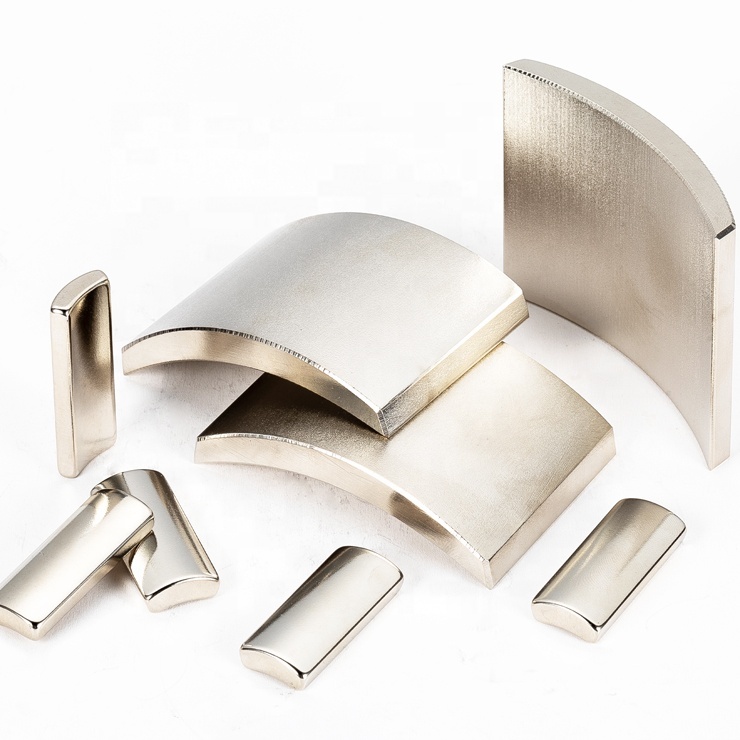
The secret lies in the material composition. By adding heavy rare earth elements like dysprosium or terbium, manufacturers increase the magnet’s intrinsic coercivity. This metallurgical change makes the magnetic domains much harder to flip or randomize when thermal energy increases. High temperature neodymium magnets retain their magnetic properties even when standard grades would suffer irreversible losses. They are essential for applications in automotive engines, industrial motors, downhole drilling equipment, and any environment where heat is a constant challenge.
Types and Applications of High Temperature Neodymium Magnets
Understanding the different grades and their applications helps you select the right magnet for your specific operating conditions. High temperature neodymium magnets use letter suffixes to indicate their maximum working temperature.
M Grade Magnets
M grade magnets withstand operating temperatures up to 100 degrees Celsius. These represent the entry level of high temperature neodymium magnets. They cost moderately more than standard N grades and suit applications with mild heat exposure. Typical uses include small motors in power tools, sensor magnets in automotive engine compartments, and magnetic couplings in warm industrial environments.
H Grade Magnets
H grade magnets operate reliably up to 120 degrees Celsius. They offer a good balance between temperature resistance and cost. These high temperature neodymium magnets serve in electric power steering motors, transmission sensors, and industrial servo motors. The H grade is one of the most commonly specified high temperature grades for automotive under-hood applications.
SH Grade Magnets
SH grade magnets maintain performance up to 150 degrees Celsius. They contain higher levels of dysprosium to achieve this thermal stability. Applications include traction motors in hybrid and electric vehicles, high-performance industrial motors, and generator systems. These high temperature neodymium magnets are critical for modern electric powertrains where compact size and high efficiency are essential.
UH Grade Magnets
UH grade magnets withstand temperatures up to 180 degrees Celsius. They represent the premium tier of high temperature neodymium magnets. These magnets appear in oil drilling equipment, aerospace actuators, and specialized military applications. The high dysprosium content increases cost significantly but provides unmatched thermal stability for the most demanding environments.
EH Grade Magnets
EH grade magnets operate at temperatures up to 200 degrees Celsius. They are the highest commercially available grade of high temperature neodymium magnets. Applications include downhole sensors for geothermal and deep oil wells, certain aerospace components, and specialized scientific instruments. Only a few manufacturers produce EH grade magnets due to the extreme technical requirements.
Applications Across Industries
Electric vehicle traction motors depend on SH and UH grade magnets. The motor operates at high speeds and temperatures while demanding consistent performance. Automotive sensors for ABS, throttle position, and camshaft timing use H and SH grade high temperature neodymium magnets. Industrial servo motors powering robotics and CNC machines require SH grade for reliability during continuous operation. Medical sterilization equipment uses magnets that must survive repeated autoclave cycles. Wind turbine generators benefit from magnets that maintain efficiency despite internal heat buildup.
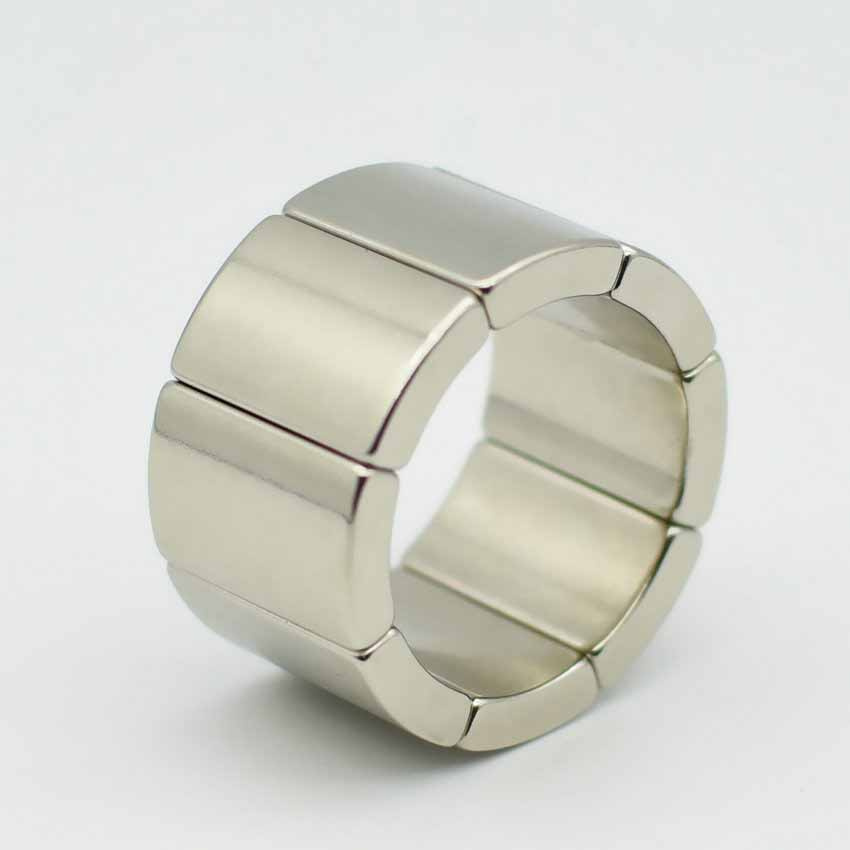
How to Find a Supplier for High Temperature Neodymium Magnets
Selecting the right supplier requires careful evaluation of technical capabilities and quality systems. Follow these steps to find a partner who delivers genuine high temperature neodymium magnets.
Step 1: Define Your Temperature Requirements Precisely
Document the maximum operating temperature your magnet will encounter. Include peak temperatures during operation and any thermal cycling. Note whether the magnet faces continuous heat exposure or occasional spikes. This information determines the minimum grade required. Providing accurate temperature data helps suppliers recommend the right high temperature neodymium magnets for your application.
Step 2: Verify Grade Authenticity with Documentation
Request material test reports showing actual magnetic properties at room temperature and elevated temperatures. Genuine high temperature neodymium magnets have specific coercivity values that distinguish them from standard grades. Ask for demagnetization curves at your operating temperature. A reputable supplier provides these curves showing how much flux remains at temperature. Beware of suppliers who cannot produce thermal performance data.
Step 3: Evaluate the Supplier’s Testing Capabilities
Ask about their thermal testing equipment. Do they have ovens and fluxmeters for measuring magnetic properties at temperature? Can they perform irreversible loss testing by heating magnets to the rated temperature and measuring the permanent strength loss after cooling? These tests verify that high temperature neodymium magnets meet their specifications. A capable supplier invests in comprehensive thermal testing.
Step 4: Assess Production Experience with High Temperature Grades
Producing high temperature neodymium magnets requires different process parameters than standard grades. The added dysprosium affects pressing behavior and sintering cycle optimization. Ask the supplier about their experience volume with these specialized grades. A manufacturer who occasionally produces H grade may not have the expertise for consistent UH or EH grade production.
Step 5: Review Quality Certifications
Verify relevant certifications. ISO 9001 is the minimum baseline. IATF 16949 certification demonstrates automotive-grade quality management essential for motor applications. ISO 14001 shows environmental management commitment. RoHS and REACH compliance confirm the high temperature neodymium magnets meet international safety standards.
Step 6: Request Samples and Conduct Thermal Testing
Order prototype magnets and test them in your actual application at operating temperature. Measure the magnetic field strength before and after heat exposure. Run multiple thermal cycles to verify stability. This real-world validation reveals performance that specification sheets cannot fully communicate. A confident supplier welcomes thermal testing of their high temperature neodymium magnets.
Step 7: Evaluate Cost Versus Performance Trade-offs
Higher temperature grades cost significantly more due to dysprosium content. An SH grade may cost 30 to 50 percent more than standard N grade. UH and EH grades command even higher premiums. Work with the supplier to select the most cost-effective grade that meets your actual needs. Over-specifying the temperature rating wastes money without adding value.
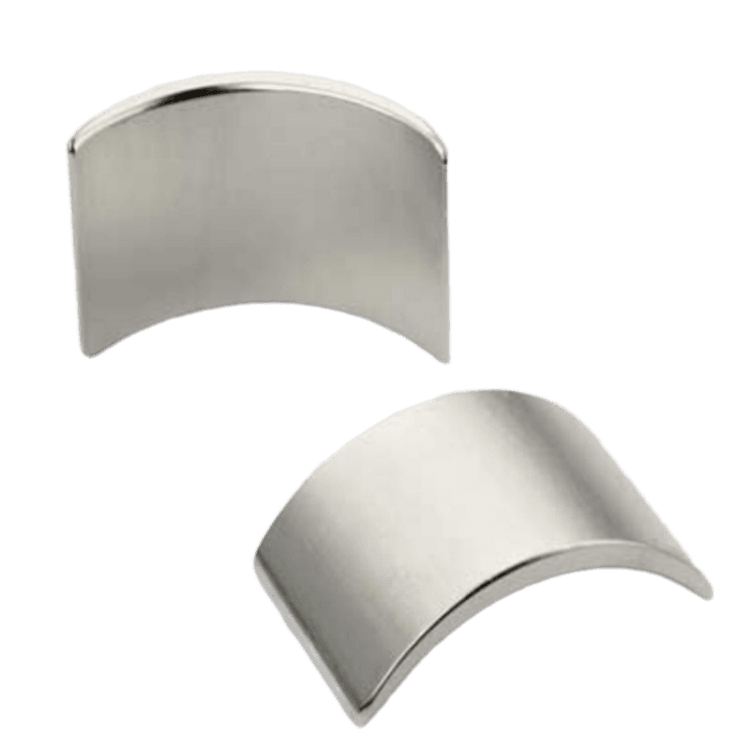
Related: Understanding Coercivity and Thermal Demagnetization
Understanding the science behind magnetic heat resistance helps you appreciate why high temperature neodymium magnets are engineered differently from standard grades.
Intrinsic coercivity measures a magnet’s resistance to demagnetization. It is the external magnetic field strength required to reduce the magnetization to zero. Standard N grade neodymium magnets have intrinsic coercivity values around 12 kOe. High temperature neodymium magnets achieve values exceeding 20 kOe for H grade and over 25 kOe for SH grade. This higher coercivity directly translates to better heat resistance.
The mechanism involves domain wall pinning. Magnetic domains are microscopic regions where electron spins align in the same direction. Domain walls are the boundaries between adjacent domains. When heat energy vibrates the crystal lattice, domain walls can move, causing domains to randomize and magnetism to weaken. Dysprosium atoms create stronger pinning sites that lock domain walls in place, resisting thermal agitation.
Irreversible loss occurs when a magnet loses strength permanently after heat exposure. Standard N grade magnets can lose 50 percent or more of their flux after brief exposure to 120 degrees Celsius. High temperature neodymium magnets experience minimal irreversible loss within their rated range. An SH grade magnet loses less than 5 percent flux after 1,000 hours at 150 degrees Celsius. This stability is critical for applications where consistent performance over years of operation is essential.
Reversible loss is a temporary strength reduction at elevated temperature. All magnets lose some flux when heated, even high temperature grades. This loss recovers when the magnet cools. The reversible temperature coefficient for neodymium is approximately minus 0.11 percent per degree Celsius. A magnet at 100 degrees Celsius is about 9 percent weaker than at room temperature. Designers must account for this temporary loss in magnetic circuit calculations.
FAQ: Your High Temperature Neodymium Magnets Questions Answered
1. How can I verify that I am receiving genuine high temperature neodymium magnets?
Request the demagnetization curve at your operating temperature. Genuine high temperature grades maintain much higher coercivity at elevated temperatures than standard grades. Independent laboratory testing can measure the irreversible loss after heating samples to the rated temperature. Genuine SH grade magnets lose less than 5 percent flux after 150 degrees Celsius exposure. If your supplier cannot provide thermal test data, consider switching to one who can.
2. What is the price difference between standard and high temperature neodymium magnets?
High temperature grades cost 20 to 100 percent more than standard N grade magnets depending on the temperature rating. H grade typically commands a 20 to 30 percent premium. SH grade costs 40 to 60 percent more. UH and EH grades can double or triple the price due to high dysprosium content. The premium reflects both raw material costs and more complex manufacturing processes required for high temperature neodymium magnets.
3. Can I use high temperature neodymium magnets at temperatures above their rating for short periods?
Brief excursions slightly above the rated temperature may cause minimal damage, but this practice is not recommended. The temperature rating indicates the maximum continuous operating temperature for long-term reliability. Short-term spikes can accumulate irreversible loss over time. If your application experiences temperature peaks above the continuous operating temperature, select a higher grade with adequate margin.
Conclusion
High temperature neodymium magnets enable permanent magnet applications in environments where standard grades would fail completely. By understanding the different temperature grades and their capabilities, you can select the right magnet for your specific operating conditions. Careful supplier evaluation ensures you receive genuine products that meet their thermal specifications. Whether you are designing an electric vehicle motor, an industrial servo system, or a downhole drilling sensor, the right high temperature neodymium magnets deliver reliable performance that lasts for years in demanding thermal environments.