Bare neodymium magnets rust quickly and become brittle when exposed to air and moisture. Coated magnets solve this problem completely by adding a protective layer that shields the magnetic material from corrosion. This guide explores everything you need to know about these protected magnetic components.
Why Protective Coatings Are Essential for Durability
Neodymium magnets are the strongest permanent magnets available, but they have a critical weakness. The neodymium-iron-boron alloy oxidizes rapidly when exposed to air. Without protection, the magnet surface develops rust within days or weeks. This corrosion degrades magnetic performance and eventually causes the magnet to crumble. Coated magnets prevent this degradation by creating a barrier between the reactive alloy and the environment.
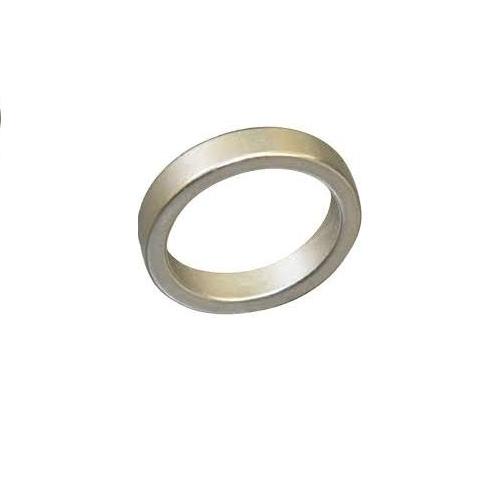
The protective layer serves multiple functions beyond corrosion protection. It provides a clean, professional appearance suitable for consumer products. It can add color for identification or aesthetic purposes. Some finishes add grip or reduce surface friction. Others provide electrical insulation or biocompatibility for medical applications. These protected components maintain their strength and appearance for years, while uncoated magnets deteriorate rapidly.
The importance of proper protection extends to safety as well. Bare neodymium is brittle and can chip or shatter under impact. The sharp fragments pose a cutting hazard. Surface treatments help contain small chips and provide a smoother, safer surface for handling. For consumer products, toys, and educational items, coated magnets are essential for user protection.
Common Types of Surface Treatments
Different coating materials offer varying levels of protection and functionality. Understanding these options helps you select the right coated magnets for your specific application.
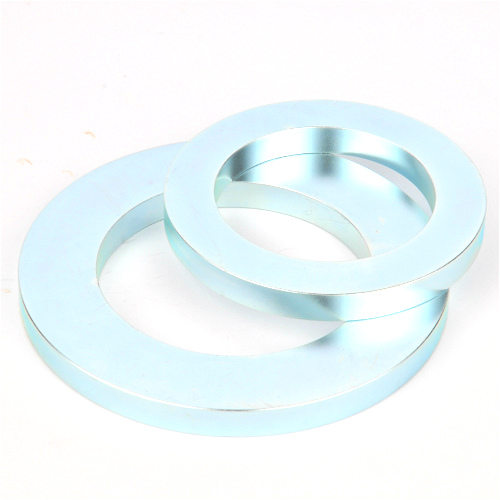
Nickel-copper-nickel plating is the most common surface treatment for neodymium. This triple-layer system begins with a copper underlayer that seals the surface. Two nickel layers provide hardness and a bright silver finish. These magnets work well for indoor applications with moderate humidity. They offer good corrosion resistance at an economical price. Most general-purpose products feature this standard finish.
Epoxy covering provides superior moisture resistance for demanding environments. The thick polymer layer creates a complete seal against water, salt spray, and chemicals. These products come in black, gray, or custom colors. They withstand outdoor exposure, marine conditions, and industrial environments. The layer adds slight thickness but dramatically extends service life. For outdoor applications, epoxy coated magnets are the preferred choice.
Parylene covering offers an ultra-thin, pinhole-free barrier applied through vapor deposition. The layer is only a few microns thick yet provides excellent moisture and chemical resistance. These products are biocompatible, making them suitable for medical implants and surgical instruments. The thin layer does not affect tight dimensional tolerances. This premium option serves specialized medical, electronic, and aerospace applications.
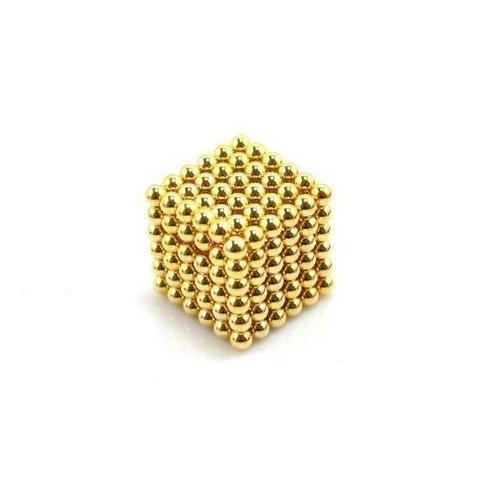
Gold plating provides both corrosion resistance and electrical conductivity. The gold layer prevents oxidation while allowing reliable electrical connections. These products appear in high-reliability electronic connectors, sensors, and medical devices. The distinctive appearance also suits luxury consumer products. Gold plating costs more than nickel but delivers unique functional and aesthetic benefits.
Zinc plating offers a cost-effective alternative for indoor applications. The thin zinc layer provides basic corrosion protection at minimal expense. These items have a matte silver or slightly bluish appearance. They suit price-sensitive consumer products where cosmetic appearance is less critical. The treatment provides adequate protection for clean, dry indoor environments.
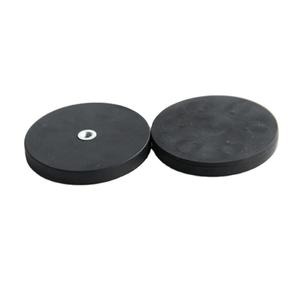
Rubber and plastic coverings add functionality beyond corrosion protection. These thick, soft layers provide excellent grip and prevent scratching of delicate surfaces. These products work well for mounting applications, tool holders, and craft projects. The covering also absorbs impact, reducing the risk of magnet chipping. These coated magnets are popular for home organization and DIY projects.
PTFE or Teflon covering offers chemical resistance and non-stick properties. These products withstand aggressive chemicals and solvents that would attack other coverings. They suit laboratory equipment, chemical processing, and food industry applications. The non-stick surface prevents buildup of contaminants and simplifies cleaning.
The Application Process for Protective Layers
Understanding how protective layers are applied helps you appreciate the quality differences between coated magnets from different suppliers.
Surface preparation is the critical first step. The bare magnet surface must be absolutely clean for proper adhesion. Manufacturers clean the magnets using alkaline solutions, acid etching, or plasma treatment. Any residual oil, dust, or oxide compromises the bond. Quality-focused producers invest heavily in cleaning processes before applying any finish to their coated magnets.
Electroplating applies metallic coatings through an electrochemical process. The magnets are immersed in a solution containing dissolved metal ions. An electric current causes the ions to deposit onto the magnet surface. Nickel and zinc coatings are applied this way. The thickness and uniformity depend on the current density, solution chemistry, and processing time. Properly electroplated products have consistent thickness across all surfaces.
Spray application applies epoxy and other polymer coatings. The magnets are cleaned, masked if necessary, and sprayed with the coating material. Multiple coats may be applied to achieve the desired thickness. The coating then cures through air drying or baking. Spray applied products may have slightly thicker coating on edges and corners, which actually provides extra protection at these vulnerable points.
Vapor deposition creates parylene coatings through a vacuum process. The solid parylene dimer vaporizes and then polymerizes directly onto the magnet surface. This creates an extremely uniform, pinhole-free coating even on complex shapes. The layer penetrates into tiny surface irregularities, providing complete coverage. Parylene coated magnets represent the highest quality coating technology available.
Dip coating immerses magnets in liquid polymer. After removal, the coating drains and cures. This method produces thicker, more robust layers suitable for demanding environments. Rubber and plastic covered products often use dip coating processes. The resulting layer provides excellent impact resistance and grip.
Applications That Demand Protective Coatings
Different industries and applications require specific coating types. Understanding these requirements helps you select coated magnets that perform reliably in their intended environment.
Automotive applications expose magnets to heat, vibration, oil, and road salt. Electric vehicle traction motors use components with specialized epoxy or multi-layer coatings. Under-hood sensors require finishes that withstand temperatures exceeding 150 degrees Celsius. Transmission speed sensors need coatings resistant to hot transmission fluid. Protected magnetic components in automotive applications must survive harsh conditions for the vehicle’s lifetime.
Medical devices require biocompatible, sterilizable products. Surgical instruments undergo repeated autoclave sterilization cycles at high temperature and pressure. Implantable devices need finishes that the body will not reject. Parylene and gold coatings serve these demanding medical applications. The protective layer must remain intact and non-reactive throughout the device’s service life.
Marine and outdoor equipment faces constant moisture and salt exposure. Boat fittings, dock hardware, and outdoor signage use epoxy-protected magnets for maximum corrosion resistance. The thick polymer barrier prevents saltwater from reaching the reactive neodymium core. These coated magnets maintain both appearance and performance despite harsh environmental exposure.
Consumer electronics use protected magnets in speakers, vibration motors, and magnetic connectors. The coating provides a clean, professional appearance while protecting against humidity and occasional liquid exposure. Nickel and gold coatings are common in electronic applications. Gold plating provides both corrosion protection and reliable electrical contact.
Food processing equipment requires coatings that withstand frequent washdowns with cleaning chemicals. PTFE and epoxy-protected products resist both corrosion and chemical attack. The non-stick surface prevents food particle accumulation. These coated magnets meet sanitation requirements while providing reliable magnetic holding and separation functions.
FAQ: Your Coated Magnets Questions Answered
1. How long do coated magnets last compared to uncoated magnets?
Uncoated neodymium can show visible rust within days in humid conditions. Nickel-plated versions typically last several years indoors before showing corrosion. Epoxy-protected products withstand outdoor exposure for five to ten years or more. Parylene-treated items maintain integrity for decades in protected environments. The service life of coated magnets depends on the coating type, environmental conditions, and handling practices.
2. Can the protective layer on coated magnets chip or peel off?
Yes, protective layers can fail if the magnet experiences mechanical damage or impact. Dropping these items or allowing them to snap together forcefully can crack or chip the surface. Once the protective barrier is breached, corrosion begins at the exposed point. Handle coated magnets carefully to preserve the protective layer. Rubber and plastic coverings offer better impact resistance than thin metallic platings.
3. Does the protective layer affect the magnetic strength?
The coating adds a thin layer between the magnet and the target surface. This creates a slight air gap that reduces the effective pull force. For thin layers like nickel or parylene, the effect is minimal. For thick rubber or plastic coverings, the reduction can be significant. When specifying coated magnets, account for the layer thickness in your magnetic circuit calculations. The supplier’s pull force rating should reflect the finished product performance.
Conclusion
Coated magnets transform fragile, corrosion-prone neodymium into durable, reliable components suitable for virtually any environment. The protective layer shields the reactive magnetic material from moisture, chemicals, and mechanical damage. From economical nickel plating to premium parylene vapor deposition, the range of options ensures suitable protection for every application. By selecting the appropriate protective finish for your operating conditions, you ensure long service life and consistent magnetic performance. Whether for medical devices, automotive sensors, or outdoor equipment, the right surface treatment makes all the difference.