Neodymium magnets deliver incredible strength, but their cost can vary dramatically between suppliers. The NdFeB magnet price depends on material grade, size, coating, and market conditions. This guide explains what drives costs and how to make informed purchasing decisions.
What is NdFeB Magnet
An NdFeB magnet is a permanent magnet made from an alloy of neodymium, iron, and boron. The name comes from the chemical symbols of its main elements. These magnets are the strongest permanent magnets commercially available today. A tiny NdFeB magnet can hold hundreds of times its own weight.
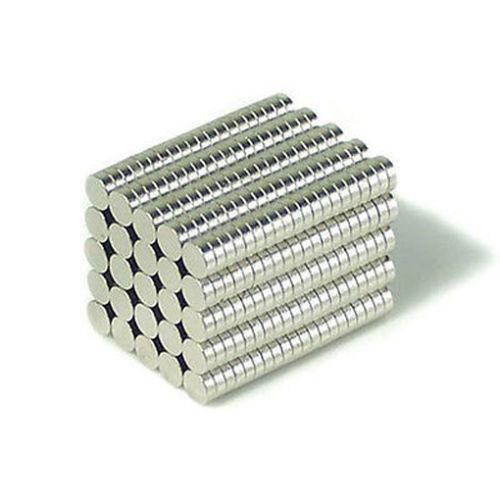
The strength comes from the material’s tetragonal crystal structure. This structure gives the magnet extremely high resistance to demagnetization. Once magnetized, it stays magnetized for decades under normal conditions. NdFeB magnets power electric vehicle motors, wind turbine generators, smartphone speakers, medical devices, and countless industrial applications. Their exceptional strength-to-size ratio makes them essential for modern technology. When comparing the NdFeB magnet price, understanding the material’s unique properties helps you evaluate whether a quote represents fair value.
Types That Affect NdFeB Magnet Price
Different grades and variations of NdFeB magnets command different prices. Understanding these types helps you balance performance requirements against the NdFeB magnet price.
Standard Grade Magnets
Standard N grade magnets range from N35 to N52. N35 offers the lowest NdFeB magnet price while still providing excellent magnetic strength. N52 represents the strongest commercially available grade but costs significantly more. The price increases roughly 10 to 20 percent per grade step. Many applications work perfectly with N35 or N42 grades, avoiding the premium for N52. A larger N35 magnet often achieves the same holding force as a smaller N52 at a lower NdFeB magnet price.
High-Temperature Grade Magnets
Standard N grades lose strength above 80 degrees Celsius. High-temperature versions use suffixes like M, H, SH, UH, and EH. Each step adds to the NdFeB magnet price because of expensive alloying elements. These grades contain dysprosium or terbium, heavy rare earth elements that increase intrinsic coercivity. SH grade costs 40 to 60 percent more than standard N grade. UH and EH grades command even higher premiums. Only specify these grades if your application genuinely requires elevated temperature performance.
Bonded NdFeB Magnets
Bonded magnets mix NdFeB powder with a polymer binder. They offer lower magnetic strength but greater design flexibility. The NdFeB magnet price for bonded magnets is generally lower than sintered equivalents. Injection molding allows complex shapes without expensive grinding operations. These magnets suit sensor applications and small motors where intricate geometry matters more than maximum strength.
Hot-Pressed NdFeB Magnets
Hot-pressed magnets achieve full density without the alignment step required for conventional sintering. They offer excellent magnetic properties in ring shapes ideal for high-performance motors. The NdFeB magnet price for hot-pressed magnets is higher due to specialized equipment and lower production volumes. These magnets serve premium applications where performance justifies the cost premium.
Coated NdFeB Magnets
Coatings protect the magnet from corrosion and can affect the NdFeB magnet price. Standard nickel-copper-nickel plating is the most economical option. Epoxy coating adds moderate cost for superior moisture resistance. Gold plating, parylene coating, and PTFE finishes increase the price significantly. Choose the coating level that matches your environmental conditions without over-specifying.
Custom Shape Magnets
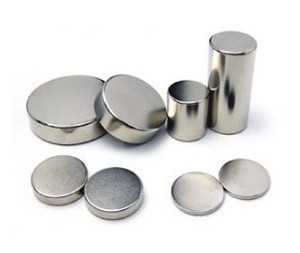
Custom geometries require specialized tooling. The NdFeB magnet price includes amortization of this tooling over the production volume. Arc segments, rings, and complex profiles cost more than simple discs and blocks. For low quantities, custom shapes carry significant tooling cost per piece. For high volumes exceeding 10,000 pieces, the tooling cost spreads thinly, making custom shapes more economical.
How to Get the Best NdFeB Magnet Price
Securing competitive pricing requires strategic planning and clear communication with suppliers. Follow these steps to optimize the NdFeB magnet price for your project.
Step 1: Define Your Exact Requirements
Document every specification before requesting quotes. Specify the grade, dimensions, shape, coating, and magnetization direction. Include operating temperature and environmental conditions. Clear specifications prevent suppliers from padding prices for uncertainty. When you communicate exactly what you need, suppliers provide their most competitive NdFeB magnet price.
Step 2: Request Quotes from Multiple Suppliers
Solicit quotes from at least three to five suppliers. Include both domestic sources and international manufacturers. Provide identical specifications to all bidders for fair comparison. Ask for line-item breakdowns showing material cost, processing cost, coating cost, and any tooling amortization. This transparency reveals where each supplier allocates cost in their NdFeB magnet price.
Step 3: Verify Grade Authenticity
Some suppliers quote an attractively low NdFeB magnet price by substituting lower grades. An N35 magnet labeled as N52 costs far less to produce but delivers far less performance. Request material certification with every quote. Genuine N52 neodymium has specific remanence and coercivity values. If one bid comes in significantly below others, suspect misrepresentation.
Step 4: Optimize Your Design for Cost
Consult suppliers during the design phase. Simple geometry changes can reduce the NdFeB magnet price dramatically. Standard sizes avoid custom tooling charges. Relaxing non-critical tolerances reduces processing cost. Thicker magnets are generally easier to press than very thin ones. Design optimization often saves more money than aggressive price negotiation.
Step 5: Consider Total Cost of Ownership
The lowest NdFeB magnet price does not always represent the best value. Factor in shipping costs, which are significant for heavy magnetic products. Include import duties and customs fees for international purchases. Consider inventory carrying costs. Evaluate supplier reliability and quality consistency. A slightly higher unit price from a dependable supplier often costs less overall than dealing with quality problems.
Step 6: Negotiate Based on Annual Volume
Share your realistic annual usage forecast. Suppliers price more aggressively when they see long-term volume potential. Negotiate tiered pricing that automatically adjusts as your volume grows. Consider blanket orders with scheduled releases. This commits to volume while maintaining delivery flexibility. The NdFeB magnet price improves when suppliers can plan production efficiently.
Step 7: Time Your Purchases Strategically
Rare earth markets experience price volatility. The NdFeB magnet price fluctuates with supply and demand for neodymium, dysprosium, and other elements. Prices often dip during periods of lower industrial demand. Avoid buying during supply disruptions or peak demand seasons when possible. Build buffer inventory when prices are favorable. Strategic timing requires market awareness but yields significant savings.
Step 8: Build Long-Term Supplier Relationships
Long-term partnerships bring pricing benefits beyond individual transactions. Suppliers offer their best NdFeB magnet price to reliable, repeat customers. They prioritize your orders during supply tightness. They invest in understanding your applications and suggest cost-saving improvements. Relationship building pays dividends over years of collaboration.
Related: Factors That Influence NdFeB Magnet Price
Understanding the underlying cost drivers helps you anticipate and negotiate the NdFeB magnet price effectively.
Raw material costs represent the largest component of the NdFeB magnet price. Neodymium, praseodymium, and dysprosium are rare earth elements subject to market fluctuations. China produces over 80 percent of global rare earth supply, so Chinese export policies directly affect worldwide pricing. When rare earth prices spike, the NdFeB magnet price follows quickly.
Manufacturing complexity also drives cost. The pressing, sintering, machining, coating, and magnetizing steps each add value and cost. Complex shapes requiring extensive grinding cost more than simple pressed shapes. Tight tolerances demand more precise processing. Multi-pole magnetization requires specialized fixtures. Each processing step contributes to the final NdFeB magnet price.
Quality control investment separates premium suppliers from commodity traders. Testing equipment, material certification, and statistical process control add overhead that appears in the NdFeB magnet price. However, this investment prevents costly quality failures. Paying slightly more for certified, tested magnets often saves money compared to dealing with field failures.
Shipping and logistics represent a significant cost component. NdFeB magnets are dense and heavy. Air freight is expensive and restricted for strong magnetic fields. Ocean freight costs less but takes longer. Packaging requirements for magnetic shielding add cost. These logistics factors contribute substantially to the delivered NdFeB magnet price.
FAQ: Your NdFeB Magnet Price Questions Answered
1. Why does the NdFeB magnet price vary so much between suppliers?
Price variation stems from several factors. Material grade authenticity is a major concern. Some suppliers quote lower prices by substituting lower grades. Manufacturing efficiency and automation level affect production cost. Geographic location influences labor and energy costs. Quality control investment varies between suppliers. The lowest NdFeB magnet price may indicate corners cut somewhere in the process.
2. How can I verify I am getting the correct grade for the NdFeB magnet price I pay?
Request material test reports showing actual remanence, coercivity, and maximum energy product values. Genuine N52 has remanence of approximately 1.43 to 1.48 Tesla and energy product of 50 to 52 MGOe. Measure pull force against a clean steel plate and compare with theoretical calculations. For critical applications, send samples to an independent laboratory for hysteresisgraph testing.
3. What quantity gives the most competitive NdFeB magnet price?
Prototype quantities of 10 to 100 pieces carry the highest per-unit cost. Pricing becomes competitive at 1,000 pieces and improves significantly at 10,000 pieces. Custom magnets with new tooling require minimums of 5,000 to 10,000 pieces for economical pricing. Standard stock sizes offer competitive NdFeB magnet price at lower quantities. Discuss your volume trajectory with suppliers to find the right balance.
Conclusion
Understanding what drives the NdFeB magnet price empowers you to make smarter purchasing decisions. Material grade, size, shape, coating, and quantity all play important roles in determining cost. By defining requirements clearly, requesting multiple quotes, and considering total cost of ownership, you can secure competitive pricing without compromising quality. Strategic timing and long-term partnerships further optimize your NdFeB magnet price over time. Whether you need a few prototype samples or production volumes in the millions, the right approach to pricing ensures your magnetic components deliver value at every stage of your project.
7 Reasons to Choose High Temperature Neodymium Magnets for Great Applications