Worries about supply chain restrictions can make international sourcing feel uncertain. The truth is that rare earth magnets are still very much available for global buyers despite new regulations. This guide explains China’s policies and how you can continue importing with confidence.
What is China Rare Earth Metal Export Policy
China’s rare earth policy focuses on protecting natural resources and ensuring sustainable development. The government controls mining and separation through production quotas and export licensing. However, these measures primarily target raw materials like rare earth ores and unprocessed compounds. Finished rare earth magnets have a different status.
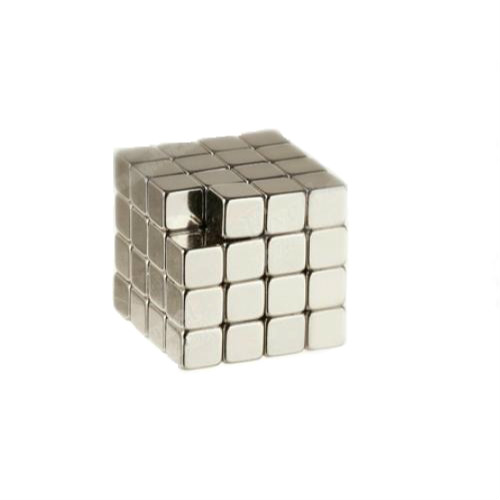
The latest regulations emphasize value-added processing within China. This means the government encourages exporting high-value products like rare earth magnets rather than raw materials. Exporters of finished magnets must comply with environmental and technical standards. They need proper licenses and must demonstrate responsible production. For foreign buyers, this translates to a stable supply of quality rare earth magnets from compliant manufacturers. The policy aims to reduce illegal mining and environmental damage while supporting legitimate trade.
How to Import Rare Earth Magnets from China
Purchasing these magnetic components from China remains a straightforward process when you follow the correct steps. Working with established, licensed exporters ensures smooth transactions.
Step 1: Verify the Supplier’s Export Credentials
Request copies of the supplier’s business license and export registration. Legitimate exporters of rare earth magnets possess valid documentation proving their authorization to ship internationally. Check that the company’s business scope includes magnet manufacturing and export. A reputable supplier will provide these documents without hesitation.
Step 2: Confirm Product Classification and HS Codes
Ensure the supplier correctly classifies your products under the appropriate Harmonized System code. Accurate classification prevents customs delays. The supplier should provide the correct HS code for neodymium or other permanent magnets. Confirm this code with your local customs broker to avoid unexpected duties or clearance problems.
Step 3: Request Compliance Documentation
Ask for material certifications and test reports. Quality magnets come with certificates showing magnetic properties, coating specifications, and RoHS compliance. Some applications require additional documentation like REACH statements. Professional suppliers provide complete documentation packages that satisfy import requirements in your country.
Step 4: Understand Export Licensing Requirements
Your Chinese supplier handles export licensing on their side. They must obtain any necessary permits before shipment. Confirm that the supplier will secure all required Chinese export documents. For these products, the process is typically routine for established manufacturers. Allow a few extra days in your timeline for the supplier to process these documents.
Step 5: Arrange Appropriate Shipping and Insurance
These magnetic products are heavy and require special packaging. Strong magnetic fields necessitate shielded packaging for air transport. Discuss shipping methods with your supplier. Ocean freight is more economical for large orders. Air freight works for urgent shipments but has magnetic field restrictions. Ensure adequate insurance coverage for your shipment during transit.
Step 6: Partner with a Customs Broker
Work with a customs broker experienced in handling magnetic products. They will verify that your rare earth magnets meet all import regulations for your country. The broker handles duty payments, inspections, and clearance procedures. This professional support prevents costly delays at the border.
Step 7: Build a Long-Term Supplier Relationship
Reliable access to magnetic components improves with stable supplier partnerships. Regular orders and clear communication help your Chinese partner plan production. Long-term relationships often bring priority access during high-demand periods. Your supplier becomes an extension of your supply chain, ensuring consistent availability.
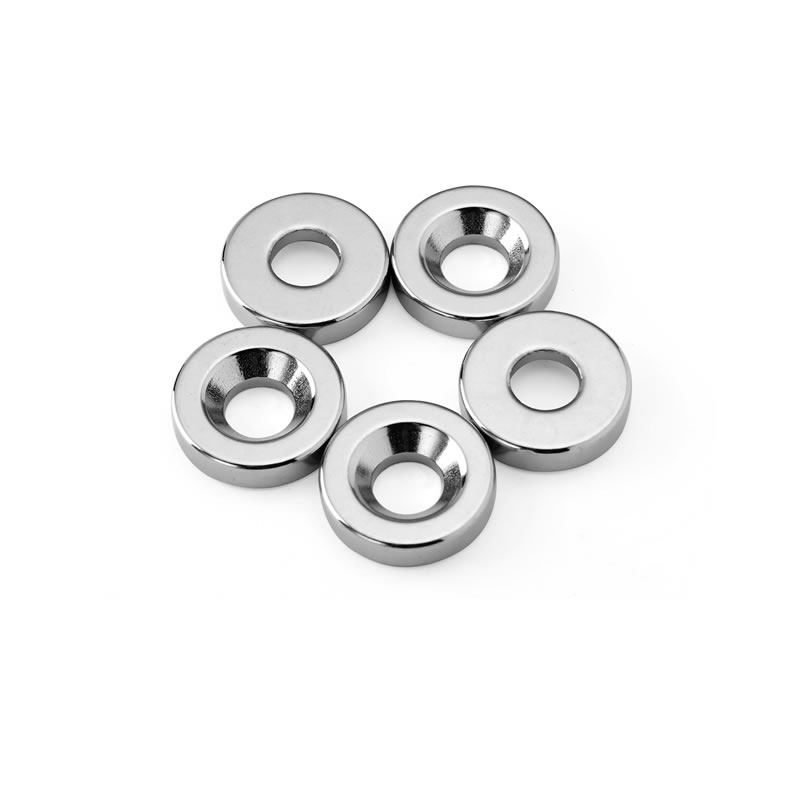
Why Global Supply of Rare Earth Magnets Remains Stable
Despite policy changes, rare earth magnets continue reaching international markets reliably. Several structural factors support this ongoing availability.
China dominates global rare earth processing with over 80 percent of production capacity. This concentration actually contributes to stability because the Chinese industry has invested heavily in efficient, large-scale manufacturing. The infrastructure for producing rare earth magnets is mature and well-established. Policy shifts happen gradually, giving the market time to adjust.
The Chinese government differentiates clearly between raw materials and finished goods. Export restrictions target raw ores and unprocessed compounds more than high-value products. Rare earth magnets fall into the preferred finished goods category. This policy encourages domestic processing while satisfying global demand for these magnet products. Foreign buyers benefit from this approach because it maintains supply of finished magnets.
Diversified production outside China is growing but remains relatively small. New projects in the United States, Australia, and other countries require years to reach full capacity. Meanwhile, Chinese producers continue to meet most global demand for rare earth magnets. The transition to broader supply sources will take time, during which Chinese exports remain essential.
Inventory management strategies help buyers navigate any temporary disruptions. Building strategic stockpiles of rare earth magnets protects against supply interruptions. Long-term supply agreements with trusted manufacturers provide price and delivery stability. These practical approaches keep your production running smoothly regardless of policy adjustments.
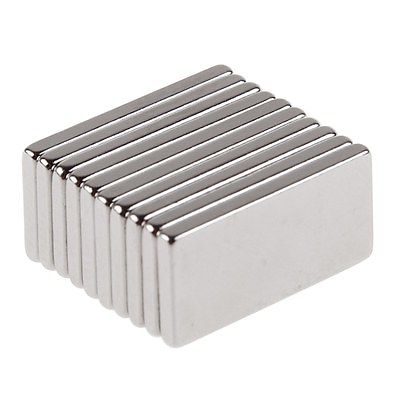
Quality Considerations When Sourcing Rare Earth Magnets
Policy compliance is only one aspect of successful importing. The technical quality of rare earth magnets directly affects your product performance. Focus on these quality factors when selecting a supplier.
Magnet grade authenticity is critical. Some suppliers may mislabel lower grades as premium N52 rare earth magnets. Request material test reports showing actual remanence and maximum energy product values. Independent laboratory testing confirms that your rare earth magnets meet specifications. Grade verification prevents performance failures in your application.
Coating quality determines service life. Nickel, epoxy, and other coatings protect rare earth magnets from corrosion. Inspect coating uniformity and adhesion. Salt spray testing reveals coating durability. Poorly coated products fail quickly in humid or outdoor environments. Specify coating requirements clearly and verify them during incoming inspection.
Temperature rating affects high-temperature applications. Standard rare earth magnets lose strength above 80 degrees Celsius. High-temperature grades with suffixes like SH or UH maintain performance at elevated temperatures. Confirm the temperature rating matches your operating conditions. Using the wrong grade causes premature magnetic decay.
Dimensional accuracy ensures proper fit in your assemblies. Specify tolerances clearly on your drawings. Coordinate measuring machine inspection verifies critical dimensions. Consistent dimensional quality from your supplier reduces assembly problems and rework costs.
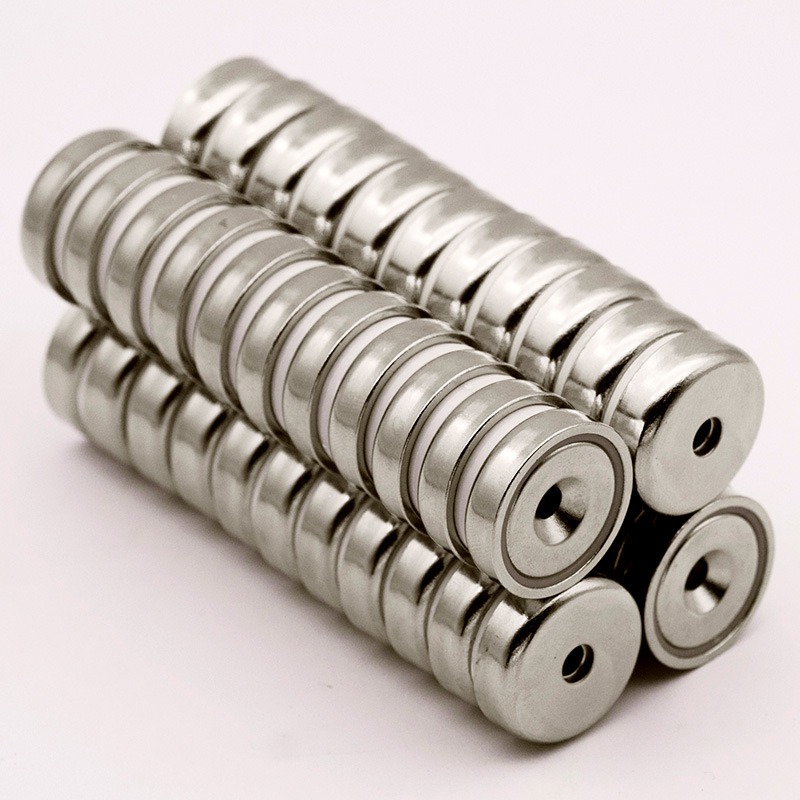
FAQ: Your Rare Earth Magnets Questions Answered
1. Will China’s export policies cause a shortage of rare earth magnets?
No widespread shortage is expected for finished rare earth magnets. The policies primarily regulate raw materials, not value-added products. Chinese manufacturers continue to export these magnets to global customers. While prices may fluctuate due to raw material costs, supply remains generally available. Building a relationship with a reliable supplier provides additional security.
2. How can I be sure my Chinese supplier complies with export regulations for rare earth magnets?
Request documentation including business licenses and export permits. Work with established manufacturers who have years of export experience. A compliant supplier will provide necessary certifications and handle export procedures professionally. Third-party factory audits provide additional verification. Reputable suppliers welcome such scrutiny.
3. Will rare earth magnet prices increase due to these policies?
Raw material costs for neodymium and other elements do fluctuate based on market conditions. Policy changes can affect short-term pricing as the market adjusts. However, finished rare earth magnets often experience more stable pricing than raw materials. Long-term supply agreements help manage price volatility. Working directly with manufacturers rather than intermediaries also improves pricing stability.
Conclusion
China’s rare earth policies have not stopped the international trade of these magnetic components. By understanding the regulations and working with qualified suppliers, foreign buyers can continue importing these essential products reliably. The key is partnering with compliant, quality-focused manufacturers who handle export procedures professionally. Focus on verification, documentation, and relationship building. With the right approach, your supply of magnetic products remains secure, allowing you to manufacture your products with confidence well into the future.