Attaching magnets to surfaces usually requires messy glue or complicated brackets. A hole magnet solves this problem elegantly by allowing a simple screw to pass right through its center. This guide explores everything you need to know about these practical fastening solutions.
What is a Hole Magnet
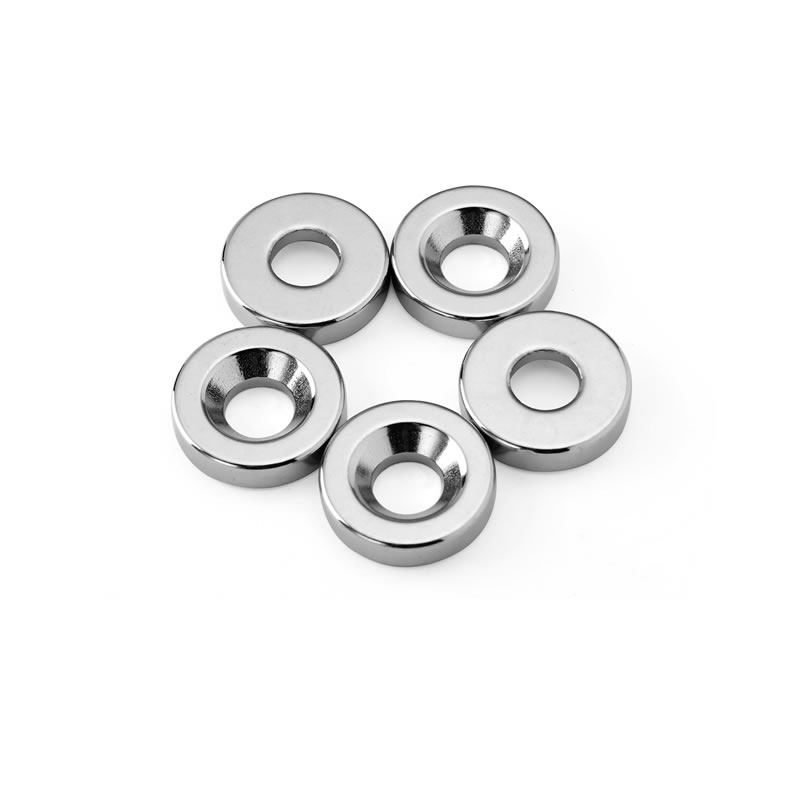
A hole magnet is a permanent magnet with a precisely drilled or pressed opening through its body. This opening allows a screw, bolt, or threaded rod to pass through for mechanical fastening. The hole can be a straight cylindrical bore or include a countersunk recess for flat-head screws. The design combines magnetic holding power with positive mechanical attachment.
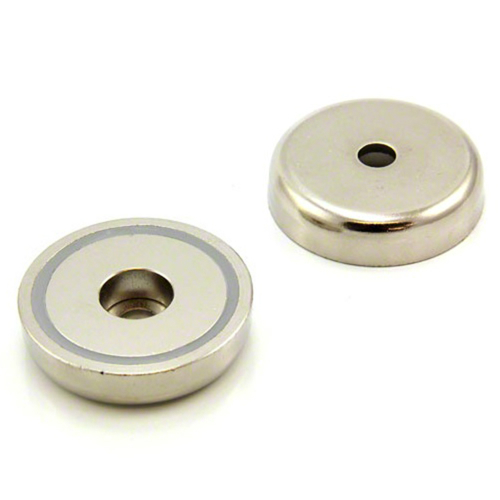
The most common materials for these components are neodymium for maximum strength and ferrite for economy applications. Neodymium versions offer incredible holding force in compact sizes. Ferrite versions provide adequate strength at lower cost with natural corrosion resistance. A hole magnet typically features protective coatings like nickel, epoxy, or zinc to prevent rust. These magnets appear in cabinet catches, door stops, tool holders, jigs, fixtures, and countless industrial and consumer applications.
Types and Specifications of Hole Magnets
Understanding the different varieties helps you select the right product for your specific project. Each type offers unique advantages for different mounting situations.
Countersunk Versions
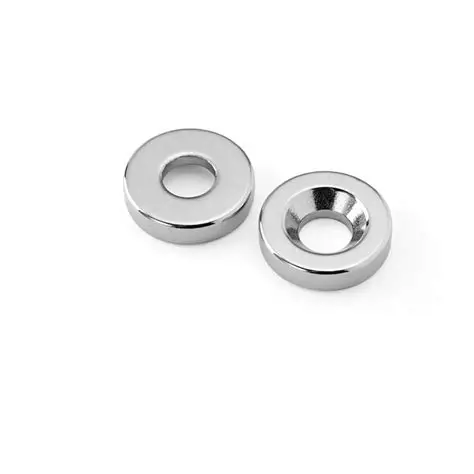
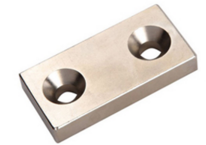
Countersunk designs feature a conical recess around the opening on one face. This recess accepts a flat-head screw, allowing the screw head to sit flush with or below the magnet surface. The flush mounting ensures maximum contact with the target object. These magnets are ideal for woodworking jigs, cabinet closures, and any application where a smooth magnetic face is needed. The countersunk feature prevents the screw head from scratching surfaces or interfering with magnetic attraction.
Straight Bore Versions
Straight bore types have a cylindrical opening without any countersink. The passage goes completely through the magnet with uniform diameter. These accept bolts, threaded rods, or machine screws. Washers or nuts secure the magnet in place. A straight bore hole magnet works well for industrial mounting, sensor applications, and assemblies where the fastener type may vary. The simple design offers maximum flexibility.
Pot Magnet Style with Opening
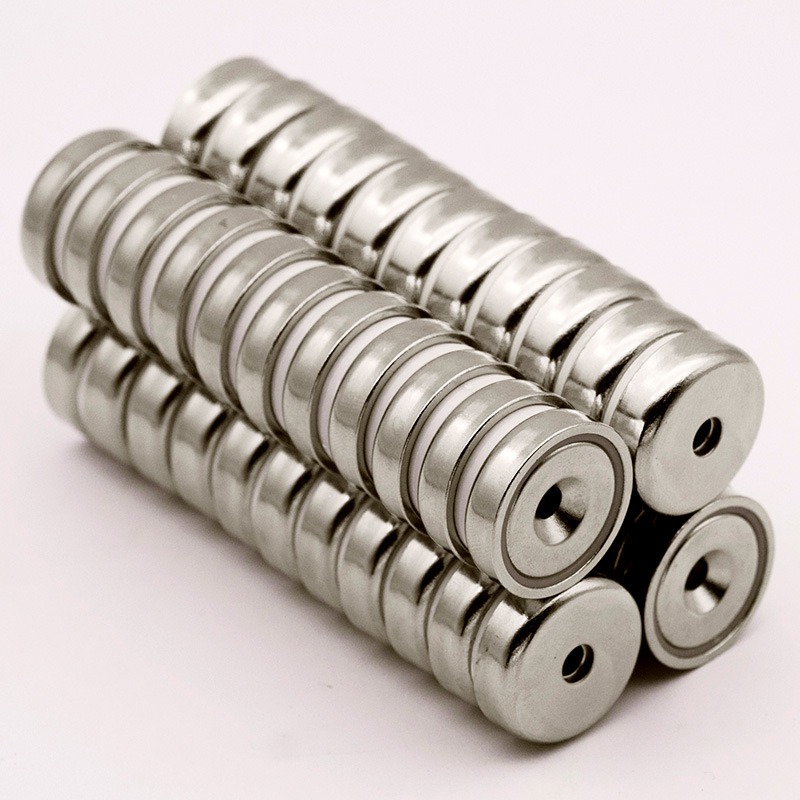
Pot magnets encase the magnetic material in a steel shell. The steel housing focuses the magnetic field onto the holding face, dramatically increasing pull force. When designed as a pot style, the opening passes through both the steel shell and the internal magnet. This design provides exceptional holding strength with robust mechanical attachment. Pot-style hole magnets excel in heavy-duty holding applications like door catches, trailer connections, and industrial fixturing.
Threaded Versions
Some products feature internal threads rather than a plain opening. The threaded hole magnet accepts machine screws directly without needing a separate nut. This design simplifies assembly in blind mounting situations where accessing the back side is difficult. Threaded versions are common in consumer electronics, medical devices, and precision equipment.
Ring Magnets with Mounting Openings
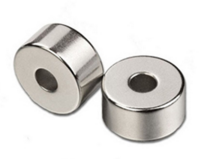
Ring magnets naturally feature a center opening due to their donut shape. When designed specifically for mounting, these ring-shaped hole magnets provide a large center opening for substantial fasteners. The ring geometry distributes magnetic flux efficiently around the circumference. These suit loudspeakers, sensors, and rotating machinery.
Key Specifications to Consider
When selecting one of these products, pay attention to the outer diameter and overall thickness. The hole diameter must match your chosen fastener size. Common hole sizes accommodate M3, M4, M5, and M6 screws. For countersunk versions, the countersink angle is typically 90 degrees to match standard flat-head screws. Check the pull force rating, which indicates holding capacity against a steel surface. Remember that the opening slightly reduces the magnetic material volume, so a hole magnet may have slightly lower pull force than a solid magnet of the same dimensions.
Related: Installation Techniques for These Magnets
Proper installation ensures maximum holding performance and long service life. Follow these guidelines when mounting any magnet with an opening.
Surface preparation is essential for magnetic holding. Clean the mounting surface and the target steel surface thoroughly. Remove all oil, grease, and debris with isopropyl alcohol. Even invisible contamination reduces pull force significantly. The magnet face must make full, direct contact with the steel for maximum attraction.
Screw selection matters for both performance and durability. Stainless steel screws resist corrosion and do not interfere with the magnetic field. Brass screws also work well. Avoid standard steel screws for a hole magnet because they attract to the magnet during installation, making positioning difficult. The screw head must fit properly in the countersink to sit flush.
Tightening requires gentle touch. Neodymium magnets are brittle materials. Excessive torque can crack the area around the opening. Tighten screws by hand until snug. If using a power driver, set the clutch to the lowest setting. The steel shell in pot-style versions provides some protection, but overtightening can still cause damage. A properly tightened hole magnet stays secure without excessive force.
Pre-drilling prevents material damage. When mounting into wood, drill a pilot hole slightly smaller than the screw core diameter. This prevents splitting while providing good thread engagement. For metal surfaces, use the appropriate tap for threaded openings. Proper hole preparation ensures clean installation without damaging either the magnet or the mounting surface.
Related: Common Applications for Magnets with Mounting Holes
The versatility of this simple design makes it valuable across countless industries and projects. Understanding these applications sparks ideas for your own uses.
Woodworking jigs and fixtures rely heavily on these products. Woodworkers mount a hole magnet on a featherboard, fence, or stop block. The magnet holds the accessory firmly against the cast iron table saw or router table. The screw prevents sliding or shifting during operation. This combination of magnetic and mechanical holding is far stronger than either method alone.
Cabinet and furniture construction uses them for door catches. A magnet mounts on the cabinet frame with a countersunk screw. A steel strike plate attaches to the door. When the door closes, the magnet attracts the strike plate, holding the door securely closed. The flush screw head ensures clean appearance and full magnetic contact.
Industrial equipment employs these magnets for access panels and guards. A hole magnet mounted on a hinged guard holds it closed against the machine frame. The mechanical screw attachment withstands vibration that might loosen adhesive-mounted magnets. Maintenance personnel can open and close the guard repeatedly without wear.
Signage and display systems benefit from the clean mounting approach. Retail displays use these magnets screwed onto the back of signage. The sign then attaches magnetically to steel shelving or display racks. Signs change quickly without tools or adhesive residue. The screw mounting ensures the magnet stays attached to the sign during repeated handling.
Automotive and marine applications require robust attachment. A hole magnet mounts tool holders and accessory brackets in vehicles and boats. The screw provides positive mechanical attachment that survives vibration and shock. The magnetic face holds tools securely even in rough conditions. Stainless steel versions resist corrosion in marine environments.
Here are 200 additional words about hole magnets that you can insert into the “Related” sections of the article.
Related: Magnetic Circuit Design with Hole Magnets
The opening in a hole magnet affects more than just mounting convenience. It also influences the magnetic circuit and overall performance. Understanding this helps you optimize your design.
The hole creates a slight reduction in the magnetic material volume. This means the magnetic flux must travel around the opening. For most applications, this effect is minimal. The pull force reduction is typically 5 to 15 percent compared to a solid magnet of identical outer dimensions. Engineers should account for this when calculating required holding force.
The steel screw passing through a hole magnet can actually improve performance in some cases. A steel screw acts as a flux path, helping channel the magnetic field. This can concentrate the field at the screw tip, creating a stronger local attraction. However, if the screw head sits above the magnet face, it creates an air gap that reduces pull force. Always ensure countersunk screws sit flush or slightly below the surface.
For maximum holding strength, pair a hole magnet with a steel cup or backplate. The steel channels magnetic flux from the back face around to the front. This doubles or triples the effective pull force. The screw that mounts the magnet can also secure the steel cup, creating an integrated magnetic assembly that outperforms the magnet alone.
Related: Safety Considerations for Hole Magnets
Strong magnets require careful handling. The hole adds some unique safety considerations to keep in mind.
The area around the opening is a stress concentration point. Dropping a hole magnet can cause cracks to form from the hole outward. Always place these magnets gently onto surfaces rather than letting them snap from a distance. Store them with spacers or in individual compartments to prevent sudden impacts.
Pinch injuries are a serious risk with powerful neodymium versions. The hole does not reduce this danger. Two large hole magnets snapping together can crush fingers caught between them. Always wear heavy gloves when handling magnets larger than a few centimeters. Separate strong magnets by sliding them sideways, never by pulling directly apart.
Keep magnets with mounting holes away from children and pets. If multiple magnets are swallowed, they can attract each other through intestinal walls. This causes life-threatening injuries requiring emergency surgery. The hole makes no difference to this risk. Count magnets out of storage and count them back in to ensure none go missing.
FAQ: Your Hole Magnet Questions Answered
1. Can I drill a hole into a regular magnet to make my own version?
No, you should never attempt to drill neodymium or ferrite magnets. These are sintered materials similar to ceramic. Drilling will shatter the magnet. The heat generated during drilling demagnetizes the material instantly. The dust from neodymium drilling is flammable. Always purchase a hole magnet manufactured with the opening formed during pressing or machined by specialists with proper equipment.
2. Does the hole reduce the magnetic strength?
Yes, the opening removes some magnetic material, slightly reducing the overall pull force. A hole magnet typically has 5 to 15 percent less pull force than a solid magnet of the same outer dimensions. However, the mechanical attachment advantage usually far outweighs this minor strength reduction. For most applications, the holding power remains more than adequate.
3. What screw material should I use with a hole magnet?
Stainless steel screws are the best choice. They resist corrosion and are non-magnetic or only weakly magnetic. This prevents the screw from being pulled toward the magnet face during installation. Brass screws also work well. Avoid standard carbon steel screws because they attract strongly to the magnet, making installation difficult and potentially reducing the effective holding force on the target object.
Conclusion
A hole magnet combines magnetic power with secure mechanical fastening in one elegant package. The simple opening through the center transforms a standard magnet into a versatile mounting solution suitable for woodworking, cabinet making, industrial equipment, and countless DIY projects. Understanding the different types and proper installation techniques ensures successful results. Whether you need countersunk, straight bore, or pot-style versions, the right product provides reliable holding and easy attachment for years of dependable service.