Sourcing magnets at a fair cost can feel confusing with so many grades and materials available. The permanent magnet price varies widely based on material type, size, grade, and quantity. This guide explains what drives costs and how to make informed purchasing decisions.
What is Permanent Magnet
A permanent magnet is a material that produces its own persistent magnetic field without requiring external power. Unlike electromagnets that need electricity, permanent magnets stay magnetized for decades. They attract ferromagnetic materials like iron, nickel, and cobalt. Common examples include refrigerator magnets, speaker drivers, motor components, and magnetic fasteners.
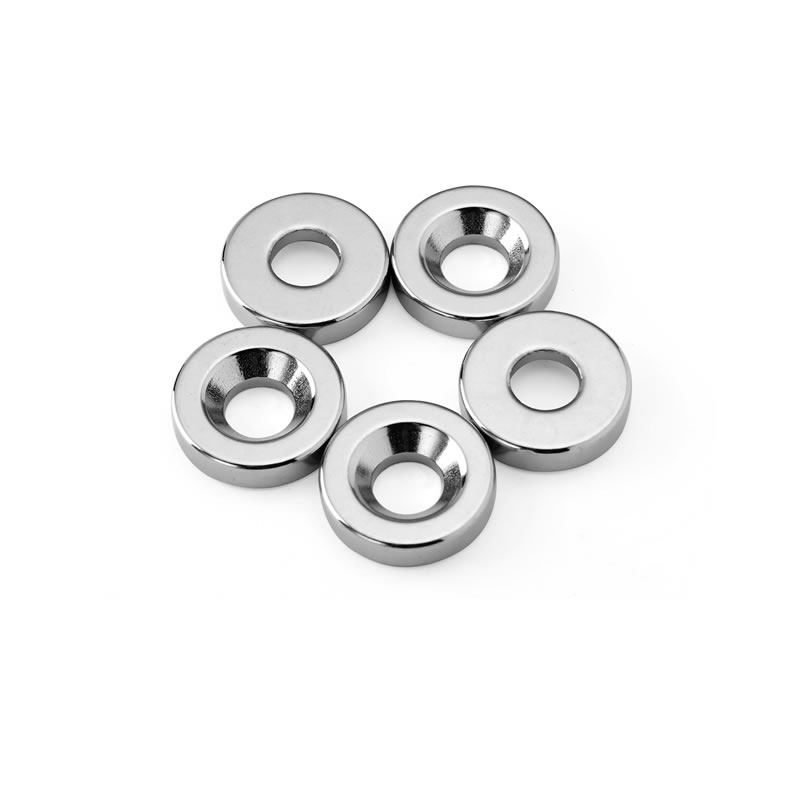
The magnetic field comes from the alignment of tiny magnetic domains within the material. Once these domains align during manufacturing, they remain locked in place. The strength depends on the material composition. Neodymium magnets are the strongest commercial type. Ferrite magnets offer lower strength at reduced cost. Samarium cobalt and alnico serve specialized applications. When evaluating the permanent magnet price, understanding the material type is essential because it is the largest cost driver.
Related: Material Factors That Influence Permanent Magnet Price
The choice of material is the single most important factor affecting the permanent magnet price. Each material offers different balances of performance and cost.
Neodymium magnets command the highest permanent magnet price among common materials. They contain rare earth elements that are expensive to extract and process. The rare earth supply chain concentrates heavily in China, which influences global pricing. Within the neodymium family, higher grades cost more. An N52 magnet may cost 30 to 50 percent more than an N35 of the same dimensions. High-temperature grades with dysprosium add further premium.
Ferrite magnets offer the lowest permanent magnet price per unit volume. These ceramic magnets cost roughly one-tenth to one-twentieth of equivalent neodymium magnets. The raw materials are abundant and inexpensive. Manufacturing processes are mature and efficient. However, ferrite produces much weaker magnetic fields. A larger ferrite magnet is needed to match a smaller neodymium version. For cost-sensitive applications where size is not critical, the low permanent magnet price of ferrite makes it attractive.
Samarium cobalt magnets exceed even neodymium in cost. The raw materials, particularly cobalt, are expensive and volatile. Production volumes are lower, so economies of scale are less favorable. The permanent magnet price reflects these specialized requirements. These magnets serve aerospace, defense, and high-temperature industrial applications where performance justifies the premium.
Alnico magnets occupy a middle price range. Their cost falls between ferrite and neodymium. Alnico offers excellent temperature stability but lower coercivity. They suit specialized sensor and instrument applications where temperature stability matters more than maximum strength.
Related: Size, Grade, and Quantity Factors That Affect Permanent Magnet Price
Beyond material type, several other factors significantly influence the final cost. Understanding these helps you optimize purchasing decisions.
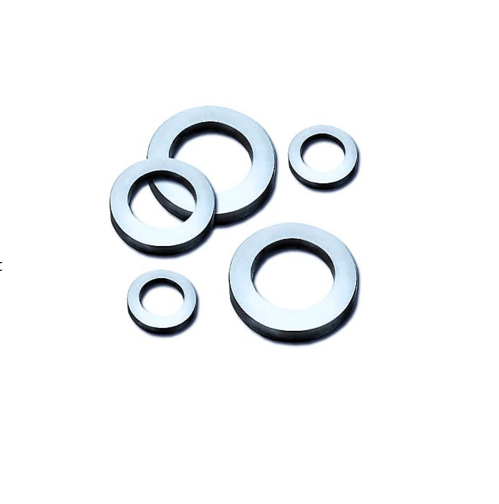
Size directly impacts material usage and therefore cost. Larger magnets contain more material and cost more. The permanent magnet price increases roughly proportionally with volume. Very small magnets may carry a price premium due to handling complexity. Very large magnets require specialized pressing equipment and longer processing times. The most economical sizes fall in the middle range where standard equipment operates efficiently.
The magnetic grade determines performance and cost for neodymium magnets. N35 provides good strength at the most economical permanent magnet price. N42 offers balance between strength and durability. N52 delivers maximum power but commands the highest price. The cost increases roughly 10 to 20 percent per grade step. A larger N35 magnet often achieves the same holding force as a smaller N52 at lower overall cost.
Quantity significantly affects unit pricing. Prototype quantities of a few pieces carry the highest per-unit cost. Pricing becomes competitive at 1,000 pieces and improves substantially at 10,000 pieces. Custom sizes requiring new tooling have higher minimum order quantities. Standard stock sizes offer competitive permanent magnet price at lower quantities. Suppliers offer tiered pricing with discounts at volume breakpoints.
Coating requirements add cost but are essential for durability. Standard nickel plating is the most economical finish. Epoxy coating adds moderate cost for moisture resistance. Gold plating, parylene coating, and specialized finishes increase the permanent magnet price substantially. Choose the coating level that matches your environment.
Related: Market Dynamics and Supply Chain Influences on Permanent Magnet Price
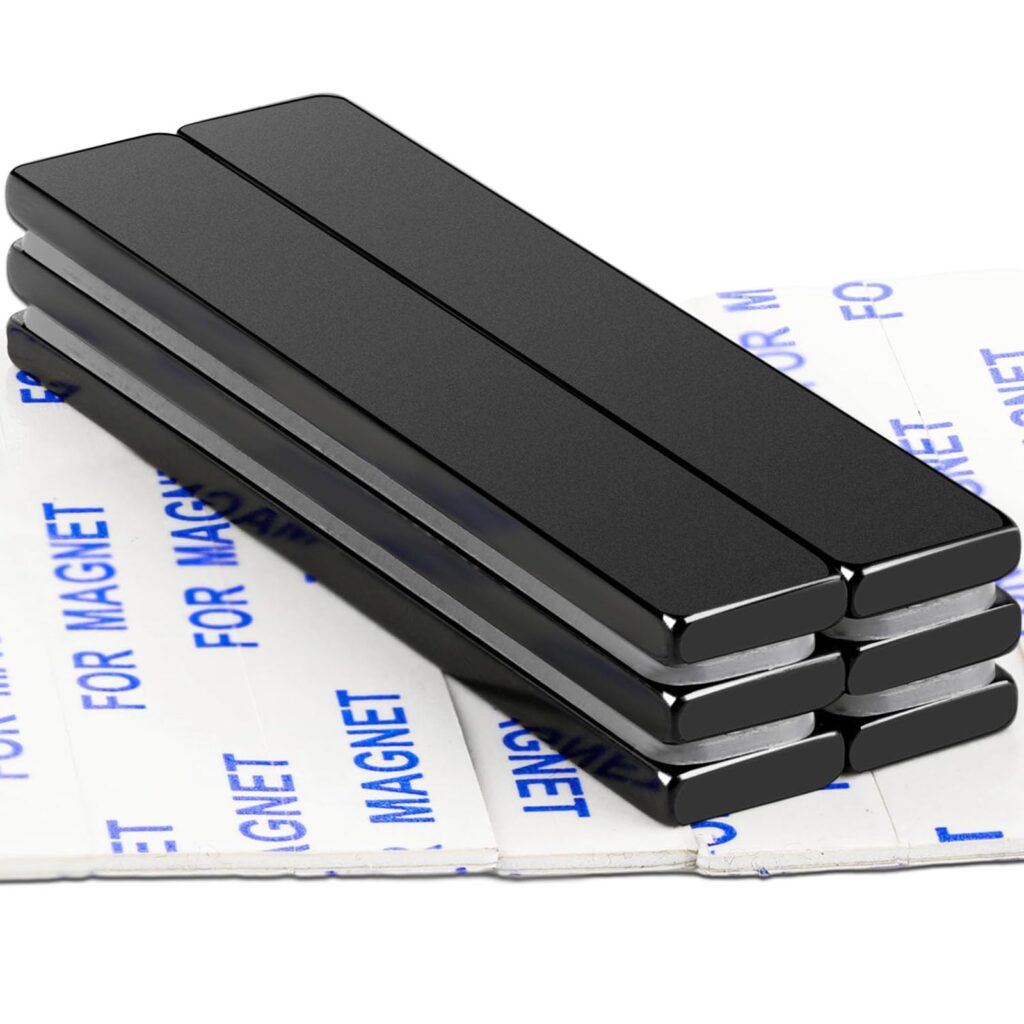
The global rare earth market significantly impacts magnet pricing. Understanding these dynamics helps you anticipate and manage costs effectively.
Rare earth element prices fluctuate based on supply and demand. China produces over 80 percent of global rare earth supply. Chinese export policies, production quotas, and environmental regulations directly affect worldwide pricing. When China restricts exports or reduces production, the permanent magnet price for neodymium products rises globally.
Dysprosium and terbium are heavy rare earth elements used in high-temperature grades. These elements are rarer and more expensive than neodymium. Their prices can spike dramatically during supply shortages. High-temperature grade magnets become significantly more expensive when heavy rare earth prices rise. Some manufacturers develop dysprosium-free technologies to reduce dependency and stabilize the permanent magnet price.
Energy costs affect manufacturing economics. The sintering process requires sustained high temperatures. Electricity and natural gas prices influence production costs. Logistics costs for shipping heavy magnetic products also contribute to the delivered permanent magnet price.
Currency exchange rates affect international purchasing. Most rare earth magnets are produced in Asia and priced in US dollars. Fluctuations between the dollar and your local currency can significantly affect the landed permanent magnet price. Long-term supply agreements may include currency adjustment mechanisms.
Related: How Manufacturing Complexity Shapes Permanent Magnet Price
Beyond raw materials and market forces, the production process itself adds layers of cost that directly influence the final permanent magnet price. Understanding these steps helps you appreciate why seemingly similar magnets can have very different price tags.
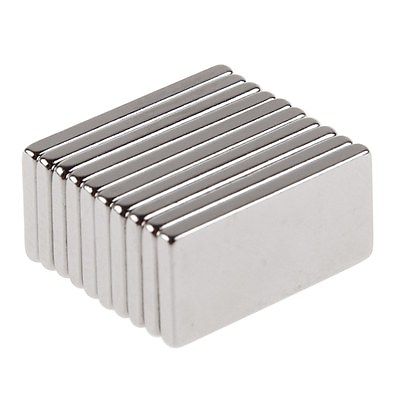
The journey from raw alloy to finished magnet involves several energy-intensive stages. First, the neodymium-iron-boron alloy is crushed into fine powder. This powder must have precise particle size distribution, which requires specialized milling equipment. Next comes pressing, where the powder is compacted in a magnetic field to align the particles. This alignment step is critical for achieving maximum magnetic performance. Misaligned particles result in weaker magnets, so process control here is essential.
Sintering follows at temperatures around 1100 degrees Celsius. This step consumes significant energy and requires controlled atmosphere furnaces. The sintering cycle can last many hours, adding to the permanent magnet price through energy consumption and equipment amortization. After sintering, magnets often need grinding or machining to achieve precise dimensions. This machining step generates waste material and requires diamond tooling, further adding cost.
Magnetization is the final step. Powerful capacitor-discharge equipment creates the magnetic field that aligns the domains permanently. The magnetizing fixtures themselves are custom-made for specific shapes. For multi-pole magnets or complex geometries, these fixtures add considerable expense to the overall permanent magnet price.
Quality control also contributes to cost. Testing equipment like hysteresisgraphs and Helmholtz coils represent significant investment. Every batch undergoes dimensional inspection and magnetic property verification. These quality measures prevent defective magnets from reaching customers but add overhead to the final price. When comparing quotes, consider whether lower-priced suppliers perform the same level of testing and inspection.
Related: Practical Strategies to Reduce Your Permanent Magnet Price
Smart buyers know that the best way to lower the permanent magnet price is not always through aggressive negotiation. Often, the most effective savings come from thoughtful design choices made early in the project.
One of the simplest ways to reduce cost is to use standard sizes. Custom magnets require dedicated tooling, which can add hundreds or thousands of dollars to your initial order. Standard sizes are produced in large volumes, so suppliers offer them at significantly lower unit prices. Whenever possible, design your product around an existing size.
Another effective strategy is to reduce the grade requirement. Many engineers automatically specify N52 because they want the strongest option. However, a larger N35 magnet often provides the same holding force at a lower permanent magnet price. Question whether you truly need the highest grade or whether a mid-range option will perform adequately.
Consider your actual environmental needs before selecting coatings. Nickel plating is sufficient for most indoor applications. Only choose expensive epoxy or parylene coatings if your product genuinely faces moisture or chemical exposure. Every unnecessary upgrade adds to your final cost without improving function.
Finally, consolidate your orders. Buying larger quantities less frequently reduces per-unit pricing and shipping costs. Suppliers can plan efficient production runs when they see consistent volume from a reliable customer.
FAQ: Your Permanent Magnet Price Questions Answered
1. Why does the permanent magnet price vary so much between different suppliers?
Price variation stems from several factors. Material grade authenticity is a major concern. Some suppliers quote lower prices by substituting lower grades or thinner coatings. Manufacturing efficiency affects production cost. Geographic location influences labor and energy costs. Quality control investment varies between suppliers. The lowest permanent magnet price may indicate corners cut somewhere in the process.
2. How can I verify I am getting the correct grade for the permanent magnet price I pay?
Request material test reports showing actual remanence and maximum energy product values. Genuine N52 neodymium has remanence of approximately 1.43 to 1.48 Tesla. Measure pull force against a clean steel plate and compare with theoretical calculations. For critical applications, send samples to an independent laboratory for testing.
3. What quantity gives the most competitive permanent magnet price?
Prototype quantities of 10 to 100 pieces carry the highest per-unit cost. Pricing becomes competitive at 1,000 pieces and improves significantly at 10,000 pieces. Custom magnets with new tooling require minimums of 5,000 to 10,000 pieces. Standard stock sizes offer competitive permanent magnet price at lower quantities.
Conclusion
Understanding what drives the permanent magnet price empowers you to make smarter purchasing decisions. Material type, size, grade, quantity, and coating all play important roles. By defining requirements clearly, requesting multiple quotes, and considering total cost of ownership, you can secure competitive pricing without compromising quality. Strategic timing and long-term partnerships further optimize your permanent magnet price over time. Whether you need a few prototype samples or production volumes in the millions, the right approach ensures your magnetic components deliver value at every stage.
7 Tips to Find Quality Neodymium Iron Boron Magnets for Sale Online