Electric motors power everything from smartphones to electric vehicles. Neodymium arc magnets sit at the heart of these machines, delivering exceptional magnetic strength in a perfectly curved shape. This guide explores everything you need to know about these specialized components.
What is Neodymium Arc Magnets
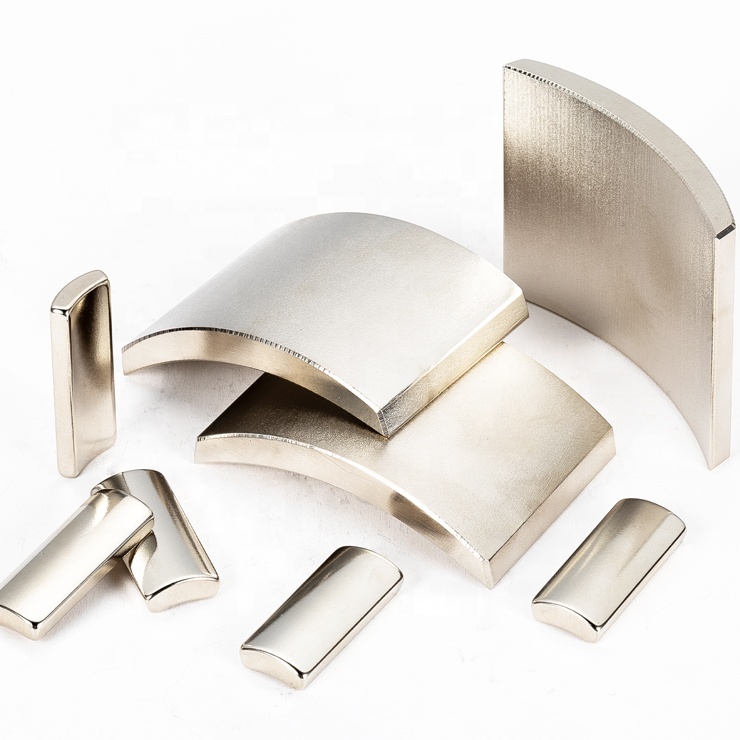
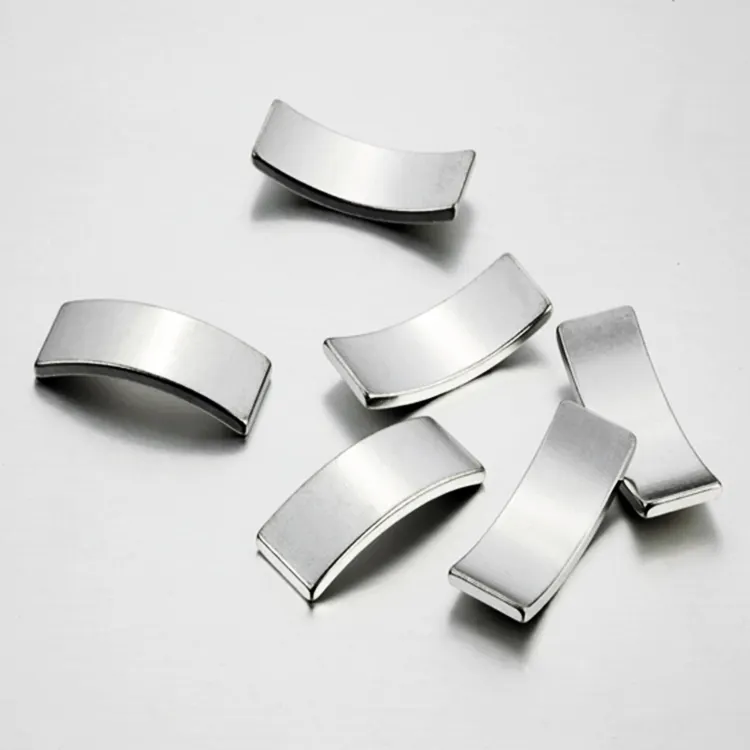
Neodymium arc magnets are curved permanent magnets made from neodymium-iron-boron, the strongest magnetic material available commercially. They have a specific inner radius, outer radius, arc angle, and thickness. This curved geometry allows them to fit perfectly onto the cylindrical rotor or inside the stator of electric motors. The shape maximizes the magnetic field within the motor’s air gap.
The neodymium material gives these magnets exceptional magnetic strength compared to ferrite or alnico alternatives. They are typically magnetized radially, meaning the north pole is on one curved face and the south pole on the other. Multiple neodymium arc magnets arranged around a motor’s circumference create the alternating magnetic poles that drive rotation. These magnets serve in brushless DC motors, permanent magnet synchronous motors, generators, and countless industrial applications where efficiency and power density matter.
Related: Understanding Grades and Temperature Ratings
Selecting the right grade is critical when specifying neodymium arc magnets. The grade system and temperature ratings determine motor performance and reliability.
The grade number indicates magnetic strength. N35 provides good performance at economical cost. N42 offers a balanced combination of strength and durability. N52 delivers maximum magnetic output but costs more and is more brittle. For neodymium arc magnets in motors, grades from N42 to N48 are common because they balance performance with manufacturability.
Temperature ratings use letter suffixes to indicate maximum operating temperature. Standard N grades work up to 80 degrees Celsius. M grade reaches 100 degrees Celsius. H grade handles 120 degrees Celsius. SH grade operates at 150 degrees Celsius. UH grade withstands 180 degrees Celsius. EH grade reaches 200 degrees Celsius. Electric vehicle traction motors typically require SH or UH grade neodymium arc magnets because motors run hot under load.
The addition of dysprosium or terbium creates high-temperature grades. These heavy rare earth elements increase intrinsic coercivity, making the magnet resistant to demagnetization at elevated temperatures. However, they also increase cost significantly. Some manufacturers are developing dysprosium-free technologies using grain boundary diffusion to achieve similar performance at lower cost.
Related: Dimensional Specifications and Customization Options
The precise geometry of neodymium arc magnets determines how well they fit into motor assemblies. Understanding dimensional specifications ensures proper selection.
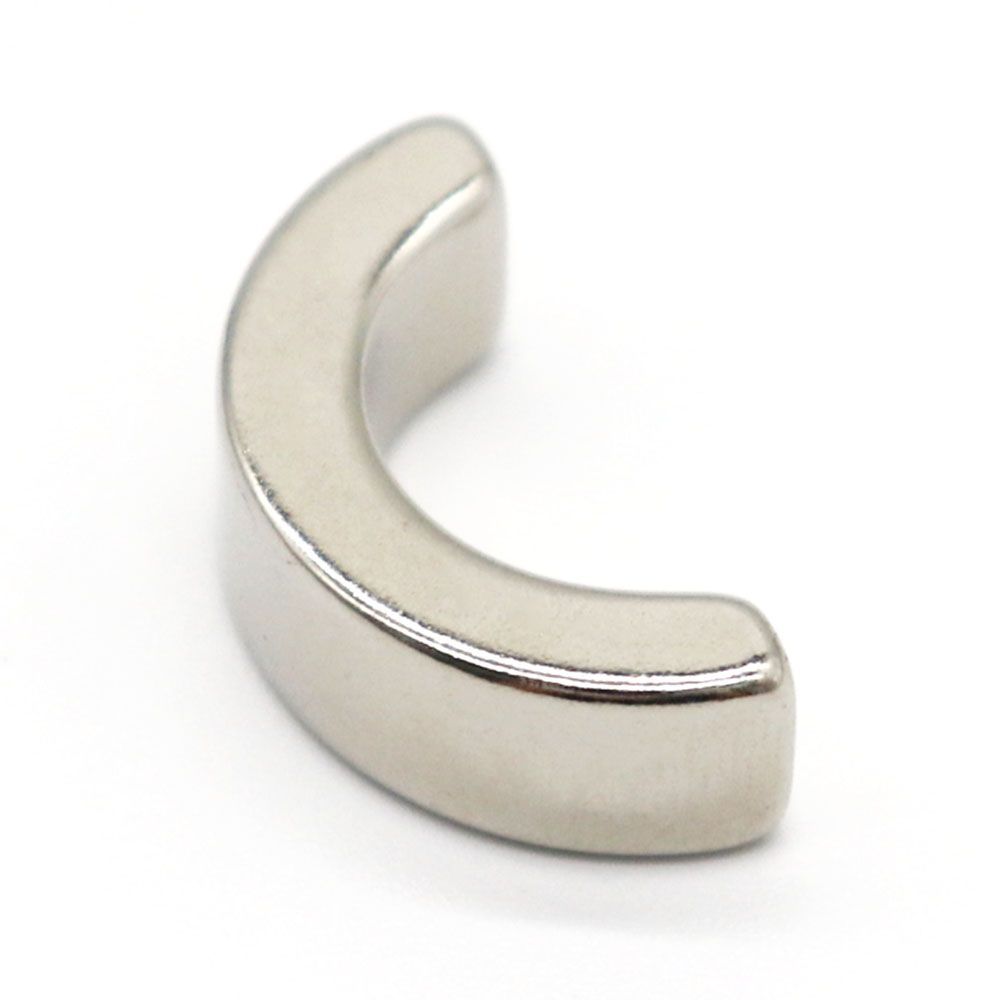
Outer radius defines the curved surface that fits against the rotor or stator. Inner radius defines the surface facing the air gap. The difference between these radii creates the magnet’s thickness. Arc angle determines how much of a circle each magnet covers. Common angles include 30, 45, 60, and 90 degrees. A 90-degree segment requires four pieces to form a complete ring.
Dimensional tolerances critically affect motor performance. Tight control of inner and outer radii ensures a uniform air gap. Consistent arc angle ensures balanced magnetic forces. Thickness variations cause axial imbalance. Quality manufacturers hold tolerances of plus or minus 0.05 millimeters on critical dimensions for neodymium arc magnets.
Customization allows optimization for specific motor designs. Manufacturers produce neodymium arc magnets with custom radii, angles, and thicknesses to match exact motor specifications. Some designs feature chamfered edges to reduce chipping during assembly. Others have special coatings for compatibility with motor cooling oils. Discuss your complete requirements with the supplier during the design phase.
Coating selection is essential for durability. Standard nickel plating suits clean indoor environments. Epoxy coating provides superior protection for automotive and outdoor applications. Some neodymium arc magnets receive specialized coatings compatible with transmission fluid in electric vehicle motors. The coating must resist chemical attack from hot oil over thousands of operating hours.
Related: Applications Across Major Industries
Neodymium arc magnets power essential equipment across diverse industries. Understanding these applications highlights their importance in modern technology.
Electric vehicle traction motors represent the largest and fastest-growing application. These motors use large neodymium arc magnets arranged around the rotor. The magnets must withstand high temperatures, vibration, and exposure to cooling oil. SH and UH grades are standard for this demanding application. The performance of these magnets directly affects vehicle range and efficiency.
Industrial servo motors use neodymium arc magnets for precise motion control. Robotics, CNC machines, and automated assembly equipment depend on these motors. The magnets provide the strong, consistent magnetic field needed for accurate positioning. SH grade is common for industrial applications where motors run continuously at elevated temperatures.
Wind turbine generators use large neodymium arc magnets in direct-drive designs. These generators eliminate gearboxes by using many magnets arranged around a large rotor. The magnets must maintain performance for decades in harsh outdoor conditions. Epoxy coatings protect against moisture and salt spray in offshore installations.
Power tools use compact neodymium arc magnets in high-speed motors. Cordless drills, angle grinders, and circular saws require powerful motors in small packages. The strong magnetic field from neodymium arc magnets enables compact motor designs with high torque output.
Home appliances including washing machines, vacuum cleaners, and air conditioners use these magnets in efficient motors. The strong magnetic field improves motor efficiency, reducing energy consumption. This efficiency matters for both environmental impact and operating cost.
Related: Manufacturing Process for Precision Curved Magnets
Producing neodymium arc magnets requires specialized manufacturing processes. Understanding these steps helps you appreciate the precision involved.
The process begins with powder preparation. Neodymium, iron, and boron are alloyed and crushed into fine powder. The powder mixes with a lubricant to improve flow. For anisotropic magnets, particles align in a magnetic field during pressing. This alignment maximizes magnetic performance in the final magnetized direction.
Pressing forms the curved shape using specialized tooling. The powder fills a die cavity with the exact arc geometry. Punches apply pressure from multiple directions to achieve uniform density. The green compact has the desired shape but remains fragile. Tooling design must account for the lower compressibility of neodymium powder compared to ferrite.
Sintering transforms the compact into a solid magnet. The parts heat to approximately 1100 degrees Celsius in a controlled atmosphere furnace. Atomic diffusion bonds the particles together. Shrinkage during sintering requires oversized tooling to compensate. After sintering, neodymium arc magnets achieve full magnetic properties but need finishing.
Grinding achieves final tolerances. Inner and outer curved surfaces are ground to exact radii. End faces are ground to precise angles. This machining is critical for proper motor fit. Even small dimensional errors cause imbalance, vibration, and noise.
Magnetization is the final step. The finished segments pass through a powerful magnetizing coil. Most neodymium arc magnets receive radial magnetization. Specialized fixtures produce the required pole pattern.
Related: Optimizing Motor Performance with Proper Magnet Selection
The selection of neodymium arc magnets directly impacts motor efficiency, torque output, and overall performance. Understanding how magnet characteristics influence motor behavior helps engineers make informed decisions.
Magnet thickness plays a critical role in the magnetic circuit. Thicker neodymium arc magnets produce a stronger magnetic field in the air gap. However, thicker magnets also increase the rotor diameter, which affects motor size and weight. There is an optimal thickness where the magnetic field strength balances against the overall motor dimensions. Engineers use finite element analysis to determine this balance for each specific motor design.
Pole count determines motor speed and torque characteristics. Higher pole counts using more neodymium arc magnets produce more torque at lower speeds. Lower pole counts allow higher maximum speeds but less torque. The choice depends on the application requirements. Electric vehicle motors often use eight or twelve poles for the optimal balance of torque and speed range. Small drone motors may use fourteen or more poles for high torque density.
Skewing the magnets slightly improves motor smoothness. When neodymium arc magnets are mounted with a small angular offset along the rotor length, it reduces cogging torque. Cogging torque causes the motor to feel notchy at low speeds and creates vibration. Skewed magnet placement smooths the magnetic transition between poles, resulting in quieter, smoother operation. This technique is common in high-quality servo motors and precision applications.
The air gap between the magnet surface and the stator must be uniform. Even small variations in the gap create magnetic imbalances. These imbalances cause vibration, noise, and reduced efficiency. Precision grinding of neodymium arc magnets ensures consistent thickness and curvature. Proper rotor assembly techniques maintain the uniform air gap during motor construction. Quality control measurements verify gap consistency before final motor assembly.
FAQ: Your Neodymium Arc Magnets Questions Answered
1. How do neodymium arc magnets differ from regular rectangular magnets?
The curved shape is the defining difference. Neodymium arc magnets have specific inner and outer radii that match the circular geometry of motors. Rectangular magnets have flat faces and square corners. The curved profile maximizes magnetic flux in the motor’s air gap while fitting perfectly into cylindrical assemblies. Using rectangular magnets in a motor creates an uneven air gap, reducing efficiency and causing vibration.
2. Can neodymium arc magnets be custom-made to specific dimensions?
Yes, most manufacturers produce custom sizes to customer specifications. You provide the required inner radius, outer radius, arc angle, and thickness. The supplier designs tooling to match your exact requirements. Custom tooling involves upfront cost but ensures proper fit in your motor design. Minimum order quantities for custom sizes typically start at a few thousand pieces.
3. What causes neodymium arc magnets to crack during motor assembly?
The brittle nature of sintered neodymium makes these magnets vulnerable to damage. Improper handling during bonding can chip edges. Thermal shock from rapid temperature changes creates stress cracks. Impact during rotor assembly can shatter magnets. To prevent damage, warm the rotor before bonding magnets. Use assembly fixtures that locate neodymium arc magnets gently without impact. Control the assembly environment temperature.
Conclusion
Neodymium arc magnets are precision-engineered components that enable efficient electric motors across countless industries. Their curved geometry maximizes magnetic performance while fitting perfectly into cylindrical motor assemblies. Understanding grades, dimensions, and manufacturing processes helps engineers select the right magnets for their designs. From electric vehicles to wind turbines to household appliances, neodymium arc magnets deliver the consistent, reliable magnetic fields that power modern technology.
8 ways to Get the Best Permanent Magnet Price Without Sacrificing Quality