Disc magnets are small, circular wonders that can completely transform how you organize your space. Whether you’re a DIY enthusiast, a crafter, or just someone tired of clutter, these flat magnetic discs offer incredible holding power in a tiny package. This guide will walk you through everything you need to know to start using them safely and creatively today.
What are Disc Magnets
Disc magnets are permanent magnets shaped like a coin or a flat cylinder. Because their diameter is larger than their thickness, they look exactly like a disc. They are typically made from neodymium (rare earth), ferrite (ceramic), or samarium cobalt. Neodymium disc magnets are the most popular choice because they offer the strongest magnetic force relative to their size. You’ll find them coated in nickel, zinc, or epoxy to prevent corrosion and give them a shiny silver finish.
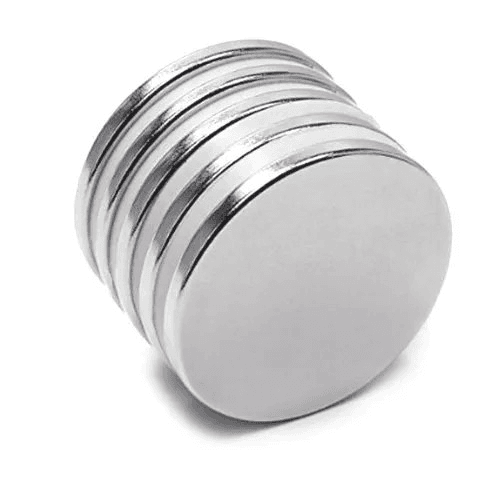
These magnets are not just toys; they are precision tools. The flat surface creates a large contact area, which makes them perfect for sticking items to flat metallic surfaces like refrigerators, whiteboards, and metal shelving. However, because they have a strong pull force and can be brittle, handling them requires a specific set of precautions, which we will cover later.
3 Specifications You Must Know Before Buying Disc Magnets
To get the right performance, you cannot just grab any pack off the shelf. You need to understand three critical technical specs that define how disc magnets behave.
1. Pull Force (Holding Power)
This is measured in pounds (lbs) or kilograms (kg) and tells you how much weight the magnet can hold under ideal conditions. Conditions must be perfect: the magnet sits flat against a thick, smooth steel surface, and the load is applied straight down. If you try to slide the magnet sideways (shear force), it will release much faster. A magnet rated for 10 lbs might only hold 1 lb on a rough-painted surface. Always check the pull force rating and buy a magnet that is three times stronger than what you actually need for safety.
2. Grade (The “N” Number)
The grade tells you the magnetic strength, specifically for neodymium disc magnets. You’ll see grades like N35, N42, or N52. The higher the number after the “N”, the stronger the magnet. An N52 disc magnet is the strongest available commercially but is also the most brittle and sensitive to heat. For most home projects, N35 or N42 is the sweet spot between strength, durability, and cost.
3. Coating and Temperature Resistance
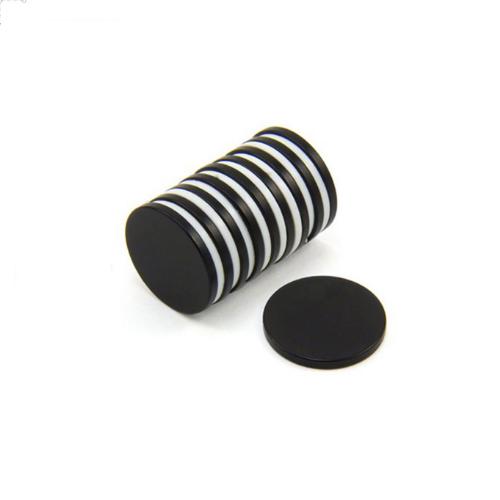
If you drop a bare disc magnet, it can crack. Nickel-copper-nickel plating is standard and protects against light moisture. However, if you plan to use your disc magnets outdoors, in a bathroom, or near a fish tank, you must choose epoxy-coated or plastic-coated magnets to prevent rust. Also, standard neodymium magnets lose strength above 80°C (176°F). If you are using them for high-heat crafts or industrial tasks, look for high-temperature grades like “M” or “H” suffixes.
7 Powerful Facts About Rare Earth Magnets You Need to Know
How to Choose It: Securing Items with Disc Magnets
Follow this simple step-by-step guide to create a magnetic wall organizer using your disc magnets. This method is removable and renter-friendly.
Step 1: Surface Preparation
Clean both the surface you are sticking to and the item you want to hang. Use rubbing alcohol to remove any grease or dust. A dusty surface can reduce the effective pull force of disc magnets by up to 90%.
Step 2: Selecting the Right Magnet for the Weight
Weigh the item you plan to hang. If your keys weigh 0.5 lbs, do not use a magnet rated for exactly 0.5 lbs. Use a disc magnet rated for at least 1.5 lbs to create a safety margin. Remember, magnetic force drops dramatically over distance, so if you put a piece of paper or fabric between the magnet and the steel, the strength plummets.
Step 3: The Direct Attachment Method (Metal to Metal)
If you are sticking a disc magnet directly to a steel fridge, simply place the flat side against the metal. The attraction is instant and powerful. Never slide a neodymium disc magnet across a surface to position it; the friction can scratch the coating. Instead, place a credit card edge between the magnet and the surface, slide it into position, and pull the card away to let it snap gently.
Step 4: The Glue Method (Non-Metal Items)
For sticking a disc magnet to wood, plastic, or ceramic, you need adhesive. Roughen the flat face of the magnet slightly with sandpaper so the glue grips better. Use a two-part epoxy or cyanoacrylate glue. Do not use hot glue, as the heat can demagnetize the disc. Press the magnet onto the object and tape it down for 24 hours to cure fully.
Step 5: The Counter-Sink Method (Professional Finish)
For a hidden look, drill a shallow hole exactly the size of your disc magnets into the wood. The depth should match the thickness of the magnet. Fill the hole slightly with epoxy, press the magnet in, and let it dry. Once sanded over, the magnet is invisible but holds strongly.
Notices: Safety and Handling of Disc Magnets
Using disc magnets is fun, but ignoring these safety rules can lead to injuries or property damage.
Mind Your Fingers
Large disc magnets have an incredible pinch force. If two strong disc magnets jump towards each other and your finger is in between, you can get a blood blister or a serious cut. Always separate strong magnets by sliding them apart sideways, never by pulling them straight up. Store them with plastic spacers between each disc.
Protect Your Electronics
Keep disc magnets away from pacemakers, hearing aids, and insulin pumps. The magnetic field can interfere with these medical devices. Also, do not place them near your computer’s hard drive, credit cards, or smartphone compasses. While modern phones don’t lose data from magnets, the magnetic field can mess with the image stabilization in your camera lens.
Keep Away from Children and Pets
This is the most critical notice. If swallowed, two or more small disc magnets can attract each other through intestinal walls, causing severe internal damage requiring immediate surgery. Never leave them loose on a desk. Count them out and count them back in to your storage box.
Watch for Brittleness
Neodymium disc magnets are not flexible; they are sintered powder. If you let one slam onto a concrete floor, it will likely chip or shatter. Sharp broken shards are hazardous.
FAQ: Your Disc Magnets Questions Answered
1. Can I drill a hole through disc magnets to screw them in?
No. Absolutely not. Disc magnets are extremely brittle and will shatter if you try to drill into them. The dust from drilling neodymium is also flammable. If you need a screw hole, buy “pot” or “channel” magnets which have a steel shell around the magnetic disc, or use the counter-sink gluing method described above.
2. Why do my disc magnets keep rusting in the bathroom?
Standard shiny disc magnets have a nickel-copper coating that resists mild humidity but not direct water. In a steamy bathroom, water molecules penetrate the microscopic pores in the plating. You need to specifically search for “waterproof disc magnets” with an epoxy or plastic rubber coating for areas with constant moisture.
3. Does stacking two disc magnets double the pulling force?
Yes, but only up to a limit. If you stack two identical disc magnets directly on top of each other (north-to-south), they act like one thicker magnet. This generally gives you about 180% of the pull force of a single magnet, not 200%, because the magnetic field changes shape. The further the stack is from the steel surface, the less effective the stacking becomes.
Conclusion
Disc magnets are an unsung hero of the organization world. From holding a spice rack under a cabinet to crafting custom fridge art, their strong, flat profile makes them endlessly useful. Remember to respect their strength by prioritizing safety—store them carefully, never drill them, and always buy a coating suited for your environment. Start with a small pack of N42 nickel-plated disc magnets for general use, and you’ll quickly find hundreds of creative applications around your home.