Off-the-shelf magnets rarely fit every unique engineering challenge perfectly. A custom magnet manufacturer creates precision components tailored to your exact specifications. This guide helps you find the right partner and understand what to expect throughout the process.
What a Custom Magnet Manufacturer Offers
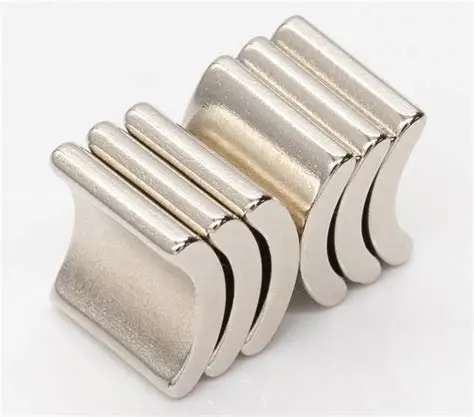
A custom magnet manufacturer produces magnets designed specifically for your application rather than selling standard stock items. This specialization involves creating unique shapes, sizes, grades, coatings, and magnetization patterns. The manufacturer works from your drawings or specifications to build tooling and produce magnets that fit perfectly into your assembly.
The process begins with design consultation. A skilled magnet manufacturer reviews your requirements and suggests improvements for manufacturability. They consider material selection, geometry, tolerances, and performance needs. This collaborative approach prevents costly design mistakes before tooling is built.
Tooling design follows design approval. The magnet manufacturer creates pressing dies, sintering fixtures, and magnetizing coils specific to your magnet geometry. This tooling represents a significant investment. Tooling costs amortize over your production volume, making custom magnets more economical at higher quantities.
Prototype production allows testing before full-scale manufacturing. A responsive magnet manufacturer produces sample magnets using prototype tooling or alternative methods. You test these samples in your actual application and provide feedback. Adjustments happen before committing to production tooling.
Production follows prototype approval. The magnet manufacturer runs your order using validated processes and quality controls. Each batch receives inspection and documentation. This rigorous approach ensures consistent quality across every shipment.
Key Capabilities to Evaluate in a Custom Magnet Manufacturer
Not all magnet manufacturers have the same capabilities. Evaluating these key areas helps you select a partner who can truly meet your needs.
Material expertise is fundamental. A capable magnet manufacturer works with neodymium, ferrite, samarium cobalt, and alnico materials. They understand the trade-offs between strength, temperature resistance, and cost. They recommend the optimal material for your specific operating conditions.
In-house tooling design separates quality manufacturers from brokers. A magnet manufacturer with its own tooling department develops dies faster and troubleshoots problems more effectively. They control the entire process from design to production. This vertical integration ensures accountability.
Machining capabilities enable custom geometries. Some magnet shapes require grinding, slicing, or drilling after sintering. A full-service custom magnet manufacturer maintains precision machining equipment in-house. This capability produces complex shapes with tight tolerances that standard pressing cannot achieve.
Coating application expertise matters for durability. Different environments require different protective coatings. A versatile magnet manufacturer offers nickel, epoxy, gold, parylene, and rubber coatings. They recommend the appropriate coating based on your operating environment.
Magnetizing capability is critical. Custom pole patterns and magnetization directions require specialized fixtures. A skilled magnet manufacturer designs and builds magnetizing coils for your specific requirements. This capability ensures your magnets perform exactly as designed.
The Custom Magnet Manufacturing Process Step by Step
Understanding the production process helps you communicate effectively with a magnet manufacturer. Each step affects the final product quality and cost.
Design consultation begins the relationship. You provide drawings, specifications, or performance requirements. The custom magnet manufacturer reviews your needs and suggests material options, grade selection, and geometry optimizations. This discussion prevents problems later in the process.
Tooling fabrication follows design approval. The custom magnet manufacturer builds pressing dies, sintering fixtures, and magnetizing coils. Tooling costs vary based on complexity. Simple shapes require basic tooling. Complex multi-level geometries need sophisticated dies with multiple punch movements.
Prototype production validates the design. The custom magnet manufacturer produces sample magnets for your testing. Prototypes may use temporary tooling or small production runs. You evaluate dimensional accuracy, magnetic strength, and performance in your application.
Production runs follow prototype approval. The custom magnet manufacturer processes your order with validated parameters. Each batch undergoes inspection and documentation. Quality certificates accompany every shipment.
Cost Factors When Working with a Custom Magnet Manufacturer
Understanding what drives custom magnet pricing helps you budget accurately. Several factors influence the total cost of your project.
Tooling investment represents the largest upfront cost. Custom pressing dies and magnetizing fixtures require precision machining. A custom magnet manufacturer charges tooling separately or amortizes it into piece pricing. Higher volumes spread tooling costs thinner, reducing per-unit expense.
Material selection affects pricing significantly. Neodymium costs more than ferrite. Higher grades like N52 command premium pricing over N35. High-temperature grades with dysprosium cost even more. A knowledgeable custom magnet manufacturer recommends the most economical material that meets your performance requirements.
Quantity drives per-unit cost. Prototype quantities carry high pricing due to setup overhead. Production volumes of 1,000 pieces or more achieve competitive pricing. A custom magnet manufacturer offers tiered pricing with discounts at volume breakpoints.
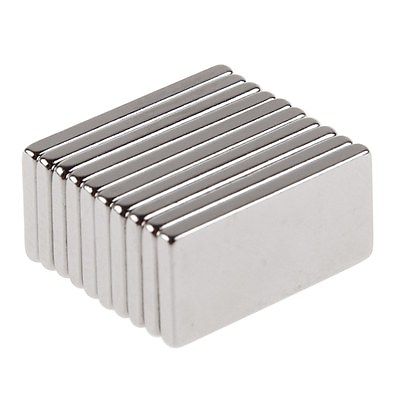
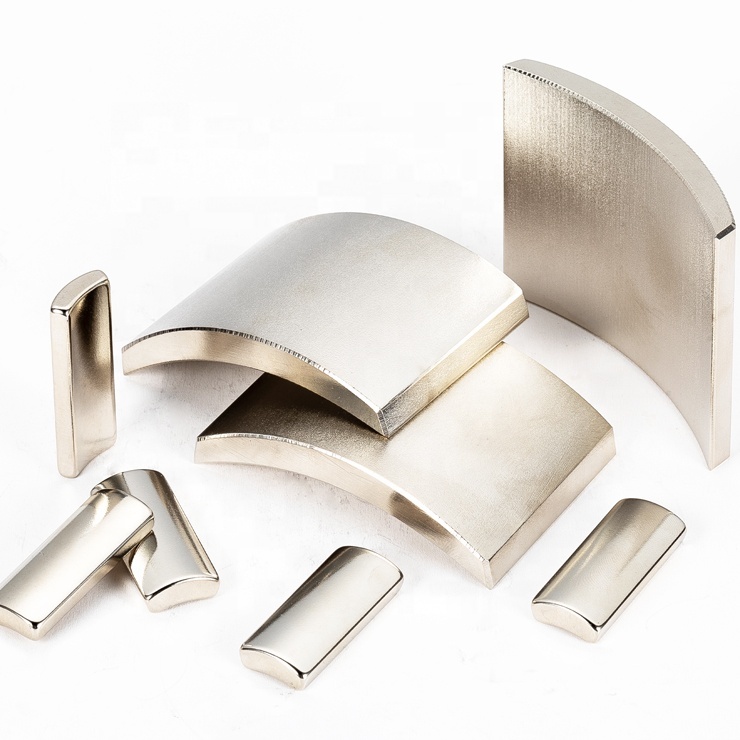
Complexity adds cost. Simple disc or block shapes cost less than arc segments or multi-level geometries. Tight tolerances require additional grinding and inspection. Complex magnetization patterns need specialized fixtures. Discuss complexity trade-offs with your custom magnet manufacturer to optimize cost.
Quality Control Systems at a Professional Custom Magnet Manufacturer
A professional custom magnet manufacturer implements rigorous quality control systems throughout the production cycle. These systems ensure every magnet meets specifications before reaching the customer. Understanding these procedures helps buyers evaluate potential partners effectively.
Incoming raw material inspection is the first line of defense. A quality-focused custom magnet manufacturer tests every powder lot before production begins. Technicians verify particle size distribution, oxygen content, and alloy composition. Powder that fails inspection is rejected immediately. This prevents quality problems from propagating through the entire batch.
In-process monitoring tracks critical parameters during manufacturing. Pressing density, sintering temperature, and furnace atmosphere receive continuous monitoring. A diligent custom magnet manufacturer records this data for every production lot. Statistical process control charts reveal trends before they become problems.
Final inspection verifies magnetic and dimensional properties. Every batch undergoes testing with hysteresisgraphs or Helmholtz coils to measure actual magnetic output. Coordinate measuring machines check dimensions against specifications. Coating thickness testers verify protective layer uniformity. A reputable custom magnet manufacturer documents all test results and provides certificates with each shipment.
Sample retention supports traceability and warranty claims. Quality suppliers retain samples from every production batch. If a customer reports a problem months later, retained samples enable investigation. This traceability is essential for automotive, medical, and aerospace applications where documentation requirements are strict.
Third-party testing adds independent verification. Some custom magnet manufacturer companies send samples to external laboratories for confirmation. This independent validation provides additional confidence for critical applications. Customers can also arrange their own testing to verify supplier claims independently.
Documentation completeness separates quality manufacturers from commodity traders. A professional custom magnet manufacturer provides material certifications, dimensional inspection reports, and magnetic property test results with every order. This documentation demonstrates accountability and supports your own quality management system.
How Custom Magnet Manufacturer Supports Prototype to Production Transition
A skilled custom magnet manufacturer guides customers smoothly from initial concept through full production. This transition involves several critical stages that require careful coordination.
The prototype phase focuses on validating design feasibility. The custom magnet manufacturer produces small quantities using prototype tooling or alternative manufacturing methods. These samples allow you to test magnetic strength, dimensional fit, and performance in your actual application. Prototype iterations happen quickly, often within weeks. The goal is confirming the design works before investing in production tooling.
Pilot production bridges prototyping and full-scale manufacturing. The custom magnet manufacturer runs a limited batch using production-intent tooling. This phase validates that the production process achieves the same quality as prototypes. Pilot runs typically produce 500 to 2,000 pieces. You test these samples for consistency across the batch. Any process adjustments happen during this phase.
Production tooling finalization occurs after pilot validation. The custom magnet manufacturer refines tooling based on pilot run results. Adjustments may improve dimensional consistency, reduce defects, or optimize cycle times. This iterative approach ensures the production process is stable before high-volume manufacturing begins.
Process documentation formalizes manufacturing parameters. The custom magnet manufacturer records pressing pressures, sintering temperatures, coating specifications, and inspection criteria. This documentation ensures consistency across future production runs. It also supports quality certifications and customer audits.
Scaling to full production follows documentation. The custom magnet manufacturer schedules production runs based on your forecast. Regular communication keeps you informed of progress. Ongoing quality monitoring ensures every batch meets specifications.
A smooth prototype-to-production transition requires close collaboration. The best custom magnet manufacturer partners involve you at every stage, seeking feedback and addressing concerns promptly. This collaborative approach prevents surprises and builds confidence in the manufacturing relationship.
FAQ: Your Custom Magnet Manufacturer Questions Answered
1. What is the minimum order quantity from a custom magnet manufacturer?
Minimum order quantities vary by manufacturer and part complexity. Simple shapes may have minimums of 500 to 1,000 pieces. Complex geometries requiring dedicated tooling often need minimums of 5,000 pieces or more. Prototype runs of 50 to 100 pieces are usually available at higher per-unit pricing. Discuss your volume trajectory with the custom magnet manufacturer to find the right starting point.
2. How long does custom magnet production take?
Tooling design and fabrication typically requires four to eight weeks depending on complexity. Prototype production adds two to three weeks. After prototype approval, production quantities ship within three to five weeks. Complex multi-pole magnetization patterns add additional time. Rush options exist at premium pricing. Discuss timelines early with your custom magnet manufacturer.
3. Can a custom magnet manufacturer help with design optimization?
Yes, design support is a core service of quality custom magnet manufacturers. They review your design and suggest modifications that improve manufacturability and reduce cost. They recommend optimal material grades and geometries based on your performance requirements. This collaborative approach prevents costly mistakes and accelerates development.
Conclusion
Partnering with a capable custom magnet manufacturer opens possibilities that standard magnets cannot match. By understanding the process, evaluating capabilities, and planning for tooling investment, you can create magnetic components perfectly suited to your application. The right custom magnet manufacturer becomes an engineering partner, guiding you through design, prototyping, and production. Whether you need specialized arc segments for motors or custom assemblies for medical devices, a quality manufacturer delivers the precision and reliability your project demands.
7 Smart Tips to Understand and Optimize Circular Magnet Price