Corrosion destroys unprotected neodymium magnets quickly when exposed to moisture and harsh conditions. Epoxy coated magnets solve this problem with a tough polymer barrier that seals the magnetic material completely. This guide explains why these protected magnets are essential for demanding applications.
What is Epoxy Coated Magnets
Epoxy coated magnets are permanent magnets protected by a thick layer of epoxy resin that covers the entire magnet surface. The internal magnet is typically neodymium, the strongest permanent magnet material available. The epoxy coating provides superior protection against moisture, salt spray, chemicals, and physical impact compared to standard nickel plating.
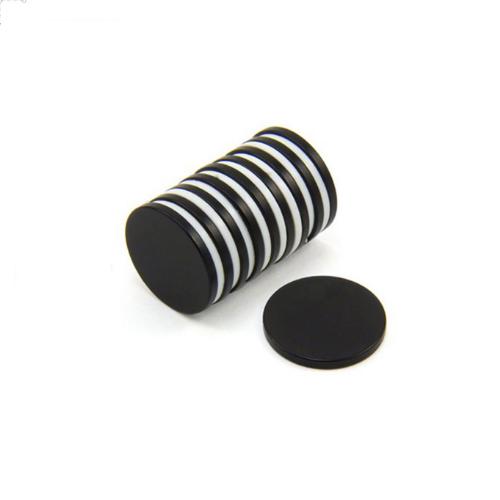
The coating process involves cleaning the magnet surface thoroughly, then applying epoxy through spraying, dipping, or electrostatic deposition. The epoxy cures to form a hard, durable shell. Epoxy coated neodymium magnets come in black, gray, or custom colors. They are ideal for outdoor applications, marine environments, automotive components, and industrial equipment where moisture exposure is constant. The coating adds slight thickness but dramatically extends the magnet’s service life.
Related: Key Advantages That Make Epoxy Coated Magnets Superior
Understanding the benefits helps you decide when these protected magnets are the right choice. Epoxy protection offers several critical advantages over alternative coatings.
Superior moisture resistance is the primary benefit. Standard nickel plating has microscopic pores that allow moisture to reach the magnet surface over time. Epoxy creates a seamless, pinhole-free barrier. Water, salt spray, and humidity cannot penetrate to the reactive neodymium core. Epoxy coated magnets withstand conditions that would cause nickel-plated magnets to rust within weeks.
Chemical resistance extends into harsh environments. The epoxy polymer resists attack from saltwater, cleaning chemicals, oils, and many solvents. This makes epoxy coated magnets suitable for marine hardware, chemical processing equipment, and outdoor installations exposed to environmental pollutants.
Impact resistance protects the brittle internal magnet. Neodymium is a sintered material similar to ceramic. It chips and cracks under impact. The epoxy layer absorbs shocks and cushions the magnet against drops and bumps. This durability is especially valuable in industrial settings and outdoor applications.
Excellent adhesion prevents coating delamination. Properly applied epoxy bonds tightly to the magnet surface. The coating does not peel or flake even under thermal cycling and physical stress. This reliability ensures long-term protection without coating failure.
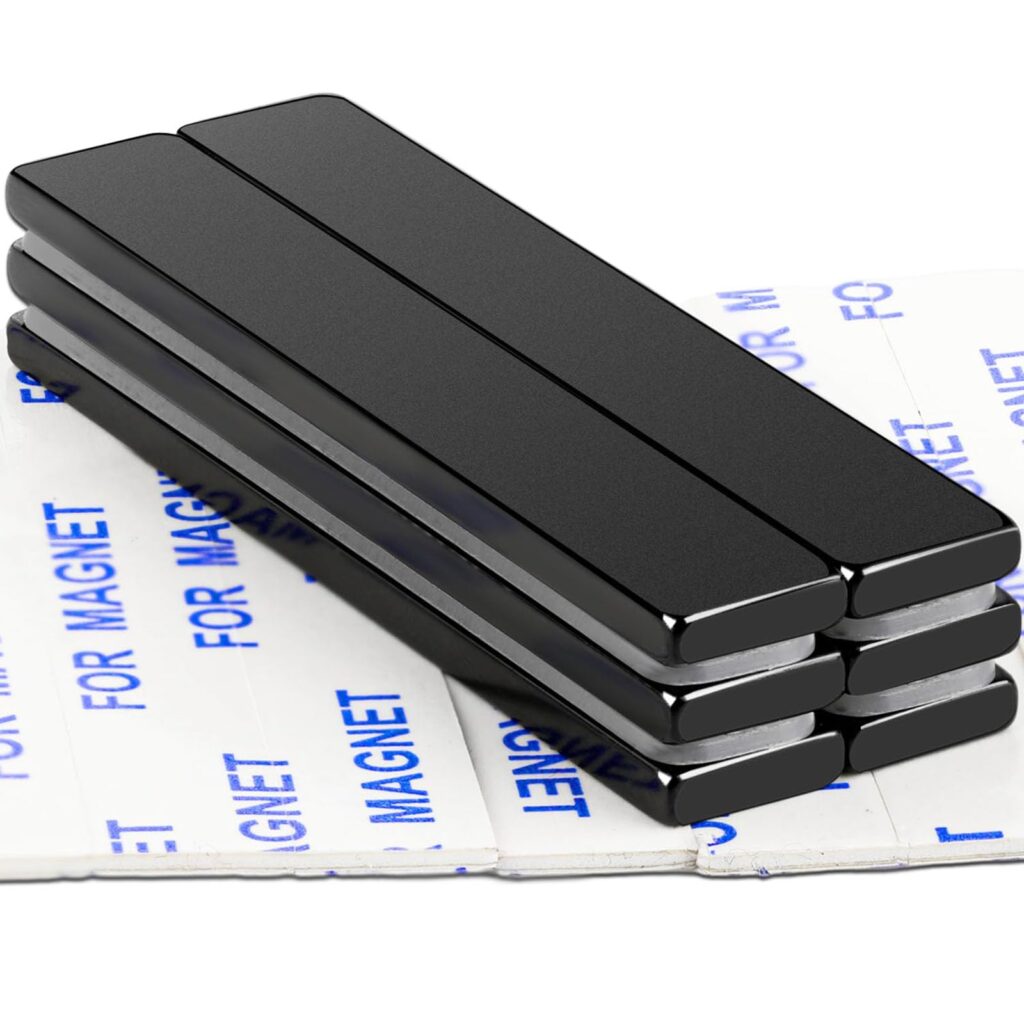
Color options provide functional and aesthetic benefits. Black epoxy is the most common, offering a professional appearance that hides dirt. Gray epoxy suits industrial applications where visibility matters. Custom colors allow epoxy coated magnets to match product designs or serve as color-coded identification.
Related: Common Applications for Epoxy Coated Magnets
The durability of these magnets makes them essential across many industries. Understanding these applications highlights their versatility.
Marine and outdoor applications depend on epoxy coated magnets. Boat fittings, dock hardware, and underwater equipment face constant saltwater exposure. The epoxy barrier prevents corrosion that would destroy unprotected magnets. Outdoor signage, lighting fixtures, and recreational equipment also benefit. These magnets maintain performance through rain, humidity, and temperature extremes.
Automotive components use epoxy coated magnets in demanding under-hood environments. Engine sensors, brake components, and transmission parts encounter heat, oil, and moisture simultaneously. The epoxy withstands these conditions while protecting the magnetic core. Electric vehicle motors may use epoxy coating for additional protection against coolant and condensation.
Industrial equipment benefits from the chemical resistance of epoxy coated magnets. Food processing machinery undergoes frequent washdowns with cleaning chemicals. Chemical plants expose equipment to corrosive atmospheres. The epoxy layer resists degradation where other coatings fail. These magnets maintain reliable performance in harsh factory conditions.
Wind turbines and renewable energy systems use epoxy coated magnets in generator assemblies. The magnets face years of outdoor exposure in remote locations. Epoxy protection ensures consistent magnetic performance throughout the equipment’s service life. Maintenance access is limited, making long-term reliability essential.
Consumer products benefit from the durability and appearance of epoxy coated magnets. Outdoor tools, garden equipment, and recreational gear experience weather exposure. The black epoxy finish provides a professional look that resists scratching and wear. These products last longer and maintain appearance better than nickel-plated alternatives.
Related: How to Select and Maintain Epoxy Coated Magnets
Proper selection and care ensure maximum performance from your epoxy coated magnets. Follow these guidelines for best results.
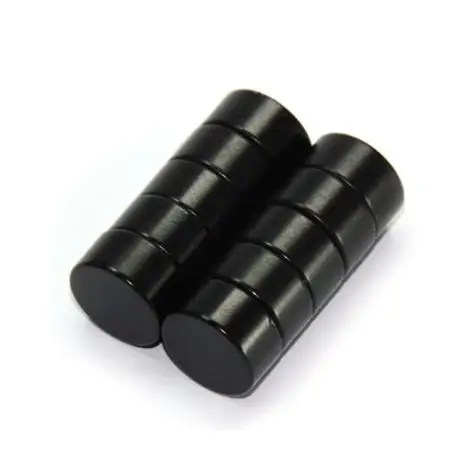
Choose the right size and strength for your application. The epoxy coating adds approximately 0.1 to 0.3 millimeters of thickness. This slight increase reduces the effective magnetic pull force because it creates a small air gap. Select epoxy coated magnets with pull force ratings that account for this coating thickness. Always apply a safety factor of three times your actual load.
Consider the temperature requirements carefully. Standard neodymium epoxy coated magnets work up to 80 degrees Celsius. The epoxy itself withstands normal environmental temperatures but may soften or discolor at extreme heat. For high-temperature applications, select magnets with appropriate grade ratings and discuss coating suitability with the manufacturer.
Install magnets carefully to avoid coating damage. While epoxy is durable, sharp impacts can crack the coating and expose the magnet underneath. Place epoxy coated magnets gently rather than letting them snap against surfaces. Avoid prying against the coating with sharp tools.
Clean regularly with mild soap and water. The epoxy surface resists staining and cleans easily. Avoid abrasive cleaners that could scratch the coating. Rinse thoroughly after cleaning in marine environments to remove salt residue.
Inspect periodically for coating damage. Check epoxy coated magnets for chips, cracks, or wear that could compromise protection. Replace magnets showing coating breaches to prevent internal corrosion from starting.
FAQ: Your Epoxy Coated Magnets Questions Answered
1. How long do epoxy coated magnets last compared to nickel-plated magnets?
In humid or outdoor environments, epoxy coated magnets typically last five to ten years or more. Nickel-plated magnets may show rust within one to two years under similar conditions. The epoxy barrier provides significantly longer protection against moisture penetration and corrosion.
2. Can epoxy coated magnets be used underwater permanently?
Yes, epoxy coated magnets withstand permanent submersion in freshwater and saltwater. The seamless coating prevents water from reaching the magnet core. For marine applications, verify the specific product rating with the manufacturer. Proper installation without coating damage is essential for underwater performance.
3. Do epoxy coated magnets come in different colors?
Yes, black and gray are the most common colors. Many manufacturers offer custom color options for volume orders. Color choices serve both aesthetic and functional purposes. Black provides a professional appearance that hides dirt. Custom colors allow color-coding for identification or matching product designs.
Conclusion
Epoxy coated magnets provide superior protection for permanent magnets in demanding environments. The tough polymer barrier seals out moisture, resists chemicals, and absorbs impacts. From marine hardware to automotive sensors to industrial equipment, these magnets deliver reliable performance where standard coatings fail. Understanding the benefits and proper maintenance helps you select the right products for your applications. Whether facing saltwater exposure or harsh industrial conditions, epoxy coated magnets provide the durability and protection your projects require.
7 Reasons to Choose Rubber Coated Magnets for Safe and Durable Mounting