Bare magnets can scratch surfaces, chip easily, and rust in humid conditions. Rubber coated magnets solve all these problems by adding a protective, non-slip layer that shields both the magnet and the surfaces it touches. This guide explores everything you need to know about these practical magnetic solutions.
What is Rubber Coated Magnets
Rubber coated magnets are permanent magnets encased in a durable rubber or plastic coating that covers the entire magnet surface. The internal magnet is typically neodymium for maximum strength or ferrite for economy applications. The rubber layer provides several benefits including corrosion protection, impact resistance, surface protection, and enhanced grip.
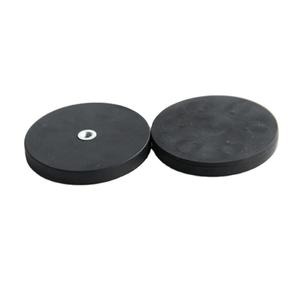
The coating process involves dipping or molding rubber around the magnet core. The rubber bonds tightly to the magnet surface, creating a seamless protective barrier. These products come in various shapes including discs, blocks, rings, and custom geometries. The coating can be black, white, or custom colors to match specific applications. They are popular for mounting applications, tool holders, craft projects, outdoor use, and any situation where protecting delicate surfaces matters.
Related: Key Benefits That Set These Protective Magnets Apart
Understanding the advantages helps you decide when these protected magnetic products are the right choice for your project. The rubber coating adds functionality beyond basic magnetic performance.
Surface protection is the most obvious benefit. Bare neodymium magnets have hard, smooth surfaces that scratch painted finishes, polished metal, and delicate materials. The rubber coating creates a soft buffer between the magnet and the mounting surface. This makes them ideal for use on vehicles, appliances, furniture, and other surfaces where scratches are unacceptable.
Enhanced grip comes from the rubber’s high coefficient of friction. Bare magnets slide easily on smooth surfaces, especially under shear loads. The rubber surface grips the mounting surface firmly, resisting sliding and rotation. This improved shear resistance makes rubber coated magnets excellent for vertical mounting applications where the load pushes sideways.
Impact resistance protects the brittle internal magnet. Neodymium magnets are sintered materials similar to ceramic. They crack or shatter under impact. The rubber layer absorbs shocks and cushions the magnet against drops and bumps. This durability extends service life, especially in active environments.
Corrosion protection extends the magnet’s lifespan. The rubber layer seals the magnet completely against moisture, preventing oxidation and rust. These products withstand humid bathrooms, outdoor weather, and marine environments that would quickly degrade bare neodymium.
Weather resistance suits outdoor applications. The rubber material resists UV degradation, temperature extremes, and moisture. Quality products maintain their appearance and performance through years of outdoor exposure.
Related: Common Applications for These Protective Magnetic Products
The versatility of these magnets makes them valuable across many settings. Understanding these applications helps you identify opportunities to use them effectively.
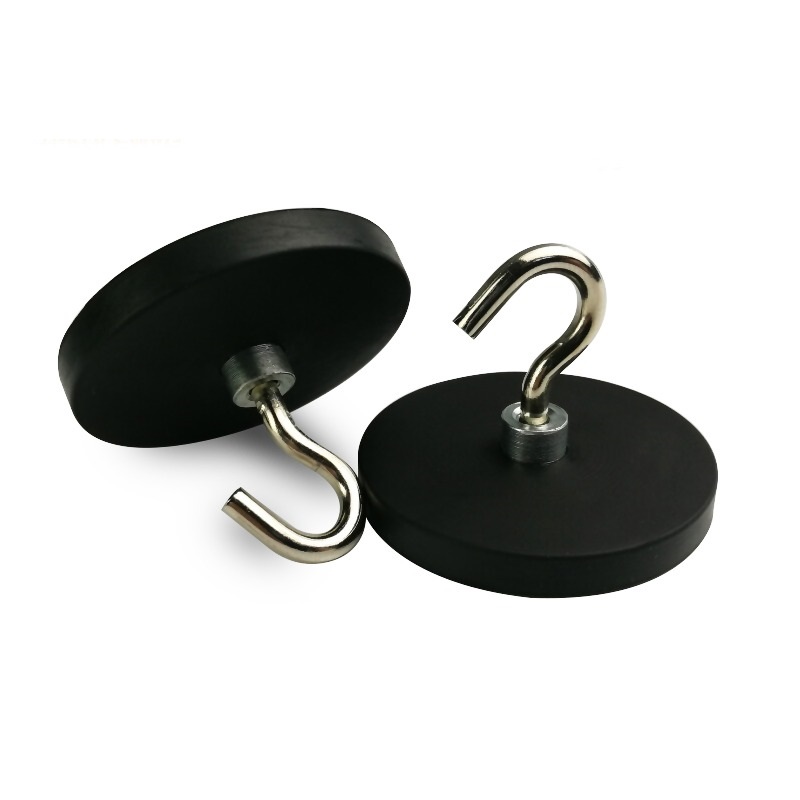
Automotive and vehicle applications benefit significantly from this design. Mechanics use them for tool holders that attach to vehicle bodies without scratching paint. Drivers mount phone holders and GPS units with confidence that the rubber protects their dashboard. RV and camping enthusiasts attach accessories to vehicle exteriors. The coating prevents scratches while providing secure holding through vibration and movement.
Home and kitchen organization uses these protected magnets for visible applications. Mount them on the refrigerator to hold notes, photos, and shopping lists without scratching the appliance surface. Use them inside cabinet doors for spice jars and utensil holders. The protective layer prevents damage to painted cabinet surfaces.
Bathroom and outdoor environments demand the moisture protection these products provide. Use them on shower doors, bathroom mirrors, and outdoor furniture. The sealed construction prevents internal rust that would degrade bare magnets. Rubber coated magnets maintain performance in humid conditions where other magnets fail prematurely.
Craft and DIY projects value the aesthetic and functional benefits. The colored coating adds visual appeal to handmade items. Create magnetic closures for bags, boxes, and albums without visible metal. Build custom magnetic displays with products that match your color scheme.
Educational and children’s products prioritize safety with these magnets. The soft coating prevents cuts from sharp magnet edges. Impact resistance protects against drops during classroom use. The rubber provides better grip for small hands.
Related: How to Select and Use These Magnets Properly
Proper selection and installation ensure maximum performance. Follow these guidelines for best results.
Choose the right size and strength for your application. The rubber coating adds slight thickness but does not significantly reduce magnetic strength. Select a pull force rating at least three times your actual load to account for coating thickness and surface conditions. Larger sizes provide more holding power and grip area.
Consider the mounting surface carefully. These magnets work best on smooth, clean surfaces. The rubber provides excellent friction on glass, metal, painted surfaces, and plastic. Rough or textured surfaces reduce contact area and weaken the grip.
Install magnets gently to avoid damage. Place rubber coated magnets carefully rather than letting them snap against the surface. The rubber protects against impact, but gentle handling extends the coating’s life. When removing, slide the magnet rather than pulling directly away.
Temperature considerations apply. Standard neodymium internals work up to 80 degrees Celsius. The rubber coating withstands normal environmental temperatures but may soften at extreme heat. For high-temperature applications, confirm the magnet grade and coating are rated appropriately.
Cleaning requires simple care. Wipe these magnets with a damp cloth to remove dust and debris. Avoid harsh solvents that could degrade the rubber. Allow them to dry completely before reattaching.
FAQ: Your Rubber Coated Magnets Questions Answered
1. Do rubber coated magnets scratch surfaces?
No, this is their primary advantage. The soft rubber coating creates a protective buffer between the magnet and the mounting surface. These products are specifically designed for use on painted surfaces, appliances, vehicles, and other delicate materials.
2. Are rubber coated magnets waterproof?
The rubber coating provides excellent moisture resistance. It seals the internal magnet against water penetration, preventing corrosion. They withstand humid bathrooms, outdoor rain, and even brief submersion. For marine applications, verify the specific product rating with the manufacturer.
3. Can rubber coated magnets be used outdoors year-round?
Quality products withstand outdoor conditions including UV exposure, temperature changes, and moisture. The rubber material resists degradation from sunlight and weather. However, the internal magnet may lose strength at extreme temperatures. Check the operating temperature range before using rubber coated magnets in very hot or very cold environments.
Conclusion
Rubber coated magnets combine powerful magnetic performance with practical protection for both the magnet and the surfaces it contacts. The rubber layer prevents scratches, resists corrosion, absorbs impacts, and provides enhanced grip. From automotive accessories to kitchen organization, these magnets offer a safe and durable solution for countless applications. Understanding the benefits and proper usage helps you select the right products for your specific needs. Whether mounting tools in a workshop or organizing a bathroom, the right rubber coated magnets deliver reliable, damage-free performance.
7 Smart Reasons to Buy Pot Magnets for Powerful Holding Solutions