Finding the right supplier for magnetic components can determine whether your product succeeds or fails. A professional magnet manufacturing company delivers consistent quality, accurate specifications, and valuable technical support. This guide will help you understand what to look for and how to find the ideal partner.
What is a Magnet Manufacturing Company
A magnet manufacturing company is an industrial enterprise that produces permanent magnets and magnetic assemblies from raw materials using advanced metallurgical processes. These companies transform rare earth elements, ferrite compounds, and metal alloys into powerful magnets through powder compaction, sintering, casting, or bonding techniques. They serve as essential suppliers to industries ranging from automotive and electronics to renewable energy and medical devices.
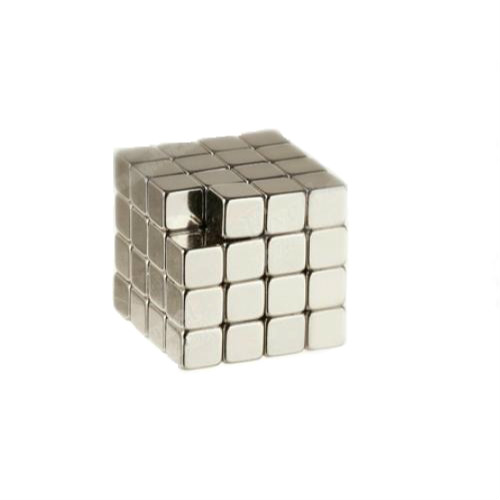
A full-service magnet manufacturing company handles the complete production cycle. This includes raw material preparation, powder mixing, pressing, sintering, machining, coating application, magnetization, and final quality inspection. Many also offer engineering support for magnetic circuit design and application optimization. The best companies invest heavily in research and development, continuously improving magnet performance while reducing reliance on critical raw materials like dysprosium.
Types and Applications from a Magnet Manufacturing Company
Understanding the different magnet types helps you communicate effectively with any magnet manufacturing company. Each material serves specific applications based on its unique properties.
Neodymium Magnets
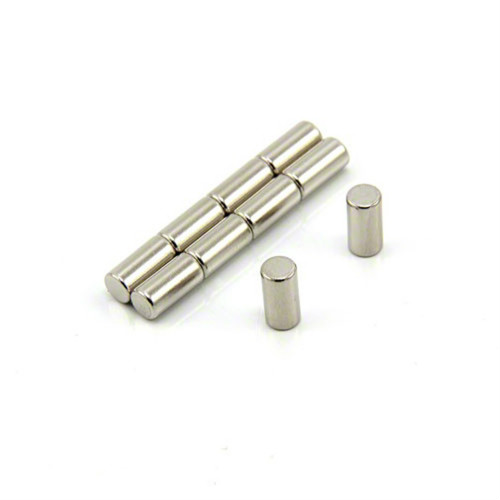
Neodymium-iron-boron magnets are the strongest permanent magnets available commercially. A magnet manufacturing company produces these in grades from N35 to N52, plus high-temperature variants with suffixes like H, SH, UH, and EH. These magnets power electric vehicle traction motors, wind turbine generators, smartphone speakers, hard disk drives, and magnetic resonance imaging machines. Their exceptional strength-to-size ratio makes them irreplaceable for miniaturized electronics and high-efficiency motors.
Ferrite Magnets
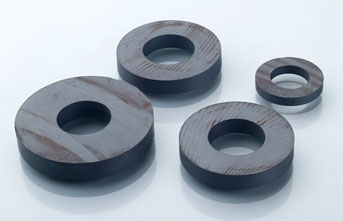
Ferrite or ceramic magnets offer good magnetic strength at the lowest cost. A magnet manufacturing company produces these in massive quantities for loudspeakers, refrigerator door seals, DC motors for home appliances, and educational products. They resist corrosion naturally without protective coatings. Operating temperatures reach 250 degrees Celsius without permanent strength loss. Their economy makes them ideal for cost-sensitive consumer applications where space and weight are not critical constraints.
Samarium Cobalt Magnets
Samarium cobalt magnets provide excellent temperature stability and natural corrosion resistance. A specialized magnet manufacturing company produces these for aerospace components, defense equipment, and high-temperature industrial sensors. They maintain magnetic properties above 300 degrees Celsius. Their higher price reflects expensive raw materials, but they deliver unmatched reliability in extreme environments where neodymium would fail.
Alnico Magnets
Alnico magnets combine aluminum, nickel, and cobalt with iron. A traditional magnet manufacturing company produces these through casting or powder metallurgy. They withstand temperatures up to 500 degrees Celsius. Alnico magnets excel in sensors, guitar pickups, and measuring instruments requiring stable magnetic fields over wide temperature ranges. Their lower coercivity limits certain applications, but their temperature stability remains unsurpassed.
Bonded Magnets
Bonded magnets mix magnetic powder with a polymer binder. A magnet manufacturing company injects or compresses this mixture into complex shapes. These magnets offer lower magnetic strength but greater design flexibility. They appear in sensor rings, small motors, and office equipment. The injection molding process allows intricate geometries impossible with sintered magnets.
Magnetic Assemblies
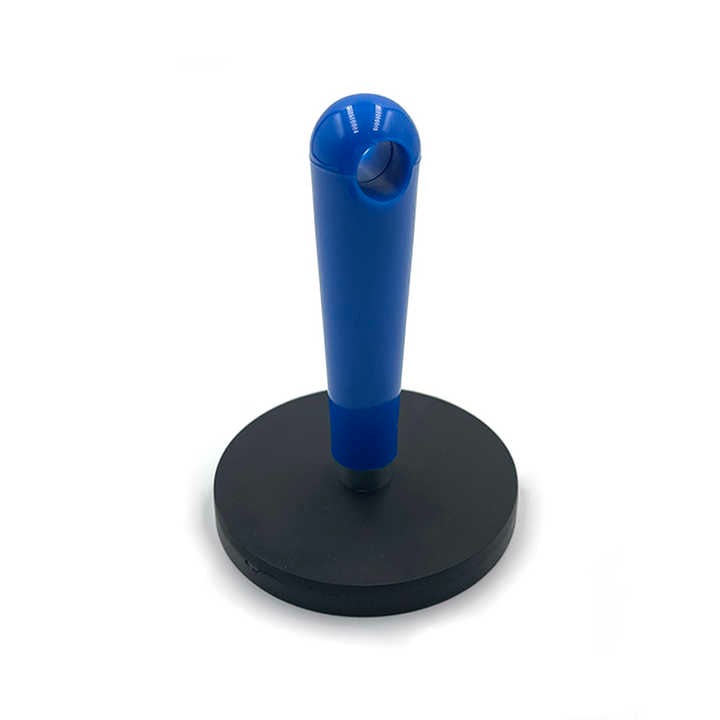
Beyond individual magnets, many companies produce complete magnetic assemblies. These include pot magnets with steel housings, magnetic hooks and fasteners, magnetic separators for industrial processing, and custom-engineered holding systems. A comprehensive magnet manufacturing company integrates magnets with metal components, plastics, and adhesives to create ready-to-use solutions.
How to Find a Reliable Magnet Manufacturing Company
Selecting the right partner requires systematic research and careful verification. Follow these steps to identify a magnet manufacturing company that delivers quality products consistently.
Step 1: Define Your Requirements Completely
Document every specification before contacting any supplier. Specify the magnet material, grade, dimensions, shape, coating, and magnetization direction. Note your required quantity and target budget. Include the operating environment conditions such as temperature, humidity, and chemical exposure. Complete documentation enables accurate quoting. A professional magnet manufacturing company appreciates well-prepared buyers.
Step 2: Research the Company’s Background
Investigate how long the company has operated in the magnet industry. Review their product range and industry focus. Some manufacturers specialize in automotive motor magnets. Others focus on consumer products or industrial applications. Check their website for technical resources, case studies, and certifications. A magnet manufacturing company with deep expertise in your industry understands specific requirements and potential challenges.
Step 3: Verify Production Capabilities
Ask detailed questions about manufacturing equipment. Does the company press and sinter magnets in-house? What is their press tonnage range? Do they have machining capabilities for custom shapes and tight tolerances? Can they apply specialized coatings like epoxy, parylene, or gold plating? Request photos or videos of the production floor. A genuine magnet manufacturing company operates its own complete production line.
Step 4: Evaluate Quality Systems and Certifications
Verify relevant certifications. ISO 9001 is the minimum baseline quality management standard. IATF 16949 certification demonstrates automotive-grade quality controls with stringent defect prevention. ISO 13485 covers medical device manufacturing requirements. RoHS and REACH compliance confirms the magnet manufacturing company meets international safety standards for hazardous substances.
Step 5: Request Material Certifications and Test Data
Insist on material traceability documentation. Each shipment should include certificates showing actual magnetic properties. For neodymium magnets, request remanence, coercivity, and maximum energy product values. Compare these against theoretical values for the specified grade. A quality-focused magnet manufacturing company provides comprehensive test data without hesitation.
Step 6: Order Samples and Conduct Independent Testing
Purchase sample quantities before placing production orders. Test the magnets in your actual application under real operating conditions. Measure pull force and field strength. Verify coating quality through visual inspection and corrosion testing. Send samples to an independent laboratory for material verification if the application is critical. Physical testing reveals the true capabilities of the magnet manufacturing company.
Step 7: Evaluate Communication and Technical Support
Send a technical inquiry and observe the response carefully. Does the supplier ask clarifying questions about your application? Do they suggest alternative materials or designs that could improve performance or reduce cost? The best magnet manufacturing company acts as an engineering partner rather than just an order taker. Prompt, professional, and technically accurate communication indicates strong management.
Step 8: Check References and Long-Term Reliability
Request references from clients with similar requirements. Contact those references and ask about quality consistency, on-time delivery, and problem resolution. Review case studies demonstrating success with comparable projects. A magnet manufacturing company with long-standing customer relationships demonstrates proven reliability and industry expertise.
Related: The Manufacturing Process at a Magnet Manufacturing Company
Understanding how magnets are made helps you appreciate the technical expertise required and evaluate potential suppliers more effectively.
The process begins with raw material preparation. For neodymium magnets, rare earth oxides undergo separation and purification to isolate individual elements. Alloy manufacturers combine neodymium, iron, and boron in precise proportions. The alloy is crushed into fine powder with controlled particle size distribution. This powder serves as the starting material for the magnet manufacturing company.
Pressing forms the powder into shape. The powder fills a die cavity and undergoes compaction under extreme pressure. For anisotropic magnets, the particles align in a magnetic field during pressing to maximize performance in a specific direction. The pressed compact, called a green part, holds its shape but remains fragile until sintered.
Sintering transforms the compact into a solid magnet. The parts heat to approximately 1100 degrees Celsius in a controlled atmosphere furnace. Atomic diffusion bonds the particles together. The magnets shrink significantly during sintering, and the tooling is designed oversized to compensate for this dimensional change.
Machining and finishing create the final dimensions. Sintered blocks may be sliced, ground, or machined to achieve precise tolerances. The chosen coating is applied through electroplating, spraying, or vapor deposition. Finally, the magnet manufacturing company exposes the parts to a powerful magnetizing field to set the permanent magnetic orientation. Quality inspection verifies every parameter before shipment.
FAQ: Your Magnet Manufacturing Company Questions Answered
1. How can I verify the grade authenticity from a magnet manufacturing company?
Request material test reports showing actual remanence, coercivity, and maximum energy product values. Compare these against MPIF or IEC standards for the specified grade. Independent laboratory testing using a hysteresisgraph provides definitive verification. Measure pull force and compare with theoretical calculations for the magnet dimensions. If the magnet price seems significantly lower than other quotes for the same grade, suspect mislabeling.
2. What is the typical lead time from a magnet manufacturing company?
Standard stock magnets ship within one to two weeks. Custom magnets without new tooling typically ship in three to five weeks. New tooling adds six to ten weeks for design and fabrication. Complex multi-pole magnetization patterns require additional processing time. Ocean freight requires 25 to 40 days depending on destination. Discuss your timeline with the magnet manufacturing company early in the process.
3. Can a magnet manufacturing company help with magnetic circuit design?
Many established manufacturers offer engineering support including finite element analysis and magnetic circuit design. They can recommend optimal material grades, geometries, and magnetization patterns for your application. This service adds significant value by helping you avoid design mistakes that would require costly tooling modifications. When evaluating potential suppliers, ask about their engineering capabilities and design support offerings.
Conclusion
Choosing the right magnet manufacturing company is a strategic decision that impacts product quality, reliability, and overall cost. By understanding different magnet types and their applications, you can communicate requirements clearly and evaluate supplier capabilities effectively. Systematic supplier evaluation protects against quality issues and ensures reliable delivery. Following safety and handling notices prevents injuries and equipment damage. Whether you need high-performance neodymium for electric motors or cost-effective ferrite for consumer goods, the right magnet manufacturing company becomes an invaluable extension of your engineering team.
7 Reasons to Choose High Temperature Neodymium Magnets for Great Applications