Finding the right supplier for your magnetic components can feel overwhelming. A great magnet manufacturer delivers consistent quality and expert guidance. This article helps you identify the best partner for your project needs.
What is a Good Magnet Manufacturer
A good manufacturer is a company that consistently produces high-quality permanent magnets and magnetic assemblies that meet precise specifications. They do more than just sell magnets. They offer engineering support, material certifications, and reliable delivery performance.
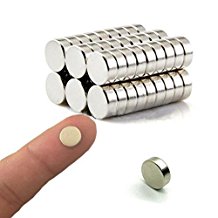
A quality-focused manufacturer invests in advanced production equipment and rigorous testing procedures. They understand magnetic materials deeply, from standard ferrite to high-performance neodymium and samarium cobalt. They guide customers toward the right grade, coating, and magnetization direction for each specific application. A good manufacturer also prioritizes safety, providing clear handling instructions and appropriate packaging to prevent damage during shipping. They stand behind their products with warranties and responsive customer service.
How to Choose the Right Magnet Manufacturer
Selecting a magnet supplier is a long-term decision. Tooling costs and quality validation take time. Follow these steps to find a partner who meets your technical and business needs.
Step 1: Define Your Magnet Requirements Clearly
Before contacting any supplier, document exactly what you need. Specify the magnet material, grade, shape, dimensions, coating, and magnetization direction. Note the required pull force or magnetic field strength. Identify the operating temperature range and environmental conditions the magnet will face. A clear specification package helps the magnet manufacturer quote accurately and shows that you are a serious, knowledgeable buyer.
Step 2: Verify Material Sourcing and Authenticity
Ask potential suppliers where they source their raw materials. Rare earth magnets depend on a complex global supply chain. A trustworthy magnet manufacturer provides full material traceability and certificates of conformance. Be wary of prices that seem too good to be true. Counterfeit or mislabeled magnets flood the market, especially from unverified online sellers. A genuine N52 grade magnet costs more than an N35 grade, and some dishonest suppliers mislabel lower grades. Request material test reports showing actual magnetic properties.
Step 3: Evaluate Their Production Capabilities
Review the manufacturer’s equipment and capacity. Do they produce magnets in-house or simply resell products from other factories? A true magnet supplier operates pressing, sintering, and magnetizing equipment. Ask about their press tonnage range for sintered magnets. Inquire about their machining capabilities for producing custom shapes and tight tolerances. Check whether they can apply specialized coatings like epoxy, parylene, or gold plating. In-house production capability means better quality control and faster response to issues.
Step 4: Assess Quality Control and Testing Procedures
Quality testing separates professional magnet suppliers from commodity sellers. Ask about their testing equipment and procedures. Do they have a Helmholtz coil and fluxmeter for measuring magnetic moment? Do they use a hysteresisgraph to characterize full magnetic properties? Can they perform salt spray testing to verify coating durability? Request a sample quality certificate and a First Article Inspection Report. A responsible magnet manufacturer documents every parameter and provides complete traceability.
Step 5: Check Industry Certifications and Compliance
Verify relevant certifications. ISO 9001 is the baseline quality management standard. For automotive applications, look for IATF 16949 certification. For medical devices, ISO 13485 applies. RoHS and REACH compliance confirm the magnet supplier meets environmental and safety regulations for hazardous substances. These certifications demonstrate a commitment to documented, repeatable quality processes rather than relying on tribal knowledge.
Step 6: Request Samples and Test Thoroughly
Never commit to a bulk order without testing physical samples. Order prototype magnets and test them in your actual application. Measure the pull force, field strength, and temperature performance. Check the coating quality and corrosion resistance. For magnets that will experience vibration or impact, test their mechanical durability. This real-world validation reveals issues that specification sheets alone cannot predict. A confident magnet manufacturer welcomes sample testing and supports you through the evaluation process.
Step 7: Evaluate Communication and Engineering Support
Send a technical inquiry and observe the response carefully. Does the supplier ask clarifying questions about your application? Do they suggest alternative materials or designs that could improve performance or reduce cost? A capable magnet manufacturer acts as an engineering partner rather than just an order taker. They should explain the trade-offs between different grades and coatings clearly. Their communication should be prompt, professional, and technically accurate.
Related: Understanding Magnet Materials and Grades
A reliable manufacturer works with several distinct material families. Each offers different balances of strength, temperature resistance, and cost.
Neodymium-iron-boron magnets are the strongest commercially available permanent magnets. Their maximum energy product reaches 52 MGOe for N52 grade. They suit applications requiring maximum power in minimum space, such as motors, sensors, and compact holding devices. However, standard neodymium loses strength above 80 degrees Celsius. High-temperature grades with dysprosium additions extend the working range to 200 degrees Celsius. A knowledgeable magnet manufacturer recommends the appropriate grade suffix based on your operating temperature.
Samarium cobalt magnets offer superior temperature stability and corrosion resistance. They maintain magnetic properties above 300 degrees Celsius, making them essential for aerospace, defense, and high-temperature industrial applications. Samarium cobalt costs more than neodymium but provides unmatched performance in extreme environments. A specialized magnet manufacturer can advise whether the performance advantage justifies the cost premium for your specific case.
Ferrite magnets, also called ceramic magnets, provide good magnetic strength at the lowest cost. They resist corrosion naturally and handle temperatures up to 250 degrees Celsius. Their lower strength makes them suitable for applications where size and weight are less critical, such as loudspeakers, refrigerator seals, and craft magnets. Most magnet manufacturers offer ferrite options alongside rare earth grades.
Alnico magnets, made from aluminum, nickel, and cobalt, offer excellent temperature stability up to 500 degrees Celsius. They resist demagnetization well but have lower coercivity than rare earth magnets. Alnico serves specialized applications in sensors, guitar pickups, and high-temperature holding. A magnet manufacturer with broad material expertise can help you select between these options based on your priority between strength, temperature, and cost.
Related: Common Magnet Coatings and Surface Treatments
The coating protects the magnet from corrosion and mechanical damage. A skilled magnet manufacturer offers multiple coating options to match different operating environments.
Nickel-copper-nickel plating is the most common coating for neodymium magnets. This triple-layer system provides a shiny silver appearance and adequate protection for indoor use. The copper underlayer blocks moisture penetration while the nickel outer layers provide hardness and cosmetic appeal. Most general-purpose magnets from any magnet manufacturer feature this standard coating.
Epoxy coating provides superior moisture resistance for outdoor and marine applications. The thick polymer layer seals the magnet completely against water and salt spray. Epoxy coatings come in black or gray and withstand harsh environmental exposure. A magnet manufacturer serving the marine, automotive, or outdoor equipment industries typically maintains epoxy coating capabilities in-house.
Parylene coating offers an ultra-thin, pinhole-free polymer layer applied through vapor deposition. This coating is biocompatible and suitable for medical implants and surgical instruments. It provides excellent barrier properties in a layer only a few microns thick. A magnet manufacturer supplying the medical device industry invests in parylene coating technology and cleanroom processing.
Gold plating provides both corrosion resistance and electrical conductivity for electronic applications. The gold layer prevents oxidation while allowing reliable electrical contact. These magnets appear in connectors, sensors, and high-reliability electronic devices. A magnet manufacturer serving the electronics sector maintains gold plating capabilities and can plate to specified thicknesses.
Zinc plating offers a cost-effective coating for indoor applications where appearance is less critical. The thin zinc layer provides basic corrosion protection at minimal cost. Some magnet manufacturers offer zinc as an economical alternative to nickel for price-sensitive consumer products.
FAQ: Your Magnet Manufacturer Questions Answered
1. How can I tell if a magnet manufacturer is selling genuine N52 grade magnets?
Request a material test report showing actual BHmax, remanence, and coercivity values. Genuine N52 neodymium has a remanence of approximately 1.43 to 1.48 Tesla and a maximum energy product of 50 to 52 MGOe. Compare the physical size and pull force against the theoretical values for the grade. If the price seems unusually low compared to other magnet manufacturer quotes, suspect mislabeling. Independent testing with a hysteresisgraph provides definitive verification.
2. What is the typical lead time for custom magnets?
Standard custom magnets without new tooling typically ship in 3 to 5 weeks. If a new pressing die must be designed and fabricated, add 6 to 10 weeks for tooling. Complex shapes with multiple magnetization patterns require additional processing time. Rush orders are sometimes possible at a premium. A reliable magnet manufacturer communicates lead times clearly and updates you if any delays occur during production.
3. Can a magnet manufacturer produce magnets in odd shapes and sizes?
Yes, custom geometries are a standard service from most magnet manufacturers. However, not all shapes are equally feasible. The powder compaction process works best for simple geometries that can be ejected from a rigid die. Arc segments for motors, rings with specific pole patterns, and stepped cylinders are common custom shapes. Very complex shapes may require grinding from larger blocks, increasing cost. Discuss your geometry early with the magnet manufacturer to understand the most cost-effective production approach.
Conclusion
Partnering with the right magnet manufacturer transforms your project from concept to reliable product. A good supplier offers more than just magnets. They provide material expertise, engineering guidance, and consistent quality assurance. By following a structured selection process and evaluating material options and coating technologies, you find a partner who meets your technical and business requirements. Whether you need high-temperature samarium cobalt for aerospace or cost-effective ferrite for consumer goods, the right magnet manufacturer becomes an essential part of your supply chain success.
Understanding Great Neodymium Magnets Price: A 2026 Guide for Buyers