Small spherical magnets open up a world of creative possibilities. Ball magnets pack impressive magnetic power into a perfectly round shape. They work differently from flat magnets in exciting ways. This guide explores everything you need to know about these tiny magnetic spheres.
What is Ball Magnets
Ball magnets are permanent magnets shaped as perfect spheres rather than flat discs or blocks. The spherical shape creates unique magnetic field patterns that behave differently from traditional magnets. They roll freely and align themselves automatically with magnetic fields around them. Most ball magnets are made from neodymium, the strongest commercially available magnetic material.
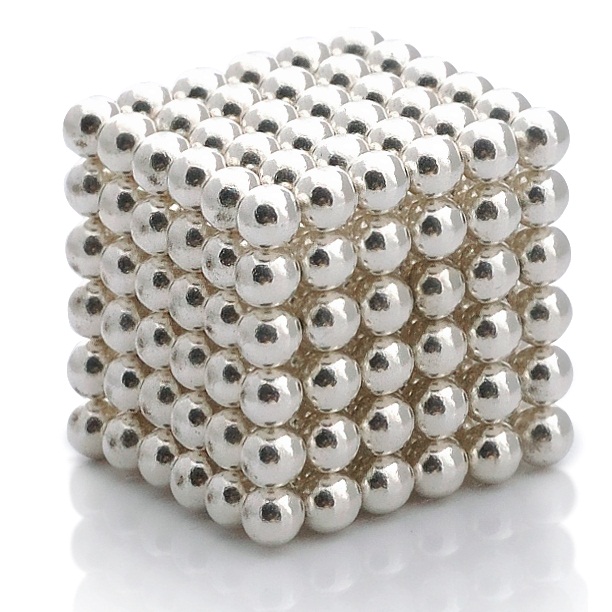
The spherical geometry gives ball magnets special properties. The north and south poles sit on opposite sides of the sphere. When two ball magnets come near each other, they rotate instantly to align their poles. This self-aligning behavior makes them fascinating for educational demonstrations and creative projects. Magnets come in various diameters, from tiny 3-millimeter spheres to larger 25-millimeter versions. Their strength depends on the diameter and the neodymium grade used during manufacturing.
3 Specifications of Ball Magnets
Understanding these three specifications ensures you choose the right magnets for your specific application. Each parameter affects how the spheres perform.
1. Diameter and Pull Force
The diameter determines the overall magnetic strength. Larger magnets contain more magnetic material and produce stronger fields. A 5-millimeter sphere might hold a few sheets of paper. A 20-millimeter ball magnet can hold several kilograms. The pull force rating on product specifications assumes ideal conditions with direct contact against a thick steel plate. Any air gap reduces the holding force dramatically. Always choose magnets with a pull force rating at least three times your required load.
2. Material Grade
The neodymium grade directly affects magnetic performance. Grades range from N35 to N52, with higher numbers indicating stronger magnets. N52 magnets produce the strongest magnetic fields available. However, higher grades cost more and are more brittle. N42 grade magnets offer a good balance of strength, durability, and price for most applications. The grade also affects the maximum operating temperature before magnetic loss occurs.
3. Coating and Surface Protection
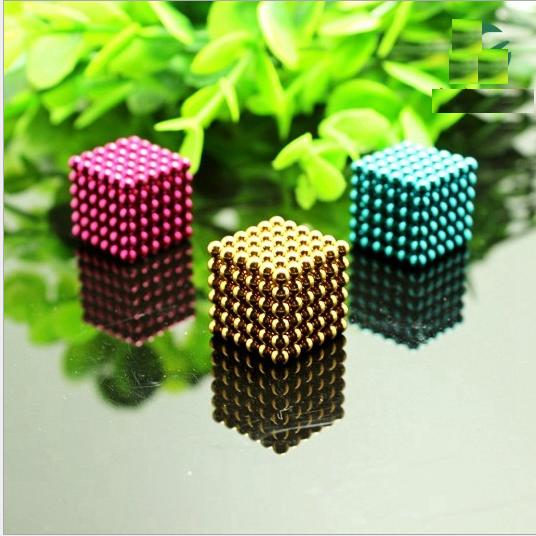
Bare neodymium oxidizes rapidly when exposed to air and moisture. Magnets require protective coatings to prevent rust and degradation. Nickel-copper-nickel plating is the standard finish, providing a shiny silver appearance and good indoor protection. Chrome plating offers a brighter, more polished look for decorative applications. Colored epoxy coatings protect the magnet while adding visual appeal. For magnets used in educational settings or children’s toys, the coating must be durable enough to withstand frequent handling without chipping.
How to Find Supplier for Ball Magnets
Finding a reliable supplier ensures you receive quality magnets that match their specifications. Follow these steps to identify a trustworthy vendor.
Step 1: Clarify Your Exact Requirements
Document your needs completely before contacting suppliers. Specify the exact diameter, grade, coating, and quantity required. Note any special requirements like color, packaging, or certification needs. Determine whether you need magnetized or unmagnetized spheres. Some assembly processes require magnets to be magnetized after installation. A clear specification package helps suppliers quote accurately.
Step 2: Research Supplier Specializations
Different suppliers focus on different market segments. Some specialize in small quantities for hobbyists and educators. Others handle large industrial orders for manufacturing. Look for suppliers who list magnets as a core product category rather than a minor side offering. Read customer reviews and testimonials carefully. A supplier with extensive experience producing spherical magnets understands the unique challenges of magnetizing a sphere uniformly.
Step 3: Request Material Certifications and Samples
Ask for certificates of conformance and material test reports. Genuine N52 magnets have specific remanence and coercivity values that can be verified. Request physical samples before placing a bulk order. Test the samples for pull force, coating quality, and dimensional accuracy. Roll the magnets on a flat surface to check for perfect sphericity. Inconsistent spheres indicate poor manufacturing quality.
Step 4: Evaluate Safety and Packaging Standards
Safety is critical with small spherical magnets. Magnets pose a serious swallowing hazard for children. Ask suppliers about their safety labeling and warning practices. Responsible suppliers package magnets in child-resistant containers with clear hazard warnings. Check whether the supplier complies with international safety standards for magnetic products. This is especially important for magnets used in educational or consumer applications.
Step 5: Compare Total Cost Including Shipping
Request quotes based on your estimated annual usage. Magnetic products are heavy relative to their size. Shipping costs can significantly impact the total landed cost. Compare pricing from multiple suppliers including both domestic and international options. The cheapest per-unit price may not offer the best value if quality or delivery reliability suffers. Choose a supplier with fair pricing and consistent quality.
Related: The Unique Physics of Spherical Magnets
The spherical shape creates magnetic field patterns that differ fundamentally from conventional flat magnets. Understanding this physics explains why ball magnets behave so differently.
The magnetic field of a sphere flows from the north pole, arcs through the space around the sphere, and returns to the south pole. Because the surface is curved in all directions, the field lines emerge and enter the sphere at specific points on opposite sides. The field strength is strongest at the poles and weakest around the equator of the sphere. This creates a dipole field pattern that interacts with other magnetic objects in three dimensions.
When multiple magnets come together, they arrange themselves into fascinating geometric patterns. Two spheres align pole-to-pole in a straight line. Three form a triangle. Larger numbers self-assemble into complex chains, rings, and three-dimensional structures. This self-organization happens because each sphere seeks the lowest energy configuration within the combined magnetic field. The perfect symmetry of ball magnets makes them ideal for studying magnetic interactions and self-assembly phenomena.
Unlike flat magnets that resist sliding in specific directions, magnets roll freely while maintaining magnetic alignment. This rolling capability combined with magnetic attraction creates unique dynamic behaviors. A ball magnet on a table will roll toward a steel object while rotating to keep its magnetic poles optimally aligned. This dual motion of translation and rotation makes magnets valuable for dynamic magnetic couplings and self-aligning bearing applications.
FAQ: Your Ball Magnets Questions Answered
1. Why do ball magnets feel stronger when they are stacked together?
Stacking ball magnets creates a longer magnetic circuit. When two spheres align north-to-south, their magnetic fields combine constructively. The total field extends further into space and produces a stronger pull at the ends of the chain. However, the pull force does not simply double with each added sphere. Each additional magnet contributes incrementally less to the overall field strength. A chain of five spheres is not five times stronger than a single sphere.
2. Can ball magnets be used in high-temperature environments?
Standard neodymium magnets begin losing strength above 80 degrees Celsius. For higher temperature applications, several options exist. High-temperature neodymium grades with suffixes like H, SH, or EH extend the working range up to 200 degrees Celsius. Samarium cobalt ball magnets operate reliably above 300 degrees Celsius but offer lower magnetic strength. Ferrite magnets handle temperatures up to 250 degrees Celsius at the lowest cost but with much weaker magnetic fields.
3. How should I store ball magnets safely?
Store magnets in a sturdy container with dividers or individual compartments. This prevents them from snapping together forcefully, which can cause chipping or cracking. Keep them away from electronic devices, credit cards, and medical equipment. The strong magnetic fields can erase magnetic strips and interfere with sensitive electronics. Always store magnets out of reach of children and pets. If multiple spheres are swallowed, they can attract each other through intestinal walls and cause life-threatening injuries.
Conclusion
Ball magnets combine playful spherical geometry with serious magnetic power. Their unique ability to roll, self-align, and assemble into complex structures makes them invaluable for education, creative projects, and specialized engineering applications. By understanding the key specifications of diameter, material grade, and coating, you can select the perfect ball magnets for your needs. Finding a quality supplier through systematic evaluation ensures you receive products that perform reliably. Whether you are demonstrating magnetic principles in a classroom or designing an innovative mechanical coupling, ball magnets open possibilities that flat magnets simply cannot match.