A magnetic sheet can transform blank walls into storage areas. It makes awkward spaces functional without expensive hardware. No permanent modifications are needed. This flexible, damage-free solution creates an instant organizational hub. This guide will explore everything you need to know about these versatile materials.
What is a Magnetic Sheet
A magnetic sheet is a flat, flexible panel made from a composite of ferrite powder and a rubber or plastic binder. The ferrite particles, typically strontium or barium ferrite, are mixed with the flexible polymer and extruded or calendered into thin, uniform sheets. The finished product is then magnetized, usually with multiple magnetic poles on one face, creating a sheet that can attract ferromagnetic objects or stick to steel surfaces.
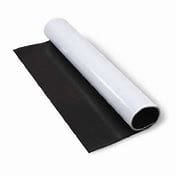
Unlike rigid neodymium or ceramic magnets, a magnetic sheet is flexible, lightweight, and easily cut with scissors or a utility knife. The magnetic strength is lower than solid rare earth magnets, but the large surface area provides sufficient holding power for lightweight applications. These sheets come in various thicknesses, typically ranging from 0.3 to 1.5 millimeters. One side is usually magnetized while the other side may have an adhesive backing, a printable surface, or a decorative laminate. A magnetic sheet can be plain white for printing, colored for craft projects, or coated for outdoor durability.
How to Find a Reliable Magnetic Sheet Supplier
Choosing the right supplier ensures consistent quality, competitive pricing, and reliable delivery. Follow these steps to identify a partner who meets your specific needs.
Step 1: Define Your Material Specifications
Before contacting suppliers, determine exactly what you need. Specify the sheet thickness, magnetic strength requirement, and surface finish. Do you need an adhesive backing on one side? Should the front face be printable, writable, or laminated with a decorative finish? Will the sheet be used indoors or outdoors? Outdoor applications require UV-stabilized material that resists fading and cracking. A clear specification package helps suppliers quote accurately and demonstrates your professionalism as a buyer.
Step 2: Research Supplier Types and Specializations
Magnetic sheet manufacturers, converters, and distributors offer different advantages. Manufacturers produce the raw magnetic material and offer the best pricing for large volumes. Converters purchase master rolls and cut, laminate, or print to customer specifications, offering flexibility for medium orders. Distributors stock finished products for quick delivery of smaller quantities. Identify which type best suits your volume and customization needs before beginning outreach.
Step 3: Request Material Samples and Specifications
Always obtain physical samples before placing a bulk order. Evaluate the surface smoothness, flexibility, and edge quality. Test the magnetic holding force on the actual objects you plan to attach. Request technical data sheets showing the magnetic properties, material composition, and physical dimensions. For a magnetic sheet intended for printing, test it with your actual printer to confirm ink adhesion and image quality. Samples reveal quality differences that specification sheets cannot fully communicate.
Step 4: Verify Quality Certifications and Testing
Ask about quality management systems. ISO 9001 certification indicates a supplier with documented quality processes. For a magnetic sheet used in consumer products, ask about RoHS and REACH compliance to ensure the material meets safety standards for heavy metals and hazardous substances. Inquire about their internal testing procedures for magnetic strength consistency and dimensional tolerances. A supplier that invests in quality testing produces more reliable products.
Step 5: Evaluate Customization and Converting Services
Determine what value-added services you need. Does the supplier offer precision cutting to your exact dimensions? Can they apply adhesive backing with a protective liner? Do they offer digital or screen printing services for branding or instructional graphics? A full-service supplier who handles both manufacturing and converting simplifies your supply chain. Ask about their capabilities for laminating, die-cutting, and packaging the finished magnetic sheet products.
Step 6: Compare Pricing and Minimum Order Quantities
Request quotes based on your estimated annual usage, not just the initial order. Many suppliers offer tiered pricing that rewards larger volumes. However, verify minimum order quantities align with your needs. A supplier with a 10,000-sheet minimum may not suit a startup or small business. Balance the per-unit price against inventory carrying costs and storage space. The cheapest magnetic sheet per piece is not a good deal if you must store thousands of unused sheets.
Step 7: Assess Logistics and Delivery Reliability
Discuss shipping options, lead times, and packaging. A magnetic sheet is heavy relative to its size, and shipping costs can significantly impact total landed cost. Ask about the supplier’s on-time delivery performance and how they handle shipping damage claims. A domestic supplier may offer higher per-unit pricing but lower logistics costs and faster delivery compared to overseas manufacturers. Calculate the total cost of ownership, not just the purchase price.
Related: Different Types of Magnetic Sheet Materials
Not all magnetic sheets are created equal. Understanding the material variations helps you select the right product for your specific application and environment.
Isotropic magnetic sheets have random magnetic particle orientation. They are magnetized with multiple poles after manufacturing and exhibit lower magnetic strength but uniform properties in all directions. These sheets work well for general-purpose craft projects, lightweight signage, and temporary displays where maximum holding power is not critical. Isotropic sheets are typically more affordable and widely available.
Anisotropic magnetic sheets have particles aligned in a specific direction during manufacturing. This alignment allows for stronger magnetization along the preferred axis, resulting in higher holding force per unit area. Anisotropic sheets suit applications where stronger grip is needed in a thin profile, such as holding signage on vehicles or securing lightweight tools to metal surfaces. The directional nature means they must be magnetized correctly for optimal performance.
Printable magnetic sheets feature a special surface coating that accepts inkjet or laser printer inks. The coating prevents smearing and provides good color reproduction for photo-quality images. These sheets are popular for custom photo magnets, business cards, and promotional items. The printable surface must be compatible with the specific printer type, as inkjet and laser coatings differ chemically.
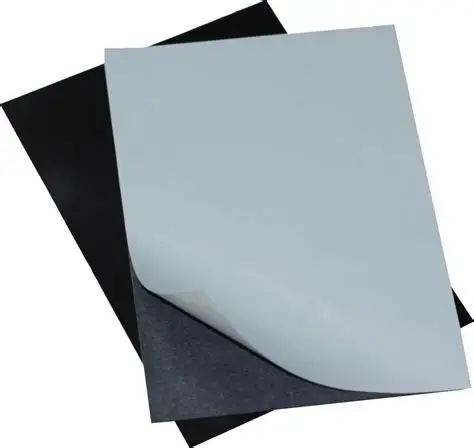
Adhesive-backed magnetic sheets have a pressure-sensitive adhesive on the non-magnetic side with a protective release liner. This allows the magnetic sheet to be permanently attached to non-magnetic objects, turning them into magnetic items. Common applications include creating custom refrigerator magnets from photos, attaching signs to vehicles, and mounting lightweight tools or organizers. The adhesive quality varies significantly between products, with industrial-grade adhesives offering permanent bonding.
Outdoor-grade magnetic sheets incorporate UV stabilizers and weather-resistant binders. Standard magnetic material can fade, crack, and lose flexibility when exposed to sunlight and temperature extremes. Outdoor-grade products withstand years of exterior use, making them suitable for vehicle signage, outdoor displays, and marine applications. The additional durability comes at a moderate price premium over indoor-grade material.
Related: Creative and Industrial Applications of Magnetic Sheets
The versatility of this material extends far beyond simple refrigerator magnets. Understanding the range of applications helps you imagine new possibilities for your own projects and products.
In education and office environments, teachers and trainers use a magnetic sheet cut into shapes, letters, and numbers for interactive learning boards. Whiteboard-compatible versions allow dry-erase markers while providing magnetic functionality. Office managers create custom organizational charts, project tracking boards, and visual management systems that can be updated instantly without tape or pins.
Retail and point-of-sale displays benefit significantly from these materials. Retailers create magnetic signage that adheres to steel shelving, gondola racks, and checkout counters. Seasonal promotions change quickly without adhesive residue. Price tags and product information cards printed on a magnetic sheet stay firmly in place even in high-traffic areas. The professional appearance enhances brand perception.
The automotive and transportation sector uses a magnetic sheet for temporary vehicle signage. Car door magnets display business logos and contact information for mobile services like real estate agents, delivery drivers, and contractors. The removable nature allows personal vehicles to serve dual purposes. Reflective magnetic sheets add visibility for emergency vehicles and roadside assistance providers.
Manufacturing and industrial facilities apply magnetic sheets for visual management and safety communication. Machine status indicators, safety warnings, and maintenance schedules printed on a magnetic sheet attach directly to equipment without drilling or adhesives. They withstand vibration and can be repositioned as workflows change. Lean manufacturing boards use color-coded magnetic labels for production tracking.
Craft and hobby applications are nearly unlimited. Scrapbookers use thin magnetic sheets to create closures for albums and memory boxes. DIY enthusiasts make magnetic photo displays, spice jar labels, and tool organizers. Cosplayers use flexible magnetic material for removable costume components. The ease of cutting with household scissors makes this material accessible to creators of all skill levels.
Home organization solutions using a magnetic sheet continue gaining popularity. Kitchen organizers create magnetic spice racks, knife holders, and recipe card displays. Bathroom vanity organizers attach magnetic strips inside cabinet doors for tweezers, nail clippers, and bobby pins. Garage workshops benefit from magnetic tool strips and parts trays that keep small components visible and accessible.
FAQ: Your Magnetic Sheet Questions Answered
1. How strong is a magnetic sheet compared to regular magnets?
A magnetic sheet provides significantly less holding force per square inch than solid neodymium or ceramic magnets of the same area. The flexible binder dilutes the magnetic particle concentration. However, the large surface area of a sheet compensates for the lower intensity. A letter-sized magnetic sheet can securely hold several sheets of paper on a refrigerator. For applications requiring strong holding force, such as hanging heavy tools, use solid magnets or specify a thicker, anisotropic magnetic sheet.
2. Can I print directly on a magnetic sheet with my home printer?
Yes, but only on specially coated printable sheets. Inkjet-printable sheets have a microporous coating that absorbs liquid ink. Laser-printable sheets have a heat-resistant coating that bonds toner powder. Using the wrong type for your printer causes smearing or poor adhesion. Always check the product label for printer compatibility. Insert the sheet one at a time through the manual feed tray, and allow printed sheets to dry completely before handling or stacking.
3. Will a magnetic sheet work on stainless steel appliances?
It depends on the stainless steel alloy. Ferritic stainless steel, common in older appliances, is magnetic and will hold a magnetic sheet well. However, most modern refrigerators and dishwashers use austenitic stainless steel, which has high nickel content and is non-magnetic. Test your appliance with a regular refrigerator magnet before purchasing. If the magnet does not stick, a magnetic sheet will not adhere. For non-magnetic surfaces, consider using an adhesive-backed steel receptor plate to create a magnetic-attractive area.
Conclusion
A magnetic sheet represents one of the most adaptable and accessible magnetic products available today. From classroom learning tools to professional retail signage, from temporary vehicle graphics to home organization projects, the applications span virtually every aspect of daily life. By understanding the different material types and surface finishes available, you can select the perfect product for your specific needs. Finding a reliable supplier through systematic evaluation ensures consistent quality and value. Whether you are an educator, business owner, crafter, or homeowner, a magnetic sheet opens creative possibilities limited only by your imagination.