Introduction
If you need magnets that are tough, protective, and powerfully strong, rubber coated neodymium magnets are exactly what you’re looking for. Widely used across industries from marine to construction, they combine rare-earth magnetic strength with a durable rubber shell — making them one of the most practical magnet solutions available today.
What Are Rubber Coated Neodymium Magnets?
Rubber coated neodymium magnets are permanent rare-earth magnets made from a neodymium-iron-boron (NdFeB) core that is encased in a protective rubber or plastic shell. The rubber coating — typically made from natural rubber, neoprene, or thermoplastic elastomer (TPE) — is vulcanized or molded directly around the magnet body to form a seamless, durable jacket.
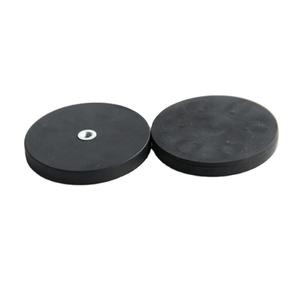
The neodymium core provides exceptional magnetic strength: far superior to ferrite or alnico magnets of the same physical size. The rubber shell then adds a layer of protection that extends the magnet’s working life, prevents surface damage to the object being attached, and improves grip on both flat and curved surfaces.
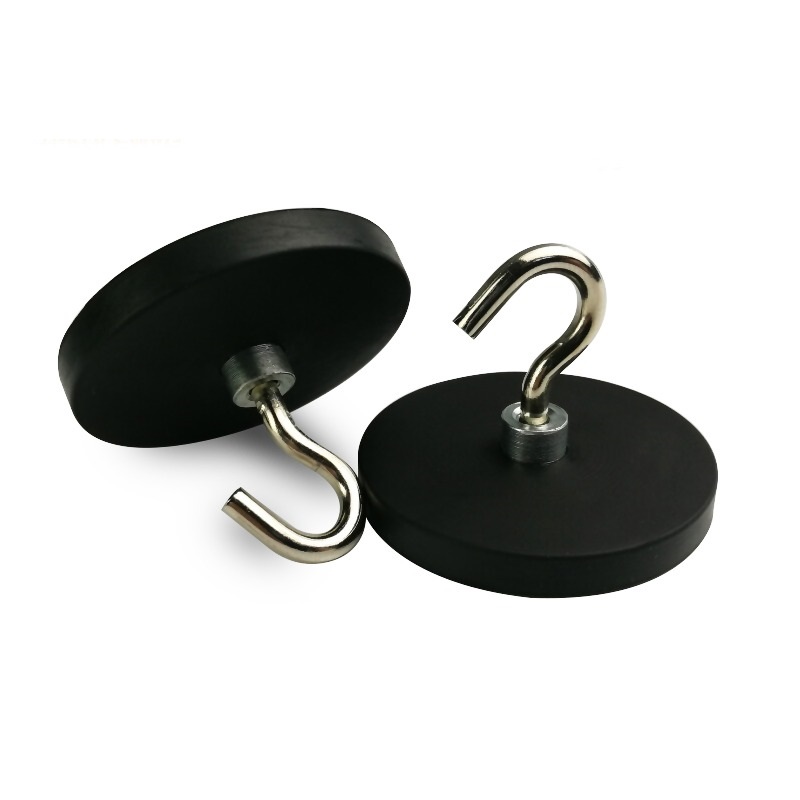
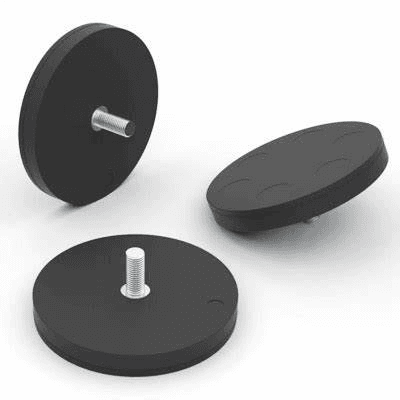
These magnets are most commonly produced in pot magnet or cup magnet configurations, where the magnet sits inside a steel cup and the entire assembly is then rubber-coated. The steel cup concentrates and focuses the magnetic flux downward, significantly increasing the pull force compared to a bare magnet of the same grade. Common shapes include disc, block, and hook-mount styles.
The rubber exterior gives these magnets a soft, non-slip surface finish that prevents scratching on sensitive materials like painted steel, glass, stainless steel surfaces, and polished finishes. This makes them especially useful in workshops, marine environments, outdoor installations, and anywhere that surface protection is a priority.
3 Key Specifications of Rubber Coated Neodymium Magnets
Understanding the technical specifications helps you select the right magnet for your application. Here are the three most important parameters:
1. Pull Force (Holding Strength)
Pull force is measured in kilograms (kg) or pounds (lbs) and represents the maximum weight a magnet can hold against a flat steel surface. These magnets are available in a wide pull force range — from lightweight 5 kg models suitable for hooks and display fixtures, all the way up to heavy-duty 200+ kg versions used in lifting, towing, and industrial clamping applications.
Because the rubber coating slightly reduces the direct contact between the magnetic face and the steel surface, the rated pull force of a rubber-coated magnet is typically 10–15% lower than an equivalent bare pot magnet. Always account for this when calculating load requirements and apply a safety factor of at least 3:1 for lifting applications.
2. Temperature Rating
Standard models operate reliably at temperatures between -40°C and +80°C (-40°F to +176°F). The neodymium core begins to demagnetize at temperatures above 80°C, and the rubber coating itself can crack or harden beyond its rated range.
For high-temperature environments, specialty high-temperature NdFeB grades (SH, UH, EH) are available with ratings up to 200°C. Always confirm the operating temperature range with the supplier before selecting a magnet for outdoor, engine-bay, or industrial furnace-adjacent applications.
3. Coating Material and Thickness
The rubber coating is not just decorative — it is a functional engineering element. Standard coatings are 1–3mm thick and made from neoprene or natural rubber. Thicker coatings provide better impact resistance but reduce pull force slightly. Neoprene coatings offer superior resistance to oils, fuels, UV radiation, and saltwater, making them ideal for marine and outdoor use. TPE-coated versions offer better flexibility at low temperatures and are preferred in cold-climate applications.
Color coding is also common: red, blue, yellow, and black rubber coatings help identify magnet polarity or differentiate between product lines on a worksite.
Applications of Rubber Coated Neodymium Magnets
The combination of strength, protection, and grip makes these magnets suitable for an impressive range of real-world uses:
Workshops and Tool Organization Rubber coated neodymium magnets are widely used as tool holders, parts trays, and magnetic hooks in workshops and garages. The rubber surface prevents scratching expensive tools, and the strong grip keeps everything securely in place even on vibrating machinery surfaces.
Marine and Outdoor Use Few magnets can withstand saltwater, UV exposure, and humidity as well as neoprene-coated neodymium versions. They are used on boats for securing hatches, mounting instruments, and attaching safety equipment — with the rubber coating protecting both the magnet and any steel surface it contacts.
Construction and Engineering In the construction industry, these magnets serve as temporary clamps, formwork holders, and positioning aids. Magnetic hooks with rubber coating allow workers to hang tools and equipment from steel beams without damaging the beam’s protective coating.
Retail and Display Point-of-sale displays, signage frames, and exhibition panels frequently use rubber coated neodymium magnets to create secure but removable fastenings. The non-scratch surface is critical when mounting displays on painted or powder-coated steel surfaces.
Automotive and Recovery Magnetic tow points, car-top antenna mounts, and GPS tracker holders all rely on rubber-coated designs to avoid scratching vehicle paintwork. Recovery professionals use large rubber-coated pot magnets to retrieve metal objects from rivers, ditches, and underwater environments — a growing hobby known as magnet fishing.
Education and Prototyping Engineers and designers use these magnets as temporary fasteners during product development. The forgiving rubber surface allows parts to be repositioned without leaving marks, and the strong hold keeps prototypes stable during testing.
How to Choose Suppliers of Rubber Coated Neodymium Magnets
Not every supplier offers the same level of quality. Here’s a practical framework for evaluating and choosing the right source for rubber coated neodymium magnets:
Check Magnet Grade and Core Quality Ask suppliers to confirm the NdFeB core grade (N35 to N52 for standard applications). A reputable supplier will provide a material certificate or test report on request. Avoid suppliers who cannot specify the core grade, as this typically indicates the use of low-quality or recycled magnetic material.
Verify Coating Specifications Request details on coating material, thickness, shore hardness, and operating temperature range. For marine or outdoor use, confirm that neoprene or comparable oil- and salt-resistant rubber is used — not just generic natural rubber which degrades faster in these environments.
Look for ISO Certification Established suppliers of rubber coated neodymium magnets will hold ISO 9001 certification as a minimum. For specialized industries such as lifting and rigging, ask whether the magnets comply with relevant safety standards (e.g., EN 13155 for non-fixed load lifting attachments in Europe).
Assess Customization Options Many applications require non-standard dimensions, custom pull forces, specific hook types, or unique color coding. Choose a supplier who offers engineering support and can manufacture custom configurations without excessive minimum order quantities.
Evaluate Delivery and After-Sales Support A professional supplier uses shielded packaging, clearly labels polarity, and provides technical data sheets with each order. Ask about lead times, sample availability, and returns policy before committing to bulk purchases.
7 Powerful Reasons to Choose Pot Magnets for Your Projects
Important Notices When Using Rubber Coated Neodymium Magnets
Even durable rubber-coated magnets require proper handling and awareness. Keep these safety and maintenance points in mind:
Keep Away from Sensitive Devices Despite the rubber exterior, the magnetic field of these pot magnets penetrates all non-magnetic materials. Keep them well away from pacemakers, hearing aids, credit cards, mobile phones, and any magnetically sensitive instruments or data storage devices.
Never Use as Rated for Direct Lifting Without a Safety Factor The published pull force rating is measured under ideal laboratory conditions — clean, flat, polished steel, at room temperature. In real-world use, rust, paint, dirt, or curved surfaces can reduce effective pull force by 30–60%. Always apply a minimum 3:1 safety factor for any overhead or load-bearing application.
Handle with Care to Avoid Pinching Neodymium magnets snap together with surprising force. Even rubber-coated versions can pinch skin badly if two magnets are allowed to come together at speed. Always slide magnets apart rather than pulling them directly face-to-face.
Protect from Extreme Temperatures Avoid prolonged exposure above 80°C for standard grades. Even brief thermal spikes — like being left in a hot vehicle — can reduce long-term field strength. Always store and operate within the rated temperature range.
Inspect Coating Regularly The rubber coating can be cut, torn, or abraded over time, especially in harsh environments. A damaged coating exposes the NdFeB core to moisture and oxygen, leading to corrosion and gradual loss of magnetic performance. Inspect coatings periodically and replace damaged magnets promptly.
Frequently Asked Questions (FAQ)
Q1: Will the rubber coating reduce the magnetic pull force?
Yes, slightly. The rubber layer creates a small air gap between the magnetic face and the steel contact surface, which reduces direct flux transfer. Depending on coating thickness, you can expect a 10–20% reduction in pull force compared to an equivalent bare or nickel-plated magnet. However, this trade-off is well worth it for the scratch protection, corrosion resistance, and improved grip that the rubber provides. Always compare pull force ratings between rubber coated neodymium magnets and bare versions before making a final selection.
Q2: Can these rubber coated neodymium magnets be used underwater?
Yes, neoprene-coated versions are specifically designed for wet and underwater environments. They are used in magnet fishing, marine hardware, and underwater robotics. Ensure the coating is fully intact before submerging — any cracks exposing the NdFeB core will allow water ingress and rapid corrosion. For permanent underwater installations, stainless steel hardware and fully sealed rubber boots provide the best long-term protection.
Q3: How do I safely separate two rubber coated neodymium magnets that are stuck together?
Never attempt to pull two flat-face rubber coated neodymium magnets directly apart — the force required is surprisingly high and the sudden release can cause injury. Instead, slide them apart horizontally across a flat surface, or insert a wooden wedge and use leverage to separate them sideways. Keep fingers clear of edges during separation, and always store magnets with spacers between them to prevent unexpected snapping.
Conclusion
Rubber coated neodymium magnets represent the perfect balance of raw magnetic power and practical durability. Whether you’re organizing a workshop, working in a marine environment, or designing a commercial display system, these magnets deliver the holding strength you need while protecting surfaces from scratches and damage. By understanding their specifications, choosing a reliable supplier, and following basic safety guidelines, you can get years of reliable service from every magnet. For your next project, rubber coated neodymium magnets are a smart, long-lasting investment worth making.