Mounting magnets securely without visible hardware can be a real challenge. Countersunk magnets solve this problem perfectly by allowing flat-head screws to sit flush within the magnet body. For reliable, high-quality options, we highly recommend visiting nbtechmagnet.com. This guide covers everything you need to know about these clever magnetic fasteners.
What is Countersunk Magnets
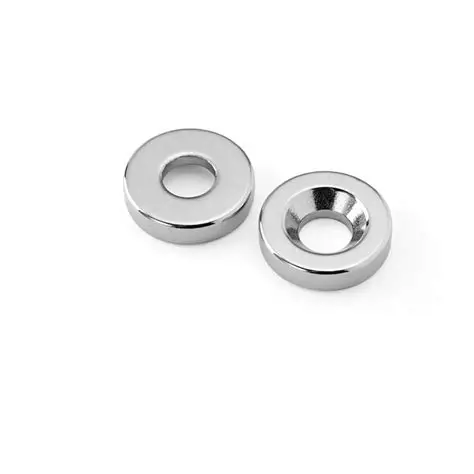
Countersunk magnets are permanent magnets that have a hole drilled through their center. This hole features a conical recess, known as a countersink, on one face. The recess is designed to accept a flat-head screw. When the screw is tightened, its head sits flush with or below the magnet’s surface.
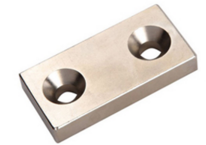
This simple design solves a major mounting challenge. Regular magnets are difficult to attach securely to non-metallic surfaces like wood or plastic. You cannot drill through them because they are brittle. Countersunk magnets come ready-made with the hole and recess, allowing you to screw them directly onto any surface. This creates a strong, reliable mechanical fixing while the magnetic face remains completely flat for holding objects.
Types and Specifications of Countersunk Magnets
Understanding the different types and key specifications of countersunk magnets ensures you choose the right one for your project. Not all countersunk magnets are created equal.
Neodymium Countersunk Magnets
Neodymium magnets are the strongest type available. They pack incredible holding power into a small package. These are ideal for applications where space is tight but strong grip is essential. They come in grades from N35 to N52. Higher grades provide more strength but are more brittle and temperature-sensitive. Most neodymium countersunk magnets feature a nickel-copper-nickel coating for corrosion resistance. For outdoor use, epoxy-coated versions offer better protection against moisture.
Ferrite Countersunk Magnets
Ferrite or ceramic countersunk magnets offer a more economical alternative. Their magnetic strength is lower than neodymium, but they resist corrosion naturally without any coating. They handle higher temperatures without losing magnetism. These countersunk magnets work well for lighter-duty applications like cabinet catches, craft projects, and educational demonstrations. They cost significantly less, making them suitable for projects with budget constraints.
Pot Magnet Style with Countersunk Hole
Many magnets are actually pot magnets. In this design, the magnet is encased in a steel shell or pot. The steel housing focuses the magnetic field onto the holding face. This dramatically increases the pull force compared to a bare magnet of the same size. The steel pot also protects the brittle magnet from cracking during installation. The countersunk hole passes through the steel shell, providing a robust mounting point. These pot-style magnets are excellent for heavy-duty holding applications.
Key Specifications to Consider
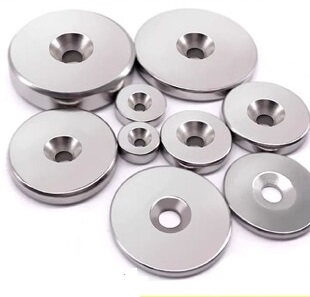
When selecting magnets, pay attention to the outer diameter and overall thickness. The hole diameter must match the screw size you plan to use. Common screw sizes are M3, M4, M5, and M6. The countersink angle is typically 90 degrees to match standard flat-head screws. Check the pull force rating, which tells you how much weight the magnet can hold vertically against a steel surface. Remember that this rating assumes direct contact with thick, clean steel. Any gap or coating reduces the holding force significantly.
Coating and Environmental Protection
The coating on magnets serves two purposes. It prevents corrosion and can provide a decorative finish. Nickel plating gives a shiny silver appearance suitable for indoor use. Epoxy coatings offer better moisture resistance for bathrooms and outdoor applications. Rubber coatings provide grip and protect delicate surfaces from scratches. For marine environments, choose stainless steel pot magnets with sealed construction. The right coating extends the life of your countersunk magnets dramatically.
Notices When Using Countersunk Magnets
Safety and proper installation are crucial when working with strong magnets. Keep these important notices in mind before you start your project.
Use the Correct Screw Material
The screw used with magnets should be non-magnetic or only weakly magnetic. Stainless steel screws are an excellent choice. They resist corrosion and do not interfere with the magnetic field. Brass screws also work well. Avoid standard steel screws because they attract to the magnet, making installation difficult and potentially reducing the effective holding force on the target object.
Do Not Overtighten
Neodymium magnets are brittle. Excessive tightening force can cause the magnet to crack around the countersunk hole. Always tighten screws gently by hand. If using a power driver, set the torque to the lowest setting. The steel shell in pot-style magnets provides some protection, but overtightening can still deform the housing or crack the magnet inside. A snug fit is all that is required.
Protect the Countersunk Area from Chipping
The edges of the countersunk hole are stress concentration points. Dropping a countersunk magnet or letting it snap against a metal surface can cause chips to form around the hole. Always place magnets gently onto surfaces. Store magnets with spacers between them to prevent accidental slamming. Chipped magnets lose strength and can create sharp edges that are a safety hazard.
Consider the Surface Behind the Magnet
The screw pulls the magnet tight against the mounting surface. If that surface is uneven or soft, the magnet may not sit flat. An uneven mount reduces the contact area with the target object, weakening the hold. Use a flat, rigid backing material for best results. If mounting on wood, pre-drill a pilot hole to prevent splitting. For countersunk magnets mounted in high-vibration areas, consider using thread-locking compound to prevent the screw from loosening over time.
Keep Away from Sensitive Electronics and Medical Devices
Strong neodymium magnets generate powerful magnetic fields. These fields can erase credit card magnetic strips and damage traditional hard drives. They can interfere with pacemakers and other implanted medical devices. Maintain a safe distance of at least 30 centimeters between strong magnets and any sensitive equipment. Always label drawers or cabinets that contain strong magnets to warn others.
Temperature Limits Apply
Standard neodymium magnets begin to lose strength permanently if heated above 80 degrees Celsius. Do not install them near ovens, heaters, or engines unless you have confirmed the magnet grade is rated for high temperatures. Ferrite magnets handle higher temperatures but have lower strength. Choose the appropriate material for your operating environment.
Creative Applications and Installation Techniques
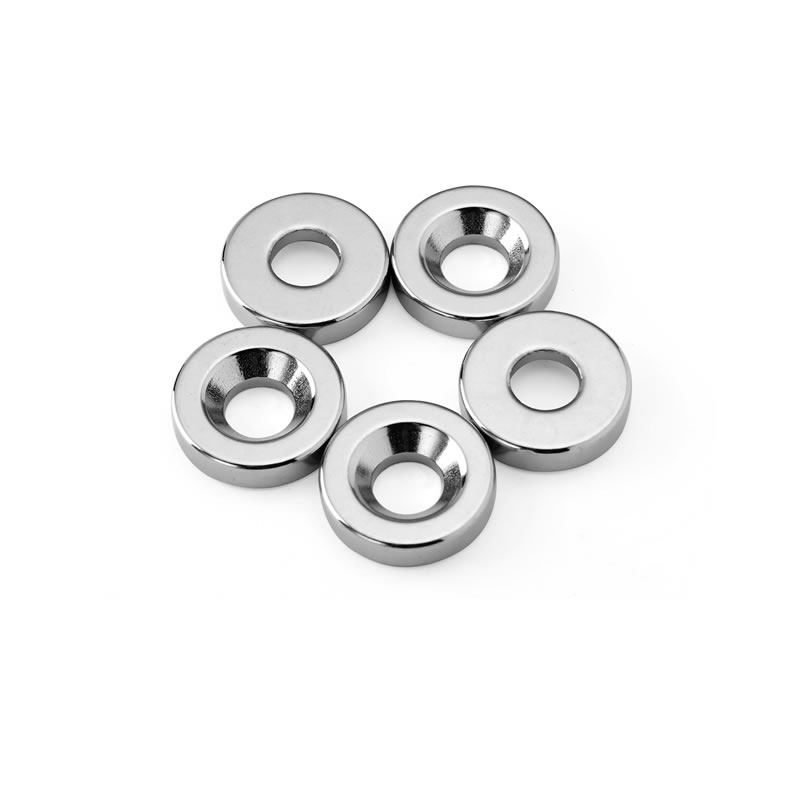
Countersunk magnets find uses in countless projects where a flush, secure mount is needed. Their versatility makes them a favorite among woodworkers, cabinet makers, and DIY enthusiasts.
Cabinet and Furniture Doors
One of the most common uses is holding cabinet doors closed. A countersunk magnet is mounted on the cabinet frame, and a steel strike plate attaches to the door. The flush screw allows the magnet to sit perfectly flat, ensuring maximum contact with the strike plate. This creates a silent, secure closure without any visible hardware on the outside of the door. Adjusting the depth of the screw can fine-tune the holding force.
Woodworking Jigs and Fixtures
Woodworkers use countersunk magnets to hold jigs, fences, and featherboards in place on cast iron tables. The magnet holds the jig securely while the screw prevents it from sliding sideways. This combination of magnetic and mechanical holding is far stronger than either method alone. Countersunk magnets with a rubber coating protect the table surface from scratches while providing excellent grip.
Removable Signage and Displays
Retail stores and trade show exhibitors use countersunk magnets to mount signs and displays. The magnets screw onto the back of the sign board. The board then attaches magnetically to any steel surface like shelving units or display racks. This allows signs to be changed quickly without tools or adhesive residue. The flush screw head ensures the magnet sits flat against the sign back.
Hidden Mounting for Art and Decor
Artists and interior designers appreciate the clean look of countersunk magnets. A canvas or decorative panel can have magnets mounted on the back with flat-head screws. The panel then attaches to a steel wall or a hidden steel plate. This mounting method is completely invisible from the front. It allows artworks to be swapped easily without damaging walls.
Automotive and Marine Applications
In vehicles and boats, countersunk magnets provide temporary mounting for accessories. A magnetic phone holder base can screw into a plastic dashboard panel. A tool holder can mount in the trunk. For marine use, stainless steel pot-style countersunk magnets resist saltwater corrosion. Always ensure the screw is properly sealed against water ingress.
Installation Best Practices
Pre-drill the mounting surface with the correct size pilot hole. For hardwoods, the pilot hole should be slightly smaller than the screw core diameter to provide good grip. Test the countersunk depth by inserting the screw into the magnet before mounting. The screw head should sit just below or flush with the magnet face. If it protrudes, it will scratch the object you are holding and reduce pull force. Use a drop of thread-locking compound if the application involves vibration.
FAQ: Your Countersunk Magnets Questions Answered
1. Can I drill a countersunk hole into a regular magnet myself?
No, you should never attempt to drill neodymium or ferrite magnets. They are sintered materials, much like ceramic, and are extremely brittle. Drilling will shatter the magnet and the dust from neodymium is flammable. Always purchase magnets that have been manufactured with the hole already formed during the pressing stage or machined by the supplier using specialized equipment.
2. What pull force should I look for in countersunk magnets?
A good rule of thumb is to choose a magnet with a pull force rating at least three times the weight of the object you plan to hold. This safety factor accounts for imperfect contact, vibration, and shear forces. Remember that pull force is measured under ideal conditions against a thick, flat, clean steel plate. If your application involves sliding forces rather than a direct pull, you need an even higher safety margin because magnetic shear resistance is lower than direct pull.
3. Will the screw reduce the magnetic holding force?
A non-magnetic screw like stainless steel or brass will not affect the magnetic field. The magnet works just as well as a solid magnet of the same size. However, a magnetic steel screw will attract some of the flux lines, potentially reducing the external holding force slightly. For maximum performance, always use stainless steel or brass screws with your magnets. These materials also provide better corrosion resistance, extending the life of your assembly.
Conclusion
Countersunk magnets provide an elegant and powerful solution for mounting magnets securely to any surface. Their clever design allows a simple flat-head screw to hold the magnet firmly in place while leaving the magnetic face perfectly flat. By understanding the different types, specifications, and installation notices, you can use these versatile magnets with confidence in your woodworking, home improvement, or industrial projects. For a wide selection of high-quality countersunk magnets with detailed specifications, visit nbtechmagnet.com and find the perfect fit for your next creation.
7 Tips to Find the Best Neodymium Magnet Where to Buy Online