Budget planning for magnetic components requires understanding what drives pricing. The cost of neodymium magnets varies significantly based on material grade, size, coating, and market conditions. This guide explains the key factors and how to optimize your spending.
What is Neodymium Magnets
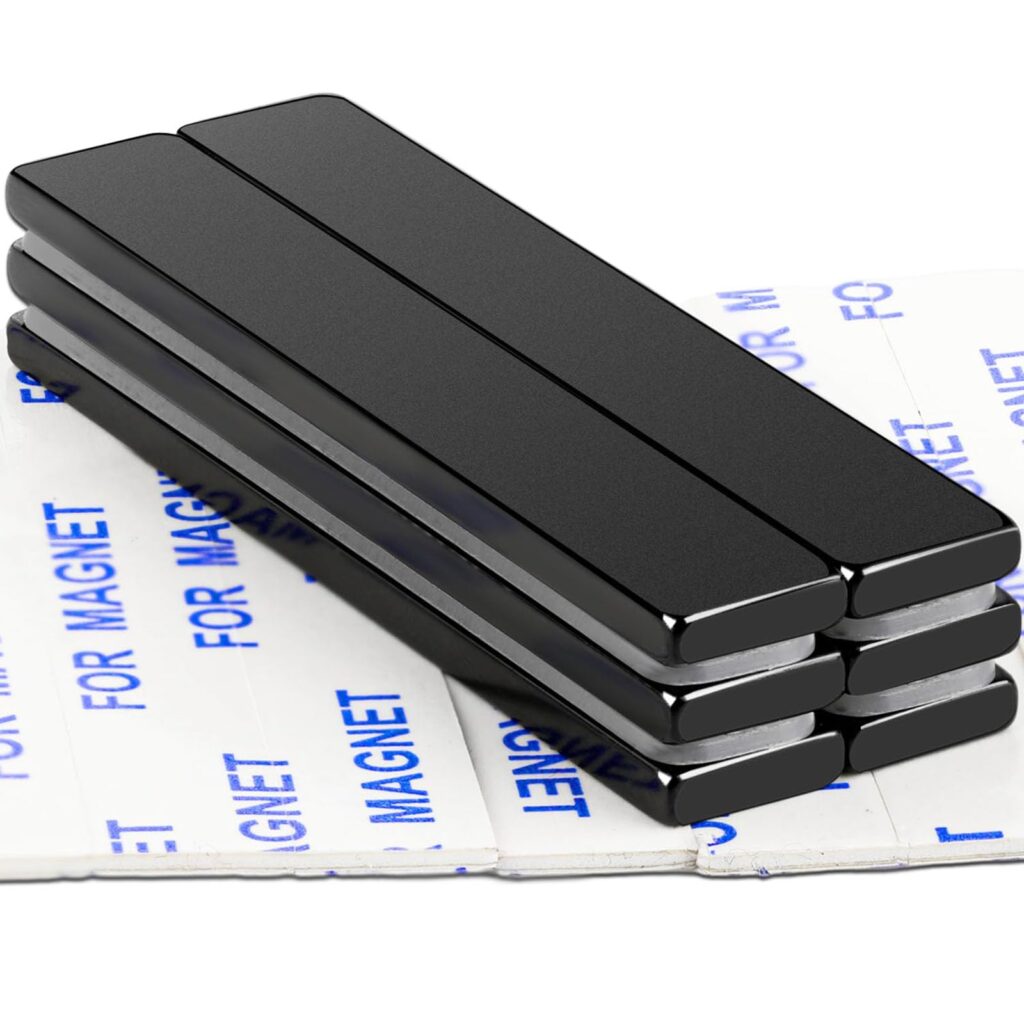
Neodymium magnets are the strongest permanent magnets available commercially. They are made from an alloy of neodymium, iron, and boron. These magnets generate incredibly powerful magnetic fields relative to their small size. A tiny neodymium magnet can hold hundreds of times its own weight.
The strength comes from the material’s unique tetragonal crystal structure. This structure gives the magnet extremely high resistance to demagnetization. Once magnetized, it stays magnetized for decades under normal conditions. Neodymium magnets power electric vehicle motors, wind turbine generators, smartphone speakers, medical devices, and countless industrial applications. When evaluating the cost of neodymium magnets, understanding the material’s properties and grades is essential for making informed purchasing decisions.
Raw Material Factors That Drive the Cost of Neodymium Magnets
The raw materials used in production represent the largest component of the cost of neodymium magnets. Understanding these material factors helps explain price fluctuations.
Neodymium and praseodymium are the primary rare earth elements in magnet alloys. These elements are relatively abundant but require complex extraction and separation processes. China produces over 80 percent of global rare earth supply, giving it significant influence over pricing. Export policies, production quotas, and environmental regulations in China directly affect the worldwide cost of neodymium magnets.
Dysprosium and terbium are heavy rare earth elements added for high-temperature performance. These elements are far rarer and more expensive than neodymium. Their prices can spike dramatically during supply shortages. High-temperature grade magnets containing dysprosium cost significantly more than standard grades. Some manufacturers now use grain boundary diffusion to reduce dysprosium content while maintaining performance, helping control the cost of neodymium magnets.
Iron and boron are the remaining alloy components. These materials are inexpensive and widely available. Their contribution to the overall cost of neodymium magnets is minimal compared to rare earth elements. The alloy composition typically includes 30 percent neodymium, 68 percent iron, and 1 percent boron, with small additions of other elements for specific properties.
Market volatility is a constant factor. Rare earth prices fluctuate based on global demand, trade policies, and speculation. The cost of neodymium magnets rises when raw material prices spike. Long-term supply agreements help manage this volatility by locking in pricing for extended periods.
Manufacturing Factors That Influence the Cost of Neodymium Magnets
Beyond raw materials, the production process adds significant value and cost. Understanding these manufacturing factors helps you evaluate pricing effectively.
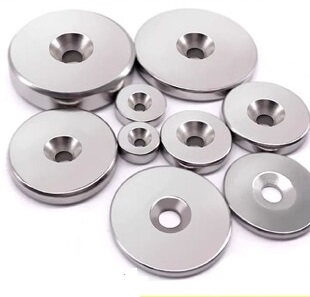
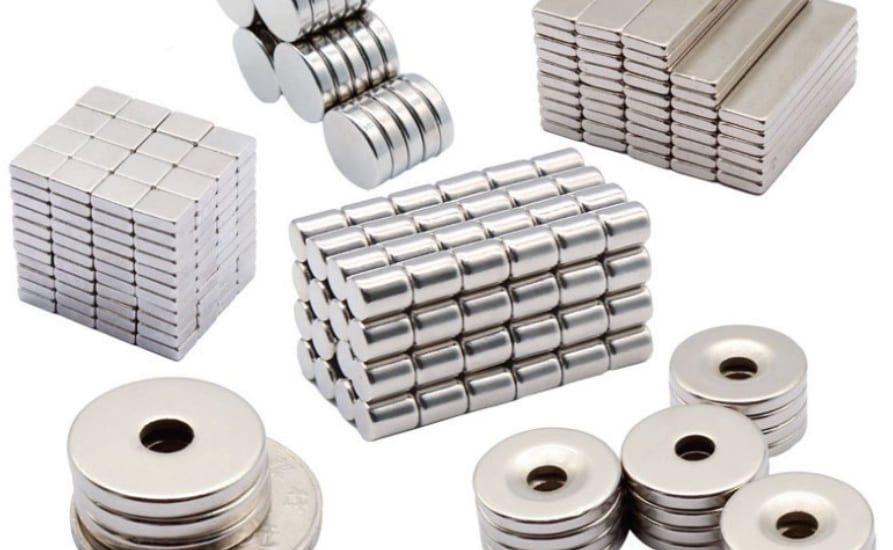
Size and shape complexity directly affect production cost. Simple disc and block magnets press easily and require minimal finishing. Complex shapes like arc segments, rings, and custom geometries need specialized tooling and additional machining. Very small magnets carry a premium due to handling complexity. Very large magnets require specialized pressing equipment. The most economical sizes fall in the middle range where standard equipment operates efficiently.
Grade selection impacts the cost of neodymium magnets significantly. The grade number indicates magnetic strength. N35 provides good performance at economical pricing. N42 offers a balance of strength and durability. N52 delivers maximum power but commands a premium. The price increases roughly 10 to 20 percent per grade step. A larger N35 magnet often achieves the same holding force as a smaller N52 at lower overall cost.
Coating requirements add expense. Standard nickel-copper-nickel plating is the most economical finish. Epoxy coating adds moderate cost for moisture resistance. Gold plating, parylene coating, and specialized finishes increase the cost of neodymium magnets substantially. Choose the coating level that matches your environmental conditions without over-specifying.
Tolerances affect processing steps. As-pressed dimensions cost the least. Ground or machined surfaces for precise tolerances require additional operations. Tight tolerances also increase inspection requirements. Specify only the precision your application genuinely needs to control the cost of neodymium magnets.
Quantity significantly impacts unit pricing. Prototype quantities carry the highest per-unit cost. Pricing becomes competitive at 1,000 pieces and improves substantially at 10,000 pieces. Custom sizes requiring new tooling have higher minimum order quantities. Standard stock sizes offer competitive pricing at lower quantities.
Strategies to Reduce the Cost of Neodymium Magnets
Smart buyers use several strategies to optimize their magnet spending without sacrificing quality. These approaches help control the cost of neodymium magnets effectively.
Standard sizes offer significant savings. Custom magnets require dedicated tooling, adding hundreds or thousands of dollars to initial orders. Standard sizes are produced in large volumes, so suppliers offer them at lower unit prices. Whenever possible, design your product around an existing size to reduce the cost of neodymium magnets.
Lower grades may suffice for many applications. Engineers often specify N52 because they want maximum strength. However, a larger N35 magnet frequently provides the same holding force at a lower cost of neodymium magnets. Question whether you truly need the highest grade or whether a mid-range option will perform adequately.
Consolidated ordering reduces per-unit pricing. Buying larger quantities less frequently achieves volume discounts. Suppliers can plan efficient production runs when they see consistent volume. The cost of neodymium magnets decreases as order size increases. Balance inventory carrying costs against the savings from larger orders.
Appropriate coating selection saves money. Nickel plating is sufficient for most indoor applications. Only choose expensive epoxy or parylene coatings if your product genuinely faces moisture or chemical exposure. Every unnecessary upgrade adds to the cost of neodymium magnets without improving function.
Early supplier involvement prevents costly redesigns. Discuss your requirements with manufacturers during the design phase. They can suggest geometry changes that reduce the cost of neodymium magnets while maintaining performance. This collaborative approach prevents expensive tooling modifications later.
Hidden Costs That Affect the Total Cost of Neodymium Magnets
The quoted price is only part of the story. Several hidden costs can significantly increase the total cost of neodymium magnets if you are not prepared for them.
Shipping costs are often overlooked. Neodymium magnets are dense and heavy. Freight charges for these products can add 10 to 30 percent to the total cost of neodymium magnets. Air freight is particularly expensive because strong magnetic fields require special shielding and packaging. Ocean freight is more economical but takes weeks longer. Always request shipping quotes separately from product pricing to understand the complete landed cost.
Import duties and customs fees apply to international purchases. Many countries impose tariffs on rare earth magnets imported from China. These duties can add 5 to 25 percent to the cost of neodymium magnets. Customs brokerage fees add further expense. Consult with a customs broker to understand the full import costs before placing an international order.
Inventory carrying costs matter for large orders. Buying in bulk reduces unit pricing but ties up capital in inventory. Storage space, insurance, and the risk of damage all add to the true cost of neodymium magnets. Calculate whether volume discounts justify the carrying costs for your specific situation.
Quality failures create expensive problems. Low-cost magnets that fail in service cause warranty claims, product returns, and brand damage. The cost of replacing failed magnets in assembled products far exceeds any savings from cheaper pricing. Investing in quality verification protects against these hidden costs.
Packaging requirements add expense for certain applications. Magnets that must be separated with spacers to prevent chipping require specialized packaging. Automated assembly lines may need magnets arranged in specific orientations. These packaging solutions add to the overall cost of neodymium magnets but improve production efficiency downstream.
FAQ: Your Cost of Neodymium Magnets Questions Answered
1. Why does the cost of neodymium magnets vary so much between suppliers?
Price variation stems from several factors. Material grade authenticity is a major concern. Some suppliers substitute lower grades while charging premium prices. Manufacturing efficiency affects production cost. Geographic location influences labor and energy costs. Quality control investment varies between suppliers. The lowest cost of neodymium magnets may indicate corners cut somewhere in the process.
2. How can I verify I am getting the correct grade for the cost of neodymium magnets I pay?
Request material test reports showing actual remanence and maximum energy product values. Genuine N52 has remanence of approximately 1.43 to 1.48 Tesla and energy product of 50 to 52 MGOe. Measure pull force against a clean steel plate and compare with theoretical calculations. Independent laboratory testing provides definitive verification for critical applications.
3. What quantity gives the most competitive cost of neodymium magnets?
Prototype quantities of 10 to 100 pieces carry the highest per-unit cost. Pricing becomes competitive at 1,000 pieces and improves significantly at 10,000 pieces. Custom magnets with new tooling require minimums of 5,000 to 10,000 pieces for economical pricing. Standard stock sizes offer competitive pricing at lower quantities.
Conclusion
Understanding what drives the cost of neodymium magnets empowers you to make smarter purchasing decisions. Material grade, size, shape, coating, and quantity all play important roles. By defining requirements clearly, choosing appropriate grades, and consolidating orders, you can secure competitive pricing without compromising quality. Strategic timing and long-term supplier relationships further optimize your spending. Whether you need prototype samples or production volumes, the right approach controls the cost of neodymium magnets while ensuring reliable performance.
7 Essential Qualities to Look for in Reliable Permanent Magnet Manufacturers