Walk through any factory floor and you will find electric motors, sensors, and pumps running nonstop. Inside many of them sits a sintered magnet doing the quiet work of generating magnetic force. This guide explains what they are, how they are made, and why engineers keep choosing them.
What is a Sintered Magnet
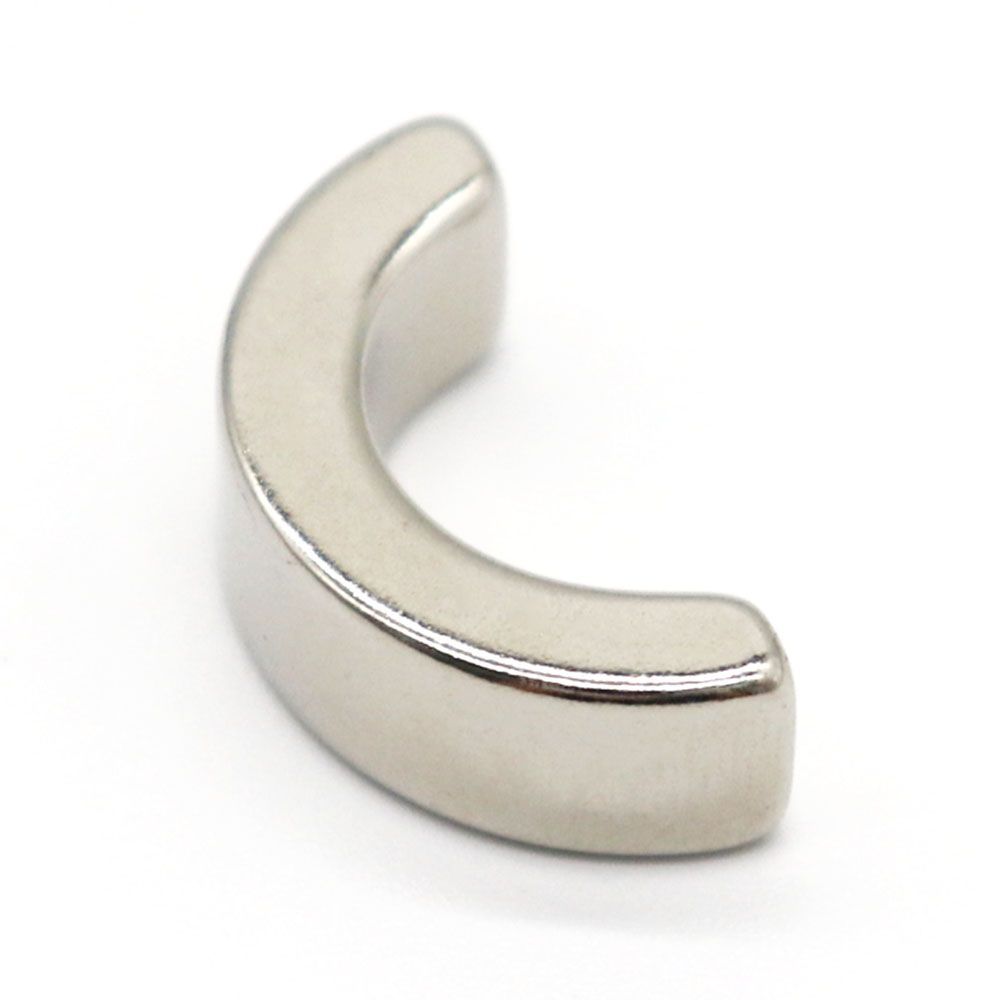
A sintered magnet is a permanent magnet produced by pressing metal powder into a shape and then heating it in a furnace until the particles fuse together. The metal never reaches its melting point. Instead, the heat causes atomic diffusion, which welds the powder grains into one solid piece. The result is a dense, hard magnet with a strong, stable magnetic field.
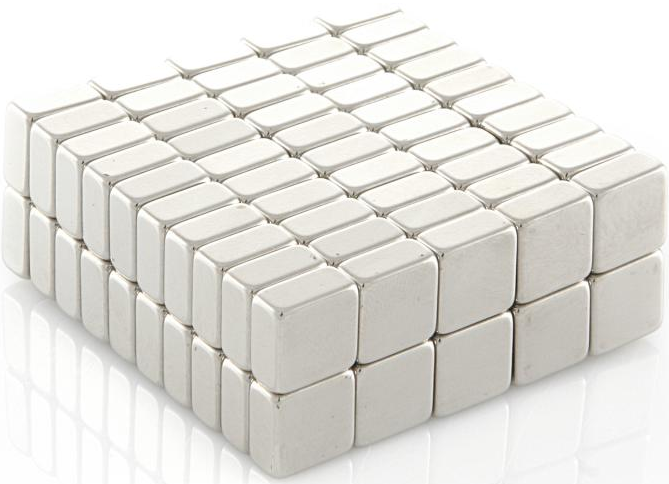
The most common example is the neodymium sintered magnet, made from an alloy of neodymium, iron, and boron. Ferrite and samarium cobalt sintered magnets are also widely produced. Each material offers a different mix of strength, temperature tolerance, and cost. What they share is the manufacturing route: powder, press, heat, finish.
That route is what separates a sintered magnet from a bonded or cast one. Bonded magnets mix powder with plastic and stay relatively weak. Cast magnets are melted and poured, which limits their shape precision. Sintering hits a sweet spot. It delivers high magnetic strength and good dimensional control at a price that works for mass production.
How a Sintered Magnet Is Made
Understanding the production steps helps you judge quality when you talk to suppliers. Each stage affects the final magnetic output and the part’s durability.
Powder Preparation
The process starts with raw alloy, which is crushed and milled into fine powder. Particle size matters more than most people realize. Powder that is too coarse produces weak magnets. Powder that is too fine oxidizes quickly and becomes hard to handle. Manufacturers control the distribution carefully and often add a lubricant to help the powder flow.
Pressing in a Magnetic Field
The powder goes into a die and gets compacted under high pressure. For anisotropic grades, a magnetic field is applied during pressing. This aligns the crystal orientation of the particles. That alignment is the single biggest reason a sintered magnet can achieve high remanence. Without it, you lose a large chunk of magnetic strength.
Sintering
The pressed block, called a green compact, moves into a vacuum or inert gas furnace. Temperatures typically run between 1000 and 1100 degrees Celsius. The part shrinks by roughly 15 to 20 percent during this stage. Tooling has to be built oversized to account for that shrinkage. Poor furnace control causes cracks, low density, or inconsistent magnetic properties.
Machining and Coating
Sintered magnets come out hard and brittle. Diamond grinding brings them to final dimensions. Then a coating goes on. Nickel is the standard choice. Epoxy suits outdoor and marine use. Parylene serves medical and high-reliability electronics. The coating protects against corrosion, which is a real weakness of neodymium material.
Magnetizing
The finished part is placed inside a magnetizing fixture and exposed to a strong pulse field. This locks in the magnetic orientation. The fixture design determines the pole pattern. Simple two-pole magnetization is cheap. Multi-pole patterns for motors and sensors cost more but deliver performance that flat magnetization cannot match.
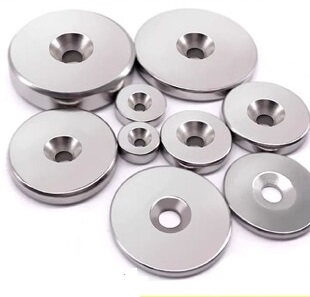
Where Sintered Magnets Are Used
You will find these magnets almost everywhere once you start looking. Their combination of strength and cost keeps them in demand across very different industries.
Motors and Generators
This is the biggest application by far. Sintered neodymium magnets sit inside the rotors of brushless DC motors, servo motors, and traction motors for electric vehicles. They also drive wind turbine generators, where direct-drive designs have replaced gearboxes in many modern installations. The magnets must hold their strength for decades in these applications, which is exactly what good sintering delivers.
Sensors and Automotive Systems
Anti-lock brake sensors, crankshaft position sensors, and throttle position sensors all rely on small sintered magnets. These parts need consistent magnetic output so the electronics can read position accurately. A weak or inconsistent magnet causes false readings and warning lights. Automotive buyers typically require full material traceability and IATF 16949 certification from the supplier.
Consumer Electronics
Smartphone speakers, vibration motors, and earbud drivers use tiny sintered magnets. Space inside these devices is measured in fractions of a millimeter, so magnetic strength per unit volume matters enormously. This is one area where higher grades like N50 and N52 justify their premium.
Medical Devices
Surgical instruments, dental tools, and implantable device components use sintered magnets with biocompatible coatings. Parylene and gold plating are common in this sector. Cleanliness and material certification are non-negotiable for medical buyers.
Industrial Equipment
Magnetic separators, holding fixtures, and couplings rely on sintered magnets as well. These applications often prioritize durability and cost over maximum strength, which makes ferrite and mid-grade neodymium good fits.
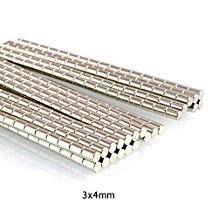
What to Check Before You Buy
Buying sintered magnets is not like buying hardware from a catalog. A few specifications determine whether the part performs or fails.
Grade and Coercivity. The grade tells you the energy product. The coercivity tells you how well it resists demagnetization. Both matter. A high-grade magnet with low coercivity will still fail in a hot motor.
Density and Porosity. Higher density means higher strength and better corrosion resistance. Ask for the actual measured density, not just a nominal value.
Tolerances. As-sintered parts hold looser tolerances than ground parts. If your assembly needs a press fit, specify grinding and expect to pay for it.
Coating Thickness. Coating that is too thin fails early. Coating that is too thick reduces the effective air gap in your design. This is a common oversight when engineers switch suppliers.
Traceability. For automotive, medical, and aerospace work, you need lot-level material certificates. Suppliers who cannot provide them are not suitable for these markets.
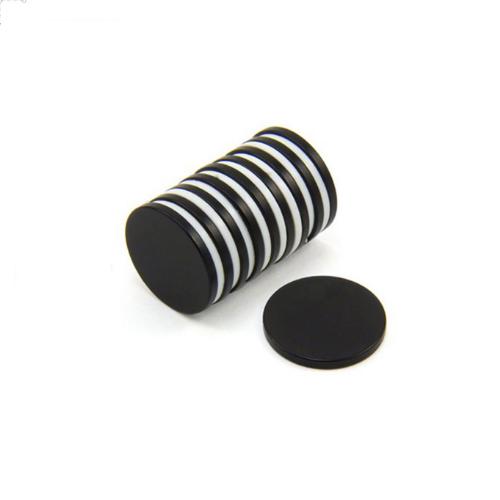
Quality Problems to Watch For
Even good suppliers occasionally ship parts with issues. Knowing what to look for helps you catch problems early.
Chipping on Edges. Sintered material is brittle. Rough handling during grinding or packaging causes chips. Inspect edges closely on the first shipment.
Cracks from Thermal Stress. If the sintering cycle is rushed, internal cracks can form. These often do not show up until the magnet is in service. Dye penetrant inspection catches surface cracks. X-ray catches internal ones.
Inconsistent Magnetization. A batch may have correct dimensions but weak magnetic output if the magnetizing fixture is worn or misaligned. Test field strength on samples from each lot.
Coating Blisters. Poor surface preparation before plating causes blisters that flake off in service. Salt spray testing reveals coating quality problems before they reach your customer.
Dimensional Drift. Sintering shrinkage varies with furnace conditions and powder lots. Tooling wear adds to the variation over time. Statistical process control data tells you whether the supplier is managing this or just sorting bad parts.
Common Sintered Magnet Failure Modes in Service
Sintered magnets are reliable, but they do fail. Knowing the failure modes helps you specify correctly and diagnose problems when they appear in the field.
Corrosion is the most common failure. Neodymium sintered magnets are metallurgically reactive. A coating breach, even a tiny scratch from assembly, becomes a corrosion site. Moisture gets in, the material oxidizes and expands, and the coating lifts off from underneath. The magnet loses material and eventually loses strength. In salt or chemical environments, this can happen within months. This is why coating integrity matters more than coating thickness alone.
Demagnetization is the second major failure. It happens in three ways. Overheating above the rated maximum temperature causes irreversible loss. Exposure to a strong opposing magnetic field, such as during a motor fault, can partially erase the magnetization. And excessive current in a nearby coil can do the same. High-coercivity grades resist this, which is why temperature rating and coercivity both need checking.
Mechanical fracture is the third. Sintered material is brittle. Impact during assembly, thermal cycling, or vibration can start a crack. Once cracked, the magnet may hold together magnetically but lose field strength and eventually break apart. Sharp fragments can damage bearings or jam mechanisms.
Edge chipping is a milder version of the same problem. It usually happens during handling or press fitting. Small chips are often tolerated, but they expose uncoated material and start corrosion.
Finally, adhesive failure causes magnets to come loose in rotors and assemblies. This is not a magnet defect, but it is a common field failure. Surface preparation, adhesive selection, and cure schedule all matter. High-temperature applications need adhesives rated for the operating temperature, not just room temperature strength.

FAQ: Your Sintered Magnet Questions Answered
1. Is a sintered magnet stronger than a bonded magnet?
Yes, significantly. Sintering produces a nearly fully dense material, while bonded magnets contain 20 to 30 percent polymer binder by volume. That binder takes up space that would otherwise be magnetic material. A sintered neodymium magnet can be three to five times stronger than a bonded magnet of the same size. Bonded magnets win on shape complexity, not on strength.
2. Can sintered magnets be drilled or machined after production?
Sintered magnets can be ground, sliced, and drilled, but only with diamond tooling and proper coolant. The material is hard and brittle, so aggressive machining causes cracks. Most manufacturers prefer to form the shape during pressing and limit machining to grinding critical surfaces. Attempting to drill a finished magnet at home usually ends with a broken magnet and a damaged bit.
3. Why do sintered neodymium magnets need a coating?
Bare neodymium alloy corrodes quickly. In humid air, surface oxidation starts within days. In direct contact with water or salt spray, a bare magnet can crumble within weeks. The coating seals the surface and blocks moisture. Nickel plating works for indoor use. Epoxy or parylene is required for outdoor, marine, or medical applications. A chipped coating creates a corrosion entry point, which is why handling matters.
Conclusion
A sintered magnet is one of those components that rarely gets attention but quietly holds modern technology together. From the motor in your power drill to the sensor in your car’s braking system, these magnets do demanding work with remarkable reliability. The manufacturing process rewards precision at every stage, from powder preparation through final magnetization. When you specify a sintered magnet, pay attention to grade, coercivity, density, and coating rather than price alone. Get those right and you will have a component that performs for the life of your product.