Electric motors power countless devices in our daily lives. Magnets for motors sit at the heart of these machines, converting electrical energy into rotational motion. This guide explains everything you need to know about selecting and using these critical components.
What is Magnets for Motors
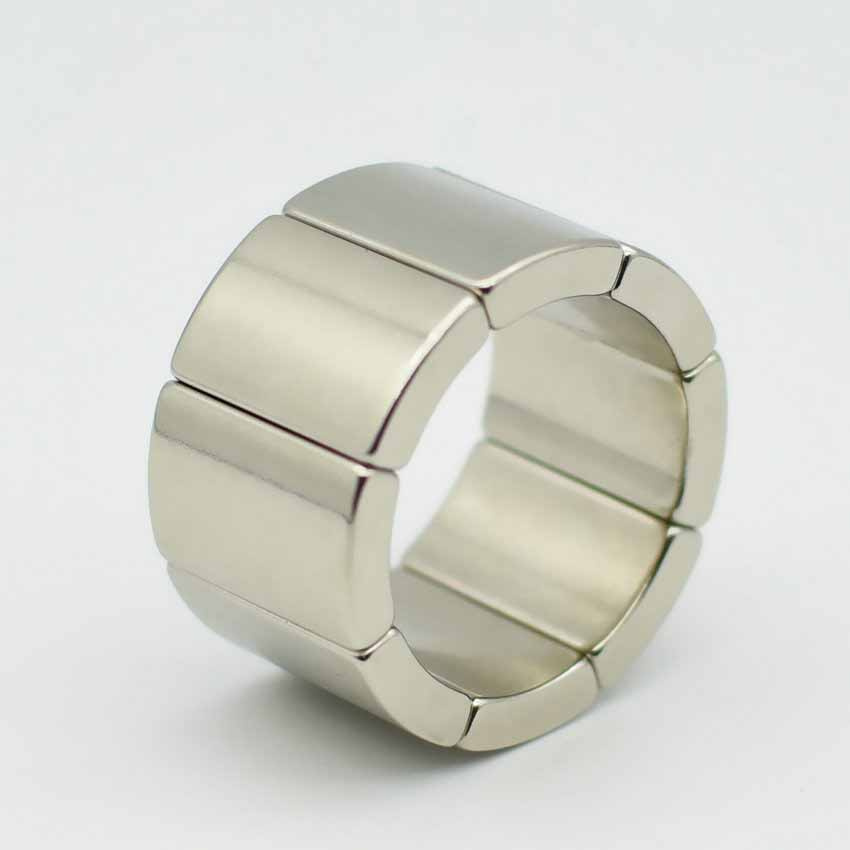
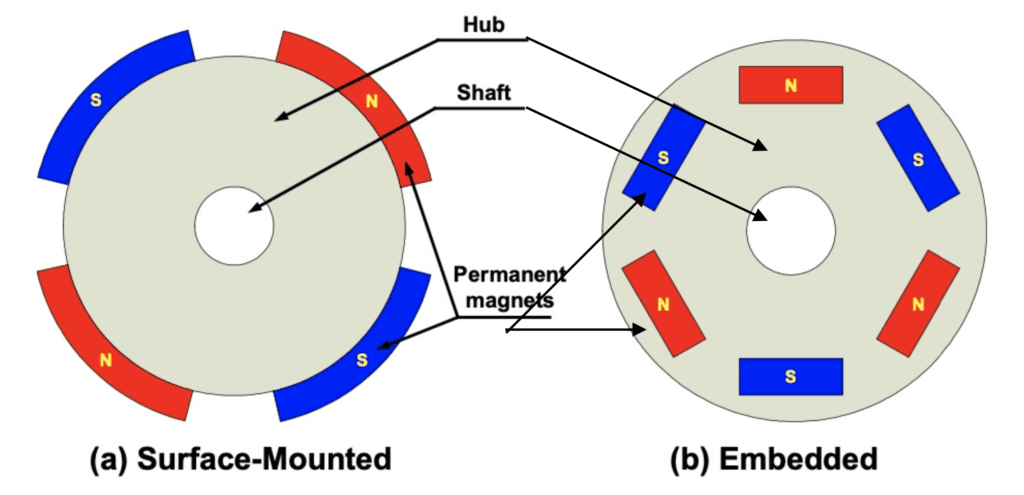
Magnets for motors are permanent magnets specifically designed and shaped for use in electric motors and generators. They create a constant magnetic field that interacts with electromagnetic coils to produce rotational force. The magnets mount on the rotor or stator, depending on the motor design. When electric current flows through copper windings, the resulting electromagnetic field pushes against the permanent magnetic field, causing the rotor to spin.
The most common types are neodymium rare earth magnets, ferrite ceramic magnets, and samarium cobalt magnets. Neodymium dominates modern motor designs because it offers the strongest magnetic field per unit volume. This allows engineers to build smaller, lighter, and more powerful motors. Ferrite magnets provide a lower-cost alternative for applications where size and weight matter less. Samarium cobalt serves extreme high-temperature environments. Selecting the right magnets for motors directly impacts efficiency, torque output, and overall performance.
Understanding Magnet Grades and Temperature Ratings
Selecting the right grade is critical when specifying magnets for motors. The grade system and temperature ratings determine motor performance and reliability.
The grade number indicates magnetic strength for neodymium magnets. N35 provides good performance at economical cost. N42 offers a balanced combination of strength and durability. N52 delivers maximum magnetic output but costs more and is more brittle. For magnets for motors in demanding applications, grades from N42 to N48 are common because they balance performance with manufacturability.
Temperature ratings use letter suffixes to indicate maximum operating temperature. Standard N grades work up to 80 degrees Celsius. M grade reaches 100 degrees Celsius. H grade handles 120 degrees Celsius. SH grade operates at 150 degrees Celsius. UH grade withstands 180 degrees Celsius. EH grade reaches 200 degrees Celsius. Electric vehicle traction motors typically require SH or UH grade magnets for motors because motors run hot under load.
The addition of dysprosium or terbium creates high-temperature grades. These heavy rare earth elements increase intrinsic coercivity, making magnets resistant to demagnetization at elevated temperatures. However, they also increase cost significantly. Some manufacturers now use grain boundary diffusion technology to achieve similar performance with less dysprosium. This innovation helps control the cost of magnets for motors.

Common Shapes Used for Magnets for Motors
Motor magnets come in several distinct shapes, each optimized for different motor architectures and performance requirements.
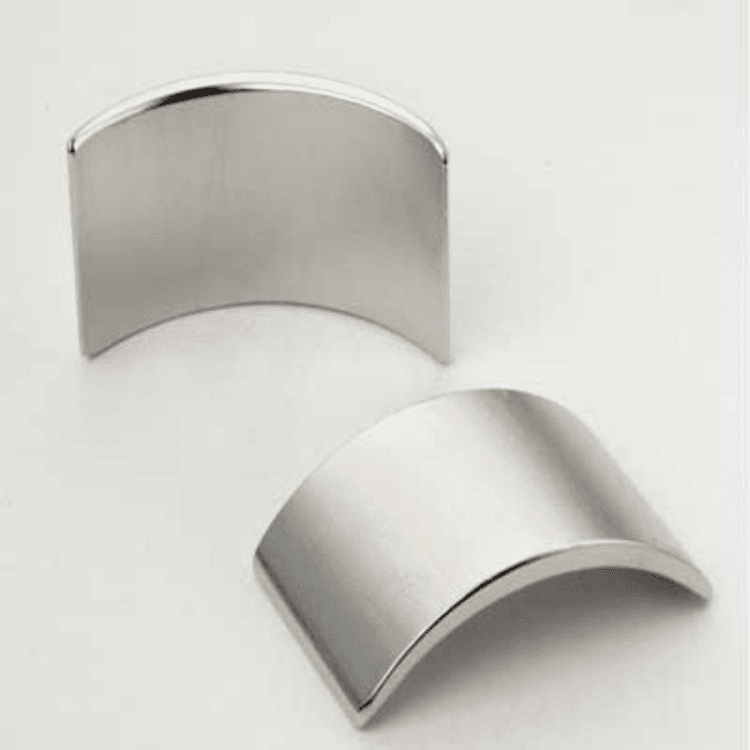
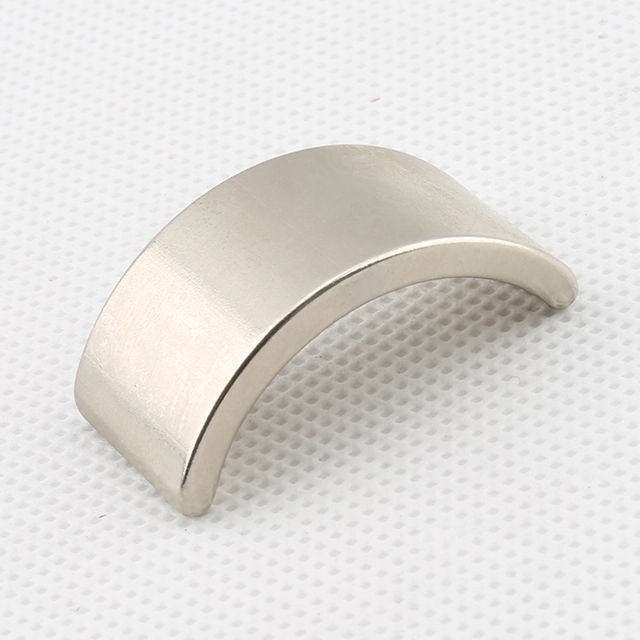
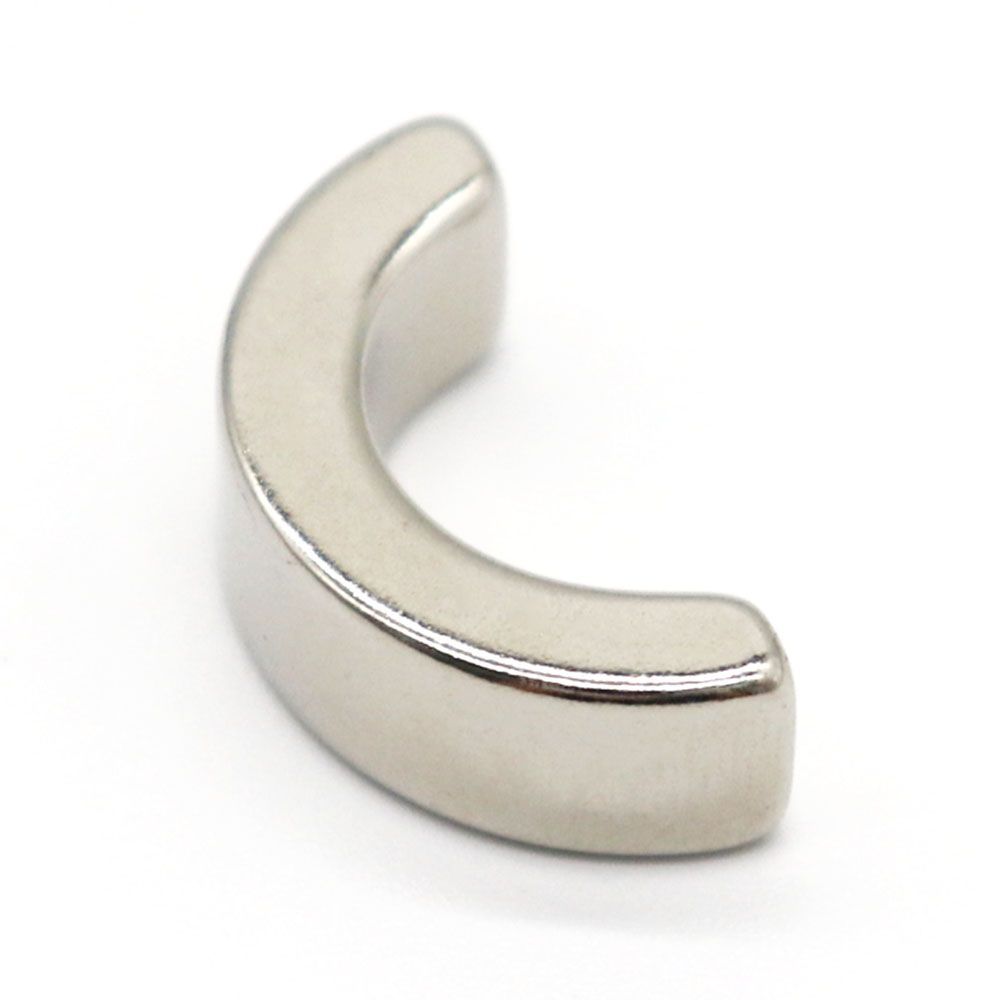
Arc segment magnets are the most common shape for brushless DC motors and permanent magnet synchronous motors. These curved pieces fit precisely onto the rotor surface, creating a uniform magnetic field around the motor’s circumference. Arc segment magnets for motors are magnetized radially, meaning the north pole faces outward from the rotor center. Multiple segments form a complete ring. The number of segments equals the number of magnetic poles in the motor design.
Ring magnets provide a one-piece alternative to multiple arc segments. A single ring is magnetized with multiple poles around its circumference. This approach simplifies rotor assembly by eliminating the need to glue individual segments. However, producing large ring magnets with precise multi-pole magnetization requires sophisticated equipment. Ring magnets for motors are common in smaller motors where the diameter remains manageable for pressing and sintering as a single piece.
Rectangular bar magnets serve in linear motors and some axial flux motor designs. Instead of rotating, linear motors produce straight-line motion. Bar magnets for motors are arranged in a row along the stator, creating a traveling magnetic field that pulls the moving part along. Axial flux motors arrange bar or wedge-shaped magnets on a flat disc rotor.
Disc magnets find use in small DC motors and sensor applications. Their flat shape provides a compact magnetic field for miniature motor designs. These magnets for motors appear in vibration motors, small fans, and precision instruments.
How Motor Design Affects Magnet Selection
The motor architecture dictates specific requirements for magnets for motors. Understanding these relationships helps engineers make informed decisions.
Pole count determines the number of magnets for motors required. Higher pole counts produce more torque at lower speeds. Lower pole counts allow higher maximum speeds but less torque. Electric vehicle motors often use eight or twelve poles for optimal balance. Small drone motors may use fourteen or more poles for high torque density.
Air gap size affects magnet strength requirements. The air gap is the space between the magnet surface and the stator. Larger air gaps require stronger magnets for motors to maintain adequate field strength. Minimizing the air gap improves efficiency but requires tighter manufacturing tolerances.
Rotor diameter influences magnet size. Larger diameter rotors accommodate more or larger magnets for motors. This increases torque but adds weight and inertia. Motor designers balance rotor diameter against speed requirements and overall motor size.
Operating temperature determines grade selection. Motors running continuously at high temperatures need SH or UH grade magnets for motors. Intermittent duty motors may use lower temperature grades. Always specify the maximum continuous operating temperature when ordering.
Environmental conditions affect coating choice. Motors exposed to moisture, oil, or chemicals require protective coatings on magnets for motors. Epoxy coatings provide moisture resistance. Nickel plating suits clean indoor environments. Electric vehicle motors may use specialized coatings compatible with transmission fluid.

Manufacturing Quality Considerations for Motor Magnets
The quality of magnets for motors directly affects motor performance and lifespan. Understanding these quality factors helps ensure reliable operation.
Dimensional consistency is critical for motor assembly. Magnets for motors must fit precisely into rotor or stator slots. Even small variations cause imbalance, vibration, and noise. Quality manufacturers hold tight tolerances on critical dimensions.
Coating adhesion prevents corrosion failures. Magnets for motors with poor coating quality rust quickly in humid environments. Salt spray testing verifies coating durability. Reputable manufacturers perform coating adhesion tests on every batch.
Magnetization consistency ensures uniform performance. Each magnet in a motor must produce the same field strength. Variations cause torque ripple and vibration. Quality-focused manufacturers verify magnetization on sample magnets from every production batch.
Batch-to-batch consistency matters for production. Magnets for motors from different batches should perform identically. Statistical process control tracks magnetic properties over time. This consistency prevents performance variations in finished motors.
The Shift Toward High-Efficiency Motor Designs Using Permanent Magnets
The global push for energy efficiency has accelerated the adoption of permanent magnet motors in applications that previously used induction motors. This shift has major implications for the demand and specifications of magnets for motors.
Induction motors have dominated industrial applications for decades due to their simplicity and low cost. However, they require electrical current to generate their magnetic field. This excitation current consumes energy that does not contribute to mechanical output. Permanent magnet motors eliminate this loss by using magnets for motors to provide the field passively. The efficiency gain typically ranges from 3 to 10 percent depending on the application.
Regulatory pressure drives this transition. Energy efficiency standards in the United States, European Union, and China increasingly favor permanent magnet motor designs. These regulations push manufacturers toward motors using high-performance magnets for motors to meet efficiency requirements. The trend will likely continue as governments tighten standards to meet climate goals.
Electric vehicles represent the fastest-growing application. Traction motors in EVs require magnets for motors with exceptional performance. These motors operate at high speeds and temperatures while demanding maximum efficiency to extend driving range. SH and UH grade neodymium magnets dominate this application.
Industrial automation also shifts toward permanent magnet motors. Servo motors for robotics and CNC machines need precise torque control. Magnets for motors in these applications provide the strong, consistent field required for accurate positioning. The higher initial cost of permanent magnet motors is offset by energy savings over the equipment lifetime.
HVAC systems increasingly use permanent magnet motors in fans and compressors. These applications benefit from the efficiency advantages of magnets for motors while operating continuously. The energy savings quickly recover the cost premium.
As efficiency standards tighten and energy costs rise, the demand for high-quality magnets for motors will continue growing across all sectors.
Cost Considerations When Sourcing Magnets for Motors
Budget planning for motor production requires careful analysis of magnet costs. The price of magnets for motors represents a significant portion of total motor cost, especially for high-performance designs. Understanding what drives these costs helps engineers optimize spending.
Raw material costs dominate the price of neodymium magnets for motors. Neodymium and praseodymium prices fluctuate with global supply and demand. China controls most rare earth production, so its policies directly affect magnet pricing. Dysprosium additions for high-temperature grades add further expense. Motor designers must balance performance requirements against material costs.
Grade selection offers cost-saving opportunities. Many engineers automatically specify N52 because they want maximum strength. However, a larger N42 magnet often provides the same torque output at a lower cost of magnets for motors. The price difference between grades can be 20 to 40 percent. Evaluating whether a lower grade meets requirements saves significant money.
Shape complexity affects manufacturing cost. Arc segment magnets for motors require specialized pressing and grinding. Simpler shapes cost less but may increase assembly time. Motor designers must weigh magnet cost against assembly efficiency when choosing geometry.
Volume discounts matter significantly. Magnet suppliers offer tiered pricing based on order quantity. Production volumes of 10,000 pieces or more achieve substantial discounts. Consolidating orders across multiple motor models increases volume and reduces per-unit cost of magnets for motors.
Supply chain diversification manages price risk. Relying on a single source exposes you to price shocks and supply disruptions. Working with multiple suppliers provides leverage during negotiations. Some motor manufacturers source from different regions to balance cost and reliability.
Recycling offers future cost relief. As magnet recycling technology matures, recovered rare earth materials will supplement primary supply. This secondary source may help stabilize the cost of magnets for motors over the long term.
Forward-looking motor designers factor these cost considerations into their decisions. The right balance of performance, quality, and cost ensures competitive motor pricing.
FAQ: Your Magnets for Motors Questions Answered
1. How do I know if my motor magnets are losing strength?
Several symptoms indicate weakening magnets for motors. The motor draws higher current to produce the same torque. It runs hotter than normal. Maximum speed increases but torque decreases. In electric vehicles, driving range drops noticeably. You can measure back EMF by spinning the shaft at a known speed. Lower back EMF than the original specification indicates the magnets have partially demagnetized.
2. What causes magnets for motors to demagnetize prematurely?
The primary causes are excessive heat, strong opposing magnetic fields, and physical damage. Operating a motor above its rated temperature degrades the magnet structure. Electrical faults can generate reverse fields that demagnetize magnets for motors. Physical shock from dropping or vibration can crack the brittle magnet material. Corrosion from moisture also reduces magnetic strength over time.
3. Can magnets for motors be replaced if they fail?
Yes, but replacement is often uneconomical for small consumer motors. For large industrial motors and electric vehicle traction motors, magnet replacement can be cost-effective. The process requires disassembling the motor, removing old magnets, cleaning the rotor surface, and bonding new magnets in place. The rotor must be rebalanced after replacement. The new magnets for motors must match the original specifications exactly.
Conclusion
Magnets for motors are essential components that determine motor performance, efficiency, and reliability. By understanding grades, temperature ratings, shapes, and quality factors, engineers can select the right magnets for their motor designs. The choice affects everything from torque output to operating life. Working with quality manufacturers ensures consistent performance across production batches. Whether powering electric vehicles, industrial machinery, or consumer appliances, the right magnets for motors deliver the reliable, efficient operation that modern applications demand.