Understanding magnet pricing helps you budget accurately for your projects. The rare earth magnets price depends on material composition, grade, size, and global market forces. This guide explains what drives costs and how to make smart purchasing decisions.
What is Rare Earth Magnet
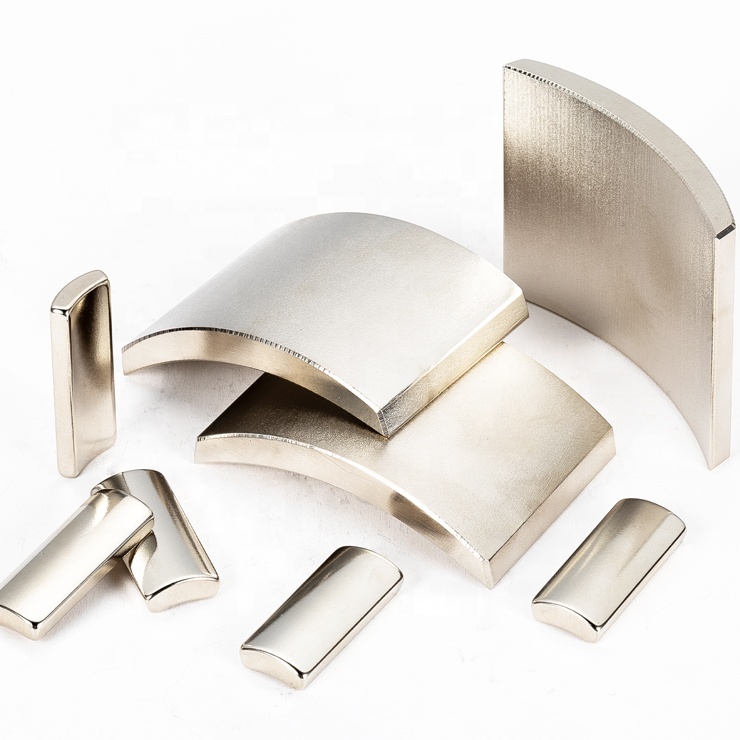
A rare earth magnet is a powerful permanent magnet made from alloys of rare earth elements. The two main types are neodymium magnets and samarium cobalt magnets. Neodymium magnets combine neodymium, iron, and boron to create the strongest commercially available magnetic material. Samarium cobalt magnets offer superior temperature stability and corrosion resistance.
These magnets are called rare earth magnets because the elements used come from the lanthanide series on the periodic table. Despite the name, these elements are relatively abundant in the earth’s crust. However, they are rarely found in concentrated deposits, making extraction complex and expensive. Rare earth magnets power electric vehicles, wind turbines, smartphones, medical devices, and countless industrial applications. When evaluating the rare earth magnets price, understanding the material properties helps you make informed choices.
Material Composition and Its Impact on Rare Earth Magnets Price
The specific rare earth elements used in a magnet significantly affect its cost. Understanding these material factors helps explain price differences between magnet types.
Neodymium and praseodymium are the primary elements in the most common rare earth magnets. These elements are moderately expensive due to extraction and separation complexity. The rare earth magnets price for neodymium products reflects these processing costs. China dominates global production of these elements, giving it significant influence over worldwide pricing.
Dysprosium and terbium are heavy rare earth elements added for high-temperature performance. These elements are far rarer and more expensive than neodymium. High-temperature grade magnets containing dysprosium command premium pricing. The rare earth magnets price increases substantially when dysprosium content rises. Supply constraints for these heavy elements can cause dramatic price spikes.
Samarium and cobalt form the other major rare earth magnet family. Cobalt is an expensive industrial metal with volatile pricing. The rare earth magnets price for samarium cobalt products reflects this cobalt cost. These magnets serve specialized applications where temperature stability justifies the premium.
The purity level of rare earth elements affects cost. Higher purity materials produce better magnetic properties but cost more to refine. Manufacturers balance purity against performance requirements when establishing the rare earth magnets price.
Grade, Size, and Quantity Factors That Influence Rare Earth Magnets Price
Beyond material composition, several practical factors affect the final rare earth magnets price. Understanding these helps you optimize purchasing decisions.
The grade number indicates magnetic strength for neodymium magnets. N35 provides good performance at economical pricing. N42 offers balance between strength and cost. N52 delivers maximum power but commands the highest price. The neodymium magnets price increases roughly 10 to 20 percent per grade step. A larger N35 magnet often achieves the same holding force as a smaller N52 at lower cost.
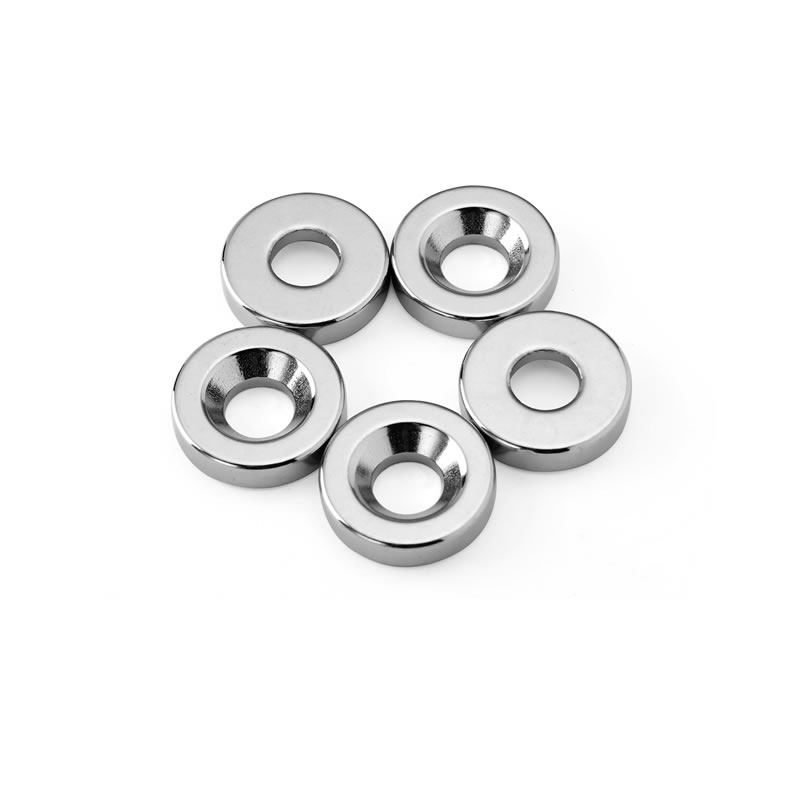
Size directly impacts material usage and therefore price. Larger magnets contain more rare earth material and cost more. The rare earth magnets price increases proportionally with volume. Very small magnets carry premium pricing due to handling complexity. Very large magnets require specialized equipment. Medium sizes offer the most economical pricing.
Quantity significantly affects unit cost. Prototype quantities of a few pieces carry the highest per-unit magnets price. Pricing becomes competitive at 1,000 pieces and improves substantially at 10,000 pieces. Standard sizes offer better pricing at lower quantities because suppliers stock them regularly.
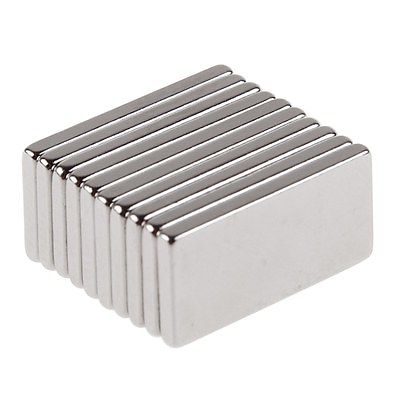
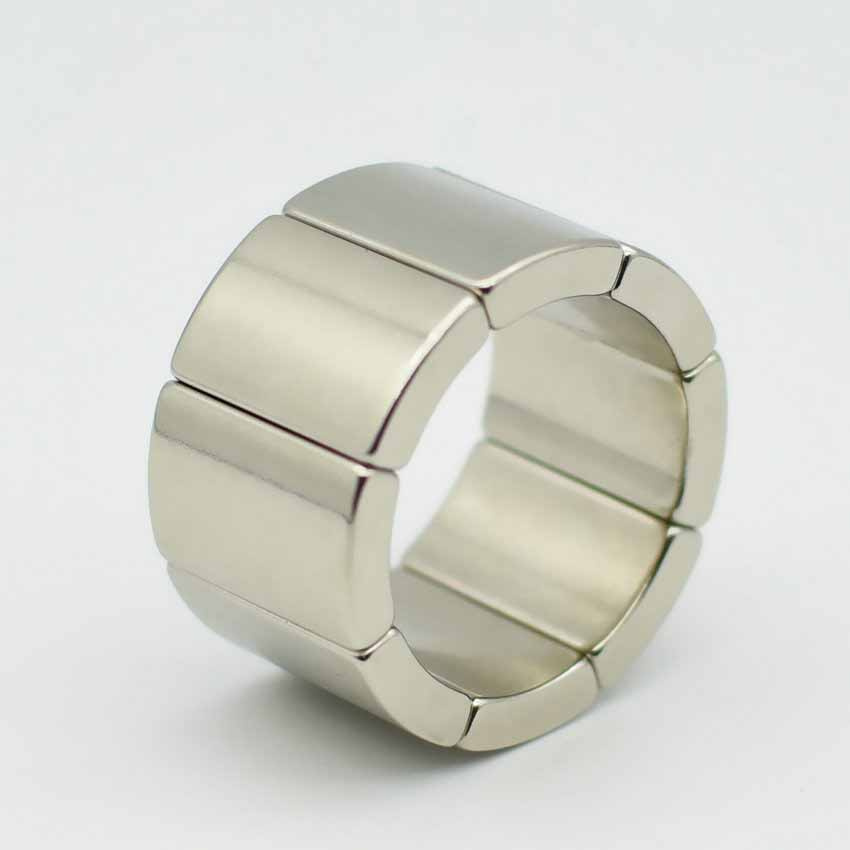
Shape complexity adds manufacturing cost. Simple discs and blocks cost less to produce than arc segments or custom geometries. Complex shapes require specialized tooling and additional machining. The magnets price reflects this processing complexity.
Market Forces and Global Supply Chain Effects on Rare Earth Magnets Price
The global market for rare earth materials significantly impacts pricing. Understanding these dynamics helps you anticipate changes in the magnets price.
China’s market dominance is the single most important factor. The country produces over 80 percent of global rare earth supply. Chinese export policies, production quotas, and environmental regulations directly affect the rare earth magnets price worldwide. When China restricts exports or tightens production, global prices rise quickly.
Geopolitical tensions create price volatility. Trade disputes, tariffs, and export restrictions between major economies disrupt supply chains. The rare earth magnets price responds to these political developments. Buyers seeking supply security increasingly look for alternative sources outside China.
Environmental regulations add production costs. Rare earth processing generates waste products requiring careful management. Stricter environmental standards in China and elsewhere increase manufacturing costs. These costs eventually reach consumers through the rare earth magnets price.
Recycling development offers partial relief. End-of-life magnets contain recoverable rare earth elements. As recycling technology improves, secondary supply helps stabilize the rare earth magnets price. Current recycling capacity meets only a small fraction of demand but continues growing.
Alternative technologies reduce dependency. Some manufacturers develop magnets with reduced dysprosium content. Others explore non-rare earth alternatives for certain applications. These innovations help moderate the rare earth magnets price over time.
Regional Price Differences in the Global Rare Earth Magnets Market
The rare earth magnets price varies significantly depending on where you purchase. Understanding these regional differences helps buyers make strategic sourcing decisions.
China offers the lowest base prices for rare earth magnets. The country’s dominance in raw material processing and magnet manufacturing creates economies of scale unmatched elsewhere. Chinese factories produce magnets in massive volumes, spreading fixed costs across enormous output. Labor costs remain lower than in Western countries. However, the rare earth magnets price from China must include shipping, import duties, and customs brokerage to calculate true landed cost.
Japan commands premium pricing for high-performance magnets. Japanese manufacturers pioneered many advances in neodymium magnet technology. Their products carry a reputation for exceptional quality and consistency. Automotive and electronics companies often accept higher rare earth magnets price from Japanese suppliers because reliability justifies the premium. Japanese magnets frequently serve critical applications where failure costs far exceed the price difference.
European magnet producers occupy a middle position. Their rare earth magnets price typically falls between Chinese and Japanese levels. European manufacturers emphasize environmental compliance and supply chain security. The European Union actively supports domestic magnet production to reduce dependence on Chinese imports. Buyers serving European markets may find local sourcing simplifies regulatory compliance.
North American production remains limited but growing. United States manufacturers focus on defense and specialized industrial applications. Their rare earth magnets price reflects smaller production volumes and higher labor costs. Government incentives aim to expand domestic capacity for supply security reasons. Defense contractors often source domestically regardless of price due to regulatory requirements.
Buyers increasingly diversify sourcing across multiple regions. This strategy reduces supply chain risk while balancing the rare earth magnets price against quality and reliability considerations. Hybrid approaches combine Chinese volume pricing with regional suppliers for critical components.
How Coating Choices Affect the Final Rare Earth Magnets Price
Coatings are essential for protecting rare earth magnets from corrosion, but they also add to the final cost. Understanding coating options helps you balance protection needs against the rare earth magnets price.
Nickel-copper-nickel plating is the standard and most economical coating. This triple-layer system provides a shiny silver appearance and adequate protection for indoor use. The coating process is mature and efficient, adding minimal cost to the rare earth magnets price. For general-purpose applications in clean, dry environments, nickel plating is usually sufficient.
Epoxy coating adds moderate cost but provides superior moisture resistance. The thick polymer layer seals the magnet completely against water and salt spray. When you need outdoor durability, the additional cost is justified. The rare earth magnets price increases by 10 to 20 percent for epoxy coating depending on magnet size and quantity.
Gold plating serves specialized electronic and medical applications. Gold provides excellent corrosion resistance while allowing reliable electrical connections. This coating significantly increases the rare earth magnets price due to precious metal costs. Gold-plated magnets appear in high-reliability connectors, sensors, and luxury products where the expense is acceptable.
Parylene coating represents the premium option. This ultra-thin polymer layer provides pinhole-free protection through vapor deposition. Parylene is biocompatible, making it essential for medical implants and surgical instruments. The coating process is specialized and slow, adding substantial cost to the rare earth magnets price. Only select this option when the application genuinely requires it.
Rubber and plastic coatings add functionality beyond protection. These thick coverings provide grip and impact resistance. The coating process is relatively inexpensive, but the added thickness slightly reduces effective magnetic strength. For mounting applications where surface protection matters, rubber-coated magnets offer good value despite the moderate increase in magnets price.
Choosing the right coating requires honest assessment of your operating environment. Over-specifying expensive coatings wastes money. Under-specifying leads to premature failure. Consult with your supplier about the optimal coating for your specific conditions.
Quality Verification and Testing Costs That Influence Rare Earth Magnets Price
The rare earth magnets price includes more than raw materials and manufacturing. Quality verification and testing add meaningful costs that distinguish reputable suppliers from commodity traders. Understanding these hidden expenses helps you evaluate whether a low price represents genuine value or missing quality controls.
Material certification is the first testing expense. Every batch of rare earth magnets should come with documentation verifying the actual alloy composition. This certification involves laboratory analysis of the powder or finished magnet. Reputable suppliers include this cost in their pricing. Suppliers offering unusually low magnets price may skip this step entirely.
Magnetic property testing requires specialized equipment. Hysteresisgraphs measure the complete magnetic characteristics including remanence, coercivity, and energy product. This equipment costs hundreds of thousands of dollars. Suppliers who invest in this testing provide verified performance data. Their rare earth magnets price reflects this investment. Suppliers without testing capability may rely on theoretical values rather than actual measurements.
Dimensional inspection verifies that magnets meet specified tolerances. Coordinate measuring machines and optical comparators perform precise measurements. Every dimension checked adds time and cost. The rare earth magnets price from quality suppliers includes comprehensive dimensional verification. Cheaper suppliers may inspect only critical dimensions or skip inspection entirely.
Salt spray testing validates coating durability. This accelerated corrosion test exposes magnets to salt fog for extended periods. The test takes days or weeks to complete. Suppliers who perform salt spray testing understand their coatings perform in real-world conditions. This testing adds to the rare earth magnets price but prevents field failures.
Sample retention supports traceability and warranty claims. Quality suppliers retain samples from every production batch. If problems arise later, retained samples enable investigation. This practice adds storage and documentation costs. The rare earth magnets price from responsible suppliers includes this traceability overhead.
When comparing quotes, understand what testing each supplier includes. A higher price often reflects genuine quality verification that protects you from costly failures.
FAQ: Your Rare Earth Magnets Price Questions Answered
1. Why does the rare earth magnets price fluctuate so much?
Price fluctuations stem primarily from rare earth raw material market volatility. China controls most supply, so its policies directly affect global pricing. Trade tensions, export restrictions, and production quotas create uncertainty. Demand growth from electric vehicles and wind turbines adds pressure. The rare earth magnets price reflects these complex global forces.
2. How can I get the best rare earth magnets price without sacrificing quality?
Request quotes from multiple suppliers. Verify grade authenticity with material certifications. Consider using standard sizes rather than custom geometries. Evaluate whether a lower grade would meet your requirements. Consolidate orders to achieve volume discounts. Build long-term relationships with reliable suppliers.
3. Will the rare earth magnets price continue to rise in the future?
Long-term trends suggest gradual price increases as demand grows from clean energy applications. However, new mining projects and recycling development may moderate these increases. Short-term fluctuations will continue based on market conditions. Locking in pricing through long-term agreements helps manage this uncertainty.
Conclusion
Understanding what drives the rare earth magnets price empowers you to make smarter purchasing decisions. Material composition, grade selection, size, quantity, and global market forces all play important roles. By defining requirements clearly and working with reputable suppliers, you can secure competitive pricing without compromising quality. The rare earth magnets price will continue evolving with market conditions, but informed buyers navigate these changes effectively.
7 Powerful Reasons Wind Turbine Magnets Drive Clean Energy Forward