Finding the right source for magnetic components can feel overwhelming with countless options available online. A trustworthy magnet supplier delivers consistent quality, accurate specifications, and valuable technical guidance. This guide will help you navigate the selection process with confidence.
What is Magnet
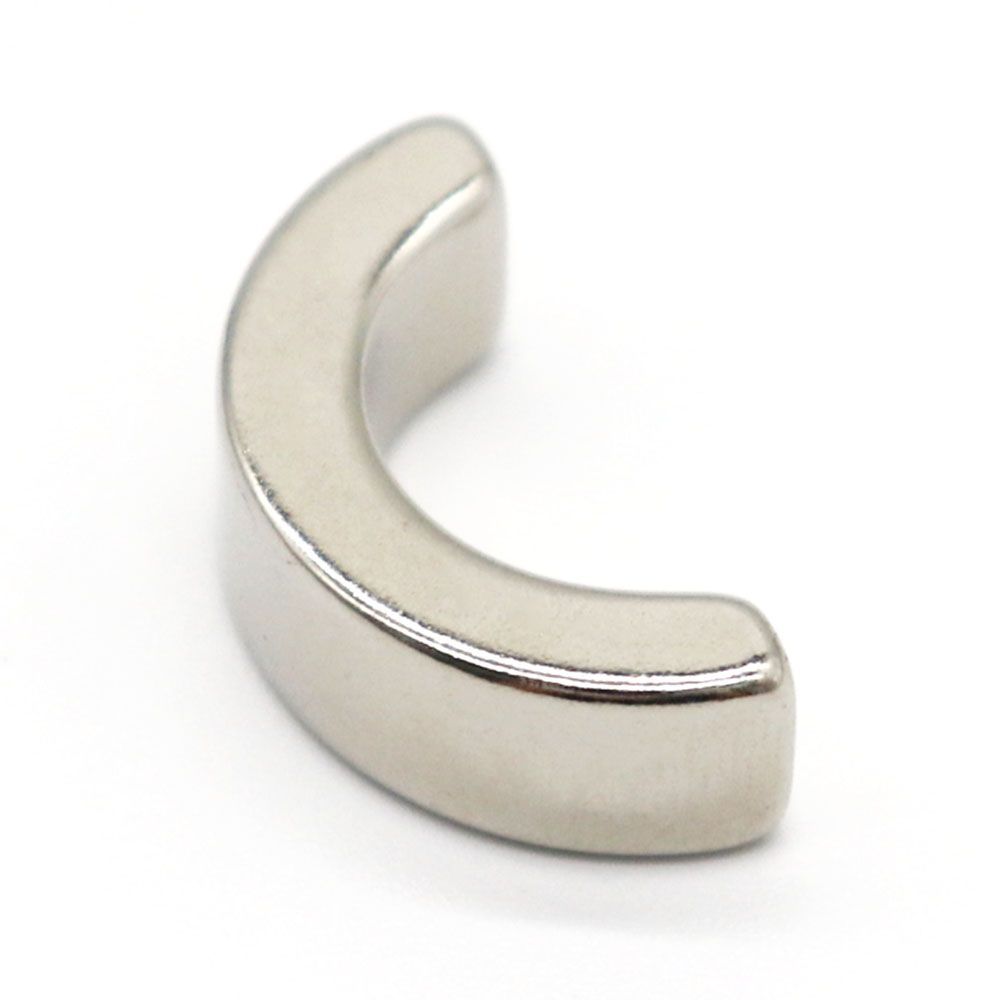
A magnet is a material or object that produces an invisible magnetic field. This field attracts certain metals, primarily iron, nickel, and cobalt. Permanent magnets maintain their magnetic field without external power. Electromagnets generate magnetism only when electric current flows through them.
Magnets work because of the alignment of tiny magnetic domains within the material. In a permanent magnet, these domains lock in the same direction, creating persistent north and south poles. The strength depends on the material composition and manufacturing process. Magnets power electric motors, generate electricity in wind turbines, store data in hard drives, and secure everything from refrigerator doors to smartphone cases. Understanding magnet basics helps you communicate effectively with any magnet supplier and evaluate their product offerings intelligently.
Related: Different Types of Magnets Available from a Magnet Supplier
A quality magnet supplier offers multiple magnet types to serve diverse applications. Understanding the differences helps you select the right material for your specific needs.
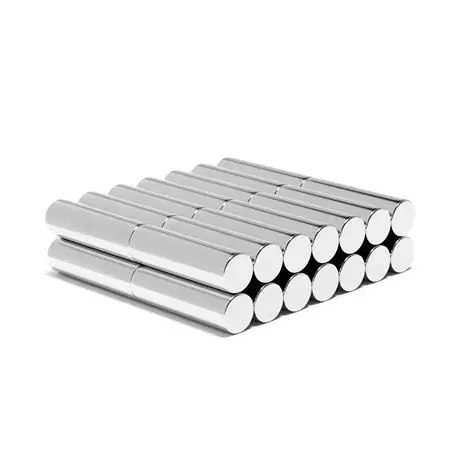
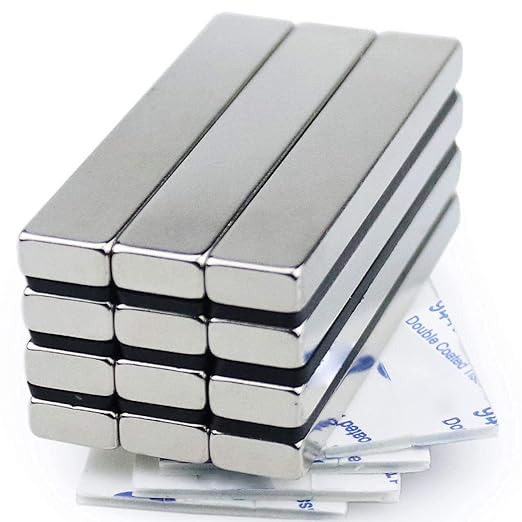
Neodymium magnets are the strongest permanent magnets commercially available. They contain rare earth elements that provide exceptional magnetic power in compact sizes. A professional magnet supplier stocks various grades from N35 to N52, plus high-temperature variants. These magnets serve in motors, sensors, medical devices, and high-performance holding applications. Their strength-to-size ratio makes them irreplaceable for modern electronics.
Ferrite magnets offer economical solutions for less demanding applications. These ceramic magnets cost significantly less than neodymium while providing adequate strength for many uses. A cost-focused magnet supplier recommends ferrite for loudspeakers, refrigerator seals, and educational products. They resist corrosion naturally and handle higher temperatures than standard neodymium grades.
Samarium cobalt magnets serve high-temperature and corrosion-resistant applications. They maintain magnetic properties above 300 degrees Celsius. A specialized magnet supplier provides these for aerospace, defense, and industrial sensor applications. Their higher cost reflects expensive raw materials and specialized processing.
Alnico magnets offer excellent temperature stability up to 500 degrees Celsius. They suit specialized sensors and instruments. Flexible rubber magnets serve craft and signage applications. A comprehensive magnet supplier offers multiple material options to match every requirement.
Related: Key Factors That Affect Magnet Quality and Performance
Understanding quality factors helps you evaluate products from any supplier. These characteristics determine whether magnets perform reliably in your application.
Grade authenticity is the most critical quality factor. Some suppliers mislabel lower grades as premium N52 to charge higher prices. A genuine N52 neodymium magnet has specific remanence and coercivity values. A reputable magnet supplier provides material certifications verifying actual magnetic properties. Independent testing confirms that magnets meet claimed specifications.
Coating quality determines service life. Bare neodymium rusts quickly in moisture. Nickel, epoxy, and other coatings protect the magnet surface. A quality supplier applies coatings uniformly with proper thickness. Salt spray testing verifies coating durability. Poor coating leads to premature corrosion and reduced performance.
Dimensional accuracy ensures proper fit in assemblies. Tight tolerances require precision grinding and machining. A reliable supplier maintains consistent dimensions across production batches. Coordinate measuring machine inspection verifies critical features. Inconsistent dimensions cause assembly problems and performance variations.
Temperature rating affects high-temperature applications. Standard neodymium loses strength above 80 degrees Celsius. High-temperature grades use suffixes like SH or UH. A knowledgeable magnet supplier recommends the correct grade based on operating conditions. Using the wrong grade causes premature magnetic decay.
Consistency across batches matters for production. Quality-focused magnet suppliers use statistical process control to monitor production. They track magnetic properties and dimensions over time. This consistency ensures every magnet performs identically in your product.
Related: How to Build a Strong Relationship with Your Magnet Supplier
A productive partnership with your magnet suppliers extends beyond individual transactions. Building a strong relationship delivers ongoing benefits for both parties.
Clear communication forms the foundation. Share your complete requirements upfront, including specifications, volumes, and delivery schedules. Ask questions about magnet grades, coatings, and performance characteristics. A responsive magnet supplier answers technical questions accurately and promptly. Regular communication prevents misunderstandings that lead to costly errors.
Long-term commitments benefit both sides. When you provide consistent order volumes, your suppliers can plan production efficiently. This efficiency translates to better pricing and priority scheduling. Blanket orders with scheduled releases balance volume commitment with delivery flexibility. Suppliers reward loyal customers with their best service.
Collaborative problem-solving strengthens the partnership. When issues arise, work together to identify root causes and implement solutions. A quality magnet supplier treats problems as opportunities for improvement. They share test data and process information transparently. This collaboration builds trust and prevents recurring issues.
Feedback helps suppliers improve. Share information about how magnets perform in your application. Discuss any quality issues or delivery problems openly. A professional magnet supplier welcomes constructive feedback and acts on it. Continuous improvement benefits both parties over time.
Payment reliability matters. Pay invoices on time to maintain good standing. Discuss payment terms early in the relationship. A reliable customer receives better service and pricing from their magnet supplier.
Related:The Global Supply Chain and Logistics of Neodymium Magnet Suppliers
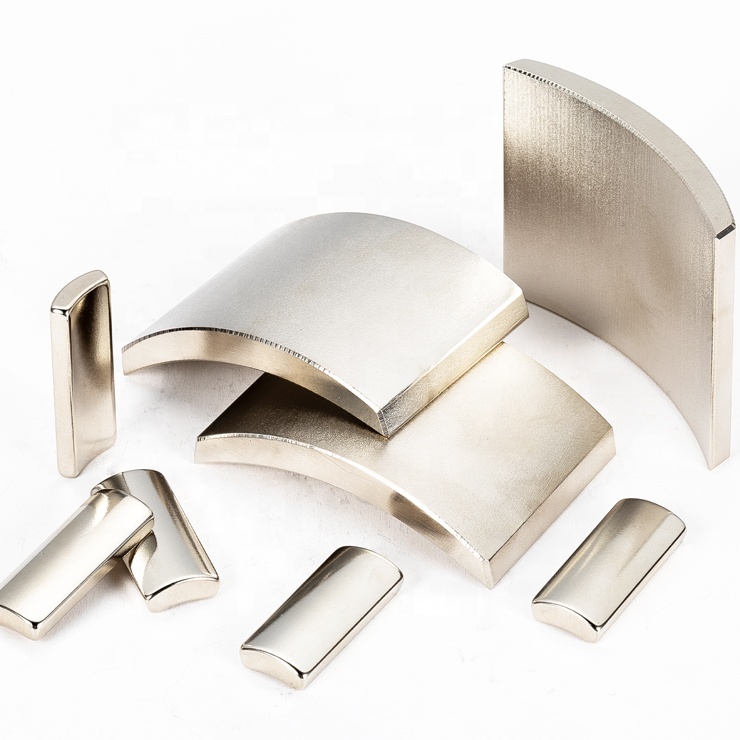
The global neodymium magnet supply chain has evolved significantly over the past decade. Today, a professional neodymium magnet supplier must navigate complex raw material markets while maintaining competitive pricing. Neodymium, praseodymium, and dysprosium prices fluctuate based on Chinese export policies and global demand. Savvy suppliers manage this volatility through strategic inventory and long-term raw material contracts.
Geographic location plays an important role in supplier selection. Many neodymium magnet suppliers operate in China, where the rare earth industry concentrates. These suppliers offer competitive pricing and massive production capacity. However, language barriers and time zone differences can complicate communication. Domestic neodymium magnet suppliers provide easier logistics and face-to-face interaction but often at higher prices. Some buyers choose a hybrid approach, working with multiple suppliers across regions for supply chain resilience.
Minimum order quantities vary significantly between suppliers. Large manufacturers may require minimums of thousands of pieces, making them unsuitable for prototype or small-batch needs. Smaller distributors stock standard sizes and sell in smaller quantities. A flexible neodymium magnet supplier serves both prototype needs and production volumes, allowing customers to scale smoothly from development to mass production.
Logistics present unique challenges for magnetic products. Strong neodymium magnets interfere with aircraft navigation systems, requiring special shielded packaging for air freight. Ocean freight avoids these restrictions but takes significantly longer. An experienced neodymium magnet supplier handles these logistics challenges efficiently, selecting appropriate shipping methods based on order size and urgency.
Custom packaging services distinguish premium suppliers. Some applications require magnets separated by spacers to prevent chipping. Others need magnets arranged in specific orientations for automated assembly. A responsive neodymium magnet supplier offers packaging solutions that integrate with your production line, reducing handling time and damage during transit.
Related:Quality Control Procedures at a Professional Neodymium Magnet Supplier
A professional neodymium magnet supplier implements rigorous quality control procedures throughout the production cycle. These procedures ensure every magnet meets specifications before it reaches the customer. Understanding these processes helps buyers evaluate potential suppliers effectively.
Incoming raw material inspection is the first line of defense. A quality-focused neodymium magnet supplier tests every powder lot before it enters production. Technicians verify particle size distribution, oxygen content, and alloy composition. Powder that fails inspection is rejected immediately. This prevents quality problems from propagating through the entire production batch.
In-process monitoring tracks critical parameters during manufacturing. Pressing density, sintering temperature, and furnace atmosphere are monitored continuously. A diligent neodymium magnet supplier records this data for every production lot. Statistical process control charts reveal trends before they become problems. This proactive approach prevents defective magnets from reaching final inspection.
Final inspection verifies magnetic and dimensional properties. Every batch undergoes testing with hysteresisgraphs or Helmholtz coils to measure actual magnetic output. Coordinate measuring machines check dimensions against specifications. Coating thickness testers verify protective layer uniformity. A reputable neodymium magnet supplier documents all test results and provides certificates with each shipment.
Sample retention supports traceability. Quality suppliers retain samples from every production batch. If a customer reports a problem months later, the retained samples enable investigation. This traceability is essential for automotive, medical, and aerospace applications where documentation requirements are strict.
Third-party testing adds independent verification. Some neodymium magnet supplier companies send samples to external laboratories for confirmation. This independent validation provides additional confidence for critical applications. Customers can also arrange their own testing to verify supplier claims independently.
FAQ: Your Magnet Supplier Questions Answered
1. How can I verify that a magnet supplier sells genuine grade N52 neodymium?
Request material test reports showing actual remanence and maximum energy product values. Genuine N52 has remanence of approximately 1.43 to 1.48 Tesla and energy product of 50 to 52 MGOe. Compare physical size and measured pull force against theoretical values. If the price seems significantly lower than other magnet supplier quotes, suspect mislabeling. Independent laboratory testing provides definitive verification.
2. What is the typical lead time from a magnet supplier?
Standard stock magnets ship within days. Custom magnets without new tooling typically ship in three to five weeks. New pressing dies add six to ten weeks for tooling fabrication. Complex multi-pole magnetization patterns require additional processing time. A reliable magnet supplier communicates lead times transparently and provides regular order updates.
3. Can a magnet supplier help with magnetic circuit design?
Yes, established magnet suppliers offer engineering support including magnetic circuit design assistance. They perform finite element analysis to model field patterns and predict holding forces. They recommend optimal material, grade, and geometry for your application. This service helps you avoid costly design mistakes. When evaluating suppliers, ask about their engineering capabilities and design support offerings.
Conclusion
Choosing the right magnet supplier is a strategic decision that impacts product quality, reliability, and overall cost. By understanding magnet types and quality factors, you can evaluate supplier capabilities effectively. Systematic evaluation protects against counterfeit products and quality issues. Building a strong relationship with your magnet supplier delivers ongoing value through better pricing, priority service, and collaborative problem-solving. Whether you need high-performance neodymium for motors or economical ferrite for consumer goods, the right supplier becomes an invaluable extension of your team.
7 Reasons Great Neodymium Arc Magnets Drive Modern Motor Technology