Choosing the right supplier for magnetic components can determine whether your product succeeds or fails. Permanent magnet manufacturers vary widely in capability, quality, and reliability. This guide helps you identify the best partners for your needs.
What is Permanent Magnet Manufacturers
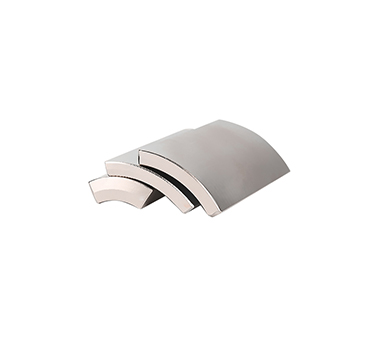
Permanent magnet manufacturers are industrial companies that produce magnets that maintain their magnetic field without external power. They transform raw materials like neodymium, ferrite, samarium cobalt, and alnico into finished magnetic components. These manufacturers serve industries including automotive, electronics, medical devices, renewable energy, and consumer products.
A full-service operation handles the complete production cycle. This includes raw material preparation, powder processing, pressing, sintering, machining, coating, magnetization, and quality inspection. Many permanent magnet manufacturers also offer engineering support for magnetic circuit design. The best companies invest in research and development to improve magnet performance while managing costs. They maintain quality certifications and provide material traceability documentation for every batch.
Related: Understanding Different Types of Permanent Magnet Manufacturers
Not all permanent magnet manufacturers are the same. Different companies specialize in different materials, markets, and production scales.
Neodymium magnet specialists focus on rare earth magnets. These permanent magnet manufacturers operate advanced powder metallurgy equipment. They produce the strongest commercial magnets for motors, sensors, and high-performance applications. Many are located in China, where the rare earth supply chain concentrates. They serve high-volume automotive and electronics customers.
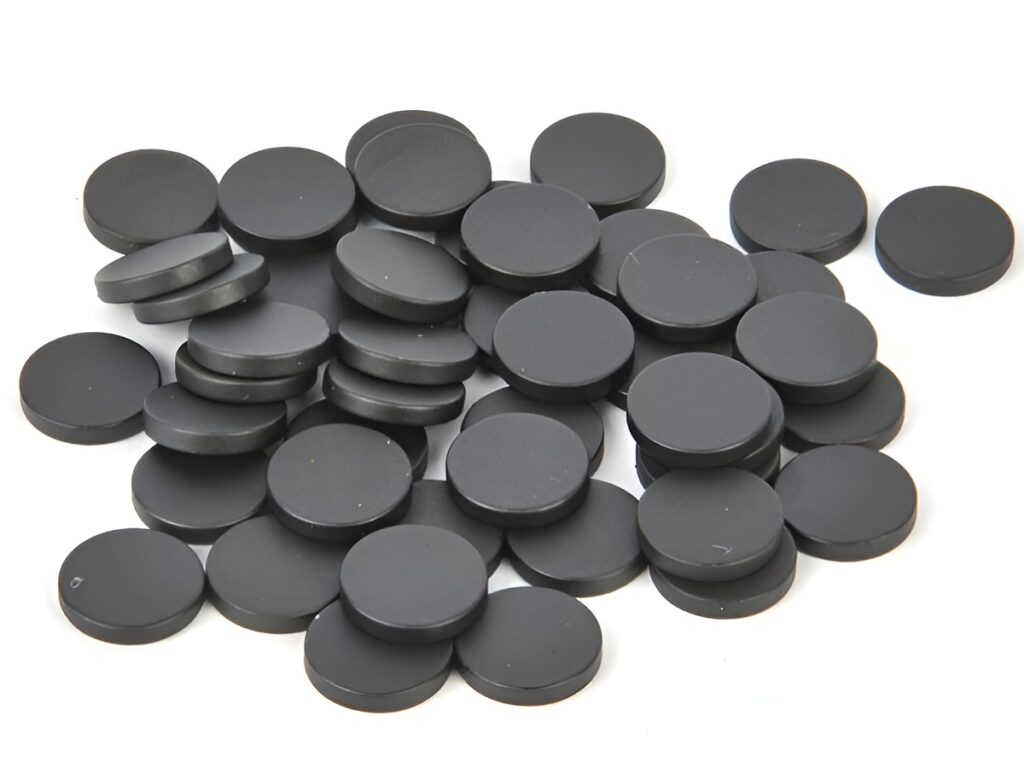
Ferrite magnet producers focus on ceramic magnets. These permanent magnet manufacturers produce lower-cost magnets for loudspeakers, refrigerator seals, and educational products. The manufacturing process is more mature and less expensive than rare earth production. Ferrite producers often serve consumer goods markets where cost sensitivity is high.
Samarium cobalt specialists serve niche high-temperature applications. Fewer permanent magnet manufacturers produce these because the market is smaller. They supply aerospace, defense, and specialized industrial customers. The production process requires careful handling of expensive raw materials.
Bonded magnet producers mix magnetic powder with polymers. These permanent magnet manufacturers use injection molding or compression molding techniques. They produce complex shapes with lower magnetic strength. Their products serve sensor and small motor applications where geometry flexibility matters.
Full-line manufacturers offer multiple magnet types. These permanent magnet manufacturers provide one-stop shopping for customers needing diverse magnetic solutions. They maintain broader material expertise and can recommend the optimal magnet type for each application.
Related: Key Certifications and Quality Standards to Verify
When evaluating permanent magnet manufacturers, certifications provide evidence of their commitment to quality. Understanding these standards helps you select trustworthy partners.
ISO 9001 certification is the baseline for any professional operation. This standard ensures the permanent magnet manufacturer operates a documented quality management system. It covers process control, corrective action, and continuous improvement. Most reputable companies maintain this certification as a minimum requirement.
IATF 16949 certification applies to automotive supply chains. This standard adds defect prevention requirements beyond ISO 9001. Permanent magnet manufacturers serving automotive customers must demonstrate advanced process control. The certification requires rigorous documentation and statistical analysis of production processes.
ISO 14001 certification demonstrates environmental management commitment. Rare earth processing generates waste products requiring careful management. Responsible permanent magnet manufacturers invest in environmental controls. This certification shows they comply with regulations and pursue sustainable practices.
RoHS and REACH compliance confirms products meet international safety standards. These regulations restrict hazardous substances in electrical equipment. Permanent magnet manufacturers must verify their products comply. Compliance documentation should be available for every product.
Material traceability is essential for critical applications. Quality permanent magnet manufacturers maintain records tracing each production batch to raw material sources. They provide certificates showing actual chemical composition and magnetic properties. This documentation is mandatory for medical, aerospace, and automotive applications.
Related: How to Evaluate Manufacturing Capabilities
The production equipment and processes at permanent magnet manufacturers directly affect product quality. Understanding what to look for helps you evaluate potential partners.
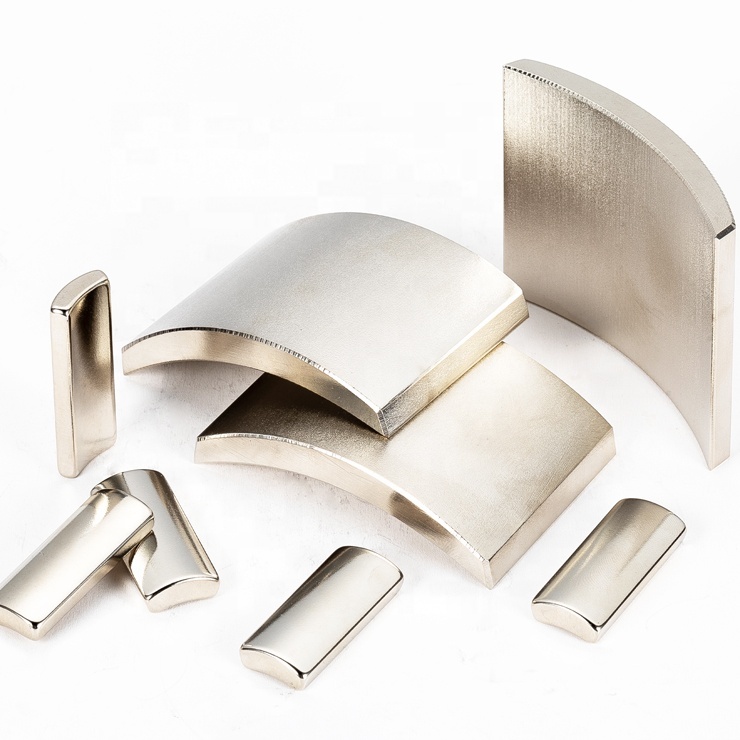
Press tonnage range indicates the size of magnets a company can produce. Larger presses handle bigger magnets and achieve higher density. Small permanent magnet manufacturers with limited press capacity cannot produce large arc segments for wind turbines. Verify the equipment matches your specific requirements.
Furnace technology affects magnet quality. Continuous mesh-belt furnaces suit high-volume production. Vacuum furnaces provide superior atmosphere control for specialty alloys. Ask about the sintering equipment at permanent magnet manufacturers you evaluate. The furnace determines the final magnetic properties.
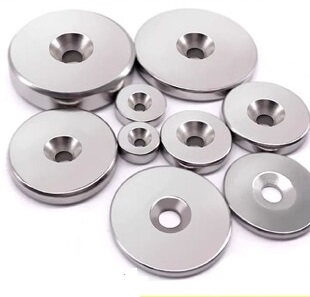
Machining capabilities enable custom shapes and tight tolerances. Some permanent magnet manufacturers outsource grinding and machining. In-house machining provides better quality control and faster turnaround. Ask about their equipment for producing custom geometries.
Magnetizing capability is critical. The magnetizing fixture determines pole patterns and magnetization direction. Custom fixtures are expensive but necessary for specialized applications. Capable permanent magnet manufacturers design and build their own magnetizing equipment.
Testing and inspection equipment ensures consistent quality. Hysteresisgraphs measure full magnetic properties. Helmholtz coils measure magnetic moment. Coordinate measuring machines verify dimensions. Salt spray chambers test coating durability. Ask about the testing capabilities at permanent magnet manufacturers you consider.
Related: Quality Control Challenges Faced by Permanent Magnet Manufacturers
Producing consistent, high-quality magnets requires overcoming several technical challenges. Understanding these challenges helps buyers appreciate why quality varies among magnet manufacturers and what questions to ask during supplier evaluation.
Powder consistency represents the first major challenge. The magnetic powder used in production must have precise particle size distribution. Variations in powder quality affect compaction density and final magnetic properties. Top magnet manufacturers implement strict incoming inspection procedures. They test every powder lot before it enters production. Suppliers who skip this step risk producing magnets with inconsistent strength.
Oxygen control during sintering is critical. Neodymium magnets oxidize rapidly at high temperatures if the furnace atmosphere is not properly controlled. Oxygen contamination reduces magnetic performance and causes surface defects. Quality magnet manufacturers monitor furnace atmosphere continuously. They maintain precise dew point control and gas flow rates throughout the sintering cycle.
Dimensional consistency challenges arise from sintering shrinkage. Magnets shrink 15 to 20 percent during sintering, and the shrinkage is not perfectly uniform. Tooling must compensate for this variation. Experienced magnet manufacturers use statistical process control to track dimensional trends and adjust tooling proactively. Less sophisticated suppliers may rely on post-production sorting to remove out-of-spec parts, which increases waste and cost.
Coating adhesion failures are a common quality issue. Nickel, epoxy, and other coatings must bond tightly to the magnet surface. Poor surface preparation causes peeling and flaking. Reputable magnet manufacturers invest in cleaning processes and adhesion testing. They perform salt spray tests and thermal cycling tests to verify coating durability.
Magnetization consistency requires calibrated equipment. The magnetizing field strength must be precise to achieve full saturation without damaging the magnet. Weak magnetization leaves the magnet below its rated strength. Over-magnetization wastes energy and can damage the magnetizing fixture. Quality permanent magnet manufacturers verify magnetizing equipment regularly and test sample magnets from every production batch.
Related: The Global Landscape of Permanent Magnet Manufacturers
The permanent magnet industry has a distinct geographic distribution. Understanding this landscape helps you navigate sourcing decisions and anticipate supply chain dynamics.
China dominates global production, accounting for over 80 percent of rare earth magnet output. The country’s magnet manufacturers benefit from proximity to raw material sources and decades of government investment in processing infrastructure. Cities like Ningbo, Ganzhou, and Baotou host clusters of specialized producers. These manufacturers offer competitive pricing and massive production capacity. However, quality varies significantly between suppliers, making verification essential.
Japan hosts several premium magnet manufacturers known for technical excellence. Companies here pioneered many advances in neodymium magnet technology. They focus on high-performance applications where quality demands justify premium pricing. Japanese manufacturers often serve automotive and electronics customers requiring exceptional consistency.
Europe maintains a smaller but strategically important magnet industry. European magnet manufacturers serve defense, aerospace, and specialized industrial applications. They emphasize supply chain security and environmental standards. The European Union has announced initiatives to rebuild domestic rare earth processing capacity.
North America has limited magnet production but growing investment. Several magnet manufacturers operate in the United States, primarily serving defense and specialized industrial markets. Recent government policies encourage domestic production to reduce dependence on foreign sources.
For buyers, this geographic diversity offers both opportunities and challenges. Sourcing from multiple regions reduces supply chain risk. However, quality standards and communication practices vary. Professional magnet manufacturers in any region maintain international quality certifications. Building relationships with trusted suppliers across different regions provides flexibility during supply disruptions.
FAQ: Your Permanent Magnet Manufacturers Questions Answered
1. How can I verify the quality of permanent magnet manufacturers before ordering?
Request quality certifications and material test reports. Order sample magnets and test them in your actual application. Visit the facility or arrange a third-party audit. Check references from current customers. Professional magnet manufacturers welcome these verification steps and provide documentation readily.
2. What is the typical lead time from permanent magnet manufacturers?
Standard stock magnets ship within days. Custom magnets without new tooling ship in three to five weeks. New tooling adds six to ten weeks for design and fabrication. Complex multi-pole magnetization requires additional time. Discuss lead times early with magnet manufacturers and include buffer in your schedule.
3. Can permanent magnet manufacturers help with magnet selection and design?
Yes, established permanent magnet manufacturers offer engineering support. They can recommend the optimal material, grade, and geometry for your application. They perform finite element analysis to model magnetic fields. This guidance helps you avoid costly design mistakes. When evaluating suppliers, ask about their engineering capabilities.
Conclusion
Choosing the right permanent magnet manufacturers is a strategic decision that impacts product quality and reliability. By understanding different manufacturer types and verifying certifications, you can identify trustworthy partners. Evaluate their equipment capabilities and quality systems carefully. Professional permanent magnet manufacturers act as engineering partners, providing guidance throughout your product development. Whether you need high-performance neodymium for motors or economical ferrite for consumer goods, the right manufacturer becomes an invaluable extension of your team.
7 Reasons Great Neodymium Arc Magnets Drive Modern Motor Technology