Standard magnets fail fast when heat rises. High temperature resistant neodymium magnets solve that problem. This guide explains how they work and where to use them correctly.
What is High Temperature Resistant Neodymium Magnets
High temperature resistant neodymium magnets are specially engineered rare-earth magnets that maintain their magnetic strength in hot environments where standard neodymium grades would permanently weaken. Normal neodymium magnets start losing performance around 80°C, but these advanced versions are built to survive continuous exposure to much higher temperatures without permanent damage.
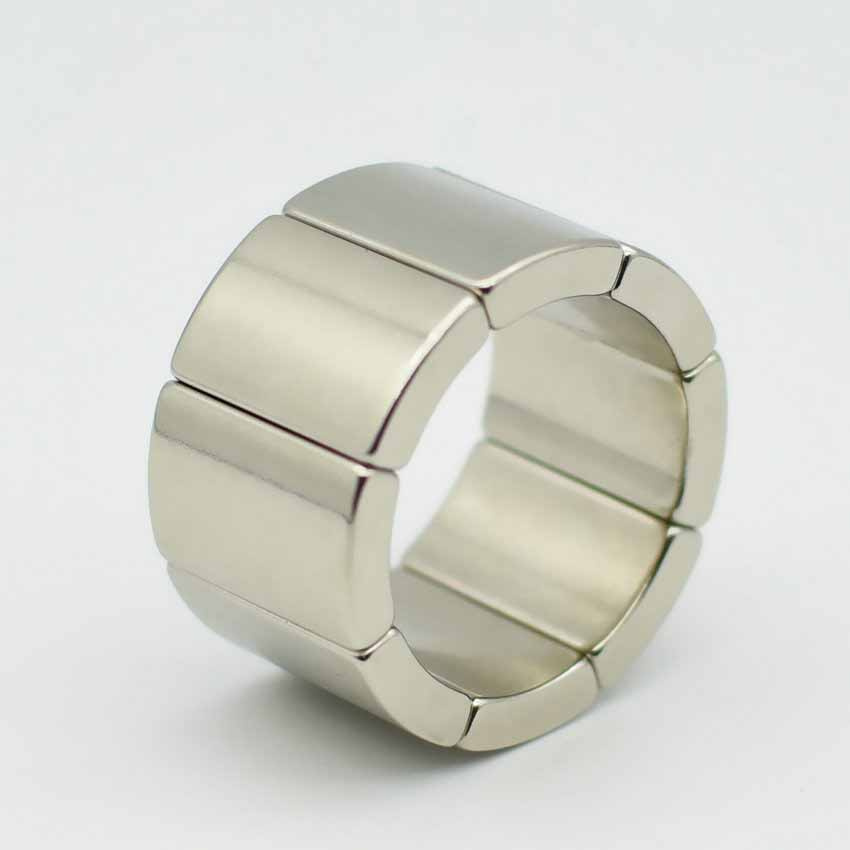
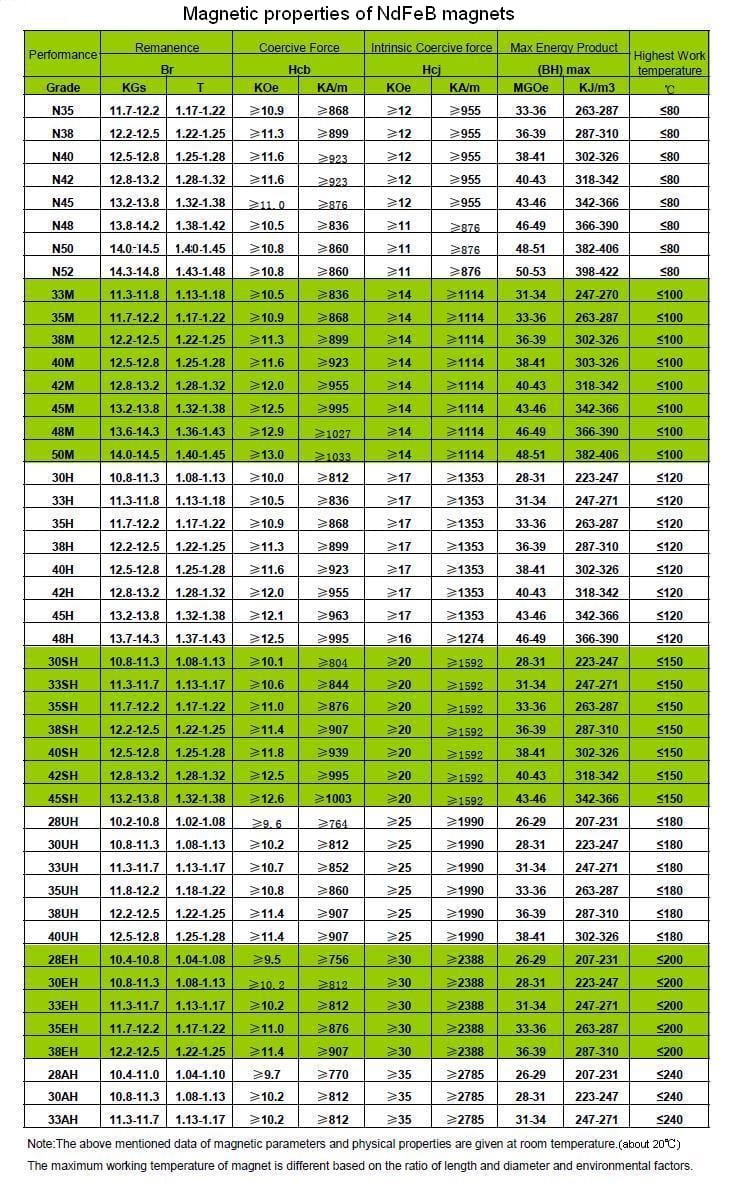
The secret lies in their material composition. Manufacturers add heavy rare-earth elements like dysprosium or terbium to the neodymium-iron-boron alloy during production. This process creates high temperature resistant neodymium magnets with increased coercivity, meaning the material strongly resists becoming demagnetized even when thermal energy tries to randomize its internal magnetic domains. You will see these magnets labeled with letter codes such as H, SH, UH, or EH, each indicating a specific maximum operating temperature.
Why is High Temperature Resistant
The science behind high temperature resistant neodymium magnets comes down to a property called intrinsic coercivity. Every permanent magnet has a point called the Curie temperature where all magnetism vanishes completely. Standard neodymium reaches this around 310°C, but it starts losing meaningful strength far earlier because its coercivity drops as temperature rises.
High temperature resistant neodymium magnets use a modified grain boundary structure. By adding dysprosium or terbium atoms around the main magnetic grains, engineers create a shell that prevents magnetic reversal from spreading. This microstructure upgrade means the magnet stays stable under heat stress. An SH-grade high temperature resistant neodymium magnets operates reliably at 150°C, while EH-grade versions push that limit to 200°C without suffering irreversible flux loss.
Applications
High temperature resistant neodymium magnets appear in countless demanding industries where heat is unavoidable. Electric vehicle traction motors are a prime example. Inside the motor housing, temperatures can soar above 120°C during hard acceleration or fast charging. Standard magnets would degrade quickly, causing power loss and eventual motor failure. Automotive engineers specify high temperature resistant neodymium magnets to ensure the motor delivers consistent torque throughout the vehicle’s lifetime.
Downhole oil drilling equipment relies heavily on high temperature resistant neodymium magnets. Drilling tools operate kilometers underground where geothermal heat pushes temperatures past 180°C. The permanent magnet generators inside these tools must keep working to power sensors and communication devices. Only specialized EH-grade high temperature resistant neodymium magnets can survive these brutal conditions without frequent replacement, saving millions in downtime costs.
Industrial pump motors also need high temperature resistant neodymium magnets. Chemical processing plants and power stations use magnetic drive pumps to move hot liquids without mechanical seals that might leak. The magnets inside these sealed couplings sit right next to fluid pipes carrying substances at temperatures that would quickly ruin standard grades. Medical sterilization equipment presents another critical use. Autoclave sterilizers generate steam heat exceeding 135°C, and any magnetic components inside must hold their properties through repeated heating cycles.
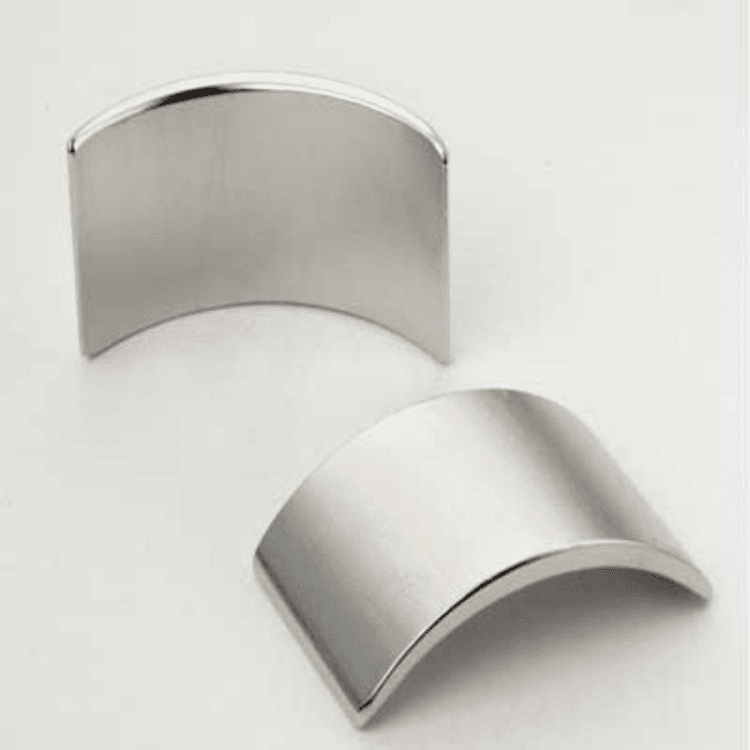
Aerospace actuators represent the extreme end of applications for high temperature resistant neodymium magnets. Flight control surfaces and landing gear systems use magnetic actuators that sit near hot engines or experience friction heating. Reliability here is non-negotiable; a magnet failure in flight is catastrophic. Samarium cobalt is sometimes chosen for the hottest spots, but weight-sensitive designs increasingly push toward high temperature resistant neodymium magnets for their superior power-to-weight ratio.
How to Work on Electric Motors
Electric motors are the biggest users of high temperature resistant neodymium magnets, so understanding how they function inside a motor helps you make smarter design and replacement decisions. In a brushless DC motor or permanent magnet synchronous motor, the magnets sit on the rotor and spin inside a stator wound with copper coils. When electricity flows through the stator windings, it creates a rotating magnetic field that pulls and pushes on the rotor magnets, turning the shaft.

Heat builds up quickly during operation. The copper windings generate resistive heat, eddy currents produce additional heat in the magnets themselves, and friction in the bearings adds more thermal energy. Without high temperature resistant neodymium magnets, this heat gradually demagnetizes the rotor. The motor draws more current trying to maintain the same torque, which creates even more heat, and a destructive cycle begins. Eventually the magnets lose so much flux that the motor stalls or burns out entirely.
Selecting the correct high temperature resistant neodymium magnets for a motor requires knowing both the steady-state operating temperature and any short-term peaks. An industrial servo motor running continuously at 130°C needs at least an SH-grade. If the same motor experiences brief 160°C spikes during overload conditions, you might step up to a UH-grade for a full safety margin. Always consider the entire thermal envelope, not just the average temperature.
Installation also matters greatly. High temperature resistant neodymium magnets in motors are usually bonded into slots or surface-mounted on the rotor lamination stack. The adhesive must match the temperature rating of the magnets. A high-grade magnet secured with low-temperature epoxy will still fail because the bond softens and the magnet shifts. Use a thermally matched adhesive system and consider mechanical retention features like kevlar wrapping or metal sleeves for very high-speed motors.
Regular inspection of high temperature resistant neodymium magnets in electric motors catches early warning signs. Look for discoloration on the magnet surface, which indicates the protective coating has oxidized from heat exposure. Measure the back EMF of the motor periodically if possible. A dropping back EMF value means the magnets are losing strength, and replacement is approaching. Catching this early lets you schedule maintenance instead of suffering an unexpected production line stoppage.
FAQ
1.Can high temperature resistant neodymium magnets fully recover after cooling down?
Recoverable loss and permanent loss are very different things. When high temperature resistant neodymium magnets cool back down, the reversible portion of flux loss does return. However, if the magnet was pushed beyond its maximum operating temperature, some permanent structural damage occurs at the grain level that cooling cannot fix. The magnet will be weaker forever, even if it still looks physically perfect.
2.How do I identify high temperature resistant neodymium magnets by their markings?
Suppliers mark high temperature resistant neodymium magnets with letter codes after the grade number. N35H means it handles 120°C. N42SH goes to 150°C. N38UH reaches 180°C, and N30EH survives 200°C. The number before the letters is the energy product rating. Higher temperature tolerance often means slightly lower room-temperature strength, so an N38UH is a bit weaker cold than an N38 standard grade.
3.Are high temperature resistant neodymium magnets more expensive?
Yes, high temperature resistant neodymium magnets cost significantly more than standard grades. The dysprosium and terbium used to boost coercivity are expensive and scarce heavy rare-earth elements. The price increase varies with market conditions, but expect to pay 30 to 100 percent more depending on the grade. For applications below 80°C, standard neodymium is perfectly adequate and saves money.
Conclusion
High temperature resistant neodymium magnets are not a luxury option; they are a necessity wherever heat threatens magnetic performance. From car motors to deep oil wells, these advanced grades ensure reliable operation when standard magnets would quit. Understanding grade codes, matching adhesives, and monitoring motor health lets you choose the right magnet for the job and keep your equipment running strong through every thermal cycle.
8 Amazing Permanent Magnets Examples That Power Your Daily Life