Introduction
If you need the strongest magnetic force in the smallest possible size, custom neodymium magnets are the answer. They are used across industries — from electronics and medicine to manufacturing and consumer products. This guide covers everything beginners need to know before ordering.
What Are Custom Neodymium Magnets?
Custom neodymium magnets are rare-earth magnets made from an alloy of neodymium, iron, and boron (NdFeB). They are the strongest type of permanent magnet commercially available. When made to order, they can be shaped, coated, and magnetized to match your exact requirements.
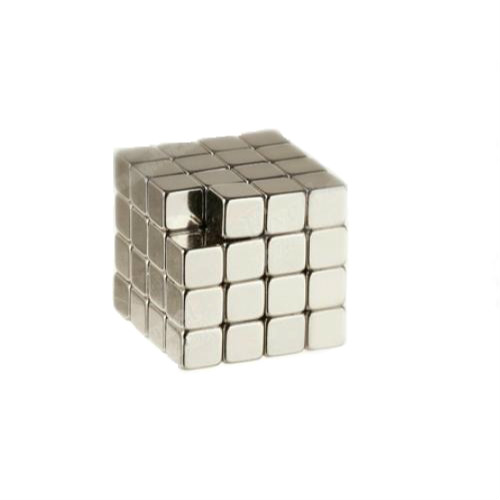
Unlike standard ceramic or ferrite magnets, neodymium magnets produce a much more powerful magnetic field relative to their size. This makes them ideal for applications where space is limited but strong holding force is essential.
The “custom” part means you choose the dimensions, grade, coating, and magnetization direction. Whether you need a tiny disc for an electronic device or a large block for an industrial machine, these magnets can be manufactured to fit your exact specifications.
They are produced through a process called sintering — raw neodymium alloy powder is pressed into a mold, heated, and then machined to final dimensions. The result is a dense, hard magnet with exceptional magnetic performance.
7 Powerful Reasons Permanent Magnets Drive Modern Technology
3 Key Specifications to Understand Before You Order
Getting the specifications right is critical when ordering. Here are the three most important factors to evaluate.
1. Grade (Magnetic Strength) The grade of a neodymium magnet tells you how strong it is. Grades are labeled with “N” followed by a number, such as N35, N42, N52, and so on. The higher the number, the stronger the magnet. N35 is a standard grade suitable for most everyday applications. N52 is the highest commercially available grade and is used in precision engineering and medical devices. For most products in this category, grades between N42 and N48 offer the best balance of strength and cost.
2. Coating and Corrosion Resistance Neodymium alloy is highly prone to rusting when exposed to moisture or air. This is why every magnet of this type requires a protective coating. The most common option is nickel-copper-nickel (Ni-Cu-Ni), which gives a shiny silver finish and strong corrosion resistance. Other coatings include zinc (more affordable, slightly less durable), epoxy (best for wet or outdoor environments), and gold (used in medical or decorative applications). Always match the coating to the environment where the magnet will be used.
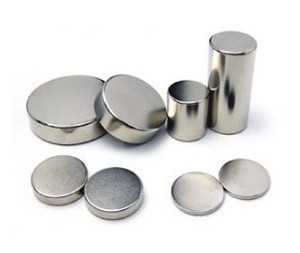
3. Shape and Magnetization Direction Custom neodymium magnets are available in virtually any shape: discs, rings, blocks, cylinders, spheres, arc segments, and irregular custom forms. Beyond shape, the magnetization direction matters greatly. Axial magnetization means the poles are on the flat faces. Diametric magnetization means the poles run across the diameter. The wrong magnetization direction can make a magnet useless for its intended purpose, so always specify this clearly when ordering.
Top Industries That Rely on Custom Neodymium Magnets
Understanding where these magnets are used helps clarify why precision customization is so important.
Electronics and Consumer Devices Neodymium magnets are found inside hard drives, headphones, loudspeakers, microphones, and smartphone vibration motors. The tiny size and extreme strength make them irreplaceable in compact electronics. Custom dimensions ensure a perfect fit inside tightly engineered housings.
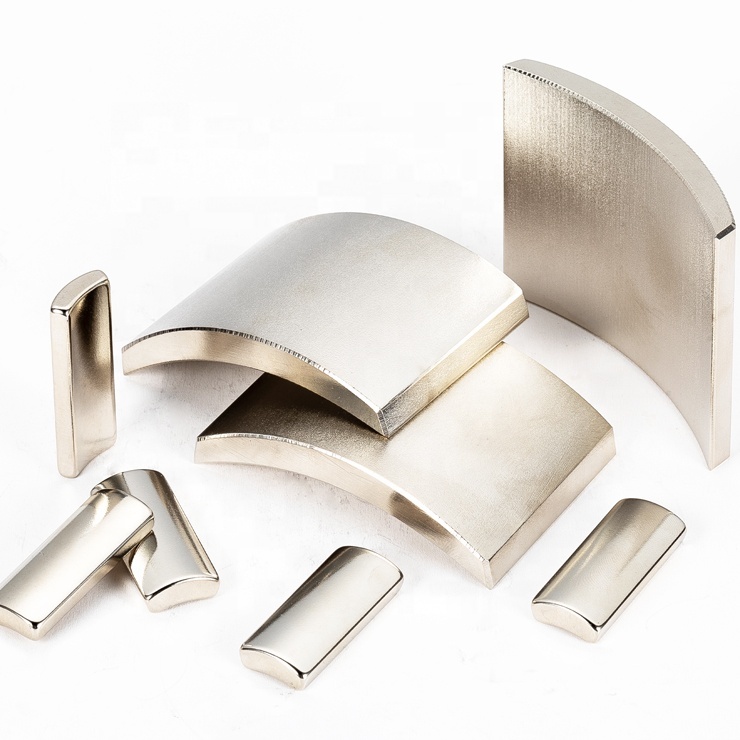
Electric Motors and Generators High-performance electric motors — including those in electric vehicles (EVs) and wind turbines — use neodymium magnets to achieve maximum efficiency. Custom arc-shaped magnets are commonly used in motor rotors. The stronger the magnet, the more torque a motor can produce at lower energy consumption.
Medical Equipment MRI machines, surgical tools, and implantable devices rely on custom neodymium magnets. Medical-grade custom neodymium magnets must meet extremely tight tolerances and are often gold- or epoxy-coated to ensure biocompatibility and rust resistance.
Industrial Holding and Lifting Factories use magnetic chucks, clamping systems, and magnetic sweepers built with high-grade custom neodymium magnets. A single well-designed custom magnet assembly can hold hundreds of kilograms. This replaces mechanical fasteners and speeds up production.
DIY, Crafts, and Hobby Projects Makers, hobbyists, and artists use neodymium magnets for closures, mounts, magnetic jewelry, levitation displays, and science experiments. Small custom disc or block magnets are very popular in this space because of their strong pull in a compact form.
How to Choose the Right Custom Neodymium Magnets for Your Project
Choosing the right magnet comes down to four practical steps.
Step 1 — Define the Required Pull Force Pull force is measured in kilograms or pounds and tells you how much weight a magnet can hold against a flat steel surface. Always choose a magnet with a pull force at least 20–30% higher than your actual load, because real-world conditions (air gaps, angled contact, surface texture) always reduce effective holding force.
Step 2 — Choose the Right Size and Shape Larger magnets are not always stronger per unit area. A well-chosen grade and shape often outperforms a physically bigger but lower-grade magnet. Disc magnets are the most versatile. Block magnets offer better directional pull. Ring magnets are used when a bolt or rod needs to pass through the center.
Step 3 — Select the Appropriate Coating Match the coating to your environment. Indoor, dry applications can use standard nickel coating. Outdoor or wet environments require epoxy or zinc. High-temperature applications need special high-temperature grades (marked with an “H”, “SH”, or “UH” suffix, such as N42H or N48SH).
Step 4 — Work with a Trusted Supplier Quality control is everything with neodymium magnets. A reliable supplier provides consistent grade ratings, accurate dimensions, and proper documentation. At nbtechmagnet.com, custom neodymium magnets are manufactured to tight tolerances with full coating options and flexible minimum order quantities. Always request samples before committing to a large order.
7 facts of Strong Magnets You Need to Know
Frequently Asked Questions
Q1: Are custom neodymium magnets safe to handle?
They can be dangerous if handled carelessly. Strong neodymium magnets can snap together with tremendous force and pinch skin severely. Large magnets can shatter on impact, sending sharp fragments flying. Always handle them with gloves, keep them away from pacemakers and electronic devices, and store them with spacer materials between pieces. Smaller ones used in crafts or electronics are much safer, but basic caution still applies.
Q2: Can custom neodymium magnets lose their magnetism over time?
Yes, but very slowly under normal conditions. Neodymium magnets have a Curie temperature — the point at which they permanently lose magnetism. For standard grades, this is around 80°C (176°F). Exposure to temperatures above this threshold, strong opposing magnetic fields, or physical shock can cause demagnetization. High-temperature grades extend this limit significantly. Under normal room-temperature use, these magnets retain over 99% of their magnetic strength for decades.
Q3: What is the minimum order quantity for custom neodymium magnets?
This depends on the supplier and the complexity of the shape. Simple disc or block magnets often have very low minimums — sometimes as few as 10 to 50 pieces. Complex custom shapes with tight tolerances may require larger runs of 500 pieces or more due to tooling costs. At nbtechmagnet.com, the team works with both small and large orders, making it easy for individuals, startups, and large manufacturers to source custom neodymium magnets efficiently.
Conclusion
From tiny electronics to powerful industrial machines, custom neodymium magnets play a critical role in modern technology and everyday products. Their unmatched strength-to-size ratio, combined with the ability to customize grade, shape, coating, and magnetization direction, makes them the go-to choice for engineers, designers, and makers alike.
Before placing an order, always define your required pull force, choose the correct grade, and select a coating suited to your environment. Working with an experienced supplier ensures you receive consistent quality and accurate specifications every time.
Whether you are building a prototype, scaling up production, or working on a personal project, the right magnets for your application can make all the difference. Visit nbtechmagnet.com today to get a quote and find the perfect magnet solution for your needs.