Introduction
If you want a fast, damage-free way to mount and organize things, adhesive magnets are the answer. They combine the holding power of a magnet with the convenience of a peel-and-stick backing — no drilling, no screws, no mess.
What Are Adhesive Magnets?
Adhesive magnets are magnets that come with a pressure-sensitive sticky backing, usually made from a strong acrylic or foam adhesive. You simply peel off the protective liner and press the magnet onto a clean, flat surface. They bond to most materials, including wood, plastic, metal, glass, and ceramic tile.
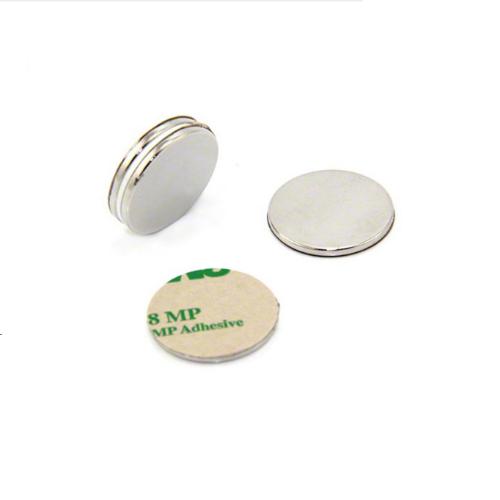
Adhesive magnets are available in two main forms: flexible magnetic sheets with adhesive backing, and rigid magnets (such as neodymium discs or blocks) with a pre-applied adhesive layer. Flexible versions are easy to cut to size, while rigid ones deliver more holding force in a smaller footprint.
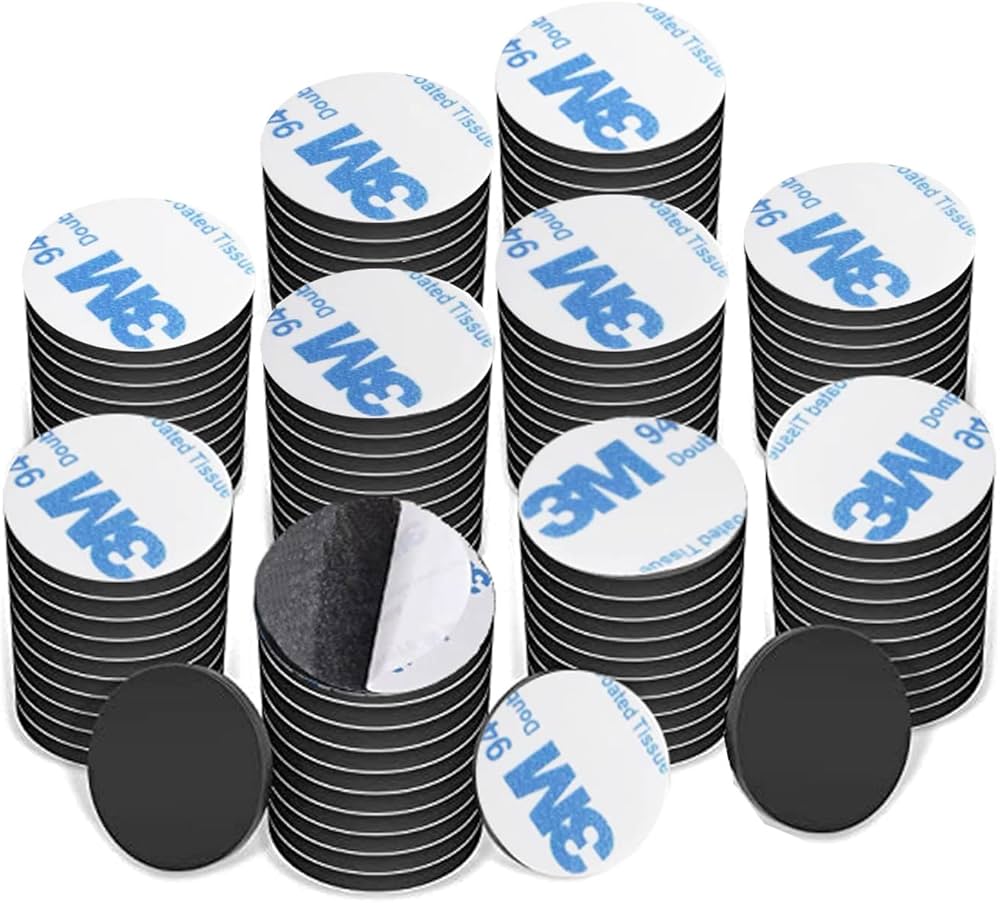
These handy fasteners are popular in homes, offices, classrooms, and retail displays because they mount in seconds and leave no permanent damage when removed carefully.
3 Key Specifications of Adhesive Magnets
Knowing the right specs helps you pick the correct product for your project. Here are the three most important:
1. Adhesive Strength
The adhesive layer must be strong enough to keep the magnet fixed to its surface under load. Most quality products use 3M or equivalent industrial-grade tape rated for several pounds per square inch. Always check the adhesive rating alongside the magnetic pull force — a magnet is only as reliable as the tape holding it in place.
2. Magnetic Pull Force
Pull force is the amount of weight the magnet can hold against a ferrous (iron or steel) surface. Flexible magnetic sheet products typically offer a light pull force of 0.5–2 lbs, while small neodymium adhesive discs can hold 5–20 lbs depending on their grade and diameter. Match the pull force to the weight of the item you need to hold.
3. Temperature Resistance
The adhesive backing and the magnet material both have temperature limits. Standard acrylic adhesives perform well between 32°F and 180°F (0°C–82°C). Neodymium magnets begin to lose magnetism above 176°F (80°C). Avoid using these products near ovens, car dashboards in direct sun, or outdoor environments with extreme heat.
Types of Adhesive Magnets
Several varieties are available, each suited to different tasks. Here is a quick overview:
| Type | Form Factor | Pull Force | Best For |
|---|---|---|---|
| Flexible Magnetic Sheet | Thin, rollable sheet | Low (0.5–2 lbs) | Crafts, signage, memo boards |
| Neodymium Disc with Adhesive | Small rigid disc | High (5–20 lbs) | Tool holders, cable management |
| Magnetic Tape | Narrow roll | Low–Medium | Labeling, strip mounting |
| Rubber-Coated Adhesive Magnet | Flexible rubber block | Medium (2–6 lbs) | Whiteboards, retail displays |
| Pot Magnet with Adhesive Base | Thick steel-cupped disc | Very High (10–30 lbs) | Heavy hooks, industrial panels |
Flexible magnetic sheets and tape are the most beginner-friendly options because they are easy to cut and reposition. Neodymium discs and pot magnets are better when you need a firm, long-lasting hold for heavier objects.
Applications of Adhesive Magnets
These versatile fasteners solve a surprising number of everyday problems. Here are the most popular uses:
Home Organization
Mount a few inside cabinet doors to hold small metal items like scissors, tweezers, or nail clippers. Attach them to the side of a refrigerator to create a hidden knife strip or spice rack. They are also great for keeping remote controls and TV remotes in a fixed spot on a wall or nightstand.
Office and Classroom
Teachers and office workers use these sticky magnetic fasteners to attach papers and lightweight boards to non-magnetic walls, doors, and lockers. They are ideal for creating a makeshift magnetic whiteboard surface on any painted wall without installing hardware.
Crafts and DIY Projects
Crafters rely on these peel-and-stick fasteners to add magnetic closures to handmade cards, gift boxes, photo frames, and fabric pouches. Because they come in small sizes and are easy to cut, they fit neatly inside thin materials without adding bulk.
Retail and Trade Show Displays
Retailers and exhibitors use peel-and-stick magnetic discs to attach lightweight signage, product labels, and display panels. Magnetic mounting makes it easy to swap content in and out quickly without tape residue or pin holes.
Cable and Wire Management
Small neodymium discs with adhesive backs are perfect for routing and organizing charging cables on desks, nightstands, and entertainment units. Stick one to the edge of a desk and let a cable clip snap on and off as needed.
Automotive and Workshop
In workshops and garages, these magnets hold metal parts, small tools, and instruction sheets to steel surfaces. Some mechanics stick them to the inside of car door panels to route wiring harnesses cleanly.
FAQ
Q1: Do adhesive magnets work on all surfaces?
They bond well to smooth, clean, and dry surfaces such as painted walls, glass, plastic, wood, and metal. Rough, porous, or oily surfaces reduce adhesion significantly. For best results, wipe the surface with isopropyl alcohol before applying and press firmly for 30 seconds.
Q2: Can adhesive magnets be removed without damaging walls?
Most can be removed cleanly from painted walls if you pull slowly at a low angle and use a little heat from a hair dryer to soften the adhesive first. However, very high-pull versions or magnets left in place for years may pull off paint. Always test on a small hidden area first.
Q3: Are adhesive magnets safe to use around electronics?
Keep them away from items sensitive to magnetic fields, such as hard drives, credit cards, hearing aids, and older CRT monitors. For general use around modern smartphones and laptops, a small flexible or low-strength magnet poses minimal risk, but it is still best to maintain at least a 2-inch clearance.
Conclusion
From home organization to creative crafts and professional displays, adhesive magnets offer a simple, tool-free way to mount, hold, and organize almost anything. Understanding pull force, adhesive strength, and temperature limits helps you choose the right product every time.
Whether you are a first-time buyer or a seasoned DIY enthusiast, there is a size and style to suit every project. Start with a small pack, test them on your surfaces, and discover just how useful these compact fasteners can be.