Introduction
Neodymium magnets are among the strongest permanent magnets available today. They are widely used in motors, speakers, medical devices, electronics, industrial equipment, and many other applications. However, choosing the right magnet can be difficult for beginners because there are many sizes, grades, coatings, and shapes available. Selecting the wrong magnet may lead to poor performance, safety problems, or unnecessary costs. This guide explains how to choose neodymium magnets step by step. By understanding the key factors, you can select the most suitable magnet for your project or business needs with confidence.
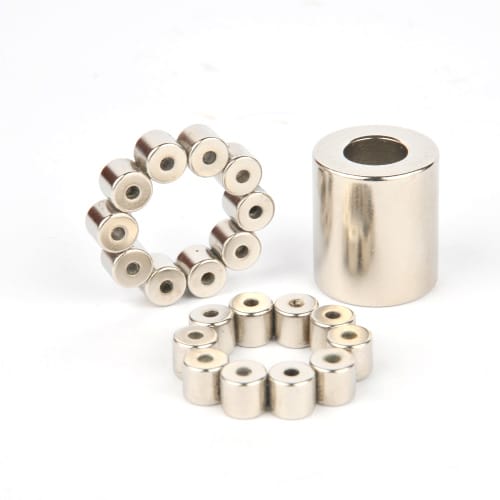
How to choose neodymium magnets?
Step 1: Understand Your Application
The first step in choosing neodymium magnets is identifying where and how the magnet will be used. Different applications require different magnetic strengths, sizes, and coatings. For example, industrial machinery may need high-strength magnets, while small electronic products may require compact magnets with precise dimensions.
Think about these questions:
- What object will the magnet hold or attract?
- Will the magnet be used indoors or outdoors?
- Does the magnet need to resist moisture or heat?
- Is strong holding force important?
Understanding your application helps narrow down the best magnet type.
Step 2: Choose the Correct Magnet Shape
Neodymium magnets are available in many shapes. The most common shapes include:
- Disc magnets
- Ring magnets
- Block magnets
- Arc magnets
- Countersunk magnets
- Pot magnets
Each shape has a different purpose. Ring magnets are often used in motors and speakers, while block magnets are common in industrial equipment. Pot magnets provide stronger holding force because they use a steel cup to focus magnetic power.
Selecting the proper shape improves efficiency and performance.

Step 3: Select the Right Magnet Grade
Neodymium magnets come in different grades such as N35, N42, N52, and more. The grade indicates the magnet’s strength. Higher numbers mean stronger magnetic force.
For example:
- N35: Standard magnetic strength
- N42: Stronger performance for industrial use
- N52: Very high magnetic strength
However, stronger magnets are usually more expensive. You should choose a grade based on your actual needs instead of simply selecting the strongest option.
Step 4: Consider the Operating Temperature
Temperature is an important factor when choosing neodymium magnets. Standard neodymium magnets can lose magnetic strength when exposed to high temperatures.
Different temperature ratings include:
- Standard magnets: up to 80°C
- H grade: up to 120°C
- SH grade: up to 150°C
- UH grade: up to 180°C
If your application involves motors, machinery, or outdoor environments, make sure the magnet can handle the required temperature range.
Step 5: Check the Coating Type
Neodymium magnets can corrode if exposed to moisture or chemicals. Protective coatings help improve durability and lifespan.
Common coatings include:
- Nickel coating: Most common and cost-effective
- Zinc coating: Basic corrosion resistance
- Epoxy coating: Better for humid environments
- Rubber coating: Protects surfaces from scratches
Choose a coating based on the working environment and appearance requirements.
Step 6: Determine the Required Pull Force
Pull force refers to the maximum weight a magnet can hold under ideal conditions. Many buyers select magnets that are too weak for their applications.
Consider factors such as:
- Weight of the object
- Surface material
- Air gaps
- Mounting position
It is usually better to choose a slightly stronger magnet for safety and reliability.
Step 7: Work with a Reliable Manufacturer
A professional magnet supplier can help you choose the right specifications and ensure stable product quality. Reliable manufacturers usually provide:
- Strict quality control
- Fast delivery
- Custom magnet solutions
- Technical support
- Competitive pricing
Working with an experienced factory reduces risks and helps ensure long-term business success.
Notices of how to choose neodymium magnets
- Neodymium magnets are very strong and should be handled carefully to avoid finger injuries.
- Keep magnets away from electronic devices such as phones, computers, and credit cards.
- Magnets are brittle and may crack if they collide with each other.
- Always store magnets safely with spacers between them.
- Children should not handle strong magnets without adult supervision.
- Avoid using standard neodymium magnets in extremely high-temperature environments unless they are specially designed for heat resistance.
Following these precautions helps improve safety and extends magnet lifespan.
FAQ
1. What is the strongest grade of neodymium magnet?
N52 is one of the strongest commercial neodymium magnet grades available today. It provides very high magnetic force and is commonly used in industrial and high-performance applications.
2. Can neodymium magnets be used outdoors?
Yes, but outdoor use requires proper protective coatings such as epoxy or rubber coating to prevent corrosion caused by moisture and weather exposure.
3. How long do neodymium magnets last?
Neodymium magnets can maintain their magnetic strength for many years if they are used under proper conditions. Most magnets lose very little strength over time when protected from heat, corrosion, and physical damage.
Conclusion
Learning how to choose neodymium magnets is important for achieving the best performance, safety, and value. By understanding the application, selecting the right shape, grade, coating, and temperature resistance, buyers can avoid common mistakes and choose the most suitable magnet for their needs. It is also important to work with a trusted manufacturer that provides high-quality products and professional support. Whether you need magnets for industrial equipment, electronics, or custom projects, choosing the right neodymium magnet will help ensure reliable and long-lasting performance.
Buy Neodymium Magnets in Bulk:A Professional B2B Purchasing Guide