Hanging things on metal surfaces usually means drilling or trusting adhesive strips that fail. Super strong magnet hooks offer a third option that installs in seconds and removes without a trace. This guide explains how they work, what they hold, and where they fall short.
What Are Super Strong Magnet Hooks
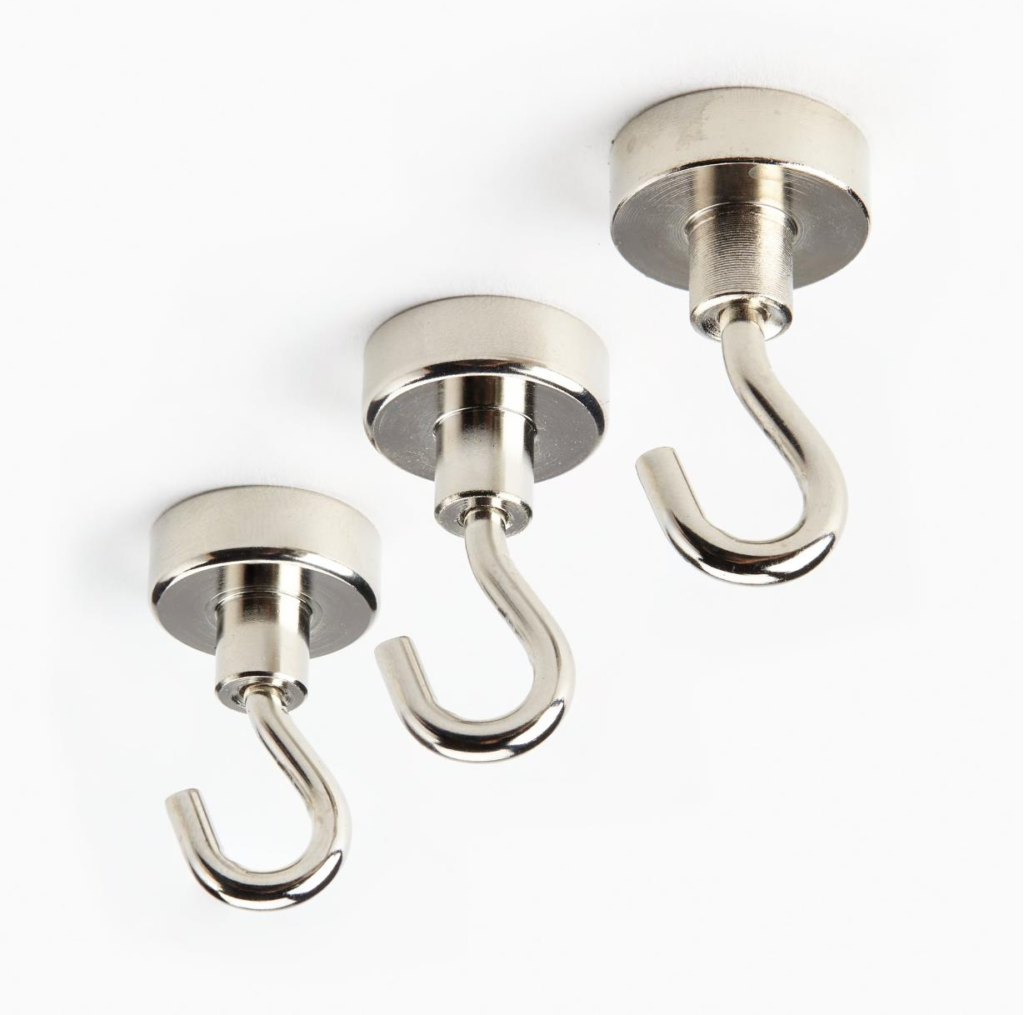
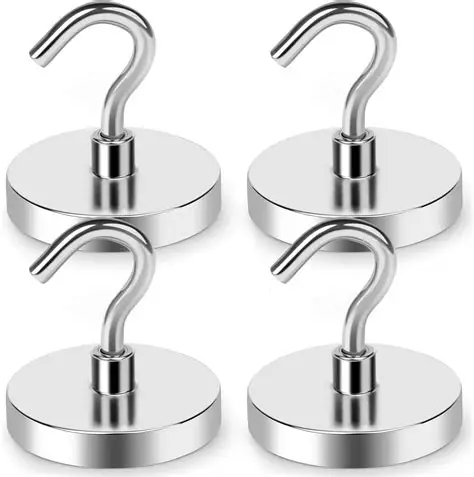
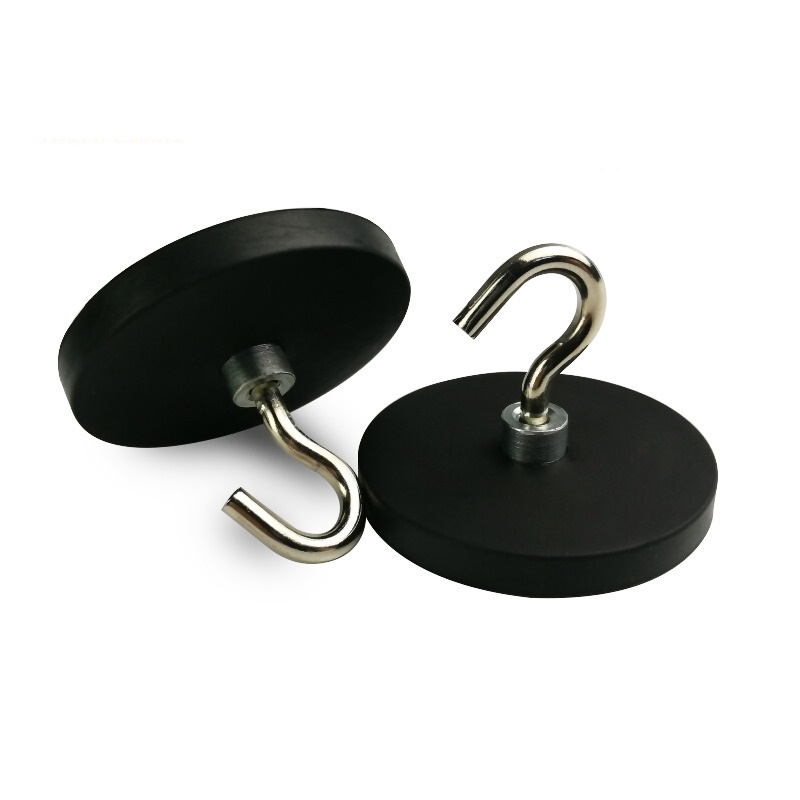
Super strong magnet hooks are hanging devices that combine a powerful permanent magnet base with a curved hook. The magnet base grips steel surfaces like refrigerators, filing cabinets, shelving units, and steel doors. The hook provides a point for hanging keys, tools, bags, and just about anything with a loop or handle.
The magnet inside is almost always neodymium, the strongest permanent magnet material available. It sits inside a steel shell or pot that redirects the magnetic field onto the base. That design roughly doubles the holding force compared to a bare magnet of the same size. The hook itself is usually stainless steel, zinc alloy, or durable plastic. The result is a compact tool that holds more weight than its size suggests.
How Holding Capacity Actually Works
The number on the product listing describes a laboratory condition, not your kitchen. Understanding what reduces that rating prevents most disappointment.
Pull force is measured straight away from the surface with the magnet sitting flat against thick, clean steel. In real use, the load usually pulls sideways, which is called shear force. Magnets resist shear better than pull in most configurations, which works in your favor.
What works against you is the air gap. Paint, powder coating, rust, dirt, and even a thin layer of grease create distance between the magnet and the steel. Magnetic force drops sharply with distance. A hook rated for 20 pounds might hold only 8 pounds on a painted refrigerator door.
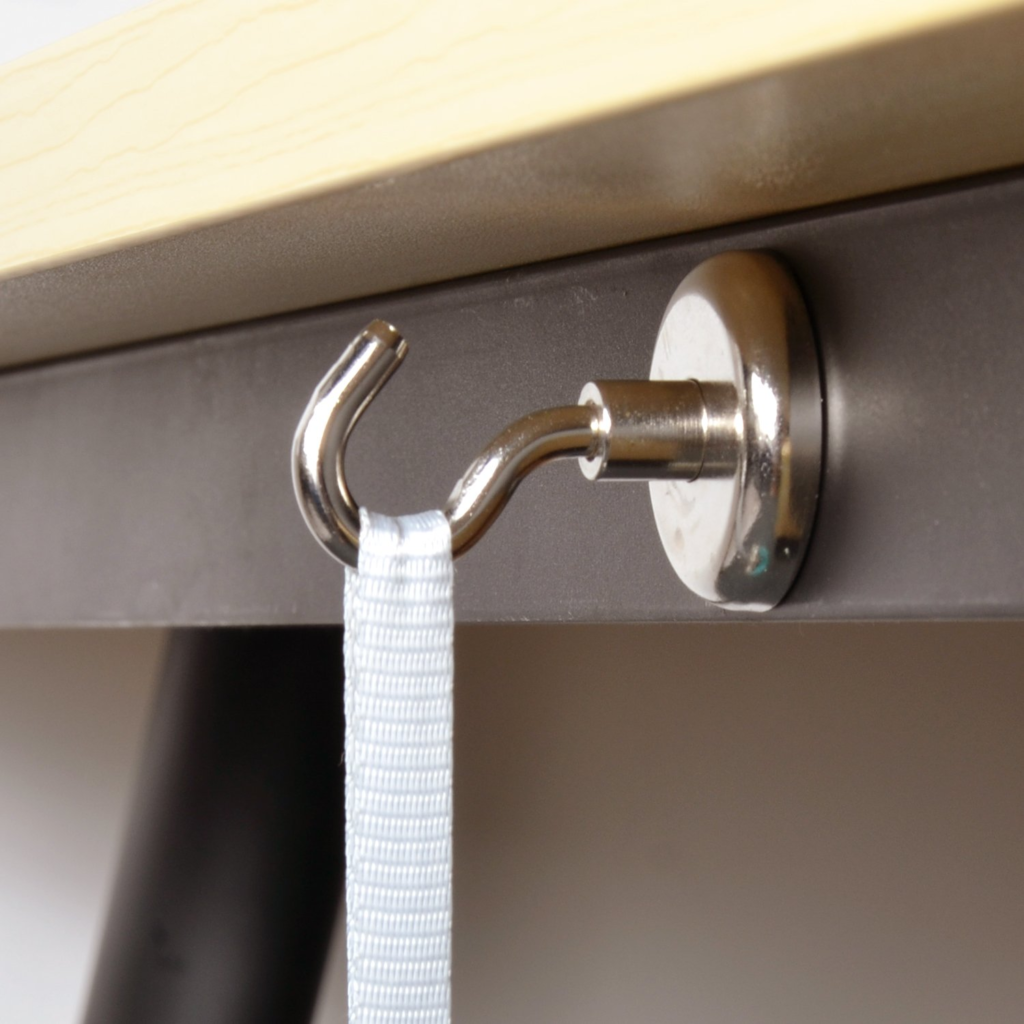
The super strong magnet hooks also create a lever effect. Because the load hangs away from the magnet base, it applies a torque that tries to peel the base off the surface. This is why super strong magnet hooks typically hold less usable weight than a pot magnet of the same diameter.
A practical rule is to divide the rated capacity by three, then subtract more for painted or thin surfaces. That gives you a realistic working limit.
Choosing the Right Hook Design
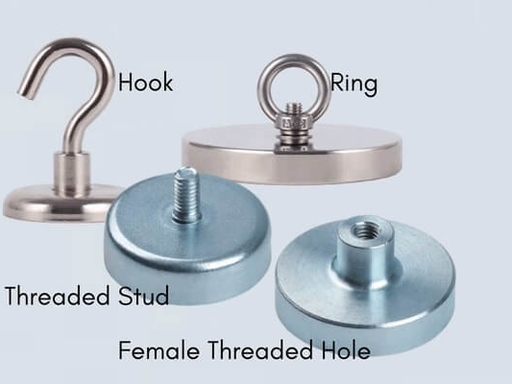
Super strong magnet Hooks come in several configurations, and the right one depends on what you are hanging.
Standard J-hooks have a curved throat that holds items securely. The super strong magnet hooks work well for keys, lanyards, small tools, and items with a handle. The deep throat prevents objects from slipping off during movement.
Swivel hooks rotate independently of the magnetic base. This lets hung items face any direction regardless of how the base sits. The super strong magnet hooks are useful on vertical surfaces where you want the hook to hang straight down.
Carabiner-style hooks have a spring-loaded gate that clips closed. This provides security in vehicles, boats, or workshops where items might bounce loose. They cost more but prevent accidental drops.
Heavy-duty industrial hooks use larger magnet bases and reinforced hooks rated for 50 pounds or more. These mount on structural steel beams for temporary lighting, cable runs, and tool tethers. They are not intended for household use.

Where Super Strong Magnet Hooks Work Best
Matching the hook to the surface matters as much as matching it to the load.
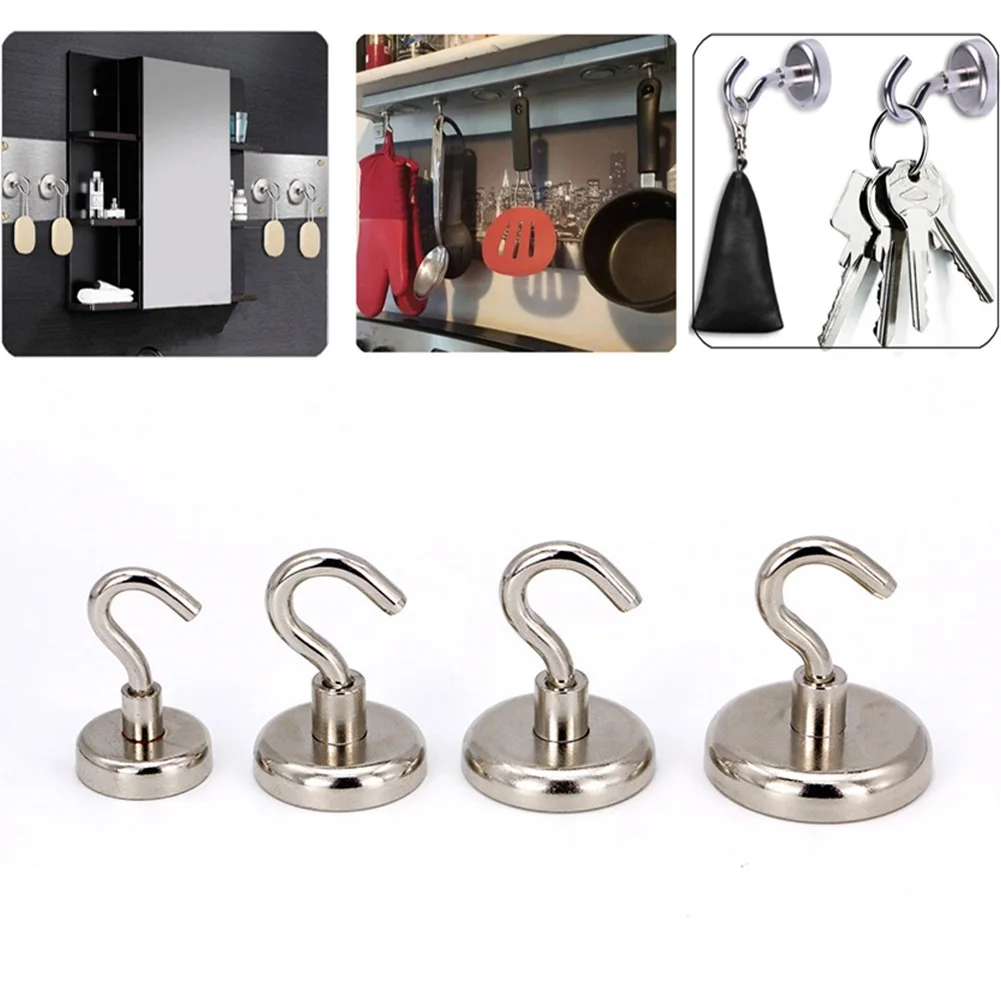
Steel refrigerators and freezers are the classic application. The side panel is usually bare steel, which gives excellent magnetic contact. Hooks hold pot holders, oven mitts, dish towels, and small organizers without drilling into the appliance.
Filing cabinets and metal desks work well in offices. Hooks hold lanyards, headphones, bags, and cable organizers. The flat steel surface provides solid contact.
Workshop cabinets and shelving units benefit from heavy-duty versions. Hooks hold extension cords, wrenches, safety glasses, and spray bottles. The ability to reposition them as projects change makes them far more flexible than permanent anchors.
Steel doors and door frames accept hooks for seasonal decorations, wreaths, and lightweight organizers. Check that the door is actually steel and not aluminum or fiberglass with a steel-look finish.
Garage and utility areas use hooks on metal shelving, tool cabinets, and steel beams. These hold brooms, hoses, and folded lawn chairs.
How Temperature and Humidity Affect Super Strong Magnet Hooks
Indoor kitchens and offices usually treat these hooks well. Garages, bathrooms, and outdoor areas introduce conditions that quietly weaken super strong magnet hooks. Temperature and humidity are the two main culprits.
Heat is the more serious problem. Standard neodymium magnets begin losing strength above 80 degrees Celsius, and performance starts to decline well before that point. In a garage that reaches 45 degrees Celsius in summer, a hook that held fine in winter may creep and slide under the same load. Worse, if the magnet ever exceeds its rated maximum, the loss becomes permanent. Dark metal surfaces in direct sunlight can get hot enough to cause this. If the mounting area gets warm, choose a hook with a high-temperature magnet grade.
Cold is less damaging to the magnet itself. Neodymium actually gains a small amount of strength at low temperatures. The problem is the adhesive and the coating. Acrylic adhesive used on backing plates can become brittle in freezing conditions and lose grip. If you are using adhesive-backed steel plates in an unheated space, check the adhesive’s temperature rating before installing.
Humidity attacks the coating rather than the magnet body. Nickel plating has microscopic pores, and moisture can work through over time. Once corrosion starts, it spreads under the plating and lifts it off. Epoxy and rubber coatings resist moisture far better and are the right choice for bathrooms, kitchens, boats, and coastal areas. A desiccant pack in storage helps keep spare hooks dry.
Temperature swings are the real long-term threat. Repeated expansion and contraction stress both the coating and any adhesive bond. A hook that holds perfectly for a year may fail after two winters. For outdoor or semi-outdoor use, choose hooks with sealed bases and mechanical fastening rather than adhesive alone.
How to Test Super Strong Magnet Hooks Before Trusting Them
Buying super strong magnet hooks based on a catalog rating is risky. The number on the listing describes a laboratory condition that rarely matches your refrigerator door or workshop cabinet. Testing before you commit is the only reliable way to know what a hook will actually do.
Start with a load test on the real surface. Mount the hook exactly where you plan to use it. Then add weight gradually rather than jumping straight to the target load. A plastic bucket and measured amounts of water work well because you can increase weight in small increments. Watch for two things: does the hook slide, and does it release? Sliding usually happens first, especially on painted surfaces.
Test in the worst conditions you expect. If the garage gets hot in summer, test in the afternoon heat. If the bathroom is steamy, run the shower first. Hooks that pass a cool, dry test can fail under real conditions, particularly on painted surfaces where the coating softens slightly with temperature.
Time matters as much as weight. A hook may hold a load for an hour and then creep over a full day. Leave the test load hanging overnight and check it in the morning. If it has shifted even a few millimeters, the setup has no margin and should be upgraded to a larger hook or a different mounting location.
Test the removal side too. You need to be able to take the hook down without damaging the surface or hurting your fingers. If removal requires serious force, add a pull tab or step down to a lower-strength hook. A hook you cannot safely remove is a hook you will eventually damage something trying to move.
Where Super Strong Magnet Hooks Do Not Work
Several surfaces will not hold a magnetic hook at all, and knowing these saves frustration.
Aluminum, stainless steel appliances with austenitic alloys, fiberglass, wood, drywall, glass, and plastic are all non-magnetic. A refrigerator magnet test tells you immediately whether a surface will work. If a standard magnet does not stick, a super strong magnet hook will not either.
Thin sheet metal is another limitation. A hook may stick, but the metal itself may flex or deform under load. This is common on cheap metal cabinets and thin shelving.
Curved surfaces reduce contact area. A hook on a pipe or rounded frame may only touch along a narrow line, which cuts holding force dramatically.
Installation and Removal Tips
A few habits make these super strong magnet hooks last longer and hold better.
Clean both surfaces before mounting. Dust, grease, and moisture all create gaps. Wipe the magnet base and the steel surface with a clean cloth.
Place the hook gently rather than letting it snap into position. Neodymium magnets attract with speed and force, and letting them slam can chip the coating or scratch the surface.
Do not slide the hook to reposition it. Sliding traps grit underneath and causes fine scratches. Lift it, move it, and set it down again.
Remove by sliding sideways, not by pulling straight off. Once part of the base extends past the edge of the steel, the holding force drops and the hook comes free easily. A plastic wedge or putty knife helps if the magnet is very strong.
Check the load after the first few hours. If the hook has shifted or tilted, reduce the weight or move it to a better surface.
FAQ: Your Super Strong Magnet Hooks Questions Answered
1. How much weight can a super strong magnet hook actually hold?
Realistic capacity is roughly one-third of the rated pull force on a clean, flat, unpainted steel surface. Painted surfaces, thin metal, and outward-pulling loads reduce this further. If a hook is rated for 30 pounds, treat 10 pounds as a safe working load for everyday use.
2. Will super strong magnet hooks scratch my refrigerator?
They can if you slide them across the surface. Clean both surfaces first, place the hook down gently, and lift rather than slide when repositioning. Adding a thin felt pad to the base protects the finish with minimal effect on holding power.
3. Can I use super strong magnet hooks outdoors?
Yes, with the right materials. Choose hooks with stainless steel components and a sealed or coated magnet base. Standard nickel plating can corrode in outdoor conditions, and the magnetic strength may drop in extreme heat or cold.
Conclusion
Super strong magnet hooks solve a real problem for anyone who wants to hang things without drilling holes. They work best on clean, flat, unpainted steel, and they hold less than the catalog rating suggests. Match the hook design to the item, keep loads within a realistic limit, and handle them gently to protect both the hook and the surface. Used with those habits in mind, they become one of the most convenient organizing tools in the house or workshop.
How to Understand Neodymium Magnet Properties Before You Buy Great Magnets?