Finding the right supplier for powerful magnets can feel overwhelming with so many options worldwide. Rare earth magnet manufacturers vary significantly in quality, capability, and reliability. This guide helps you identify trustworthy partners for your magnetic component needs.
What is Rare Earth Magnet Manufacturers
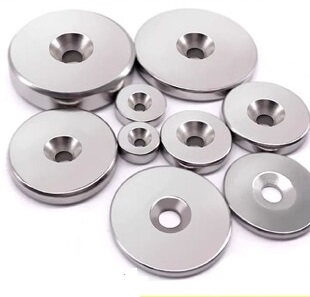
Rare earth magnet manufacturers are industrial companies that produce permanent magnets from rare earth elements. The two main product families are neodymium magnets and samarium cobalt magnets. These manufacturers transform raw rare earth materials into powerful magnetic components through powder metallurgy processes.
The production cycle includes alloy preparation, powder processing, pressing, sintering, machining, coating, and magnetization. A full-service operation handles every stage in-house. Magnet manufacturers serve industries including automotive, electronics, medical devices, renewable energy, and aerospace. The best companies invest in advanced equipment, quality systems, and engineering support. They provide material certifications and maintain rigorous testing standards. When evaluating magnet manufacturers, understanding their capabilities and quality commitment is essential.
Geographic Distribution of Rare Earth Magnet Manufacturers
The global landscape of magnet manufacturers has a distinct geographic pattern. Understanding where production concentrates helps you make strategic sourcing decisions.
China dominates the industry, hosting the majority of global magnet manufacturers. The country’s dominance stems from its control of rare earth mining and processing. Major manufacturing clusters exist in Ningbo, Ganzhou, and Beijing. Chinese rare earth magnet manufacturers offer competitive pricing and massive production capacity. However, quality levels vary significantly between suppliers, making verification essential.
Japan hosts premium magnet manufacturers known for technical excellence. Japanese companies pioneered many advances in neodymium magnet technology. They focus on high-performance applications where consistency matters more than cost. Automotive and electronics customers often choose Japanese suppliers for critical components.
Europe maintains a smaller but strategically important magnet industry. European magnet manufacturers serve defense, aerospace, and specialized industrial markets. The European Union actively supports domestic production to reduce import dependence. These manufacturers emphasize environmental compliance and supply chain security.
North America has limited but growing production capacity. United States magnet manufacturers primarily serve defense and specialized applications. Government initiatives aim to expand domestic capacity. Pentagon programs fund new production facilities to reduce reliance on foreign sources.
For buyers, geographic diversification reduces supply chain risk. Working with magnet manufacturers across multiple regions provides flexibility during disruptions.
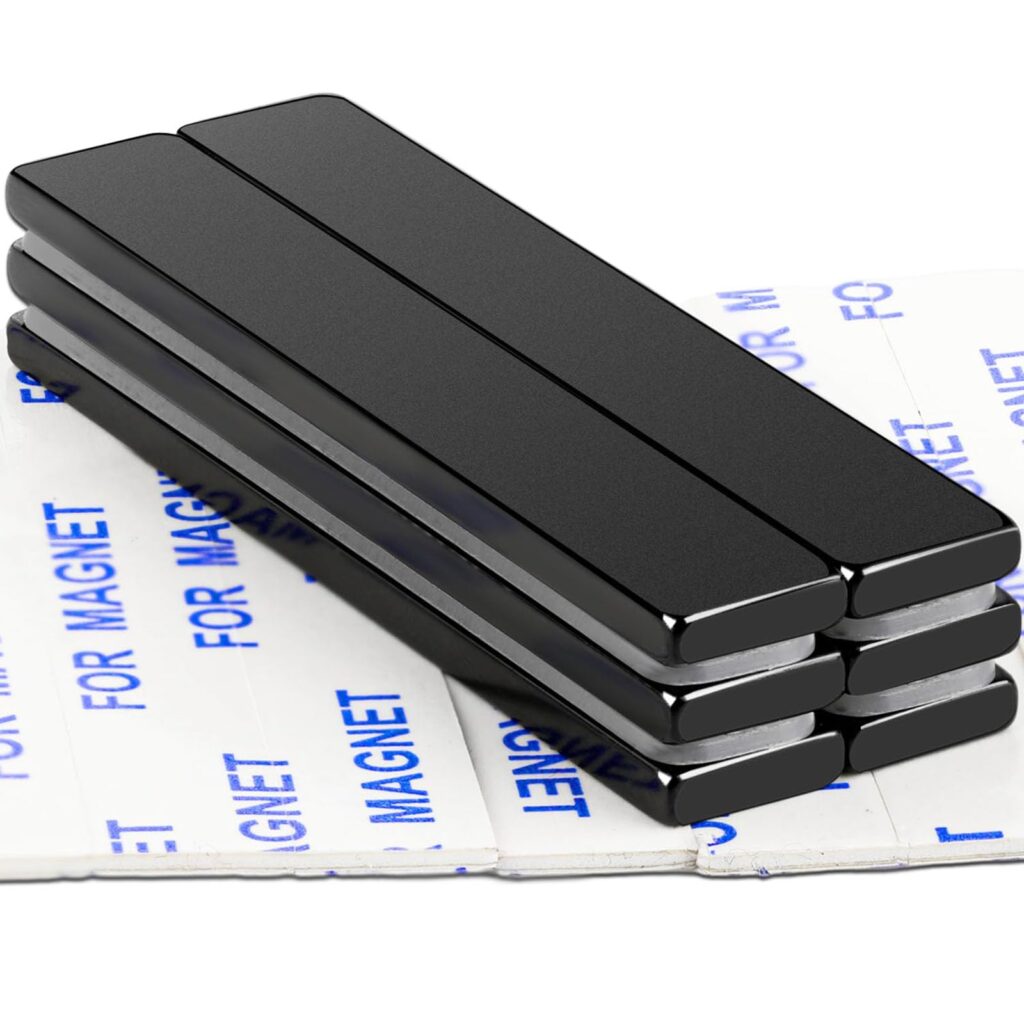
Key Certifications to Verify at Rare Earth Magnet Manufacturers
Quality certifications provide evidence of a manufacturer’s commitment to excellence. Understanding these standards helps you evaluate magnet manufacturers effectively.
ISO 9001 certification is the baseline requirement. This standard ensures the company operates a documented quality management system. Most professional magnet manufacturers maintain this certification. It covers process control, corrective actions, and continuous improvement procedures.
IATF 16949 certification applies to automotive supply chains. This standard adds stringent defect prevention requirements beyond ISO 9001. Neodymium magnet manufacturers serving automotive customers must demonstrate advanced process control. The certification requires statistical analysis and rigorous documentation.
ISO 14001 certification demonstrates environmental management commitment. Rare earth processing generates waste products requiring careful handling. Responsible magnet manufacturers invest in environmental controls. This certification shows compliance with regulations and sustainable practices.
ISO 13485 certification covers medical device manufacturing. Rare earth magnets appear in surgical instruments, implantable devices, and diagnostic equipment. Manufacturers serving this market maintain medical-grade quality systems.
RoHS and REACH compliance confirms products meet international safety standards. These regulations restrict hazardous substances. Rare earth magnet manufacturers must verify compliance and provide documentation.
Material traceability is essential for critical applications. Quality magnet manufacturers track every production batch to raw material sources. They provide certificates showing actual chemical composition and magnetic properties.
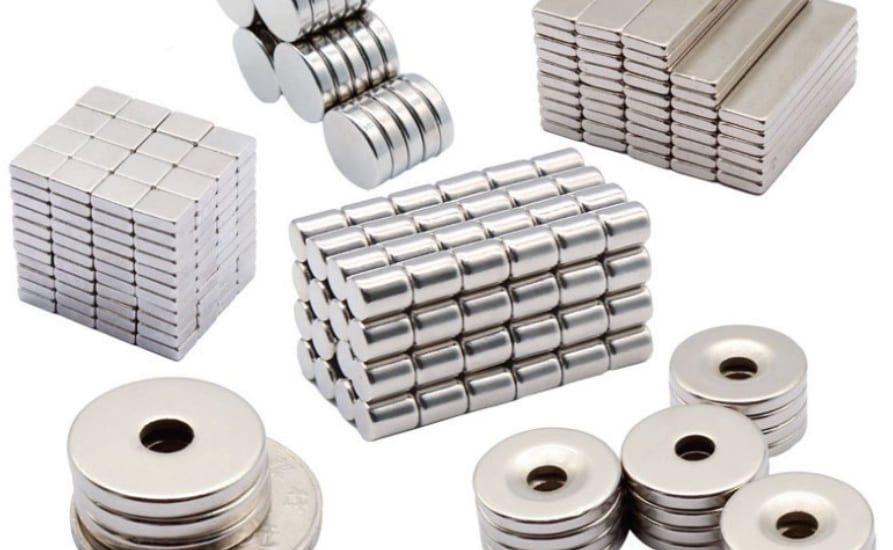
Production Capabilities to Assess at Rare Earth Magnet Manufacturers
The equipment and processes at magnet manufacturers directly affect product quality. Understanding what to look for helps you evaluate potential partners effectively.
Press tonnage range indicates production capacity. Larger presses handle bigger magnets and achieve higher density. Small rare earth magnet manufacturers cannot produce large wind turbine magnets. Verify that equipment matches your specific size requirements.
Furnace technology affects final magnetic properties. Continuous mesh-belt furnaces suit high-volume production. Vacuum furnaces provide superior atmosphere control for specialty alloys. Ask about sintering equipment when evaluating rare earth magnet manufacturers.
Machining capabilities enable custom shapes and tight tolerances. Some manufacturers outsource grinding and machining operations. In-house capabilities provide better quality control and faster turnaround. Ask about their equipment for producing custom geometries.
Magnetizing capability is critical for proper function. Custom magnetizing fixtures create specific pole patterns. Capable rare earth magnet manufacturers design and build their own fixtures. This capability enables production of specialized magnet configurations.
Testing equipment ensures consistent quality. Hysteresisgraphs measure complete magnetic properties. Helmholtz coils measure magnetic moment. Coordinate measuring machines verify dimensions. Salt spray chambers test coating durability. Comprehensive testing separates quality rare earth magnet manufacturers from commodity traders.
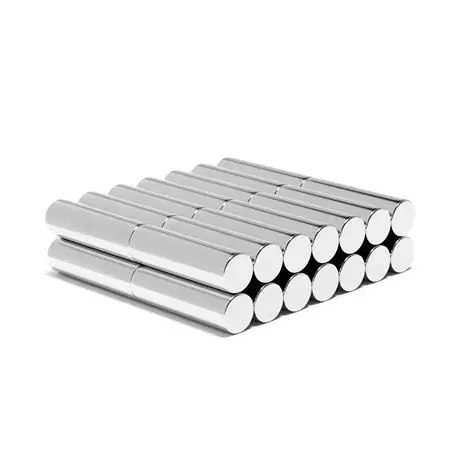
Raw Material Sourcing Strategies at Rare Earth Magnet Manufacturers
The way rare earth magnet manufacturers source their raw materials has a major impact on product quality, pricing stability, and supply chain reliability. Understanding these sourcing strategies helps buyers evaluate potential partners more effectively.
Some rare earth magnet manufacturers are vertically integrated with mining and processing operations. These companies control the entire supply chain from ore extraction to finished magnets. Vertical integration offers advantages in quality control and cost stability. However, very few companies achieve full integration due to the massive capital investment required. Most manufacturers purchase processed rare earth oxides or alloys from specialized suppliers.
Long-term supply contracts are a common strategy among established rare earth magnet manufacturers. These agreements lock in raw material pricing for extended periods, reducing exposure to market volatility. Manufacturers with secure supply contracts can offer more stable pricing to their customers. This stability matters for buyers planning production budgets months or years ahead.
Strategic inventory management buffers against supply disruptions. Savvy rare earth magnet manufacturers maintain raw material stockpiles to cover several months of production. When market prices dip, they buy additional inventory. When prices spike, they draw from reserves. This strategy smooths out cost fluctuations but requires significant working capital.
Diversified sourcing reduces dependency on any single supplier. Leading rare earth magnet manufacturers purchase materials from multiple sources across different regions. This diversification protects against localized disruptions from political events, natural disasters, or trade restrictions.
Recycling programs provide secondary material sources. A growing number of rare earth magnet manufacturers operate or partner with recycling facilities. End-of-life magnets contain recoverable neodymium and other valuable elements. This secondary supply reduces dependence on newly mined materials and supports sustainability goals.
Buyers should ask potential suppliers about their sourcing strategies. Manufacturers with secure, diversified raw material supplies are better positioned to deliver consistent quality and stable pricing over the long term.
Innovation and Research Development at Leading Rare Earth Magnet Manufacturers
Innovation separates leading rare earth magnet manufacturers from commodity producers. Research and development investment drives improvements in magnet performance, cost reduction, and environmental sustainability. Understanding a manufacturer’s R&D commitment helps buyers identify forward-thinking partners.
Grain boundary diffusion is one of the most important recent innovations. This technology introduces dysprosium or terbium only at the grain boundaries of the magnet rather than throughout the entire material. The result achieves similar high-temperature performance with significantly less heavy rare earth content. Leading rare earth magnet manufacturers use this technique to reduce costs while maintaining performance. For buyers, this translates to better pricing for high-temperature grade magnets.
Dysprosium-free magnet development is an active research area. Scientists work to achieve high coercivity without expensive heavy rare earth elements. Some approaches use modified alloy compositions. Others employ advanced processing techniques. While dysprosium-free magnets have not fully matched traditional high-temperature grades, progress continues rapidly. Rare earth magnet manufacturers investing in this research position themselves for future cost advantages.
Reduced magnet weight is another innovation focus. Engineers optimize magnet shapes and magnetic circuits to achieve the same motor performance with less material. These lightweight designs reduce the cost of rare earth magnets in electric vehicles and wind turbines. Manufacturers with strong simulation capabilities help customers achieve these weight savings.
Recycling technology development supports sustainability. Advanced rare earth magnet manufacturers invest in processes to recover neodymium from production scrap and end-of-life products. This closed-loop approach reduces waste and raw material costs. Some companies now offer magnets made with recycled content.
Automation improves consistency and reduces cost. Leading rare earth magnet manufacturers invest in automated pressing, inspection, and packaging systems. Automation reduces human error and improves dimensional consistency. These improvements translate to better quality and competitive pricing for buyers.
Ask potential suppliers about their R&D programs. Companies that invest in innovation are better positioned to meet evolving customer needs.
FAQ: Your Rare Earth Magnet Manufacturers Questions Answered
1. How can I verify the quality of rare earth magnet manufacturers before placing an order?
Request quality certifications and material test reports. Order sample magnets for independent testing in your application. Visit the facility or arrange a third-party audit. Check references from current customers. Professional rare earth magnet manufacturers welcome these verification steps and provide documentation readily.
2. What is the typical lead time from rare earth magnet manufacturers?
Standard stock magnets ship within days. Custom magnets without new tooling ship in three to five weeks. New pressing dies add six to ten weeks for tooling fabrication. Complex multi-pole magnetization requires additional time. Discuss timelines early with rare earth magnet manufacturers.
3. Can rare earth magnet manufacturers help with magnet selection and design?
Yes, established rare earth magnet manufacturers offer engineering support. They recommend optimal material, grade, and geometry for your application. They perform finite element analysis to model magnetic fields. This guidance helps avoid costly design mistakes. Ask about engineering capabilities when evaluating suppliers.
Conclusion
Choosing the right rare earth magnet manufacturers is a strategic decision affecting product quality and reliability. By understanding geographic distribution, verifying certifications, and assessing production capabilities, you can identify trustworthy partners. Professional rare earth magnet manufacturers act as engineering partners throughout product development. Whether you need high-performance neodymium for motors or specialized samarium cobalt for aerospace, the right manufacturer becomes an invaluable extension of your team.
7 Powerful Reasons Wind Turbine Magnets Drive Clean Energy Forward