Choosing the right magnet shape can make or break your design, and the neodymium magnets cylinder is a versatile favorite for beginners and experts alike. This guide explains what makes this specific shape so popular and how you can use it effectively, safely, and creatively in your everyday projects.
What is Neodymium Magnets Cylinder
A neodymium magnets cylinder is a powerful permanent magnet shaped like a rod, disc, or tube made from neodymium, iron, and boron (NdFeB). Unlike rectangular blocks, the cylindrical geometry creates a uniform magnetic field radiating from the flat circular faces, where the north and south poles are usually located on the top and bottom ends.
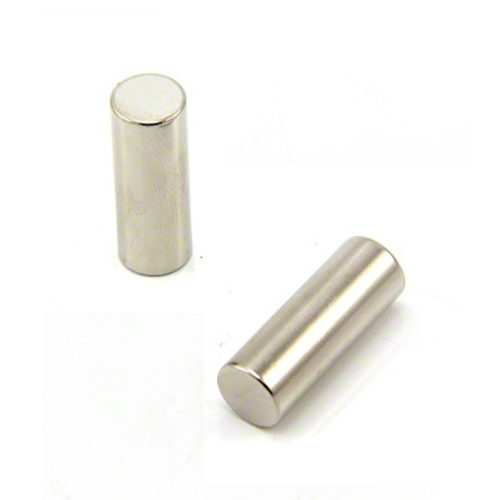
The strength of a neodymium magnets cylinder is measured by its grade, such as N35, N42, or N52, with higher numbers indicating a stronger pull force. These magnets are often coated with nickel, zinc, or epoxy to prevent corrosion. A single small neodymium magnets cylinder can hold hundreds of times its own weight, making it the strongest commercially available magnet shape for its compact size.
Understanding Cylinder Dimensions and Pull Force
The performance of a neodymium magnets cylinder depends heavily on its diameter and thickness. A tall, narrow rod shape creates a concentrated magnetic field that reaches further into space, which is ideal for sensing applications. A thin, wide disc distributes its pull force over a larger surface area, making it better for holding applications where you need maximum grip on flat steel surfaces.
When you shop for a neodymium magnets cylinder, you will see sizes written as diameter by thickness, such as 10mm x 5mm. The pull force rating listed on product pages is always measured against a thick, flat steel plate under ideal conditions. Gaps, coatings, and uneven surfaces will reduce the actual holding power significantly, so a smart designer always chooses a slightly stronger neodymium magnets cylinder than the calculated requirement to ensure a reliable safety margin.
Popular Applications in DIY and Home Projects
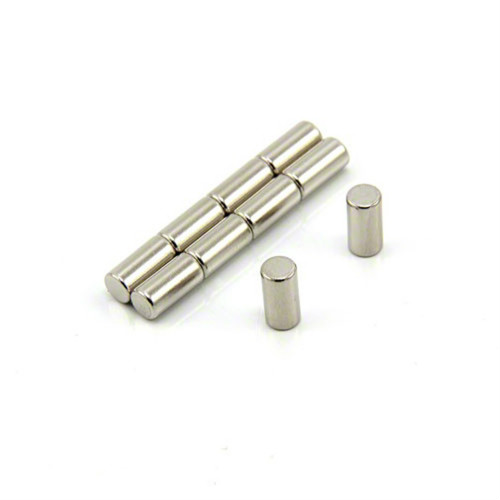
A neodymium magnets cylinder opens up endless possibilities for creative home projects. Crafters use small cylindrical magnets to create hidden clasps for handmade jewelry boxes, bag closures, and refrigerator art displays. Because the circular shape fits perfectly into drilled holes, cabinet makers often embed a neodymium magnets cylinder into wood to create invisible door catches that stay completely hidden from view.
Hobbyists also rely on the neodymium magnets cylinder for organizing tools and workshops. By drilling shallow holes into a wall-mounted wooden strip, you can press-fit several magnets to hold screwdrivers, pliers, and metal rulers securely. Unlike hook-based systems, this magnetic tool holder leaves no scratches and allows you to grab tools instantly. The cylindrical shape makes installation clean and straightforward, even for beginners using only a basic drill.
Industrial Uses in Motors and Sensors
Beyond home use, the neodymium magnets cylinder is a critical component inside modern electric motors and precision sensors. In brushless DC motors, curved cylindrical magnets are bonded to the rotor to create the rotating magnetic field. The symmetrical round shape ensures the motor spins smoothly without vibration, which is why high-quality power tools and electric vehicles depend on consistently manufactured neodymium magnets cylinder units.
Sensing and medical equipment also benefit from this shape. Linear position sensors often use a moving neodymium magnets cylinder to generate signals that track exact location. In medical devices like hearing aids and small pumps, miniature cylindrical magnets provide reliable force in a tiny package. The precise dimensional tolerances of a well-made neodymium magnets cylinder ensure predictable performance, which is non-negotiable when human safety depends on the device working correctly.
Safety Guidelines and Handling Best Practices
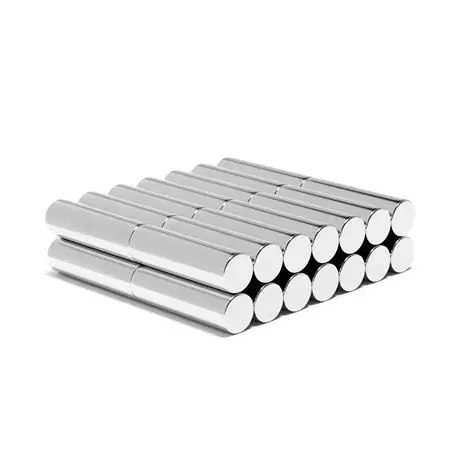
Powerful magnets demand respect, and a large neodymium magnets cylinder can cause serious injury if handled carelessly. Two magnets can jump together with incredible speed, pinching fingers hard enough to draw blood or fracture bones. Always wear safety glasses when separating stuck magnets, and slide them apart sideways rather than trying to pull them directly apart with your fingers.
Keep every neodymium magnets cylinder far away from pacemakers, credit cards, and electronic devices. The strong magnetic field can permanently damage screens, delete magnetic stripe data, and interfere with medical implants. Store unused cylinders in their original plastic spacers inside a sturdy box. If children are in the house, treat a small neodymium magnets cylinder as a severe swallowing hazard; if multiple magnets are ingested, they can pinch intestinal walls and cause life-threatening injuries requiring immediate surgery.
Specifying and Ordering Neodymium Magnet Cylinders
Ordering neodymium magnet cylinders correctly requires more attention than most buyers expect. Small specification errors lead to parts that will not fit or will not perform, and custom cylinders are expensive to redo.
Start with the two basic dimensions: diameter and length. Suppliers list these in millimeters, and both carry tolerances. Standard as-sintered tolerance for a cylinder is often plus or minus 0.05 to 0.1 millimeters. If you need a press fit into a bore, that tolerance is too loose. You will need ground diameter, which costs more and adds lead time. Always state which dimensions are critical and which are not.
Next, confirm the magnetization direction in writing. “Axial” and “diametric” are not interchangeable, and some suppliers use different terminology. Ask for a diagram or a photo showing the pole orientation on a sample. If the cylinder has multiple poles around its circumference, request the pole count and the angular spacing. Multi-pole cylinders are common in encoder and sensor work, and the pole pattern must match your electronics.
Coating selection follows the same logic as other neodymium parts. Nickel plating suits indoor use. Epoxy or parylene is needed for moisture, chemicals, or medical contact. Keep in mind that coating adds thickness. A nominal 10-millimeter cylinder with coating may measure 10.2 millimeters. If your bore is tight, account for this in the drawing.
Finally, ask about the grade and coercity. A cylinder used in a hot environment needs a high-temperature grade, not just a high grade number. Grade controls strength. Coercivity controls resistance to demagnetization. Both matter, and a supplier who only talks about grade is not giving you the full picture.
Common Mistakes When Using Neodymium Magnet Cylinders
Even experienced engineers make avoidable mistakes with neodymium magnet cylinders. Most of these problems trace back to assumptions about how magnets behave rather than to the magnets themselves.
The most common mistake is assuming the cylinder will behave like a disc. Engineers calculate holding force from a disc magnet of similar diameter, then order a cylinder and find the grip is weaker than expected. As covered earlier, the elongated shape spreads the field differently. Always use pull force data specific to the actual cylinder dimensions you are ordering.
The second mistake is ignoring air gaps. A cylinder pressed into a plastic housing and then mounted against painted steel loses a large share of its rated force. Paint, plastic, adhesive, and even a thin layer of corrosion all create gaps. In a typical assembly, it is common to lose 30 to 50 percent of the catalog rating. Build in margin rather than trusting the number on the datasheet.
The third mistake is mishandling. Neodymium cylinders are brittle, and long thin ones are especially fragile. Letting two cylinders snap together end to end can chip the edges or crack the body. Always slide magnets apart rather than pulling them directly apart, and store them with spacers between them.
The fourth mistake is overlooking temperature. A cylinder chosen for its strength may lose a significant portion of its field in a warm enclosure. Standard grades begin to lose strength above 80 degrees Celsius, and irreversible loss starts well before the maximum rating. Check the actual operating temperature inside your device, not the ambient room temperature.
Finally, many buyers forget to verify the magnet after delivery. A quick check of dimensions, field strength, and coating condition on a sample from each lot catches problems before they reach production.
Handling and Storage Best Practices for Neodymium Magnet Cylinders
Neodymium magnet cylinders are powerful, brittle, and easily damaged if handled carelessly. Good handling and storage habits protect both the magnets and the people working with them.
The biggest risk is impact. A cylinder allowed to snap against another magnet or a steel surface can chip at the edges or crack along its length. Long, thin cylinders are the most vulnerable because the force concentrates at the ends. Always bring magnets together slowly and release them gently rather than letting them jump from a distance. When separating two cylinders, slide them sideways rather than pulling them straight apart.
Storage deserves more attention than it usually gets. Loose cylinders in a box will attract each other, tumble together, and chip. Use a compartmented container, or place non-magnetic spacers between each piece. Cardboard, plastic, and foam all work. Keep the storage box away from credit cards, mechanical watches, and sensitive electronics. A dedicated drawer or cabinet is ideal.
Temperature is a storage concern as well. Do not leave cylinders in a hot vehicle, near a furnace, or in direct summer sun. Heat accelerates the gradual loss of magnetic strength and can damage coatings. A cool, dry location is best.
Humidity matters for neodymium cylinders with thin nickel plating. If storage areas are damp, corrosion can begin at coating defects. Add a desiccant pack to the storage container, especially in coastal or humid climates. For long-term storage, a light wipe with a dry cloth before boxing keeps surfaces clean.
Finally, keep a count. Small cylinders are easy to lose, and a loose magnet in a workshop is a hazard. Count magnets in and out of storage, and keep them out of reach of children.
FAQ
Can I drill or machine a neodymium magnets cylinder?
No, you should never attempt to drill or machine a neodymium magnets cylinder yourself. The material is brittle and can shatter, and the heat generated by drilling permanently destroys its magnetic properties. If you need a custom hole or groove, always contact your supplier to order a neodymium magnets cylinder manufactured with those features already built in during the production process before magnetization.
What temperature will demagnetize it?
Standard grades of neodymium magnets cylinder start losing strength around 80°C (176°F) and fail completely at higher temperatures. If your application involves heat, you must specify a high-temperature grade like N42SH or N35UH. These specialized versions sacrifice a small amount of room-temperature strength for the ability to operate reliably in environments reaching up to 180°C without permanent magnetic loss.
How do I remove a stuck neodymium magnets cylinder from steel?
Sliding a stubborn neodymium magnets cylinder is much easier than pulling it straight off. Use a non-magnetic wooden wedge or plastic spatula to get under one edge, then twist the tool to break the grip. For a completely flat disc stuck to a smooth surface, slide it sideways to the edge of the steel plate. Once an edge overhangs the steel, the holding force drops drastically and you can lift it away safely.
Conclusion
The neodymium magnets cylinder packs incredible power into a simple round form that works beautifully for crafts, industrial machinery, and everything in between. By understanding basic sizing, respecting safety rules, and choosing the right coating and grade for your environment, you unlock a reliable fastening and sensing solution. Start small, handle with care, and let this compact magnetic shape transform how you build and fix things.