Introduction
If you’ve ever wondered what makes modern electronics so compact and efficient, rare earth magnets are a big part of the answer. These incredibly strong magnets are found in everything from smartphones to electric vehicles. This guide covers everything you need to know about them.
What Are Rare Earth Magnets?
Rare earth magnets are a type of permanent magnet made from alloys of rare earth elements — a group of 17 metallic elements found in the periodic table. Despite the name, these elements are not particularly “rare” in nature, but they are difficult and costly to extract and refine.
There are two main types:
- Neodymium magnets (NdFeB): The strongest type available today. They are made from neodymium, iron, and boron.
- Samarium cobalt magnets (SmCo): Slightly weaker but more resistant to heat and corrosion.
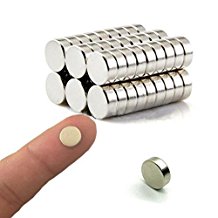
Compared to regular ceramic or ferrite magnets, rare earth magnets are significantly stronger — sometimes up to 10 times more powerful — while being much smaller and lighter. That combination of strength and size makes them ideal for modern technology.
3 Key Specifications of Rare Earth Magnets
Understanding a few core specifications helps you choose the right magnet for any application.
1. Magnetic Strength (Grade)
These magnets are graded by their maximum energy product, measured in Megagauss-Oersteds (MGOe). For neodymium types, grades range from N35 to N55. The higher the number, the stronger the magnet. An N52 grade is one of the strongest options commercially available and is widely used in industrial and medical equipment.
2. Maximum Operating Temperature
One limitation is sensitivity to heat. Standard neodymium versions begin to lose their magnetism at around 80°C (176°F). High-temperature variants can withstand up to 200°C (392°F), while samarium cobalt handles up to 350°C (662°F). Always check the temperature rating before use in high-heat environments.
3. Coercivity
Coercivity measures resistance to being demagnetized by an external magnetic field. Rare earth magnets have very high coercivity, meaning they hold their magnetic charge well even in challenging conditions. This makes them reliable for long-term use in motors, sensors, and precision devices.
How to Produce Rare Earth Magnets
Producing rare earth magnets is a multi-step industrial process that requires precision at every stage. Here is a clear overview of how it works.
1. Mining and Refining Raw Materials
The process begins with mining rare earth ores, primarily from deposits in China, Australia, and the United States. The ore is crushed, separated, and chemically processed to extract pure rare earth metals such as neodymium, praseodymium, and samarium. This stage is energy-intensive and requires careful handling of byproducts.
2. Alloy Preparation
Once the pure metals are extracted, they are combined with other elements to form an alloy. For neodymium magnets, neodymium is melted together with iron and boron at extremely high temperatures. The molten alloy is then rapidly cooled to form a solid ingot or fine powder, depending on the manufacturing method chosen.
3. Pressing and Shaping
The alloy powder is poured into a mold and pressed under high pressure. During this step, a strong magnetic field is applied to align the powder particles in the same direction. This alignment is what gives the final magnet its powerful magnetic properties. The pressed material, called a “green compact,” is still fragile at this stage.
4. Sintering
The green compact is heated in a furnace at around 1,000°C to 1,100°C in a vacuum or inert gas environment. This fuses the particles together into a dense, solid magnet.
5. Machining and Coating
After sintering, the magnet is cut and ground to its final shape and size. Because neodymium magnets are prone to corrosion, a protective coating of nickel, zinc, or epoxy is applied as the final step before quality testing and shipping.
Where Are Rare Earth Magnets Used?
These powerful magnets appear in a surprisingly wide range of everyday and industrial products.
Consumer Electronics: Smartphones, headphones, hard drives, and speakers all rely on compact magnets. Their small size lets engineers shrink components without sacrificing performance.
Electric Vehicles (EVs): The motors in most EVs depend heavily on neodymium-based magnets. They enable high torque and energy efficiency, which directly extends driving range.
Wind Turbines: Many modern wind turbines use them in their generators. This helps convert wind energy into electricity more efficiently, supporting renewable energy growth worldwide.
Medical Devices: MRI machines, hearing aids, and surgical tools all benefit from the precision and strength these magnets provide. Their compact form is especially valuable in implants and diagnostic equipment.
Industrial Machinery: Magnetic separators, lifting systems, and conveyor equipment frequently rely on these powerful magnets because of their superior holding force and long-term reliability.
7 Powerful facts to Choose Custom Magnets for Your Business
How to Handle and Store Rare Earth Magnets Safely
These are powerful tools, but they must be handled with care.
Keep Away from Electronics: Strong magnetic fields can damage hard drives, credit cards, and pacemakers. Always store them away from sensitive devices.
Avoid Pinching Injuries: Two magnets snapping together can cause serious finger injuries. Handle them one at a time and keep them separated until needed.
Store Properly: Keep them in a cool, dry place. Use keeper plates — small metal pieces placed between pairs — to reduce attraction force during storage and prevent cracking.
Prevent Corrosion: Most neodymium magnets are coated with nickel, zinc, or epoxy to prevent rust. Avoid prolonged exposure to moisture to extend their lifespan.

FAQ
Q1: Are rare earth magnets safe to use at home?
Yes, with proper precautions. Smaller versions are generally safe. However, larger magnets pose risks such as pinching injuries and interference with medical devices like pacemakers. Always supervise children around them.
Q2: Can rare earth magnets lose their magnetism over time?
Under normal conditions, they retain their strength for decades. Exposure to extreme heat, a strong opposing field, or physical damage like cracking can cause demagnetization. Proper storage and use keep this risk very low.
Q3: What is the difference between neodymium and samarium cobalt types?
Neodymium types are stronger and more affordable, making them the most common. Samarium cobalt costs more but performs better at high temperatures and resists corrosion more effectively. Your choice depends on the application — neodymium for maximum strength, samarium cobalt for extreme conditions.
Conclusion
Rare earth magnets have quietly become one of the most essential materials in modern technology. From electric vehicles to life-saving medical devices, their strength and compact size make them irreplaceable. By understanding their types, specifications, and safe handling practices, you can confidently choose and use them for any project or application.